 Uncorked Conversations
Introduction to Emerging Natural Wine Destinations
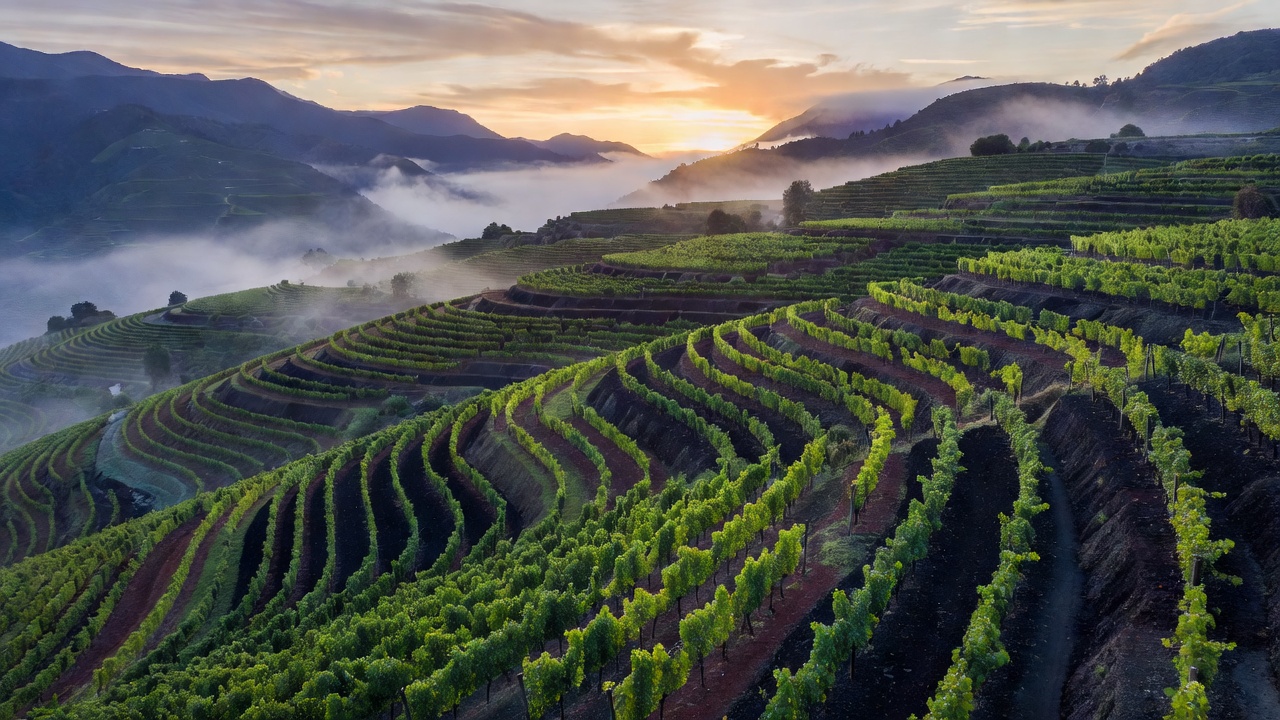
Natural wine continues to gain momentum as consumers seek authentic expressions of terroir through minimal intervention. In 2026, attention is shifting toward lesser-known regions where organic, biodynamic, and low-intervention practices are thriving due to unique climates and dedicated producers. These areas offer alternatives to saturated markets like Burgundy or Napa, emphasizing sustainability metrics such as soil health and biodiversity. This guide highlights seven rising regions suited for beginners interested in forward-looking trends, including new certification standards for regenerative viticulture that prioritize carbon sequestration and reduced chemical inputs.
Travelers and enthusiasts alike benefit from understanding how climate suitability influences grape choices and production methods. By focusing on these spots, readers can discover wines that reflect local traditions while aligning with global pushes for eco-friendly farming. The following sections provide in-depth profiles, comparisons, and actionable advice to help you explore or source these wines effectively.
Itata Valley, Chile: Ancient Vines Meet Cool-Climate Innovation
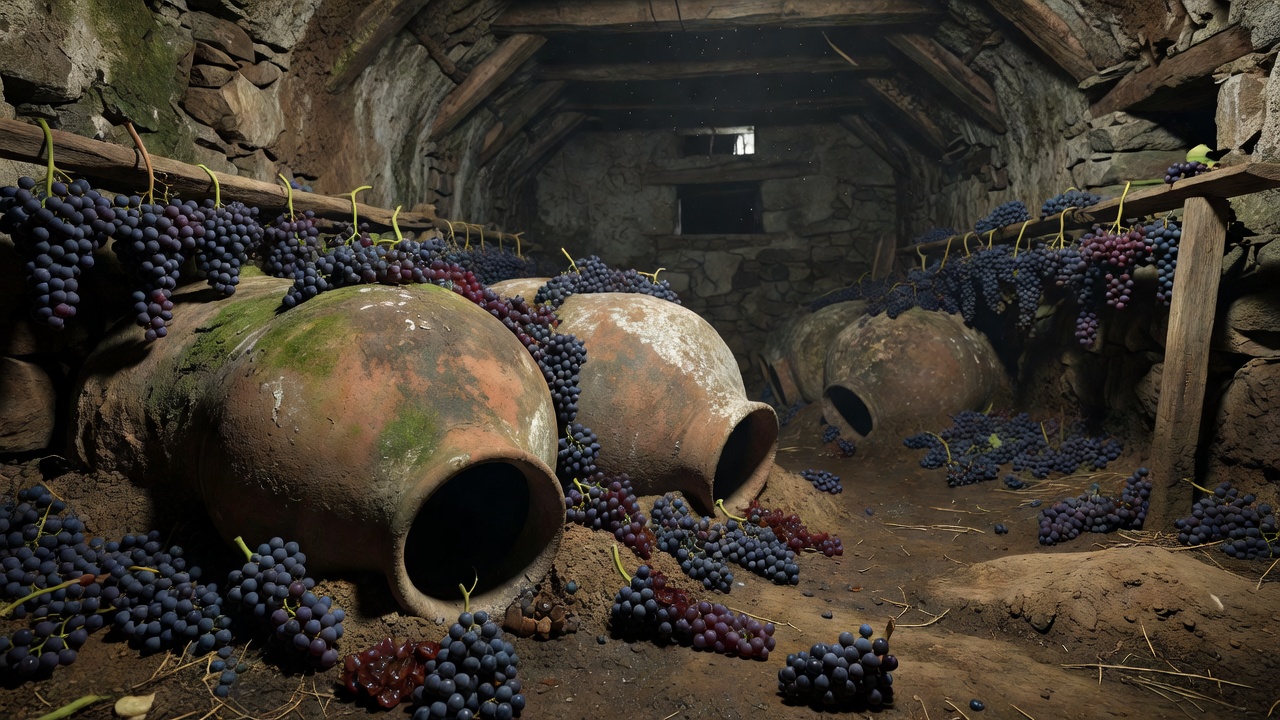
Itata Valley benefits from a Mediterranean climate with Pacific breezes that moderate temperatures, ideal for low-intervention farming. Signature varieties include País and Cinsault, which thrive in granitic soils without irrigation. The region's long history of dry-farmed vines dates back centuries, allowing producers to avoid modern additives entirely. Wineries like Viña González Bastías employ whole-cluster fermentation and native yeasts, resulting in vibrant, fruit-driven reds with earthy undertones.
Compared to other regions, Itata's production relies heavily on dry farming, reducing water use significantly versus irrigated valleys. This approach enhances resilience against climate variability projected for 2026. Visitors can hike among old bush vines and taste directly from the cellar, gaining insight into how minimal handling preserves freshness. Practical sourcing involves checking importer lists for small-batch releases that highlight the valley's unique granite influence.
Ribeira Sacra, Spain: Steep Terraces and Atlantic Influence
The steep slate terraces of Ribeira Sacra create microclimates perfect for Mencía and Godello grapes. Humid Atlantic weather supports biodynamic methods with minimal copper sprays, fostering healthy ecosystems along the river canyons. Producers such as Algueira focus on manual harvesting and spontaneous fermentation, yielding elegant wines with mineral notes and bright acidity.
This region's approach contrasts with Itata by incorporating more amphora aging, enhancing texture while maintaining purity. The dramatic landscape also attracts eco-tourists who combine wine visits with hiking trails. For 2026, expect increased emphasis on regenerative certifications that track biodiversity improvements in these terraced sites. Beginners should note that sourcing often requires contacting specialized European distributors for authentic expressions.
Kakheti, Georgia: Traditional Qvevri Winemaking
Kakheti's continental climate with hot summers and cold winters suits Saperavi and Rkatsiteli. Centuries-old qvevri vessels enable skin-contact fermentation without additives, preserving ancestral techniques recognized by UNESCO. Wineries like Pheasant's Tears exemplify low-intervention methods, producing orange and red wines with complex tannins and nutty flavors from extended maceration.
Production methods here emphasize zero sulfur additions more consistently than in cooler European spots. This creates bold, stable wines suited for aging. Practical travel tips include joining harvest festivals where visitors participate in foot-treading grapes. Sourcing internationally benefits from direct winery contacts to ensure traceability and authenticity in line with emerging 2026 standards.
Swartland, South Africa: Bush Vine Resilience
Swartland's warm, dry climate with granite and shale soils excels for Chenin Blanc and Syrah. Producers practice regenerative agriculture to combat drought, using cover crops and livestock integration for natural soil fertility. Estates including Testalonga use minimal oak and whole-bunch ferments, crafting textured whites and spicy reds that showcase the rugged terrain.
This differs from Georgia by incorporating more carbonic maceration for fruit-forward profiles. The area's sustainability focus aligns with 2026 metrics around water conservation. Travelers can explore via wine routes that highlight small estates, while sourcing tips recommend joining natural wine clubs for access to limited releases from this dynamic region.
Peloponnese, Greece: Mountainous Diversity
Varied elevations in the Peloponnese create cool pockets for Assyrtiko and Agiorgitiko. Mediterranean influences favor organic cover crops and biodiversity, supporting robust vines on limestone soils. Wineries like Tetramythos highlight native yeast ferments, delivering crisp whites and structured reds with herbal aromas.
Compared to Swartland, Greek methods often include earlier harvesting to preserve acidity in warmer conditions. This results in balanced wines ideal for food pairing. For authenticity verification, look for labels noting low-intervention details. 2026 trends point to expanded mountain viticulture tours that educate on climate adaptation strategies.
Canary Islands, Spain: Volcanic Terroir
Volcanic soils and trade winds define the Canaries, suiting Listán Blanco and Negramoll. Arid conditions promote natural disease resistance, allowing fully organic cultivation across islands like Tenerife and Lanzarote. Producers such as Envínate focus on co-ferments, creating layered wines with smoky minerality and vibrant fruit.
This region's sustainability metrics track higher biodiversity scores than flatter mainland areas. Practical advice includes planning island-hopping trips during shoulder seasons for tastings. Sourcing from these remote spots often involves importers who prioritize small-production lots, ensuring the volcanic character shines through without manipulation.
Tasmania, Australia: Cool-Climate Promise
Tasmania's maritime climate with high rainfall supports Pinot Noir and Chardonnay under biodynamic regimes. Emerging certifications emphasize carbon sequestration through holistic farm practices. Wineries like Stoney Rise use minimal sulfur, producing elegant sparkling and still wines with crisp acidity and red fruit notes.
It stands out from the Canaries by prioritizing frost protection techniques adapted for natural practices. The cool environment yields wines that age gracefully. Beginners can start with virtual tastings or importer events, while travel involves ferry rides to vineyard estates for immersive experiences in sustainable viticulture.
Comparing Production Methods Across Regions
Understanding differences helps in selecting wines that match personal preferences. Key comparisons include:
- Climate Suitability: Cooler spots like Ribeira Sacra and Tasmania favor high-acidity grapes, while warmer Kakheti and Swartland emphasize structure and ripeness.
- Intervention Levels: Georgia leads in zero-additive traditions using ancient vessels; Chile and Greece balance with selective foot-treading and native ferments.
- Sustainability Focus: 2026 trends include soil microbiome testing and regenerative scoring, with all regions advancing practices like reduced tillage and pollinator habitats.
- Aging and Texture: Amphora use in Spain adds unique mouthfeel, contrasting with minimal oak approaches in South Africa for purity.
These variations highlight how local conditions shape natural wine outcomes, offering diverse tasting experiences for enthusiasts.
2026 Trends in Sustainability and Certifications
Forward-looking developments include new blockchain traceability tools and updated biodynamic standards that incorporate climate data. Regions are adopting metrics for biodiversity and water efficiency to meet consumer demand for transparency. This evolution positions emerging areas as leaders in ethical production.
Practical Travel and Sourcing Tips
Visit during harvest seasons for immersive experiences that include vineyard walks and cellar tours. Source bottles via specialist importers or direct winery shipments to support small producers. Verify authenticity by checking for certifications like Demeter or new EU regenerative labels expected in 2026. Start with mixed cases from multiple regions to compare styles, and join online communities for recommendations on ethical retailers. Always confirm shipping regulations when ordering internationally to avoid delays.
FAQ: Verifying Natural Wine Authenticity
How do I confirm low-intervention practices? Look for transparent labeling on sulfite levels and farming methods on producer websites or trusted directories.
What new certifications are emerging? Watch for updated biodynamic standards and blockchain traceability pilots launching in 2026 to ensure full supply chain visibility.
Are these wines available internationally? Many reach markets through ethical distributors focusing on small-production lots from these rising regions.
Can I visit these areas affordably? Shoulder season travel combined with local wine routes offers cost-effective ways to explore while learning directly from makers.
Conclusion
These emerging regions represent the future of natural wine, blending tradition with innovative sustainability. Exploring them in 2026 promises fresh discoveries for enthusiasts seeking genuine expressions beyond the ordinary, supported by practical knowledge and evolving industry standards.
No comments yet. Be the first!