 Uncorked Conversations
Introduction to Natural Wine Cocktails
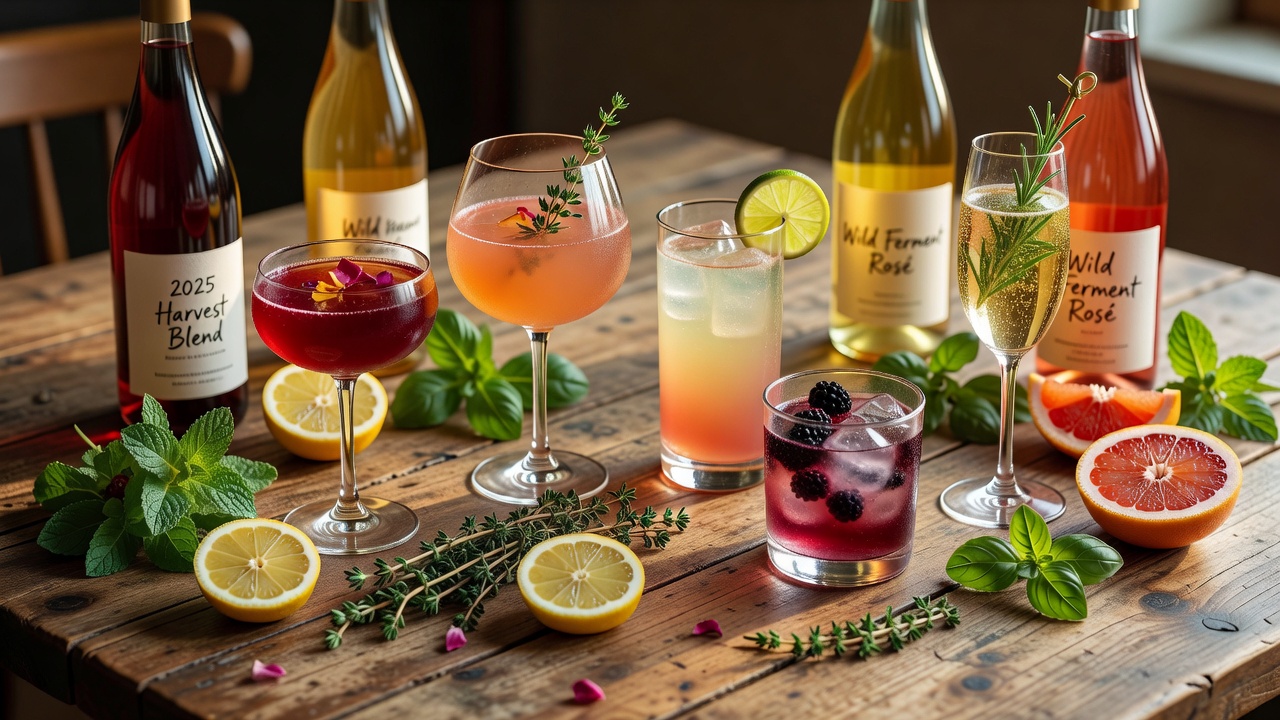
Natural wine cocktails are redefining mixology in 2026 by highlighting the pure, expressive qualities of low-intervention wines. These drinks combine organic, biodynamic, and minimal-additive wines with fresh, seasonal ingredients to create vibrant, sustainable beverages that appeal to both home enthusiasts and professional bartenders. Unlike mass-produced wines, natural varieties showcase terroir-specific flavors, lively acidity, and subtle complexities that shine when mixed thoughtfully.
The search for creative, eco-conscious drink ideas has grown as consumers seek alternatives to sugary cocktails or heavily processed beverages. This comprehensive guide explores the benefits of using these wines, delivers five detailed step-by-step recipes complete with ingredient lists and pairing suggestions, and offers practical sourcing and flavor advice. Whether you are new to natural wine or looking to refresh your repertoire, these ideas provide fresh inspiration grounded in current trends.
Benefits of Low-Intervention Wines in Cocktails
Low-intervention wines are crafted with native yeasts, little to no added sulfites, and often without filtration, preserving the grape's authentic character. This purity makes them exceptional bases for cocktails because their natural acidity and fruit-forward profiles balance other ingredients without requiring excessive sweeteners or artificial enhancers. For example, a biodynamic white wine's mineral edge can cut through rich flavors in a fizz, while an orange wine's skin-contact tannins add structure to a mule-style drink.
Environmentally, these wines support regenerative farming practices that improve soil health and biodiversity. Health-conscious drinkers appreciate lower sulfite levels, which can reduce headaches for sensitive individuals. In 2026, the trend emphasizes sustainability, and incorporating these wines aligns with broader movements toward mindful consumption. Their versatility allows experimentation with herbs, citrus, and spices that complement rather than mask the wine's personality.
Emerging 2026 Trends in Natural Wine Mixology
Bartenders are increasingly featuring pet-nats and skin-contact wines in low-ABV spritzes and punches, reflecting a shift toward lighter, food-friendly drinks. Home mixologists are adopting these trends by sourcing small-batch bottles and pairing them with garden-fresh produce. The emphasis on transparency in winemaking encourages consumers to ask about farming methods, leading to more informed choices that support ethical producers.
5 Fresh Recipes for 2026
1. Pet-Nat Spritz
This effervescent cocktail showcases the lively bubbles and bright fruit of a natural pet-nat. Ingredients: 4 oz chilled pet-nat, 2 oz soda water, 1 oz elderflower liqueur, one orange slice, fresh mint sprig, and ice. Step-by-step: Fill a large wine glass with ice cubes. Pour the pet-nat slowly to preserve carbonation, followed by soda water and elderflower liqueur. Stir gently with a bar spoon for five seconds. Garnish with the orange slice and mint. The result is refreshing with floral and citrus notes that highlight the wine's natural effervescence. Pairing suggestions: Serve alongside briny olives or creamy goat cheese to balance the drink's acidity. For variations, swap elderflower for a splash of verjus if you prefer less sweetness.
2. Organic Rosé Sangria
A crowd-pleasing pitcher drink perfect for gatherings. Ingredients: One 750 ml bottle of organic rosé, 1 cup mixed fresh berries, one sliced peach, 2 oz brandy or cognac alternative, juice of half a lemon, and ice. Step-by-step: Add sliced fruit and brandy to a large pitcher and muddle lightly to release juices. Pour in the chilled rosé and lemon juice, then stir. Refrigerate for at least two hours to allow flavors to meld. Serve over fresh ice in individual glasses. The organic rosé's strawberry and watermelon notes meld beautifully with the fruit. Pairing suggestions: Excellent with grilled vegetables or light seafood dishes. Experiment by adding cucumber slices for a more savory twist.
3. Biodynamic White Wine Fizz
An elegant brunch option featuring creamy texture. Ingredients: 3 oz biodynamic white wine, 1 oz fresh grapefruit juice, 0.5 oz honey syrup (equal parts honey and water), one egg white, soda water to top, and ice. Step-by-step: Combine wine, juice, syrup, and egg white in a shaker without ice and dry-shake vigorously for 15 seconds. Add ice and shake again for 10 seconds. Strain into a chilled coupe glass and top with soda water. The biodynamic wine's crisp acidity creates a silky foam that carries delicate citrus aromas. Pairing suggestions: Complements avocado toast or smoked salmon. Substitute aquafaba for egg white to make it vegan-friendly.
4. Low-Intervention Red Wine Punch
A warming, spiced option for cooler evenings. Ingredients: One 750 ml bottle low-intervention red wine, 4 oz pomegranate juice, three cinnamon sticks, two orange wheels, two star anise pods, and ice. Step-by-step: Place spices and orange in a punch bowl and lightly muddle. Add the red wine and pomegranate juice, stirring to combine. Allow to steep for 30 minutes at room temperature. Serve over ice with a ladle. The wine's earthy undertones are elevated by the warm spices without overpowering them. Pairing suggestions: Pairs well with charcuterie or aged cheeses. Adjust spice intensity by reducing steeping time for milder batches.
5. Natural Orange Wine Mule
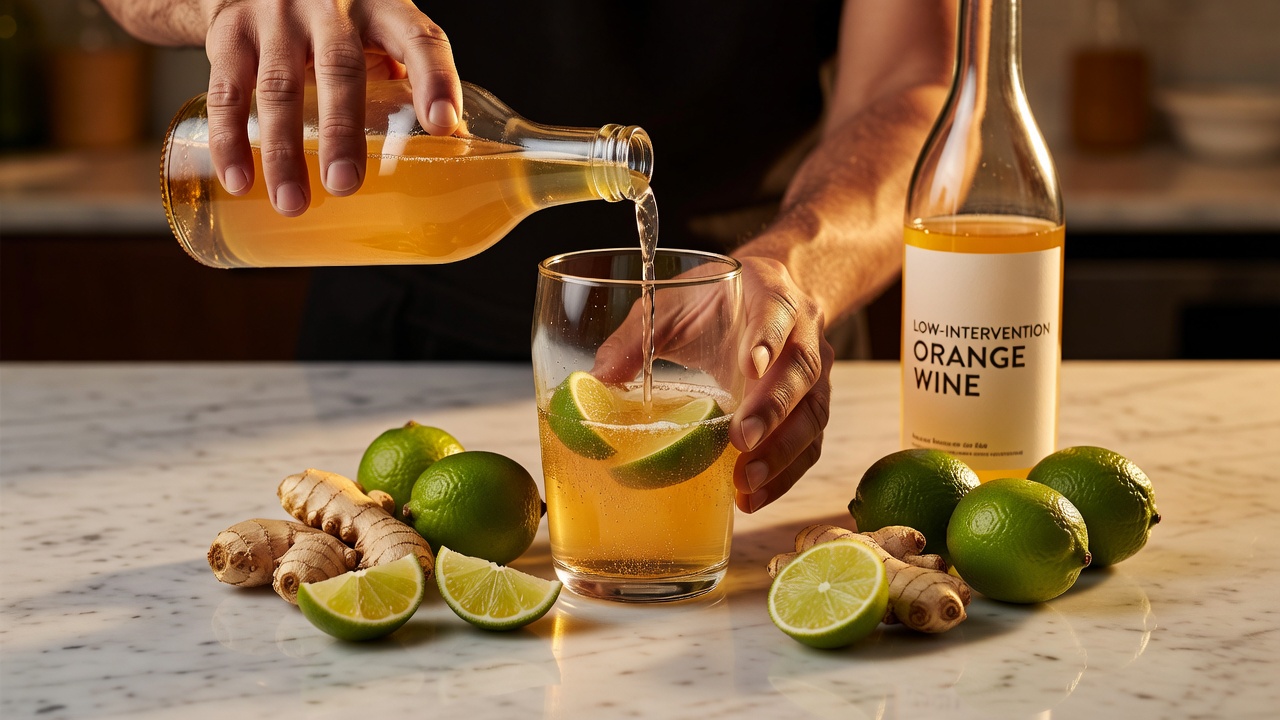
A bold, ginger-forward refresher. Ingredients: 4 oz natural orange wine, 1 oz ginger beer, 0.5 oz fresh lime juice, thin slice of fresh ginger, and ice. Step-by-step: Fill a copper mug or rocks glass with ice. Pour the orange wine and lime juice over the ice, then top with ginger beer. Stir gently and garnish with the ginger slice. The wine's tannic structure stands up to the spice and acidity. Pairing suggestions: Ideal with spicy Thai or Indian appetizers. For a lower-alcohol version, increase ginger beer slightly.
Sourcing Tips for Quality Natural Wines
Seek bottles from producers who list farming practices clearly on labels or websites. Visit independent wine shops that specialize in natural selections or explore online platforms focused on small estates. Check for certifications such as organic or biodynamic seals, and taste before buying when possible to ensure the profile suits your cocktail plans. Store wines upright in a cool, dark place and consume within recommended windows for peak freshness. Local farmers' markets sometimes feature direct-from-producer options that guarantee authenticity.
Flavor Pairing Suggestions and Practical Examples
Matching natural wines with ingredients requires attention to acidity, tannin, and aroma. Crisp whites excel with herbal elements like basil or thyme, while fruity reds complement stone fruits and warm spices. Orange wines handle savory pairings such as mushrooms or nuts. Consider these expanded ideas: a pet-nat with cucumber and mint for cooling summer drinks; rosé with watermelon and feta for Mediterranean-inspired mixes; or red wine with baked apple and cardamom for autumnal punches. Always taste components together first to adjust ratios.
Essential Tools, Techniques, and Common Mistakes to Avoid
Basic bar tools include a shaker, strainer, muddler, and measuring jigger. Chill glasses ahead of time and use fresh ice to avoid dilution. Common pitfalls include over-shaking delicate pet-nats, which flattens bubbles, or using overly tannic wines without balancing citrus. Another mistake is ignoring temperature—serve most cocktails between 45-55°F for optimal flavor release. Always measure ingredients precisely at first, then adjust to personal taste after understanding the base profile.
FAQ: Substitutions and Common Pitfalls
Can I substitute conventional wine? Yes, but results lack vibrancy; choose organic versions as an accessible middle step.
What if the wine tastes too tannic? Extend chilling time or add extra citrus to soften edges.
How should open bottles be stored? Use vacuum pumps and refrigerate for up to three days.
Are there non-alcoholic alternatives? Try dealcoholized natural-style wines or grape-based shrubs.
Where can I learn more about certifications? Consult resources from USDA for organic standards and health guidelines at CDC alcohol information pages.
Conclusion
These natural wine cocktails deliver fresh, flavorful experiences that celebrate 2026 trends while emphasizing sustainability and quality. By following the detailed recipes, sourcing thoughtfully, and experimenting with pairings, you can create memorable drinks that highlight the unique character of low-intervention wines. Start with one recipe, refine it to your preferences, and explore further to build a versatile home or professional repertoire.

No comments yet. Be the first!