 Uncorked Conversations
Introduction to Natural Wine Communities
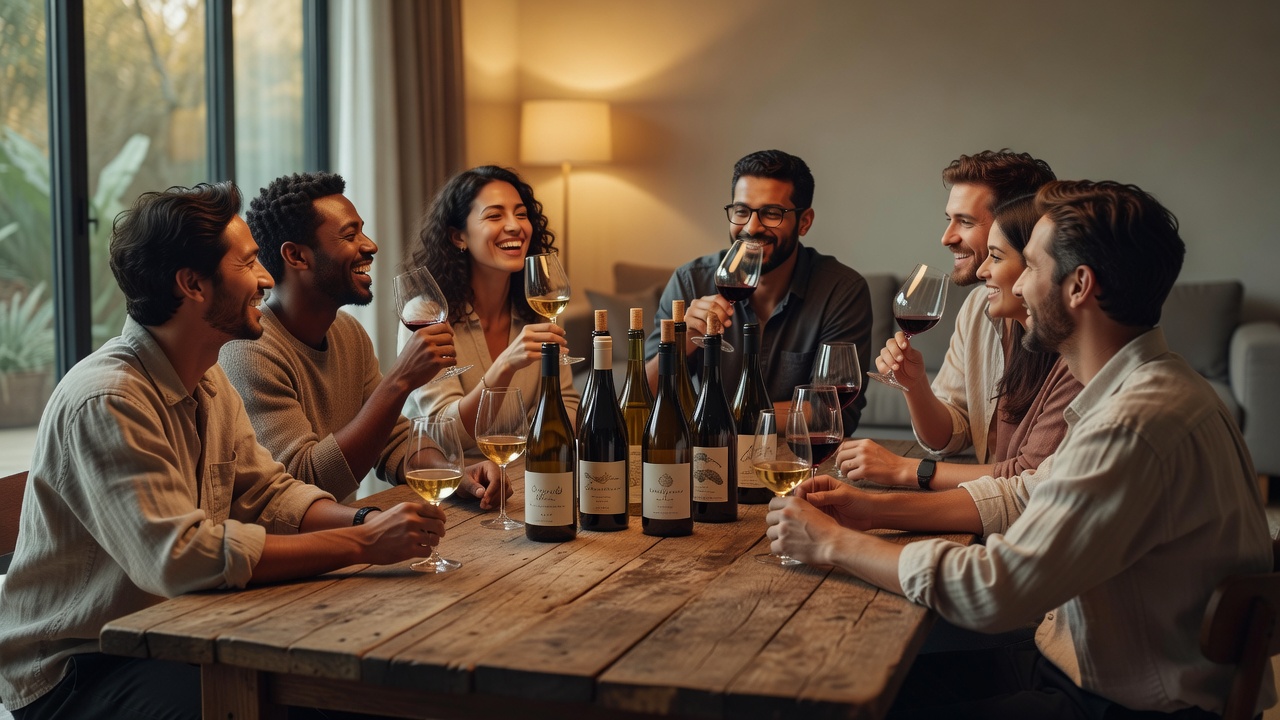
Natural wine clubs are gaining significant popularity in 2026 as enthusiasts seek authentic, low-intervention experiences that emphasize transparency in winemaking and connection to the land. These clubs focus on natural wine, organic wine, biodynamic wine, and low-intervention wine, creating spaces where members can explore flavors without additives or heavy processing. Forming such a group offers educational value through shared tastings and social connection for those passionate about sustainable practices. This comprehensive guide provides practical steps to launch and sustain your club successfully, including detailed advice on every aspect from initial planning to long-term engagement.
Benefits of Forming a Natural Wine Club
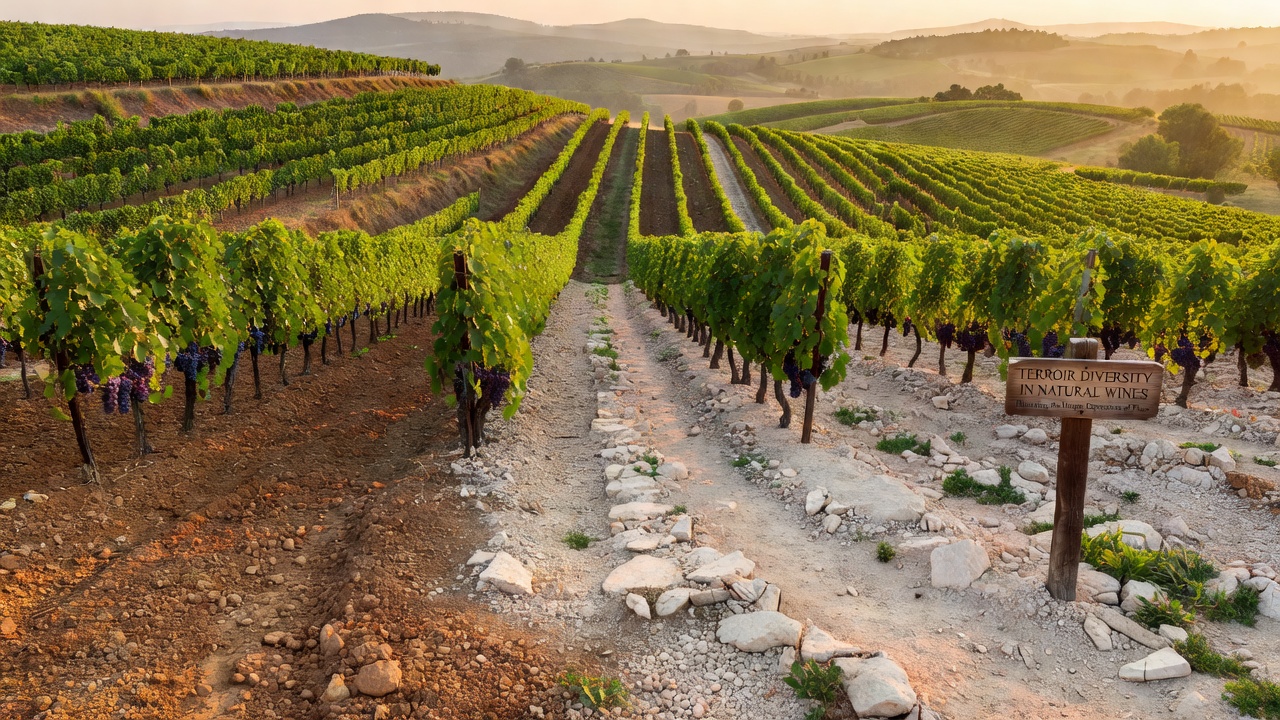
Creating a club fosters education through guided tastings and discussions that go beyond casual drinking. Members learn about vineyard practices, fermentation methods, soil health, and flavor profiles unique to natural wines. It also builds community, encouraging regular interactions that might not happen otherwise in busy modern lives. Clubs promote responsible consumption by focusing on quality over quantity and support local producers by highlighting smaller, ethical vineyards that often struggle for visibility. Additional benefits include mental wellness from mindful tasting sessions, networking opportunities among like-minded individuals, and the chance to develop a deeper appreciation for seasonal and terroir-driven wines. Over time, clubs can influence local markets by creating demand for better-sourced bottles.
Step-by-Step Guide to Launching Your Club
Recruiting Members
Start by identifying interested individuals through local wine shops, social media groups focused on sustainable living, or community bulletin boards at libraries and cafes. Aim for a core group of 8-15 people initially to keep events intimate and discussions meaningful. Use targeted posts emphasizing education, discovery, and inclusivity to attract both beginners and experienced tasters. Consider hosting an open introductory meetup to gauge interest before committing to regular events. Track sign-ups with a simple shared document to manage expectations around attendance and contributions.
Selecting the Right Venue
Choose locations that accommodate tasting setups comfortably and safely. Options include private homes with good lighting and ventilation, community centers with kitchen access, or partnerships with restaurants that allow outside bottles under specific agreements. Ensure the space supports proper glassware, spittoons, water stations, and seating arrangements for focused discussions without distractions. Consider accessibility factors like parking, public transport links, and temperature control to maintain wine integrity during sessions.
Planning Engaging Events
Schedule monthly meetings with themed tastings that rotate leadership so different members curate selections based on their interests. Include time for open dialogue, note-taking exercises, and light educational segments to deepen collective knowledge. Prepare agendas in advance with clear start and end times to respect members' schedules.
Legal and Sourcing Considerations for 2026
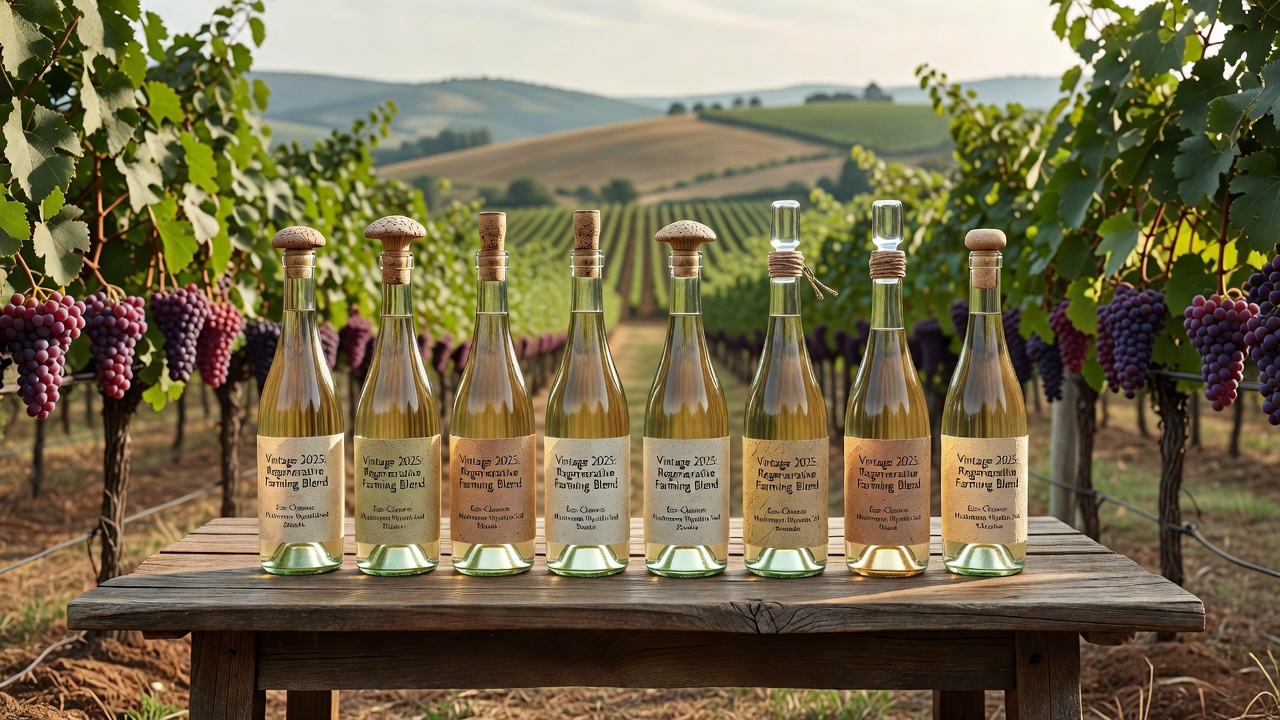
Research local alcohol regulations carefully before serving wines at any event. Consult resources like the TTB for federal guidelines on tastings, transport, and event hosting to avoid compliance issues. For sourcing, prioritize certified producers of organic and biodynamic wines through established distributors or direct vineyard relationships that emphasize transparency. Verify labels for sulfite levels and intervention practices to align with club values. Additional considerations include checking state-specific rules on private gatherings versus public events, obtaining any necessary insurance for liability, and understanding import regulations if expanding to international bottles. Partnering with licensed retailers can simplify compliance while supporting ethical supply chains.
Sample Meeting Formats and Practical Examples
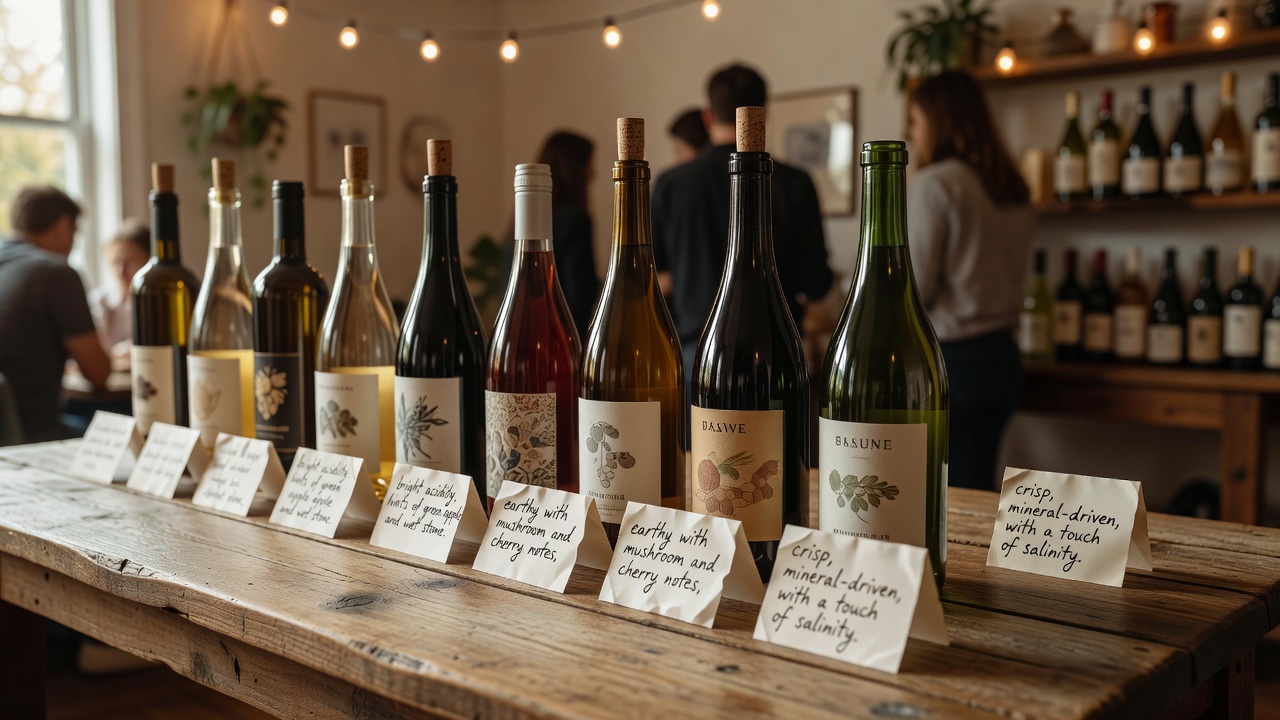
A typical format might begin with a welcome and brief history of the featured wines, followed by blind tasting rounds where members describe aromas and textures before revealing origins. For example, one session could explore three natural reds from different regions, prompting detailed notes on acidity, tannins, and earthiness. Another example involves pairing discussions where members suggest food matches based on flavor intensity, such as matching high-acid whites with seafood dishes. A third format could feature guest presentations from local winemakers sharing their philosophies on minimal intervention techniques.
Incorporating Comparisons Between Wine Styles
Enhance meetings by contrasting natural wines with conventional counterparts to highlight key differences in clarity, aroma persistence, mouthfeel, and aging potential. This approach helps members understand the impact of various production methods. Prepare comparison flights that include an organic example alongside a biodynamic one to illustrate varying approaches to minimal intervention, or pit a low-intervention orange wine against a traditional red for texture analysis. Document comparisons in shared group notes to build a reference library over time.
Real-World Case Examples
One successful club in Portland started with six friends and grew to 25 members within a year through consistent themed events and word-of-mouth referrals. Another group in Austin focused on biodynamic imports, partnering with importers for exclusive tastings that boosted retention and led to collaborative vineyard visits. A third example from Chicago demonstrates how incorporating virtual hybrid meetings during winter months helped maintain momentum and attracted remote participants from surrounding suburbs.
Tips for Sustaining Engagement Throughout the Year
Keep momentum with seasonal themes such as harvest celebrations or holiday low-intervention sparkling flights. Incorporate member spotlights where individuals share personal discoveries or travel stories related to wine regions. Invite occasional guest speakers like sommeliers or producers for fresh perspectives. Track feedback after each meeting through quick surveys to refine future plans. Encourage contributions like shared reading lists on winemaking techniques or collaborative playlists to maintain interest beyond tastings. Rotate responsibilities to prevent burnout and foster ownership among the group.
Frequently Asked Questions
- How do I handle legal permits for events? Begin with private home gatherings to minimize requirements, then consult local authorities or the TTB for scaling up.
- What if members have varying experience levels? Balance sessions with beginner-friendly explanations alongside advanced insights, and pair newer members with mentors for guided tastings.
- How to manage costs without specific fees? Rotate contribution of bottles among members or seek in-kind sponsorships from aligned local businesses like organic farms.
- Can clubs operate successfully year-round? Yes, with flexible scheduling around holidays, weather considerations, and virtual options during challenging periods.
- How to source reliable natural wines consistently? Build relationships with multiple distributors and verify certifications through official channels such as USDA resources on organic standards.
Conclusion
Starting a natural wine club in 2026 creates lasting connections, deepens appreciation for thoughtful winemaking, and supports sustainable agriculture. Follow these detailed steps to build a vibrant group that educates, inspires, and grows with its members over time.
No comments yet. Be the first!