 Uncorked Conversations
Introduction to Sustainable Packaging in Natural Wine
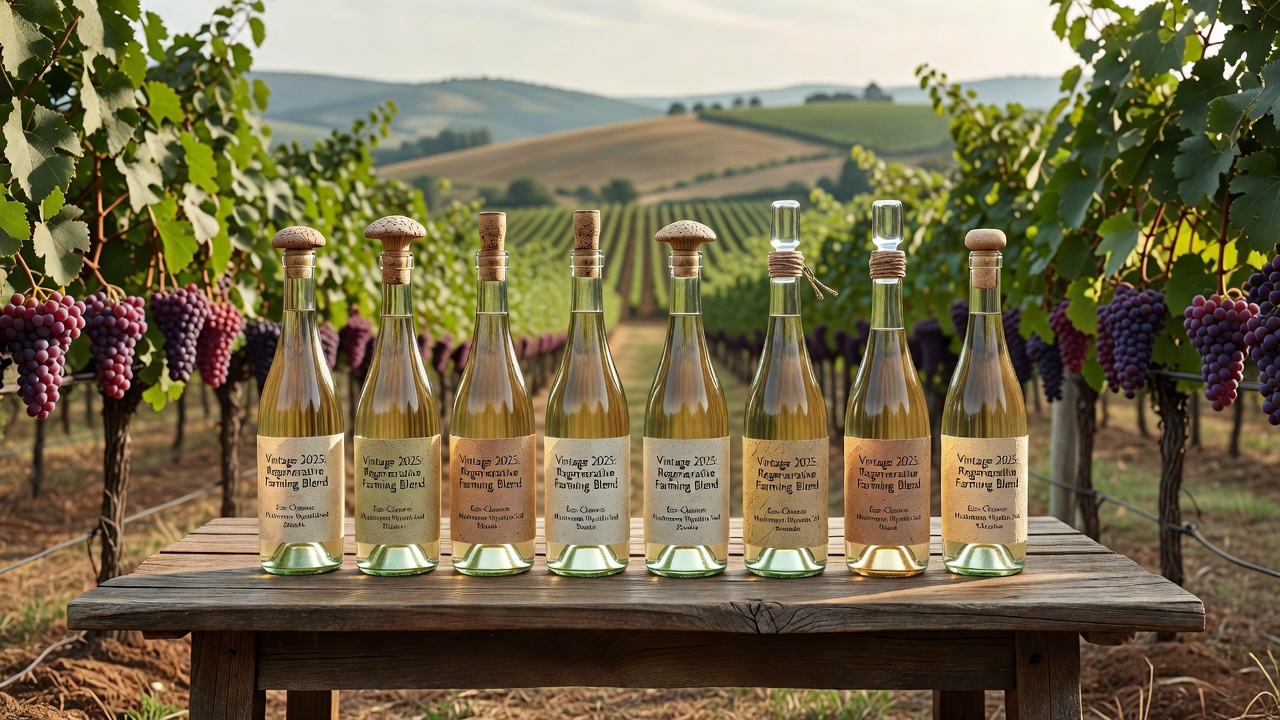
Natural wine producers have long prioritized minimal intervention in the vineyard, yet packaging decisions now represent an equally vital frontier for lowering overall environmental impact. In 2026, eco-conscious consumers actively seek options that extend sustainability beyond organic and biodynamic practices to encompass recycled materials, lighter formats, and advanced closures. This evolution responds to heightened awareness of how conventional heavy glass bottles generate substantial carbon emissions during manufacturing and global shipping. Forward-thinking wineries are embracing solutions that safeguard wine integrity while cutting waste, directly addressing buyer demand for low-intervention wines matched with responsible packaging choices.
Beyond the vineyard, packaging influences everything from transport logistics to end-of-life disposal. Consumers researching natural wines increasingly factor in these elements when making purchases, pushing producers to innovate rapidly.
The Environmental Impact of Traditional Packaging
Conventional glass bottles, while excellent at protecting wine, carry a heavy ecological toll. Production requires intensive energy for melting silica, and their weight inflates fuel consumption during distribution. For natural wines shipped internationally, this can account for a significant portion of total emissions. Recycled content in standard bottles often remains low, perpetuating reliance on virgin materials. By shifting to alternatives, producers reduce landfill contributions and support circular systems that reuse resources efficiently.
Studies from environmental agencies highlight how packaging optimization aligns with broader climate goals. The United Nations Environment Programme provides resources on sustainable materials that many wine regions now reference when redesigning supply chains.
Lightweight Glass Alternatives Gaining Momentum
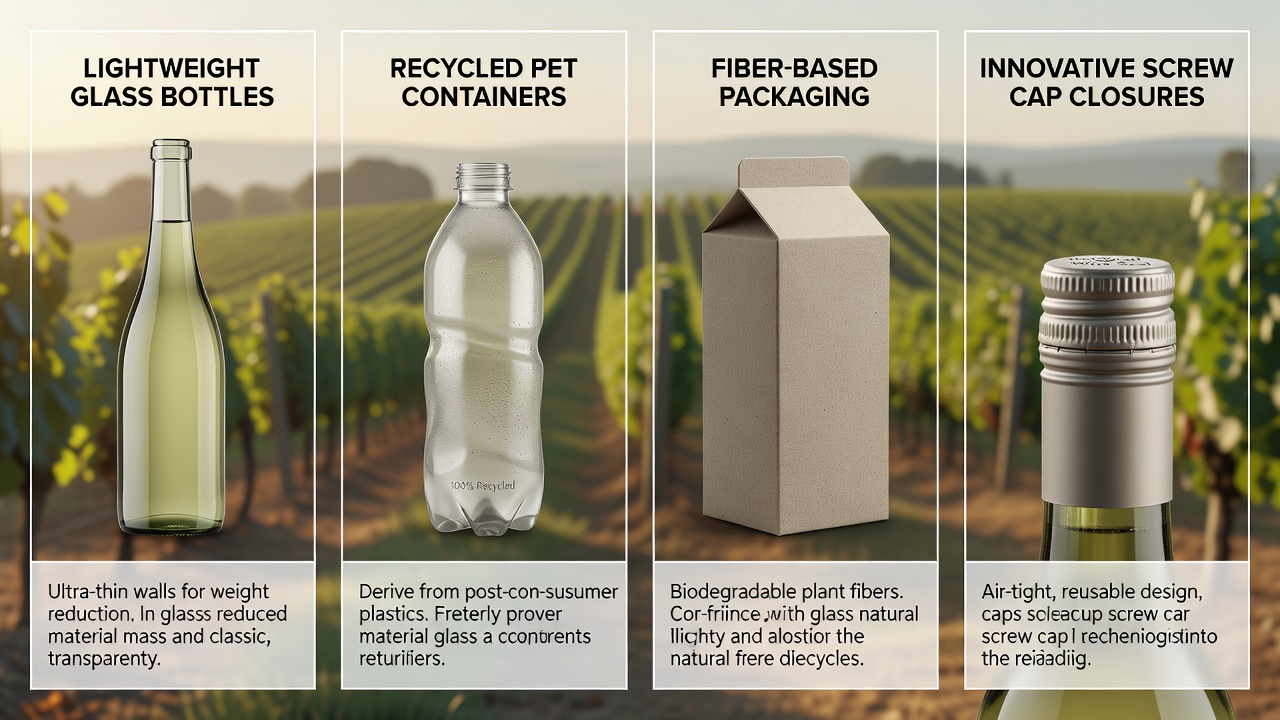
Lightweight glass remains a strong contender because it retains the inert barrier properties essential for preserving delicate natural wines. Manufacturers have refined formulations to maintain strength at reduced thicknesses, achieving meaningful weight reductions that lower shipping emissions. Many versions now incorporate high percentages of post-consumer recycled glass, supporting closed-loop recycling in key production areas like France and Italy.
Examples include Loire Valley estates trialing ultra-light bottles sourced locally to minimize transport distances. In California, biodynamic operations have tested fiber-reinforced lightweight options that shield against UV exposure, a critical factor for low-intervention wines sensitive to light. These adaptations demonstrate how traditional materials can evolve without sacrificing quality.
Recycled Materials and Circular Economy Approaches
Recycled paperboard, plant-based composites, and bio-derived plastics are reshaping secondary packaging such as cartons, labels, and seals. Producers favor FSC-certified paper sources to promote responsible forestry. Collaborative efforts among natural wine collectives allow shared sourcing of recycled materials, achieving scale that individual estates could not reach alone.
Compostable bio-plastics from agricultural byproducts now serve as inner liners and wraps, breaking down under industrial composting conditions to match zero-waste objectives common in organic and biodynamic communities. The EPA offers detailed guidance on advancing circular economy practices that inform these packaging decisions.
Innovative Closures Preserving Wine Integrity
Modern closures made from recycled polymers and technical cork blends are gaining favor for their ability to control oxygen transmission rates precisely. These options eliminate risks like cork taint while providing reliable seals for extended aging. Hybrid designs pairing natural cork with sustainable liners appear frequently on premium biodynamic bottles in 2026.
Step-by-step comparison of packaging types:
- Lightweight glass: Superior barrier against oxygen and light; moderate weight savings improve transport efficiency; fully recyclable in most municipal systems.
- Recycled PET: Extremely lightweight and impact-resistant; ideal for shorter consumption windows; demands access to specialized recycling streams.
- Fiber-based containers: Compostable under commercial conditions; effective for distribution but less suited to long-term cellaring.
- Recycled paperboard boxes with bag-in-box liners: Lowest transport footprint for larger volumes; convenient for consumers; supports reduced single-use plastic when liners are responsibly sourced.
These comparisons help producers and buyers match formats to specific wine styles and distribution needs.
Real-World Examples from Forward-Thinking Wineries
Willamette Valley estates in Oregon have implemented closed-loop recycled glass programs, partnering with regional processors to reuse materials from local bottling operations. Slovenian natural wine producers rely on lightweight glass exclusively for exports, noticeably trimming logistics-related emissions. In Australia, low-intervention collectives utilize reusable crate systems for domestic deliveries, slashing single-use packaging volumes substantially. Such initiatives illustrate scalable models that other regions can adapt.
Practical Consumer Tips for Choosing Low-Waste Options
Shoppers can evaluate options by examining labels for recycled content percentages and third-party certifications. Prioritizing bag-in-box or lightweight formats for regular consumption reduces cumulative impact. Supporting wineries that openly share packaging carbon data encourages transparency across the sector. Additional actions include participating in returnable container programs where available and favoring nearby producers to shorten supply routes. Verifying closure performance for intended storage durations ensures wine quality remains uncompromised.
Regulatory Landscape and Future Outlook for 2026
Emerging regulations in major wine markets emphasize extended producer responsibility, requiring companies to manage packaging waste throughout its lifecycle. This framework accelerates adoption of recyclable and compostable materials. Looking ahead, continued material science advances promise even lighter, stronger options tailored specifically to the oxidative sensitivities of natural wines. Collaboration between producers, suppliers, and certification bodies will be essential to standardize best practices.
The Food and Agriculture Organization of the United Nations tracks sustainable agriculture innovations that intersect with packaging developments in viticulture.
Conclusion
Packaging innovations in 2026 underscore that sustainability and wine quality can advance together. Producers and consumers who embrace these trends contribute to a more responsible and resilient natural wine industry.
FAQ
Are sustainable packaging options more expensive for natural wines in 2026?
Many producers offset initial investments through operational efficiencies, although availability depends on regional infrastructure and production volume.
How effective are these new closures at preserving wine quality?
Recycled-polymer and hybrid closures undergo rigorous testing and deliver performance comparable to traditional seals, maintaining stability for natural wines over appropriate aging periods.
Where can consumers find these low-waste packaging formats?
Specialty retailers, direct-to-consumer winery channels, and dedicated organic platforms are expanding inventory, with wider adoption expected as supply chains mature.

No comments yet. Be the first!