 Uncorked Conversations
Introduction to Natural Wine Investing in 2026
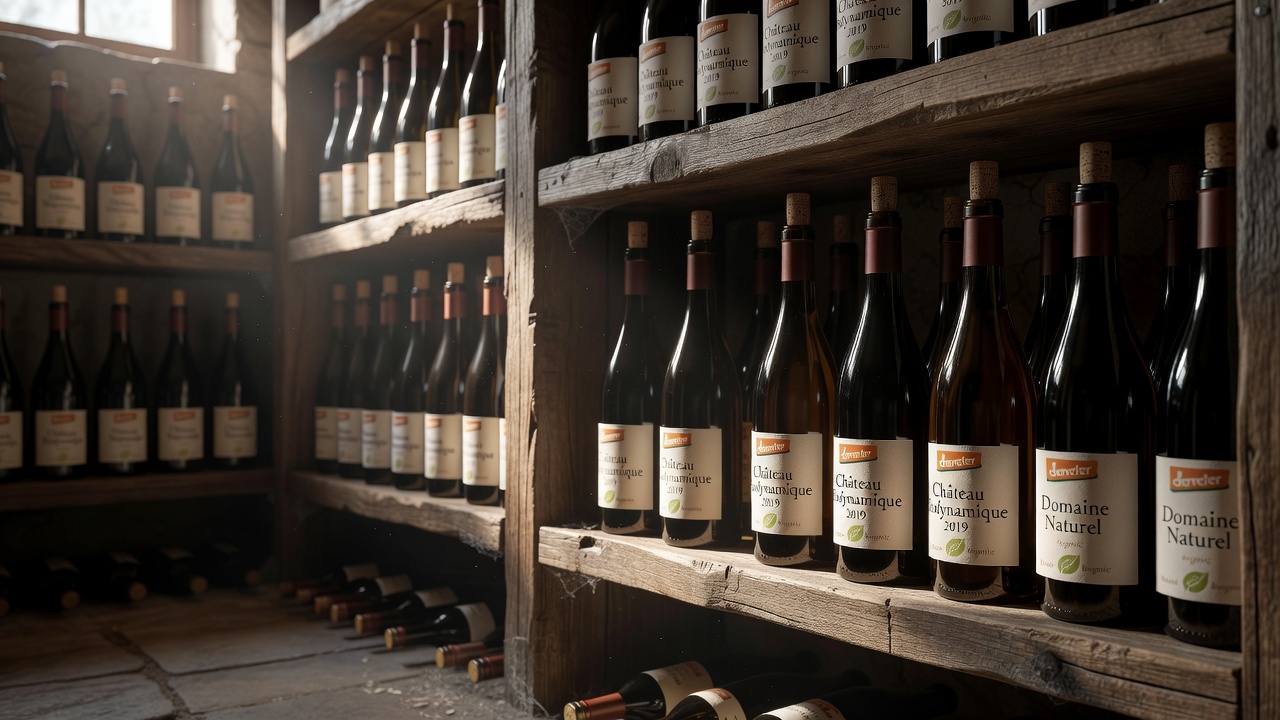
Natural wine investing has emerged as a compelling diversification strategy for collectors seeking alternatives to traditional stocks and fine wines. Focusing on organic, biodynamic, and low-intervention bottles offers both potential appreciation and alignment with sustainable values. This approach appeals to those who value transparency in production methods and minimal chemical inputs. As global interest in environmentally responsible products rises, natural wines occupy a unique niche that combines cultural appeal with investment upside. This guide explores market projections, risks, selection methods, and portfolio construction tailored for 2026, providing collectors and enthusiasts with actionable frameworks to navigate this evolving sector.
Market Growth Projections for 2026
The natural wine sector continues to expand as consumer demand for authenticity and transparency grows. Projections indicate sustained interest from both enthusiasts and institutional buyers, driven by climate-conscious preferences and limited production volumes. Regions producing small-batch wines often see stronger value retention due to scarcity. Industry observers note that the shift toward regenerative agriculture and reduced intervention practices supports long-term demand. Emerging markets in Asia and North America are contributing additional momentum, with collectors increasingly viewing these wines as both lifestyle assets and portfolio hedges. While traditional fine wine categories remain dominant, natural wine allocations are gaining recognition for their resilience during economic fluctuations.
Key Risk Factors in Natural Wine Investments
Investors must account for climate variability affecting harvests and authenticity challenges in verification. Temperature shifts and extreme weather can impact yields, while counterfeit risks require careful sourcing. Understanding these factors helps mitigate potential losses over time. Additional considerations include regulatory changes around organic certifications and evolving consumer tastes that may favor certain styles over others. Supply chain disruptions, such as those caused by global events, can also affect availability of specific vintages. To manage these risks effectively, investors should prioritize direct relationships with producers and rely on third-party verification services whenever possible. Diversification across multiple regions further reduces exposure to localized issues like drought or regulatory shifts in a single country.
Step-by-Step Evaluation Criteria for Selection
Follow these criteria when assessing bottles for investment potential:
- Verify producer credentials through certifications and direct visits or virtual tours.
- Assess vintage quality based on weather data and expert reports from multiple sources.
- Evaluate aging potential and storage requirements specific to low-sulfur wines.
- Review historical sales data from reputable auctions and secondary market platforms.
- Consider rarity and production limits that influence future scarcity.
- Analyze label information for clarity on farming practices and winemaking philosophy.
Applying this framework systematically improves selection outcomes and reduces the likelihood of acquiring bottles with limited upside.
Regional Performance Comparisons
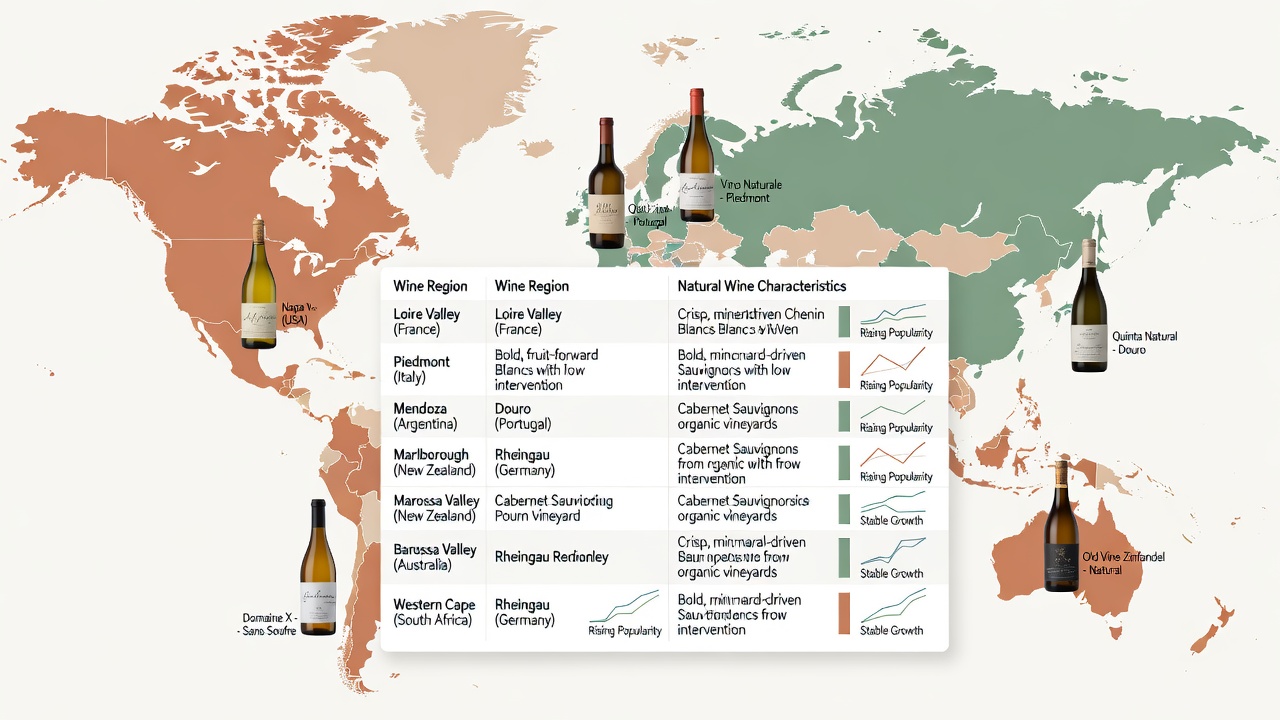
European regions like Loire Valley and Piedmont often outperform in consistency due to established natural wine traditions. New World areas such as Oregon and South Africa show emerging promise with innovative producers. Comparative analysis reveals that European bottles frequently command premiums in secondary markets because of heritage and recognition. In contrast, New World examples can deliver higher growth rates when from rising-star estates. Collectors should examine production volumes, export data, and critic scores across these areas to identify relative strengths. Factors such as soil types, grape varieties, and local regulations further differentiate performance between Old World and New World natural wines.
Examples of High-Performing Vintages
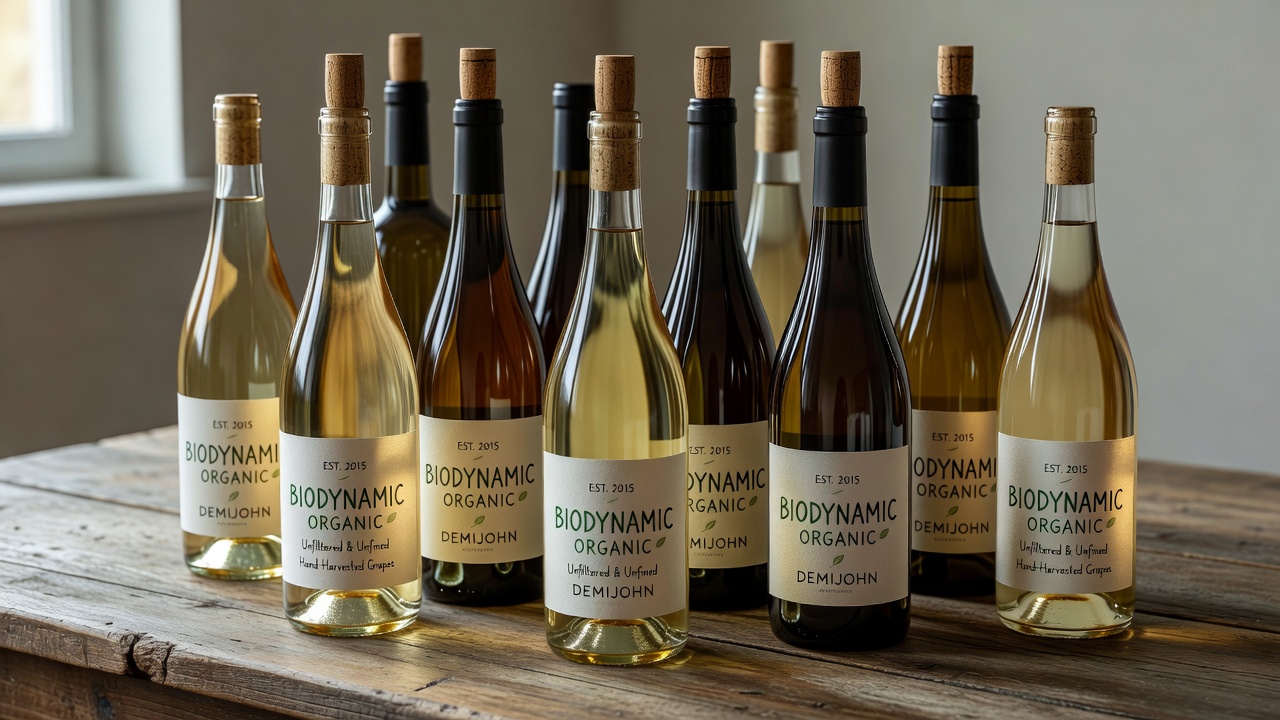
Vintages from 2018 and 2022 have demonstrated strong appreciation in select natural wine categories, particularly those from biodynamic estates. Collectors report notable gains in well-cellared examples from these years, highlighting the importance of timing acquisitions. Other standout years include 2015 and 2019 in certain European regions where balanced weather produced wines with excellent structure and longevity. Tracking these vintages involves monitoring auction results and producer allocations over multiple seasons. Investors who focus on limited-release bottles from these years often achieve better returns when reselling after proper cellaring periods.
Practical Tips for Building a Balanced Portfolio
Start with a core allocation to established producers before branching into emerging regions. Diversify across grape varieties and price points to balance risk and reward. Maintain detailed records of provenance and condition using digital inventory tools. Regular portfolio reviews ensure alignment with evolving market trends and personal investment goals. Consider allocating portions to both ready-to-drink and age-worthy bottles. Networking with other collectors through forums and events provides valuable insights into upcoming opportunities. Rebalancing the portfolio annually helps capture gains from outperforming assets while addressing underperformers.
Storage, Resale, and Tax Considerations
Professional storage remains essential for preserving natural wines due to their sensitivity to temperature and light. Investors should select facilities with precise climate control and insurance options. Resale platforms range from specialized auction houses to online marketplaces, each with distinct fee structures and buyer audiences. Tax considerations vary significantly by jurisdiction, often involving capital gains calculations on appreciated assets. Consulting tax professionals familiar with collectibles ensures compliance and optimal planning. Documentation of purchase prices, storage history, and sale proceeds supports accurate reporting.
Common Mistakes to Avoid
- Overlooking authenticity verification and purchasing from unverified sources.
- Neglecting proper storage conditions leading to premature degradation.
- Concentrating too heavily in one region or vintage without diversification.
- Ignoring ongoing market research and relying solely on initial purchase decisions.
- Failing to track regulatory changes affecting organic and biodynamic certifications.
Conclusion
Investing in natural wine for 2026 requires a thoughtful blend of market awareness, risk management, and disciplined selection processes. By applying the criteria and strategies outlined above, collectors can build portfolios that offer both financial potential and personal satisfaction. Continued education through resources like the International Organisation of Vine and Wine and the Wine & Spirit Education Trust supports informed decision-making in this dynamic field.
No comments yet. Be the first!