 Uncorked Conversations
Introduction to Natural Wine Labels
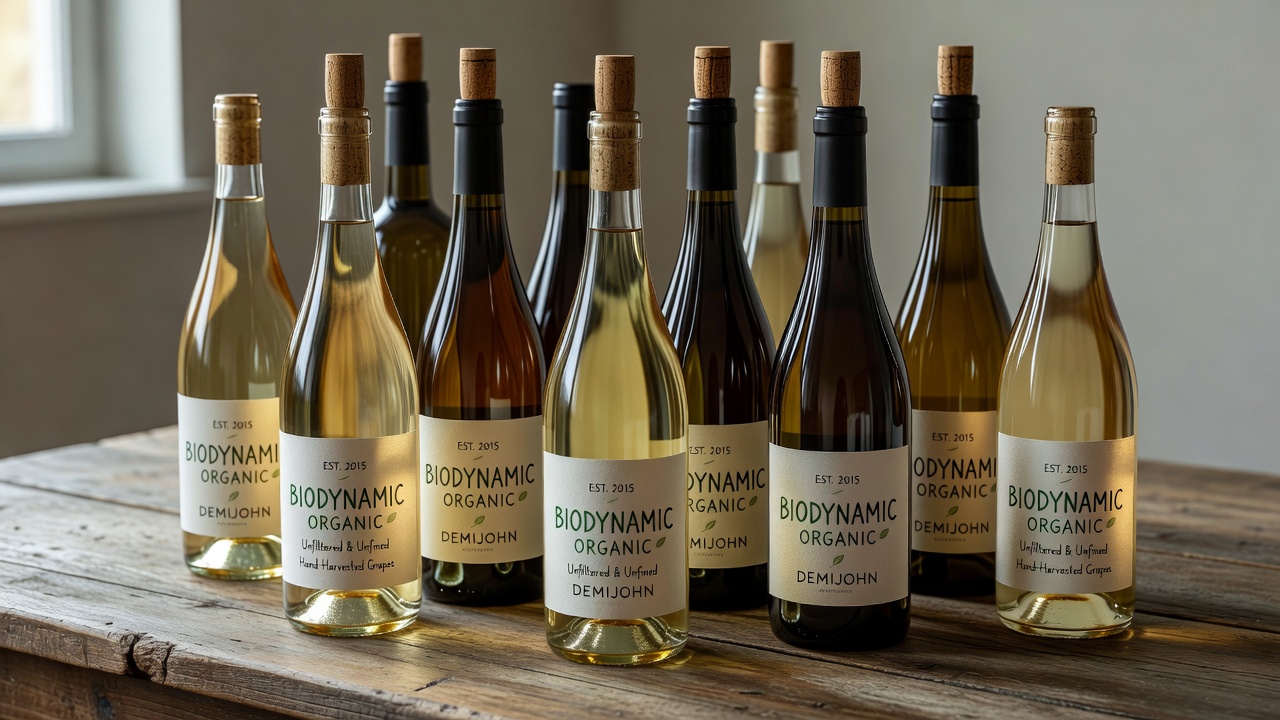
Natural wine has gained significant popularity as consumers seek authentic, minimally processed options. Understanding labels is essential for making informed choices in 2026, especially when distinguishing genuine low-intervention wines from marketing hype. This guide breaks down certifications, terminology, and practical analysis techniques to help beginners confidently select bottles that align with natural, organic, biodynamic, or low-intervention principles. Natural wines emphasize minimal intervention in both vineyard and cellar, often avoiding synthetic additives, commercial yeasts, and excessive filtration. Labels serve as the primary communication tool, yet they can be confusing due to varying international standards and voluntary claims. By the end of this article, readers will have actionable knowledge for label decoding across regions.
Understanding Key Certifications
Certifications provide reliable indicators of production methods. Look for official seals from recognized bodies. Organic certification from the USDA confirms no synthetic pesticides or fertilizers were used in the vineyard. Biodynamic wines often carry Demeter certification, emphasizing holistic farming practices aligned with lunar cycles and biodiversity. These seals appear on both front and back labels depending on regional rules. In Europe, the EU organic logo is mandatory for certified products and guarantees compliance with strict additive limits. Additional labels like those from VinNatur or the Raw Wine association signal adherence to natural winemaking standards, including native yeast fermentation and minimal additives. For example, a bottle from Italy might feature the VinNatur stamp alongside a handwritten-style label, while a French natural wine could display the "Agriculture Biologique" logo. Always verify the certifying body’s website for current criteria, as standards evolve. Cross-referencing multiple certifications strengthens confidence in a producer’s commitment.
Another important mark is the sulfite-related notation. Wines labeled "no added sulfites" must meet specific thresholds, though naturally occurring sulfites may still be present at low levels. Certifications help separate regulated claims from vague marketing language.
Key Phrases Indicating Minimal Intervention
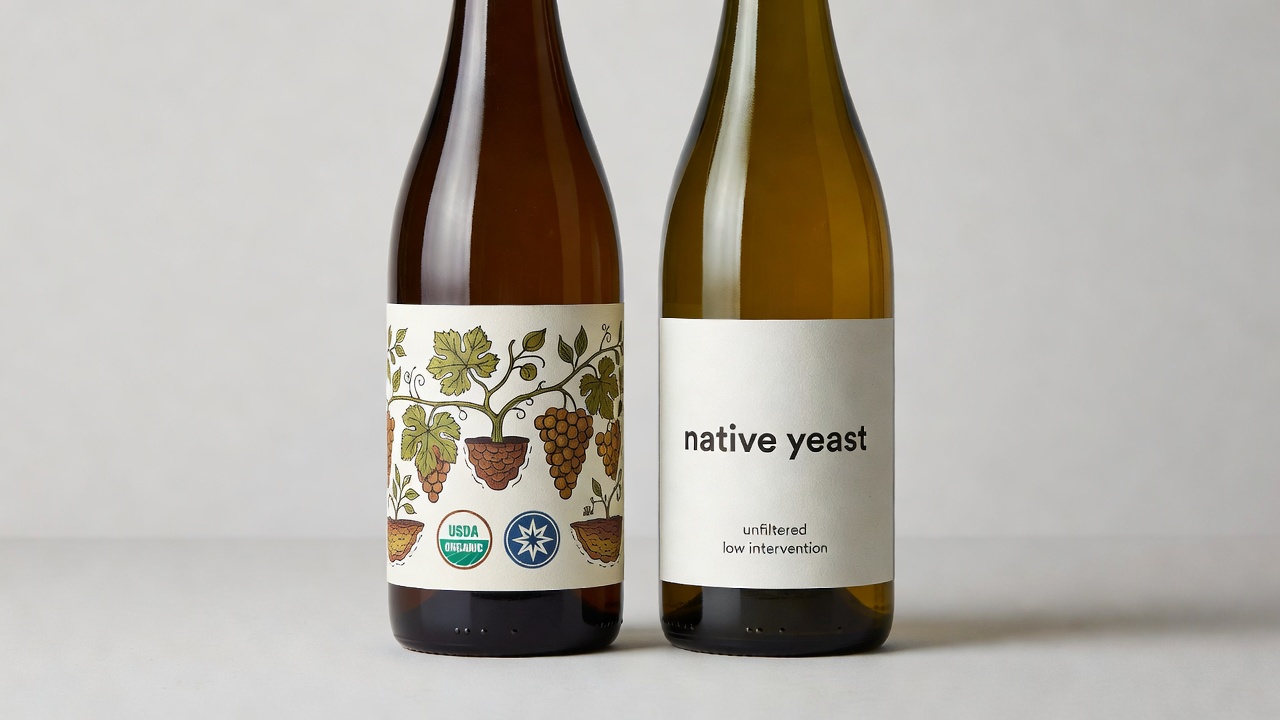
Beyond certifications, certain phrases reveal production styles. "Unfiltered," "unfined," and "no added sulfites" point to hands-off approaches. "Native yeast" or "wild fermentation" suggests reliance on natural processes rather than commercial yeasts. Other indicators include "whole cluster fermentation," "skin contact," and "zero zero" which denotes no added sulfites and no fining or filtration. Regional terms vary: French bottles may note "vin nature" or "vin méthode nature," while Italian labels reference "vino naturale" or "Pét-Nat" for pétillant naturel sparkling wines. Spanish producers sometimes use "vino natural" alongside references to ancestral methods. These phrases should be evaluated alongside the producer’s overall reputation and importer details listed on the label.
Step-by-Step Label Analysis with Real-World Examples
Start at the front label for producer name and vintage, then flip to the back for ingredients or certifications. For instance, a Loire Valley bottle might list "organic" alongside a Demeter logo, while a California natural wine could highlight "low-intervention" without formal seals but with importer information pointing to a trusted natural wine specialist. In practice, examine the alcohol percentage, which often stays lower in natural wines due to no chaptalization. Check for harvest dates or vineyard specifics. A real-world Burgundy example features a minimalist white label with only the domaine name, vintage, and "vin nature" text, omitting sulfite declarations entirely because none were added. Contrast this with an Oregon Pinot Noir that includes both USDA organic and Demeter biodynamic seals plus a QR code linking to full vineyard practices.
Another example comes from the Jura region in France, where producers like those using the "Ouvert" designation list no fining agents and native yeast only. Australian labels frequently print "sulfite-free" in bold while including the winery’s regenerative farming story. Always note the importer or distributor, as reputable importers such as those specializing in natural selections add credibility. This systematic review prevents falling for attractive designs that lack substance.
Spotting Authentic Producers vs. Marketing Claims
Authentic producers often provide transparency via websites or QR codes linking to vineyard details, soil reports, and even fermentation logs. Beware vague terms like "eco-friendly," "sustainable," or "green" without backing certifications or specific practices. Research importers known for curating genuine natural selections. Look for small production volumes mentioned indirectly through limited availability notes or hand-numbered bottles. Producers who list exact grape varieties, vineyard plots, and aging vessels demonstrate accountability. In contrast, large-scale brands may use natural-sounding imagery and words without restricting additives. Checking harvest and bottling dates on the capsule or cork can further verify freshness and minimal handling.
Label Style Comparisons Across Regions
European labels tend toward formal certifications, with French and Italian bottles often displaying multiple logos in a structured layout. New World examples may use creative artwork with subtle natural cues such as hand-drawn illustrations or recycled paper stock. Australian natural wines frequently emphasize "sulfite-free" prominently on colorful designs. In South Africa, labels might reference "old vines" and "no additives" alongside local biodiversity seals. Comparing these styles helps identify regional regulatory influences. For example, EU rules require more explicit additive disclosures than some U.S. voluntary practices, leading to denser text on European bottles versus cleaner American designs.
Practical Tips for Buying Natural Wines
When shopping, prioritize retailers specializing in natural selections and ask staff about importer reputation. Use apps or websites that catalog natural producers for quick verification. Store natural wines at consistent cool temperatures because they lack stabilizing additives. Taste multiple vintages from the same producer to understand consistency. These steps build long-term confidence in label interpretation.
Quick Reference Checklist
- Check for USDA, EU organic, or Demeter seals
- Scan for "native yeast," "unfiltered," or "no added sulfites" phrases
- Verify producer transparency through QR codes or importer details
- Cross-check regional regulations and vintage information
- Avoid unsubstantiated marketing terms without certifications
- Note production volume indicators and grape sourcing
FAQ: Common Misconceptions
Do natural wines contain sulfites? Many include naturally occurring sulfites from fermentation; the distinction lies in whether any were added during winemaking. "No added sulfites" labels clarify this point.
Are vintage years critical for natural wines? Yes, though natural wines can age differently due to minimal intervention and may develop unique tertiary aromas earlier than conventional wines.
Do regulations differ by region? Absolutely—EU standards impose stricter limits on additives and require certification logos, whereas U.S. rules allow more flexibility in voluntary claims.
Can natural wines be aged long-term? Certain examples from regions like the Loire or Piedmont age gracefully when stored properly, but many are best enjoyed within a few years of bottling.
How do I confirm a label’s authenticity? Cross-reference seals with official databases and research the producer’s history through trusted natural wine associations.
For deeper standards, consult USDA resources on organic wine production and AMS guidelines for certification details. Additional context on biodynamic practices is available via established agricultural networks.
Conclusion
Decoding labels empowers confident selections of natural wines. Apply these insights to explore authentic bottles from around the world and enjoy the diversity of low-intervention winemaking in 2026 and beyond.

No comments yet. Be the first!