 Uncorked Conversations
Why Minimal Processing Makes Natural Wines Shine
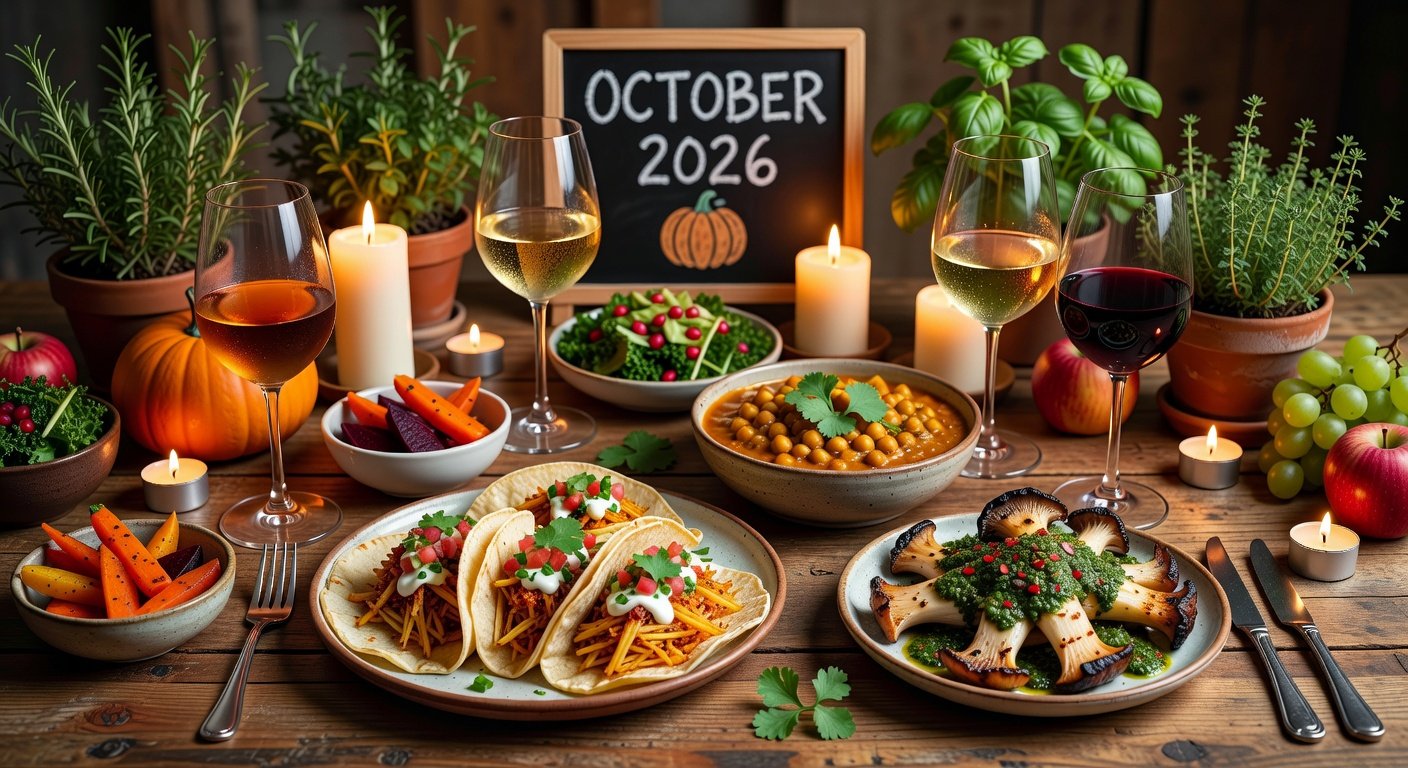
Natural, organic, biodynamic, and low-intervention wines are crafted with minimal additives, native yeasts, and hands-off winemaking. This approach preserves the wine's true terroir—its soil, climate, and vintage expression—resulting in vibrant acidity, pure fruit flavors, and complex textures that everyday conventional wines often lack. Without heavy filtration or sulfites, these wines pair beautifully with modern 2026 cuisines, which emphasize sustainability, bold flavors, and plant-forward innovation. The synergy? Minimal processing in both wine and food amplifies natural tastes, creating harmonious meals that feel alive and fresh.
In 2026, seasonal trends lean toward hyper-local, regenerative ingredients: think fermented veggies, heirloom grains, and exotic fusions like Korean-Mexican tacos or Indian-inspired jackfruit curries. These wines cut through richness without overpowering delicate notes, making them ideal for home sommeliers.
Understanding the Spectrum: Biodynamic to Low-Intervention
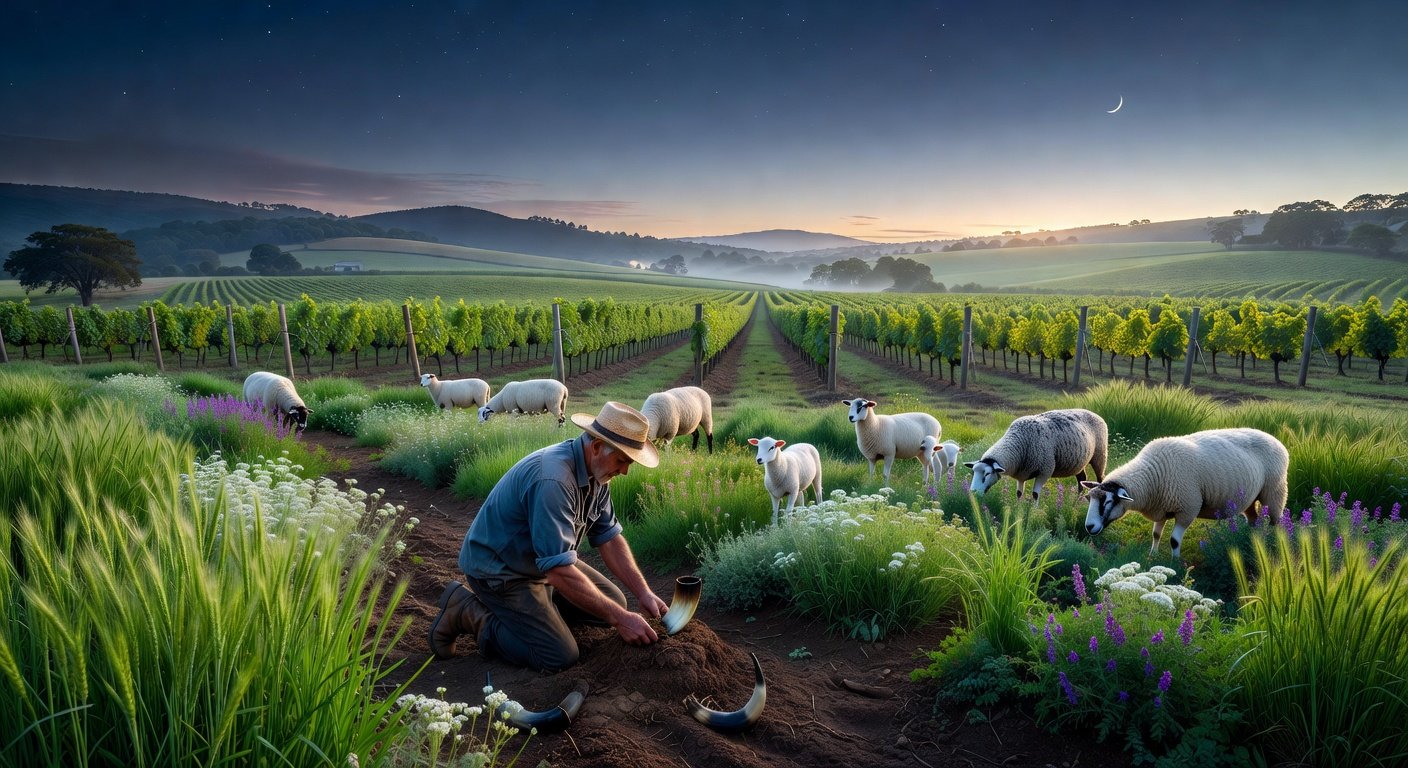
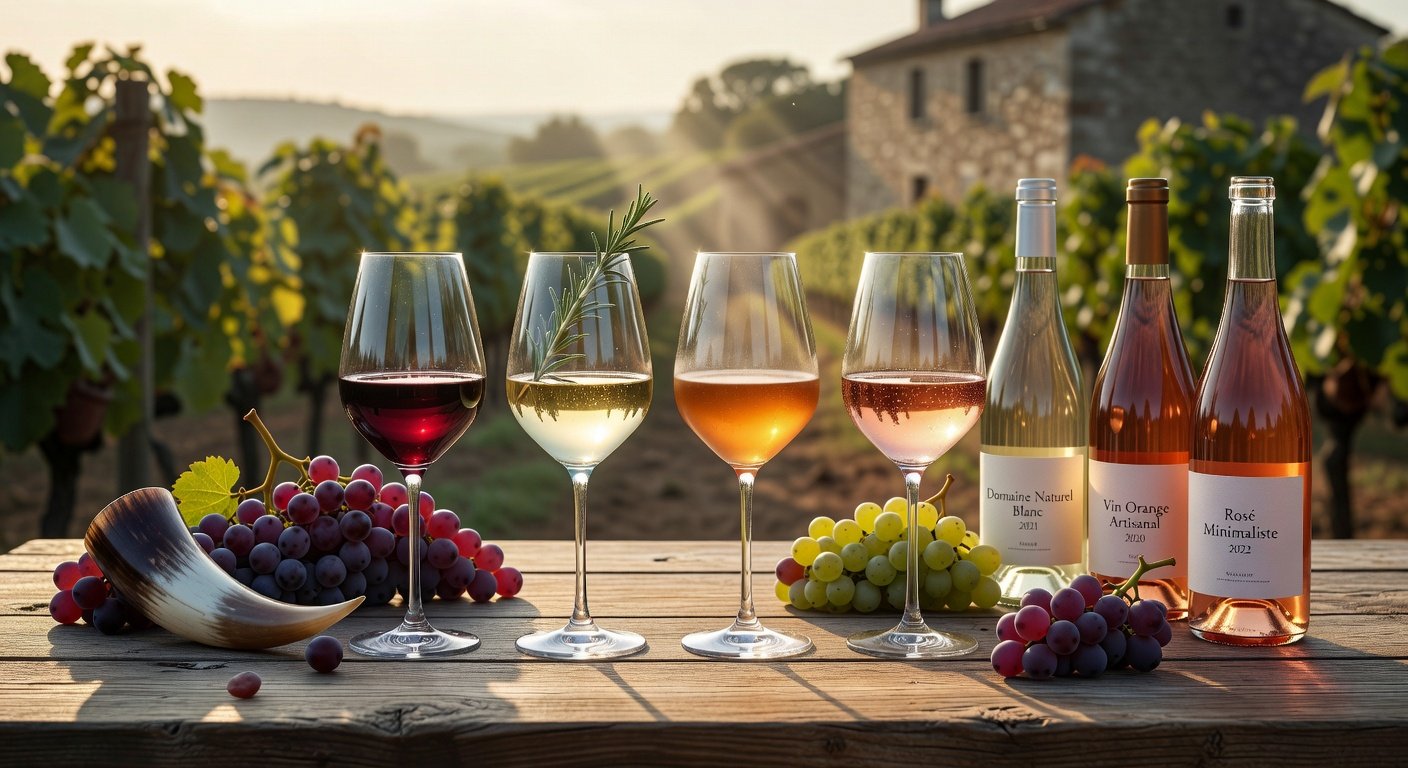
- Biodynamic: Farmed by lunar cycles for holistic vitality. Certified by Demeter.
- Organic: No synthetic pesticides; certified standards ensure purity.
- Natural: Zero additives, wild fermentation—pure expression.
- Low-Intervention: Light sulfites only, minimal manipulation.
These wines often show funky, cloudy hues and lively fizz, enhancing modern dishes' umami and earthiness.
Plant-Based Pairings: Fresh and Vibrant Matches
Plant-based cuisine dominates 2026 with creamy cashew cheeses, grilled oyster mushrooms, and lentil stews. Their earthy profiles crave wines with bright acidity and herbal notes.
Top Pick: Biodynamic Chenin Blanc from Loire Valley
Tasting Notes: Golden hue, quince and wet stone aromas, zesty lemon peel on the palate with a honeyed finish and subtle pét-nat fizz.
Why It Works: Minimal processing highlights the grape's minerality, cutting through plant fats like coconut milk while echoing herbal greens.
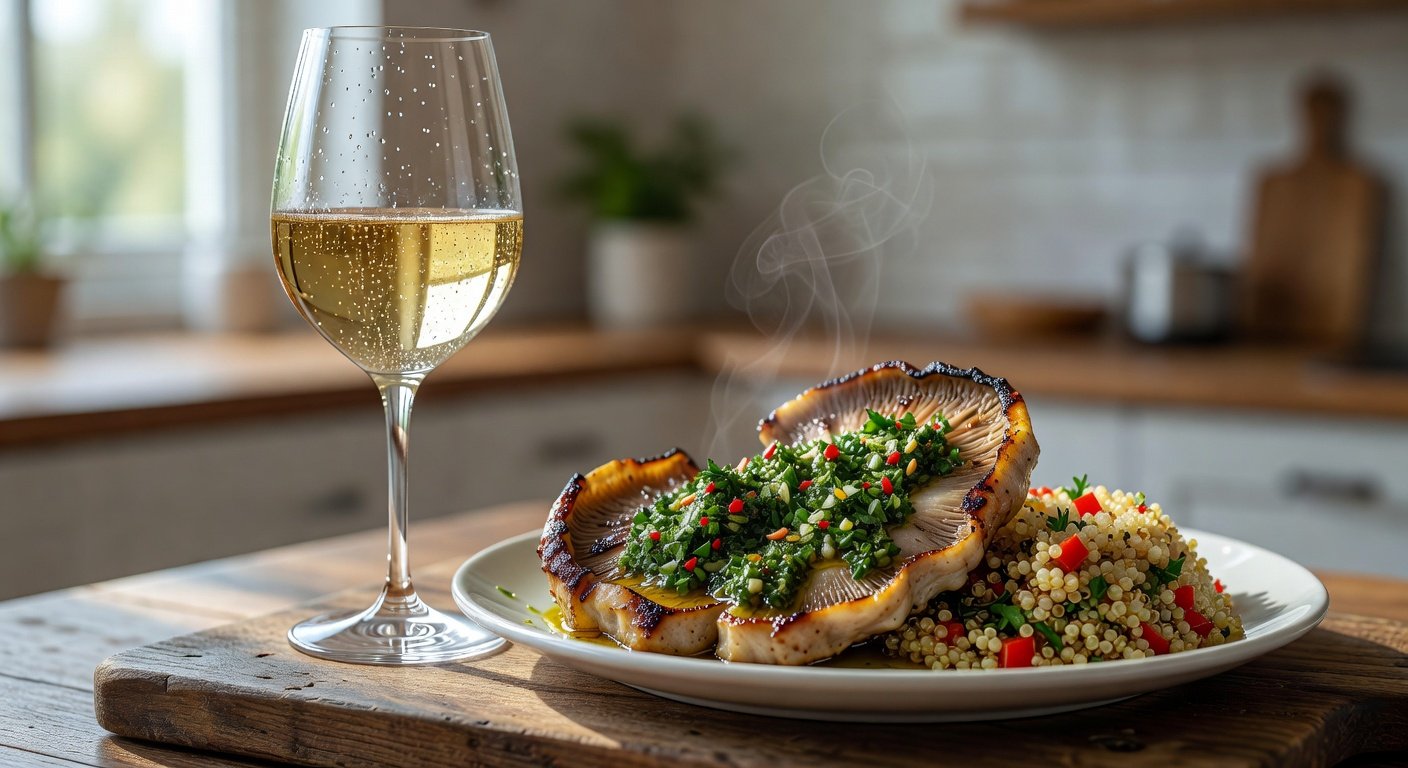
Easy Recipe: Grilled Oyster Mushroom 'Steak' with Chimichurri
- Marinate 4 large oyster mushrooms in olive oil, smoked paprika, garlic, and tamari (10 mins).
- Grill 5 mins per side until charred.
- Blend parsley, cilantro, garlic, red wine vinegar, chili, and olive oil for chimichurri. Serve mushrooms sliced with sauce and quinoa.
Pair with a bottle like Domaine de la Taille aux Loups Montlouis-sur-Loire (~$30). Elevates the smokiness perfectly.
Organic Tempranillo with Heirloom Bean Chili
Tasting Notes: Ruby red, black cherry and balsamic vibes, grippy tannins softened by low-intervention methods.
Recipe Snippet: Simmer black beans, tomatoes, cacao, and chipotle. Top with avocado crema.
Fusion Dishes: Bold Wines for Global Twists
2026 fusion trends mix Asian ferments with Latin spices or Middle Eastern spices with Italian pastas—complexity that low-intervention wines tame with their purity.
Natural Orange Wine with Korean BBQ Jackfruit Tacos
Tasting Notes: Amber glow, tea leaf and dried apricot nose, tannic grip with orange zest and saline finish.
Why It Pairs: Skin-contact maceration adds structure to match jackfruit's chew and gochujang heat.
Recipe: Shred jackfruit, toss in gochujang, sesame, garlic glaze. Stuff into corn tortillas with kimchi slaw and sesame seeds.
Try Radikon Jakon (~$40) from Friuli—its funk loves fermented cabbage. For more on skin-contact wines, check Wine Folly.
Low-Intervention Syrah with Indian-Mex Fusion Curry
Tasting Notes: Inky purple, black pepper, olive, and smoked meat whispers; juicy yet restrained.
Recipe: Coconut curry with chickpeas, paneer alternative, garam masala, and charred corn. Serve with naan.
Ripple Rhone (~$25) brings peppery synergy.
Seasonal Trends and Top Bottles for 2026
Spring: Crisp pét-nats with asparagus risottos. Summer: Rosés with watermelon salads. Fall: Gamays with mushroom ragùs. Winter: oxidative amaros with root veg stews.
Must-Have Bottles
- Entry-Level: Pierre Frick Alsace Riesling ($20)—floral, racy acidity for salads.
- Mid-Range: Clos Saron Homecoming Red ($35)—Sierra Foothills syrah blend, wild and spicy.
- Splurge: Forlorn Hope Que Sauvignon Blanc ($50)—New World natural icon, electric and tropical.
These selections, often found via Wine-Searcher, showcase how minimalism elevates everyday meals. Experiment at home: chill whites lightly, serve reds cool, and decant naturals early to mellow any volatility.
Tips for Home Sommeliers
Store in cool, dark spots; embrace sediment as flavor. Pair by texture—crisp wines for crunchy veggies, oxidative for creamy. Track your tastings in a journal to master these vibrant worlds.
With these pairings, transform 2026's innovative plates into sensory adventures. Your table awaits its natural wine revolution.
No comments yet. Be the first!