 Uncorked Conversations
Understanding the Spectrum of 'Natural' Wines
In the ever-evolving world of wine, terms like "natural," "organic," "biodynamic," and "low-intervention" are thrown around more than ever. But what do they really mean? These categories represent a shift toward sustainable, minimalist winemaking that prioritizes purity and terroir. Whether you're a curious beginner or a seasoned sipper, grasping these differences can elevate your choices and appreciation. This guide breaks it down by production philosophies, certifications, taste profiles, health benefits, and more—including a handy comparison chart.
These wines appeal to health-conscious consumers seeking fewer additives and a closer connection to nature. Sales of natural and organic wines have surged 20% annually, per industry reports, signaling a bright future.
Production Philosophies: From Farm to Bottle
Each approach stems from a unique philosophy:
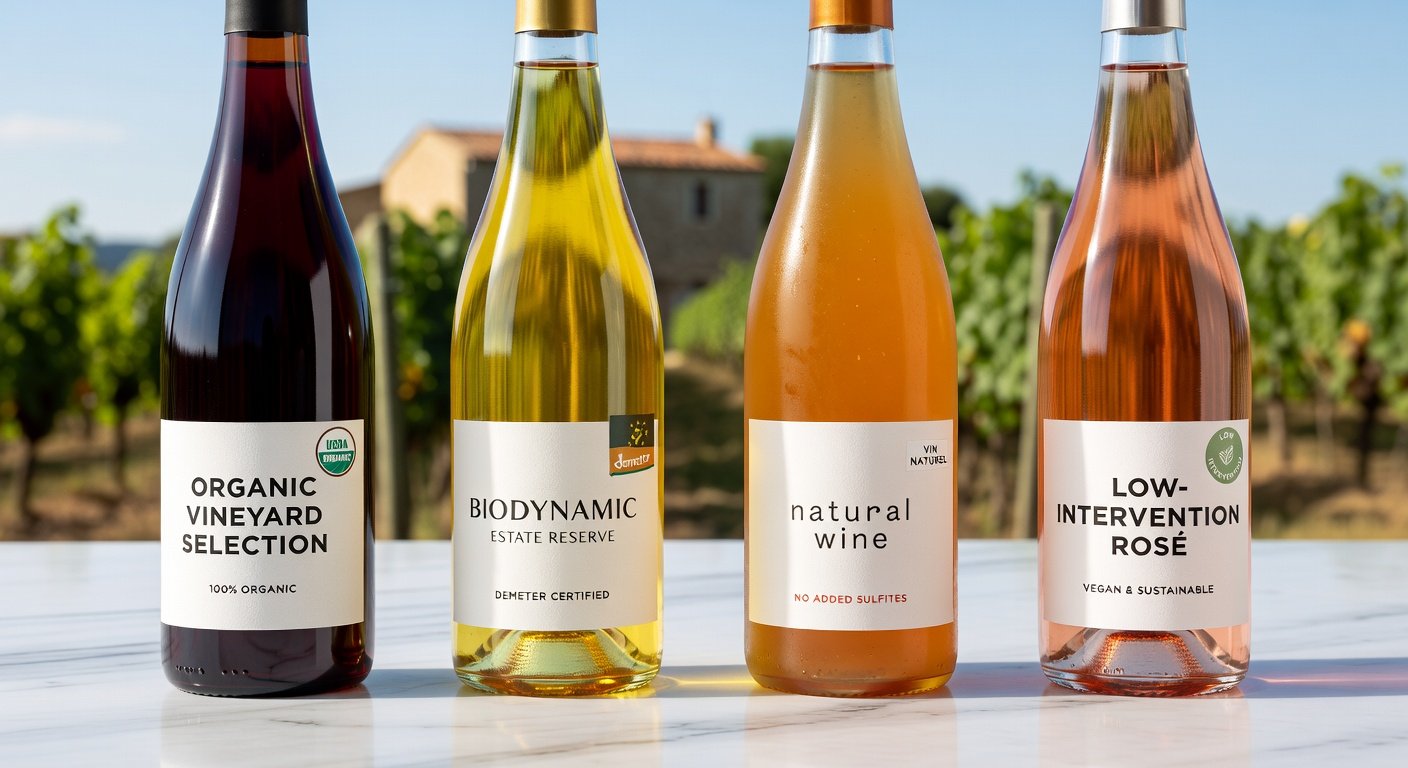
- Organic Wine: Focuses on avoiding synthetic pesticides, herbicides, and fertilizers in the vineyard. Grapes are grown without chemicals, but winemaking can involve additives like sulfites for stability.
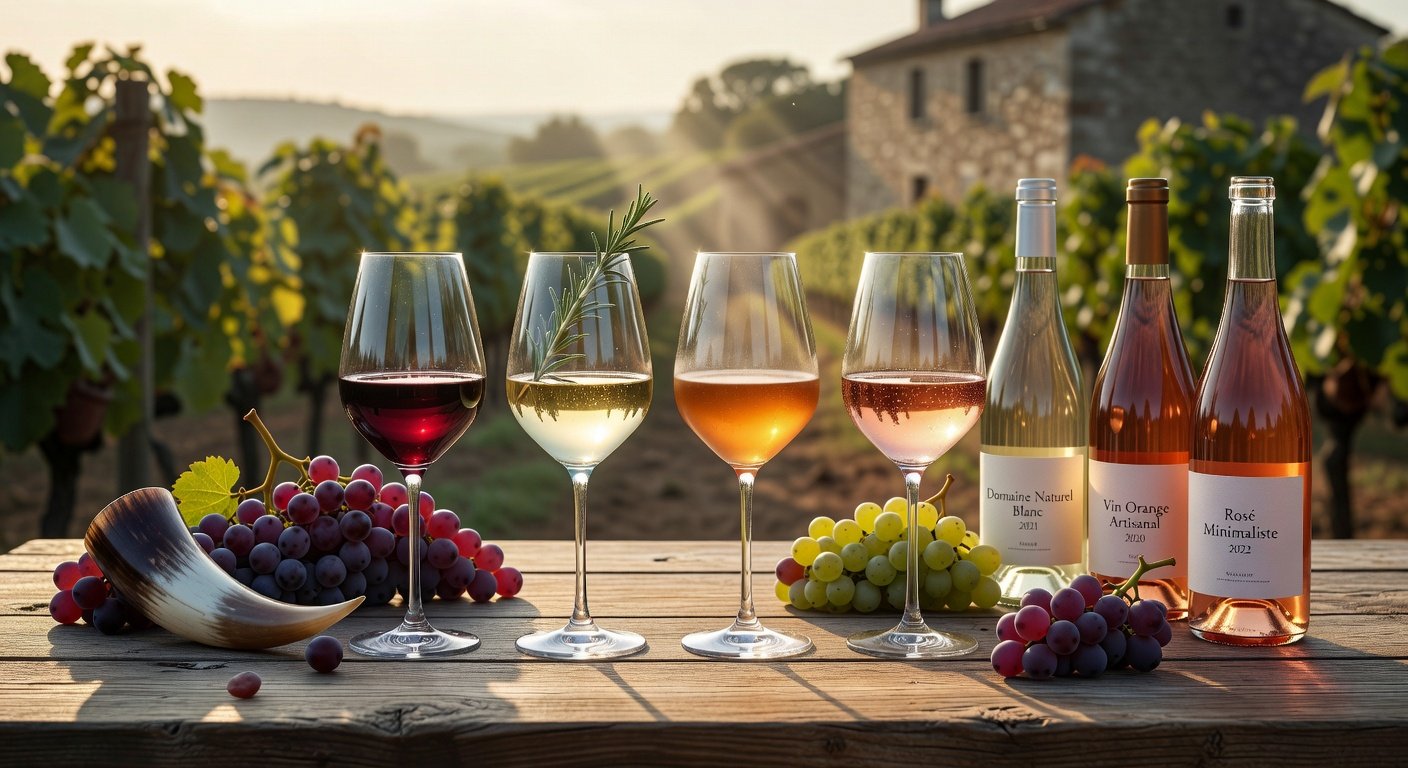
- Biodynamic Wine: Builds on organic principles but views the vineyard as a self-sustaining ecosystem. Inspired by Rudolf Steiner, it incorporates lunar cycles, herbal preparations, and holistic farming—like burying cow horns filled with manure to "energize" the soil.
- Natural Wine: The most hands-off. No or minimal added sulfites, indigenous yeasts only, and little to no filtration. It's about letting nature take the wheel from vine to bottle.
- Low-Intervention Wine: A broader umbrella term overlapping with natural. Emphasizes minimal manipulation—native ferments, gentle handling—but allows some sulfites if naturally occurring. It's pragmatic minimalism.
Organic and biodynamic start in the vineyard; natural and low-intervention extend that purity into the cellar.
Certifications: What Seals the Deal?
Certifications provide proof, but not all wines have them:
- Organic: USDA Organic seal in the US (USDA Organic) or EU Organic leaf means no prohibited synthetics. Converted vineyards must farm clean for 3 years.
- Biodynamic: Demeter certification (Demeter International) requires 100% estate farming, specific preparations, and cosmic calendar adherence.
- Natural: No universal certification—it's a philosophy. Look for "zero-zero" (no added sulfites) or groups like RAW Wine expo for vetting.
- Low-Intervention: Even looser; no standard cert. Producers self-identify, so trust labels and reviews.
Always check the fine print—"made with organic grapes" is less stringent than fully certified.
Taste Profiles: Funky, Fresh, or Familiar?
Expect variability—these wines showcase raw terroir:
- Organic: Clean, fruit-forward like conventional but with brighter acidity and earthiness. Less oak influence.
- Biodynamic: Vibrant energy, complex layers—think floral notes, mineral depth, and lively balance from holistic farming.
- Natural: Wild and woolly. Cloudy appearance, funky aromas (sour apples, barnyard), evolving flavors. Can be cloudy or fizzy.
- Low-Intervention: Balanced minimalism—pure fruit, subtle funk, elegant structure without excess.
Tastes range from "glou-glou" (gluggable, low-alcohol naturals) to profound, age-worthy bottles. Start with chilled lighter styles to ease in.
Health Benefits: Less is More?
These wines promise fewer interventions, potentially better for you:
- Lower sulfites reduce headache risks for sensitive folks.
- No synthetic chemicals mean cleaner grapes.
- Live microbes in unfiltered wines may support gut health (emerging research).
- Biodynamics promote nutrient-dense soils, possibly richer antioxidants.
However, natural wines can have higher volatile acidity or brettanomyces (barnyard yeast), which isn't for everyone. Moderation key—no wine is a superfood.
Comparison Chart: At a Glance
| Aspect | Organic | Biodynamic | Natural | Low-Intervention |
|---|---|---|---|---|
| Philosophy | No synthetics in vineyard | Ecosystem + cosmos | Minimal everything | Minimal cellar work |
| Certifications | USDA/EU Organic | Demeter | None standard | None standard |
| Sulfites | Allowed (added) | Minimal/low | None/natural only | Low/natural |
| Taste | Clean, fruity | Vibrant, complex | Funky, wild | Pure, balanced |
| Price | Moderate | Premium | Varies widely | Moderate-premium |
2026 Trends: The Rise Continues
By 2026, expect explosive growth: Natural wine market projected to hit $15B globally, driven by Gen Z and millennials prioritizing sustainability. Low-intervention will mainstream via canned and pet-nat formats. Watch producers like:
- Pierre Frick (Alsace biodynamic pioneer)
- Radikon (Friuli natural icon)
- Domaine Leroy (Burgundy biodynamic legend)
- California's Clos Saron (low-intervention cult fave)
Trends include hybrid certifications, carbon-neutral estates, and AI-tracked lunar farming.
Buying Tips for Beginners
- Start Small: Try orange wines or pét-nats under $30—approachable entry points.
- Shop Smart: Natural wine bars, RAW expo lists, or sites like Wine-Searcher. Avoid mass retailers for true artisanal.
- Read Labels: Seek "no added sulfites," vintage years, and importer notes (e.g., Jenny & François in NYC).
- Store Right: Refrigerate naturals; they evolve fast.
- Pair Simply: Charcuterie, cheeses, or Asian cuisine amplify their funk.
Dive in with an open mind—these wines tell stories of soil and soul. Your palate will thank you.

No comments yet. Be the first!