 Uncorked Conversations
What is Biodynamic Wine?
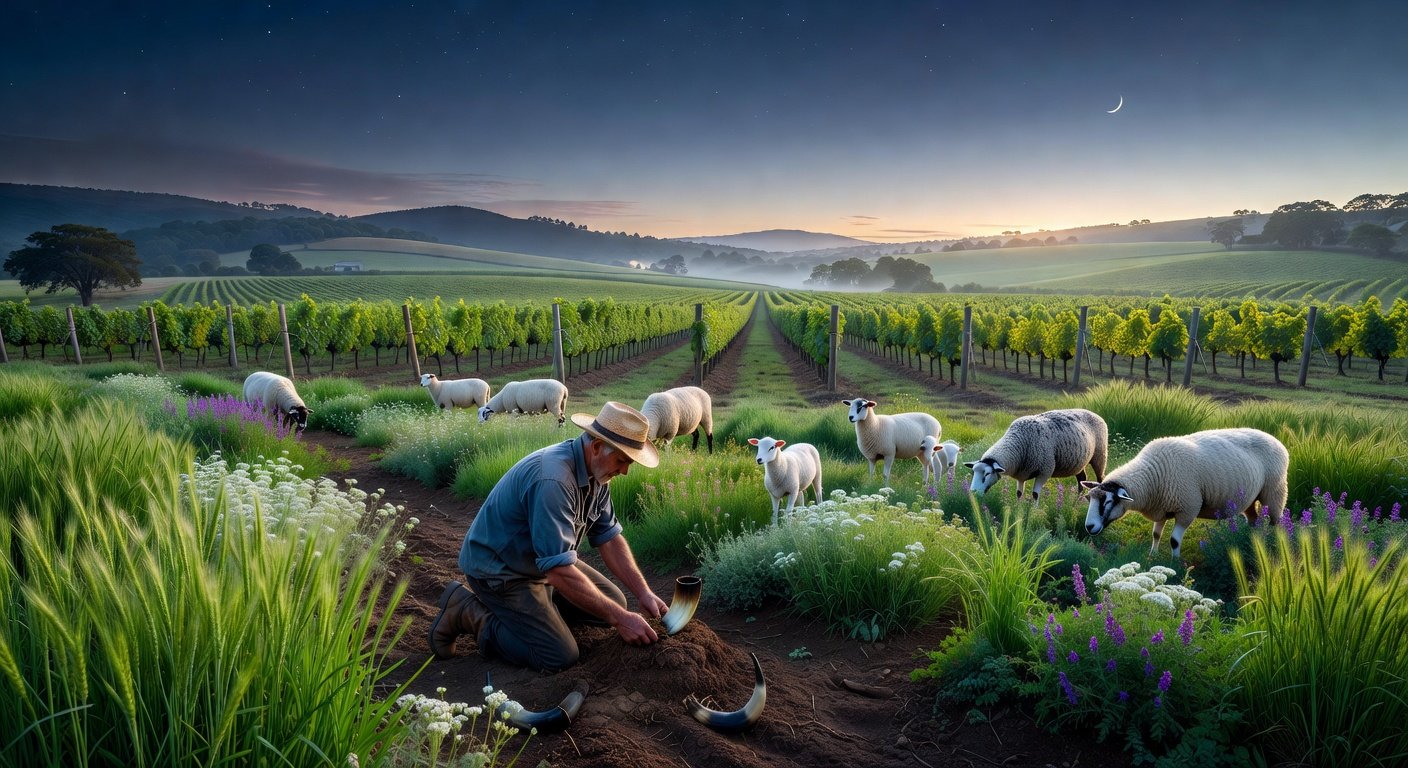
Biodynamic wine follows a holistic farming philosophy inspired by Rudolf Steiner's 1924 lectures. It treats the vineyard as a self-sustaining ecosystem, incorporating lunar cycles, cosmic rhythms, and specific preparations like cow horn manure (Preparation 500) buried during winter solstice. Certified by organizations like Demeter International, biodynamic practices go beyond organic by emphasizing spiritual and energetic aspects of agriculture.
In contrast, organic wine prohibits synthetic pesticides and fertilizers, focusing on soil health and biodiversity, as regulated by bodies like the USDA. Low-intervention wines minimize additives during winemaking, often overlapping with biodynamic but without the celestial calendar. Biodynamic wines must be both organically farmed and adhere to unique rituals, resulting in potentially more vibrant expressions.
Top 5 Common Myths About Biodynamic Wine Debunked
Misconceptions abound, often fueled by skepticism toward its anthroposophical roots. Let's debunk the top five.
Myth 1: Biodynamic Wine is Just Marketing Hype
Critics dismiss biodynamics as pseudoscience. Yet, studies show biodynamic vineyards boast higher microbial diversity and resilience to climate stress. A 2020 Rodale Institute trial found biodynamic plots yielding 20% more resilient soils than conventional ones. It's not hype—it's proven ecosystem management.
Myth 2: You Can't Taste the Difference
Blind tastings reveal biodynamic wines often exhibit brighter acidity, deeper fruit purity, and mineral complexity due to healthier vines. Unlike some organic wines that may taste "green," biodynamics harmonizes vigor with restraint, contrasting low-intervention's sometimes funky profiles from minimal sulfur.
Myth 3: It's the Same as Organic Wine
Organic bans chemicals but allows mechanized monocultures. Biodynamics mandates biodiversity (e.g., animals on-farm), compost teas, and cycle-based sowing. Low-intervention focuses on cellar practices, while biodynamics starts in the vineyard. Result? Biodynamic wines like those from Domaine Zind-Humbrecht show ethereal balance organic peers rarely match.
Myth 4: Those 'Preparations' Are Witchcraft
Horn manure and silica sprays sound mystical, but they act as microbial inoculants, enhancing soil humus. Science backs this: yarrow in bladder (Prep 502) concentrates potassium naturally. It's advanced composting, not spells—yielding wines with finesse over organic's robustness.
Myth 5: Biodynamic Wines Are Always Natural and Additive-Free
Not necessarily. Certification covers farming, not winemaking. Some biodynamic producers use cultured yeast or fining agents, unlike strict low-intervention minimalists. Always check labels for both Demeter and sulfite declarations.
2026 Advancements in Biodynamic Practices
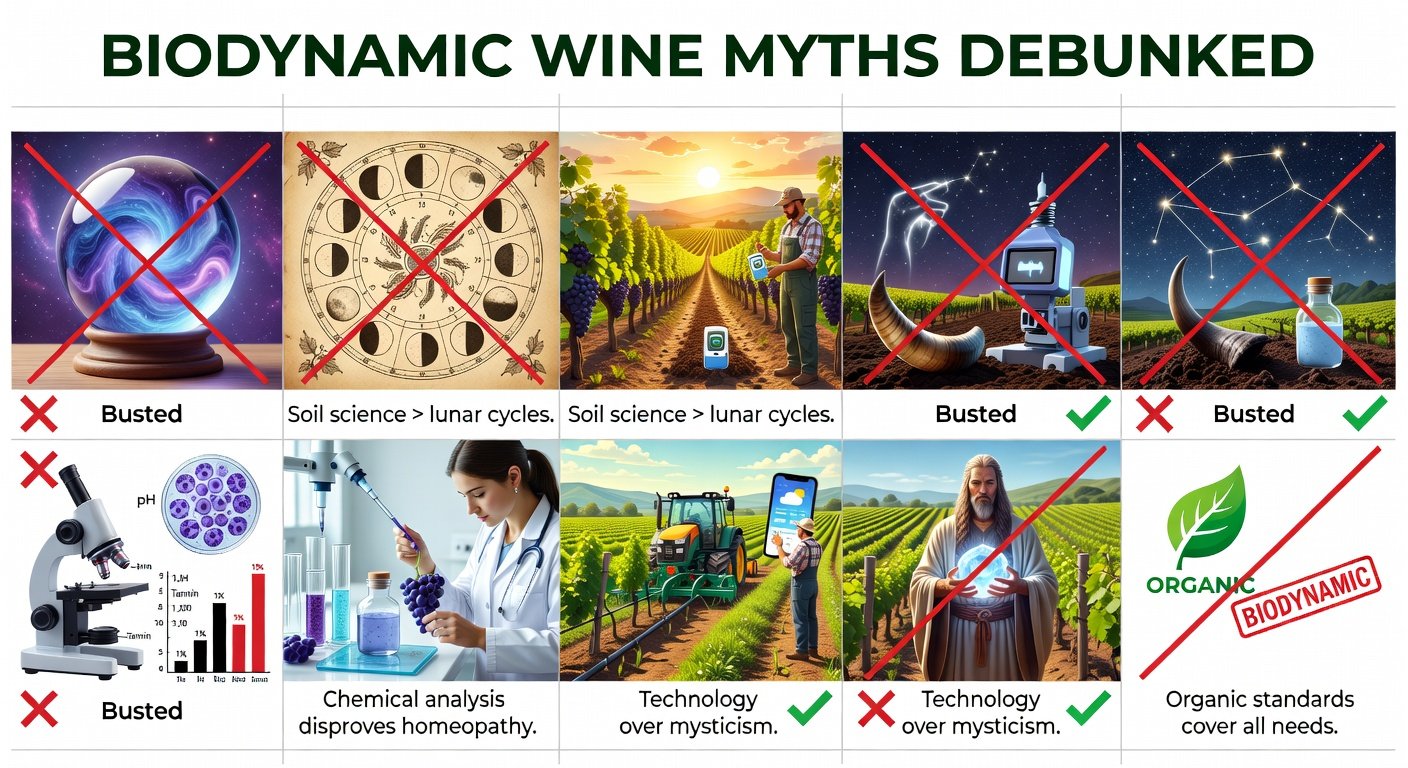
Looking ahead, 2026 promises breakthroughs blending tradition with tech. Demeter is piloting AI-driven lunar calendars for precise planting, optimizing cosmic influences with data analytics. Expect drone-dispersed preparations for scalability and blockchain-tracked certification for transparency.
Sustainability leaps include carbon-sequestering cover crops tailored to regional rhythms, reducing emissions by 30% per early trials. Flavor benefits? Enhanced phenolic ripeness from stress-reduced vines, delivering layered aromas—think violet and graphite in Pinot Noir.
Research from the University of Bordeaux integrates satellite imagery with biodynamic calendars, forecasting optimal harvest windows. By 2026, hybrid models could certify 20% more vineyards, making these wines more accessible without diluting ethos.
Benefits for Flavor and Sustainability
Biodynamics elevates flavor through vitality: vines draw nuanced minerals, yielding wines with electric freshness and age-worthiness. Sustainability-wise, closed-loop systems cut water use by 25% and boost pollinator habitats, outperforming organic monocultures.
Compared to low-intervention, biodynamics ensures consistency via rhythm-attuned farming, avoiding brettanomyces pitfalls. Long-term, it combats climate change—biodynamic estates like Nicolas Joly's Coulée de Serrant show vines thriving amid droughts.
Practical Advice: Identifying Authentic Biodynamic Wines
- Seek Certification: Look for Demeter, Biodynamic or Demeter logos on labels. International versions vary slightly by country.
- Check Producers: Trusted names include Maria Thun-inspired estates like Besselink Schmahl or Philippe Tessier. Apps like Vivino filter by certification.
- Read the Fine Print: Verify "biodynamic farming" plus low-intervention notes for purity.
- Buy from Specialists: Retailers like Kermit Lynch or natural wine shops stock verified bottles.
- Taste and Compare: Start with Riesling or Syrah—biodynamic versions shine in blind tastings.
Armed with this knowledge, enthusiasts can confidently explore biodynamic wines, savoring their soulful depth while supporting planetary health.

No comments yet. Be the first!