 Uncorked Conversations
Understanding Natural, Organic, Biodynamic, and Low-Intervention Wines
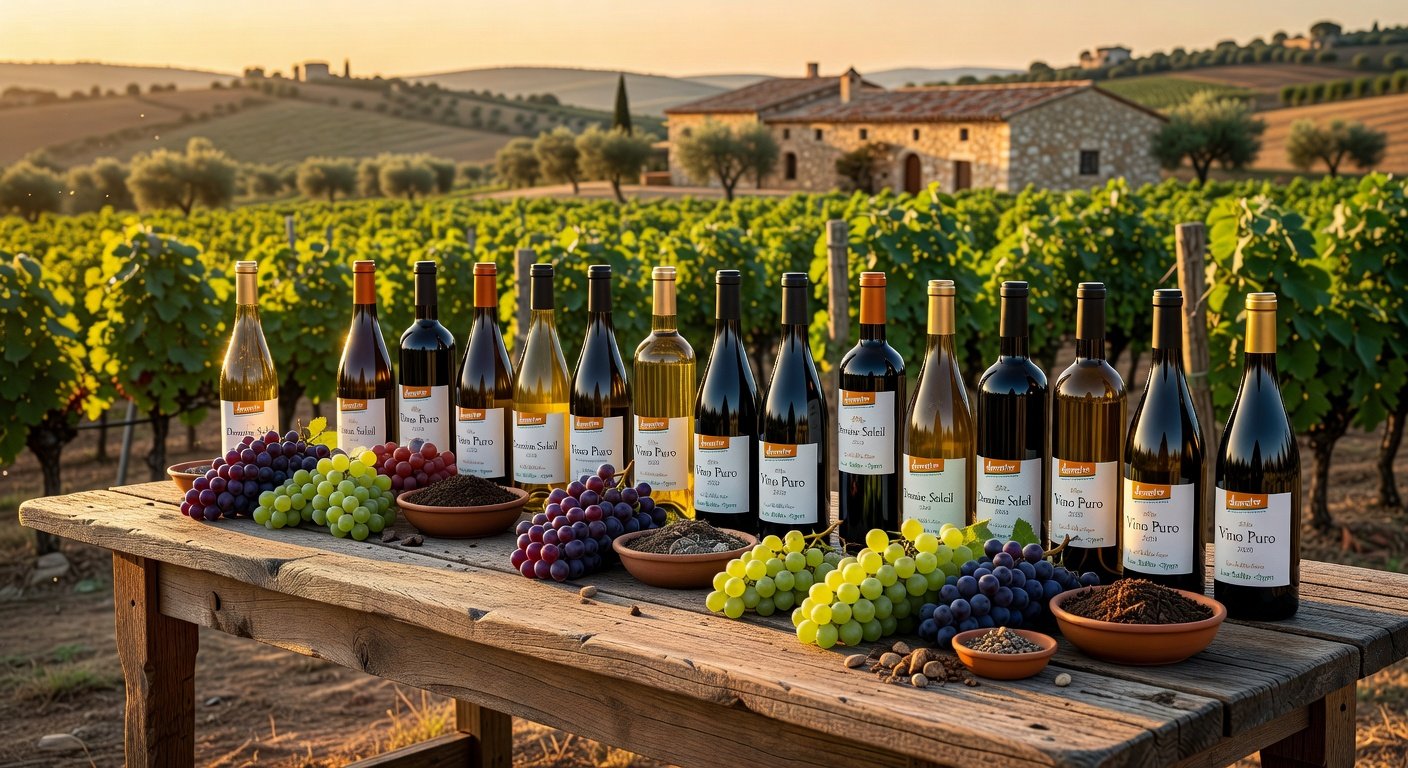
In 2026, the wine world continues its shift toward sustainability and purity. Natural wines are made with minimal additives, using native yeasts and little to no sulfites. Organic wines follow strict no-synthetic-pesticide rules, while biodynamic wines treat vineyards as living ecosystems, often certified by Demeter International. Low-intervention wines emphasize hands-off winemaking, preserving fruit's true expression. These styles appeal to health-conscious drinkers seeking authentic flavors without chemicals.
With rising demand, stores and online retailers stock more options, but not all claims are equal. This guide equips you to spot gems amid greenwashing.
Step-by-Step Guide to Selecting the Best Wines
Follow these steps whether shopping in-store or browsing sites like Vivino or winery direct in 2026.
- Scan for Certifications First
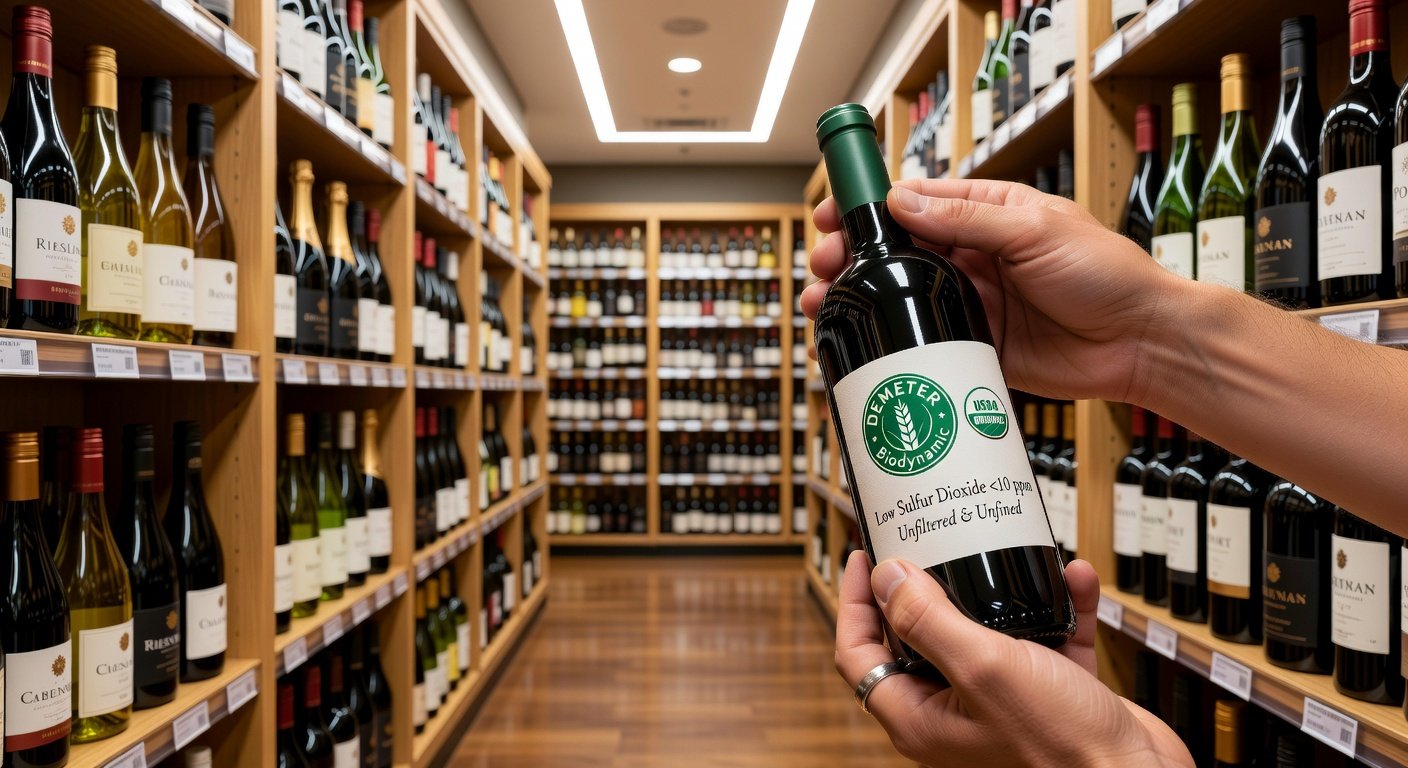
Look for seals on labels. USDA Organic (USDA standards) ensures no synthetic inputs. Demeter or Biodyvin certifies biodynamic practices, aligning farming with lunar cycles. EU Organic leaf logo works for imports. Avoid 'made with organic grapes'—it allows additives. - Check Sulfur Dioxide (SO2) Levels
Sulfites preserve wine but can cause headaches. Natural wines often list <10ppm total SO2; conventional exceed 150ppm. Labels may note 'no added sulfites' or 'low sulfites.' In 2026, apps like Vivino scan for SO2 data. Opt for <50ppm for low-intervention. - Read Producer and Vintage Details
Research minimal-intervention makers like those using foot-treading or amphorae. Check for 'unfiltered/unfined'—cloudy bottles signal purity. Vintage matters: recent years favor expressive fruit in natural styles. - Evaluate Bottle and Cork Quality
Heavy glass, natural corks, or crown caps indicate artisanal care. Wax seals or unique shapes often denote small producers. - Test at Purchase if Possible
In stores with tasting bars, swirl for clarity (slight haze OK), sniff for pure fruit over funk, sip for balance. Natural wines may evolve in glass—funky notes often fade to brilliance. Online? Buy samples or check reviews from raw-wine sites.
Common Pitfalls and How to Avoid Them
- Greenwashing Labels: Terms like 'sustainable' lack regulation. Stick to certified badges.
- Faulty 'Natural' Wines: Mousey or volatile acidity from poor hygiene. Reputable producers mitigate this.
- Overpriced Hype: Skin-contact 'orange' wines aren't always superior. Taste before buying big.
- Storage Issues: Natural wines are fragile—avoid heat-exposed shelves. Online, choose insulated shipping.
- Ignoring Regions: Loire Valley, Beaujolais, and Friuli excel in low-intervention; emerging spots like Australia's Adelaide Hills innovate.
Top Picks from Innovative Producers in 2026
Highlighting forward-thinkers using minimal techniques:
- Pierre Frick (Alsace, France): Biodynamic Rieslings with zero SO2. Crisp, age-worthy whites.
- Clos Saron (Sierra Foothills, USA): Homeopathic biodynamic Syrah—intense, wild reds.
- Radikon (Friuli-Venezia Giulia, Italy): Skin-contact Ribolla Gialla in amphorae. Nutty, textured.
- Flow (Australia): Zero-zero Pinos with native ferments. Vibrant, fruit-forward.
- Domaine de Belliviere (Loire, France): Chenin Blancs with lunar harvesting. Ethereal elegance.
These embody 2026's trends: carbon-neutral estates and regenerative farming. Check Biodynamic Association resources for more.
Tasting Tests to Confirm Quality at Home
Post-purchase, verify your picks:
- Chill whites/rosés to 10-12°C; reds to 14-16°C.
- Decant naturals 30-60 mins to settle sediments.
- Assess aromas: Expect orchard fruits, earth, herbs—not artificial oak.
- Taste for vibrancy: High acidity, fine tannins, clean finish.
- Pair simply: Natural wines shine with fresh foods, avoiding heavy sauces.
Store upright in cool, dark spots; consume within 1-3 years for most.
Why Choose These Wines in 2026?
Beyond purity, they support biodiversity and small farms. As climate challenges intensify, biodynamic methods prove resilient. Your savvy choices drive the movement forward. Happy hunting—cheers to authentic sips!

No comments yet. Be the first!