 Uncorked Conversations
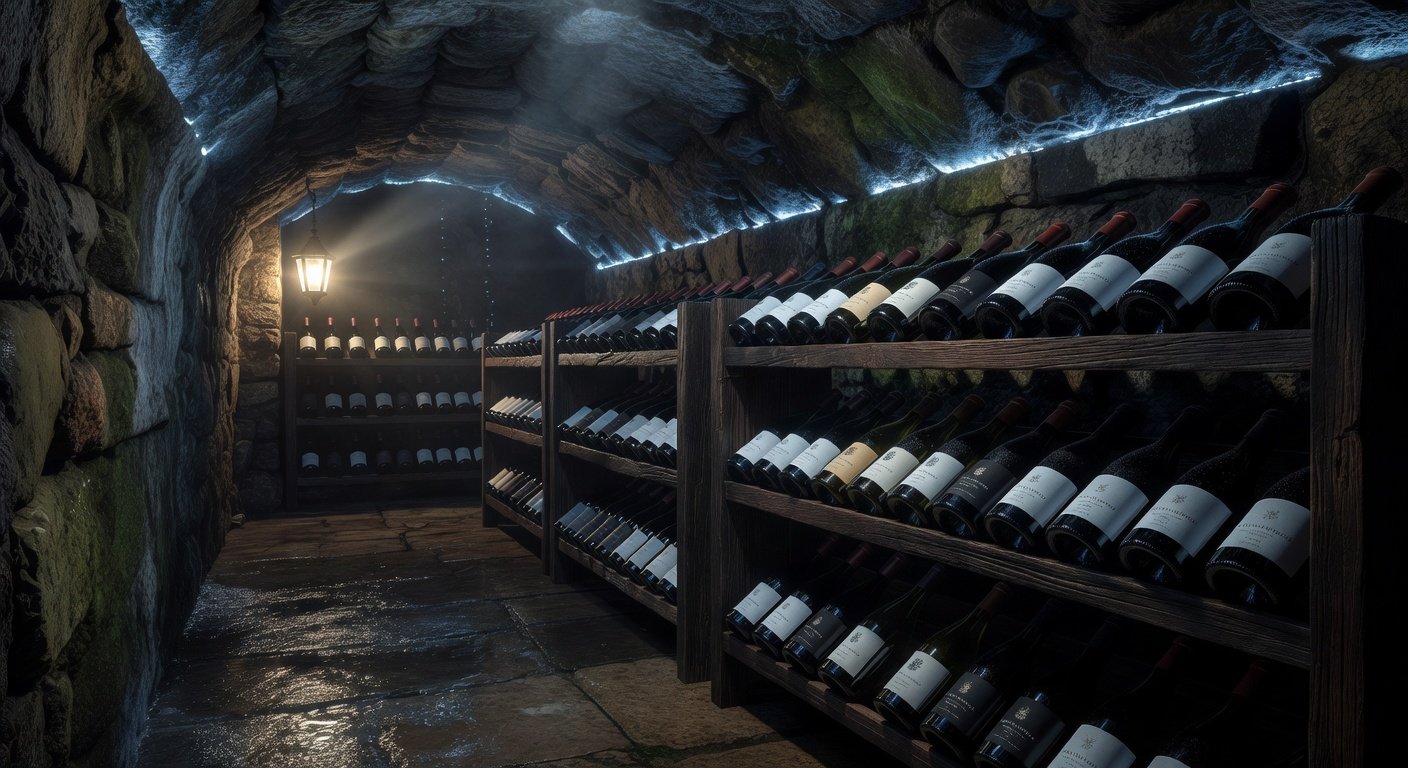
Why Natural Wines Demand Special Storage Care
Natural, organic, biodynamic, and low-intervention wines are crafted with minimal additives, relying on the purity of grapes and natural fermentation processes. Without preservatives like sulfites, these wines are more vulnerable to oxidation, light exposure, and temperature swings. Proper storage is crucial to maintain their vibrant flavors, aromas, and textures over time.
Unlike conventional wines, natural varieties can develop off-flavors or spoil faster if mishandled. Enthusiasts storing these gems at home need to prioritize stability to unlock their full potential, especially for long-term aging.
Ideal Storage Conditions for Natural Wines
The gold standard for storing any fine wine, particularly delicate natural ones, revolves around consistent, cellar-like conditions:
- Temperature: Maintain 12-14°C (55-57°F). Fluctuations above 18°C accelerate aging and risk spoilage; below 10°C, corks can dry out.
- Humidity: 70% relative humidity prevents cork shrinkage, ensuring a tight seal against oxygen.
- Light: Total darkness or very low UV light. UV rays trigger chemical reactions, turning whites hazy and reds brownish.
- Vibration: Minimize to avoid disturbing sediments and accelerating maturation.
- Position: Store bottles horizontally to keep corks moist.
For more expert advice on wine storage fundamentals, check out resources from Wine Spectator.
Essential Equipment for Home Storage
Investing in the right tools transforms your space into a natural wine sanctuary:
- Humidity-Controlled Wine Cellars or Fridges: Dual-zone units like those from EuroCave or VacuVin offer precise temp and humidity control. Look for models with vibration-dampening tech.
- Wine Racks: Modular wooden or metal racks designed for horizontal storage. Avoid wire racks that pinch corks.
- Humidity Trays: Fill with water and pumice stones in basic cabinets to boost moisture.
- Dark Closets or Cabinets: Line with blackout materials if building a DIY setup.
- Digital Thermometers/Hygrometers: Battery-powered monitors with alerts for deviations.
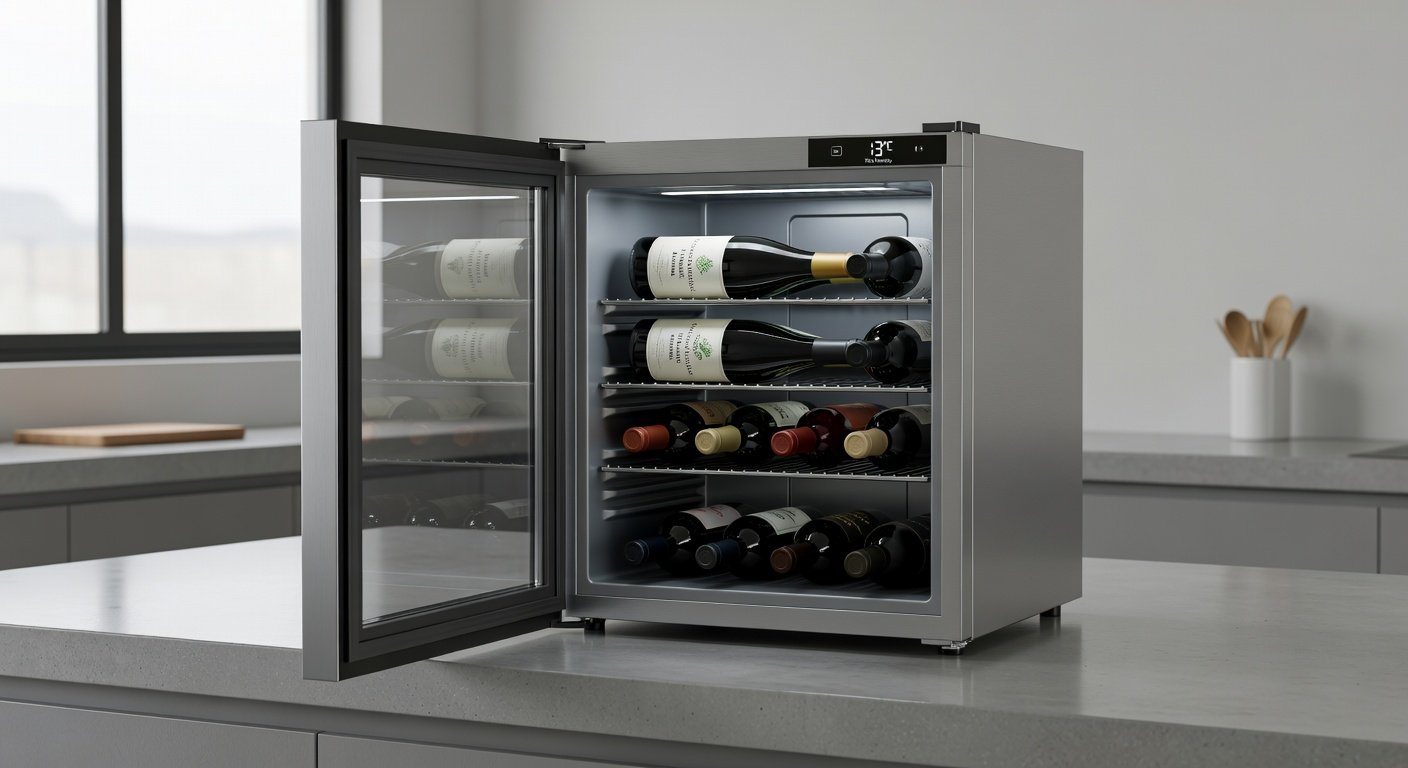
Affordable options under $500, such as compact fridges from NewAir, make professional storage accessible for enthusiasts.
Common Mistakes to Avoid
Even seasoned collectors slip up. Steer clear of these pitfalls:
- Storing near heat sources like kitchens or radiators—temps spike unpredictably.
- Exposing to sunlight through windows; even brief light can degrade delicate biodynamic wines.
- Using the fridge door for short-term storage—too cold and dry, plus constant opening causes swings.
- Overcrowding racks, leading to vibration and poor airflow.
- Ignoring humidity; dry corks allow oxygen ingress, fostering vinegar-like faults.
- Standing bottles upright; corks dry out in weeks.
Pro tip: Inspect bottles quarterly for ullage (fill level) drops or leaks, signs of compromised seals.
Long-Term Aging Techniques for Natural Wine Enthusiasts
Natural wines age gracefully when conditions are dialed in. Whites like Chenin Blanc or Riesling from biodynamic estates can evolve honeyed notes over 5-10 years. Reds, such as Gamay or Pinot Noir, develop earthy complexities in 3-7 years.
- Select Age-Worthy Bottles: Opt for those with balanced acidity, tannins, and structure. Low-intervention Syrahs from the Rhône shine here.
- Batch Monitoring: Group similar wines and taste periodically to track evolution.
- Cork Quality: Natural wines often use high-grade, longer corks—verify with producers.
- Re-corking: For ultra-long hauls (10+ years), consider professional re-corking services.
Consult Decanter for in-depth aging insights from global experts.
2026 Advancements in Affordable Home Storage Solutions
By 2026, expect game-changing innovations tailored for natural wine lovers:
- Smart Wine Fridges: AI-powered units from brands like EuroCave will auto-adjust temp/humidity via apps, predicting fluctuations from home climate data. Prices dropping to $300-800.
- Nano-Coated Racks: Antimicrobial, humidity-retaining coatings prevent mold in organic collections.
- Portable Cellar Pods: Compact, insulated pods with solar-powered cooling for apartments—under $200.
- Blockchain Tracking: Apps integrating with bottles' NFC chips to monitor storage history from winery to home.
- Bio-Mimetic Materials: Cabinets mimicking cave conditions with natural zeolite for superior humidity control.
These advancements, driven by sustainable tech, will democratize pro-level storage. Early adopters can follow updates via industry hubs like Wine-Searcher.
DIY Storage Hacks for Beginners
No budget for fancy gear? Try these:
- Convert a closet: Insulate with foam boards, add a small dehumidifier/humidifier combo.
- Under-stairs nook: Naturally cool and dark—perfect for 50-100 bottles.
- Beer fridge hack: Modify with a temperature controller for wine specs.
Conclusion: Preserve the Essence of Natural Wines
Mastering storage elevates your natural wine experience, safeguarding their wild, authentic souls. With consistent conditions and smart choices, you'll enjoy peak flavors now and sublime evolutions later. Start small, monitor diligently, and watch your collection thrive.
No comments yet. Be the first!