 Uncorked Conversations
Introduction: The Foundation of Premium Natural Wines in 2026
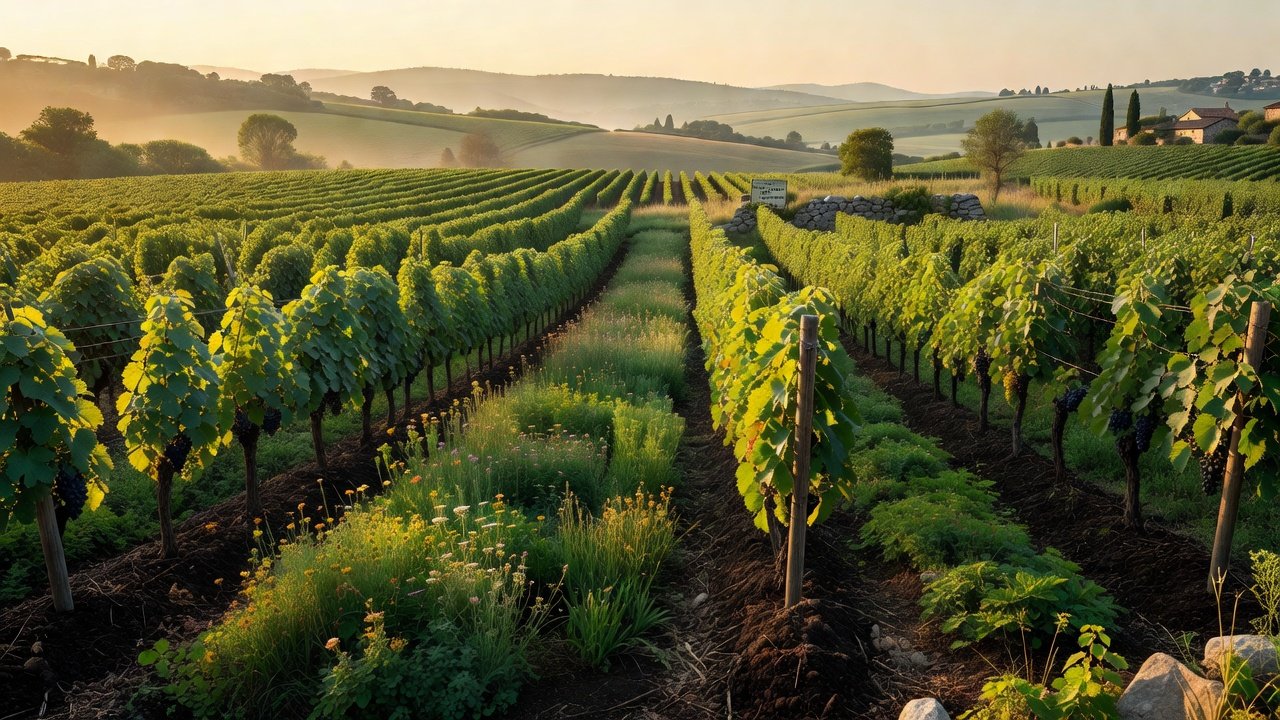
Soil health stands at the core of premium natural wine production. In 2026, regenerative practices are transforming vineyards across Europe and the Americas by fostering microbial diversity, improving water retention, and enhancing grape quality without synthetic inputs. These methods align perfectly with low-intervention winemaking, delivering wines with greater complexity and authenticity that reflect true terroir. Forward-looking vintners recognize that healthy soil directly influences flavor profiles and sustainability metrics, making soil management a strategic priority rather than an afterthought. This article examines key techniques in depth, real-world case studies from multiple continents, detailed comparisons of outcomes, and practical advice for enthusiasts and home gardeners alike seeking to understand and apply these principles.
Key Regenerative Soil Techniques Driving 2026 Wine Quality
Cover Cropping for Enhanced Biodiversity
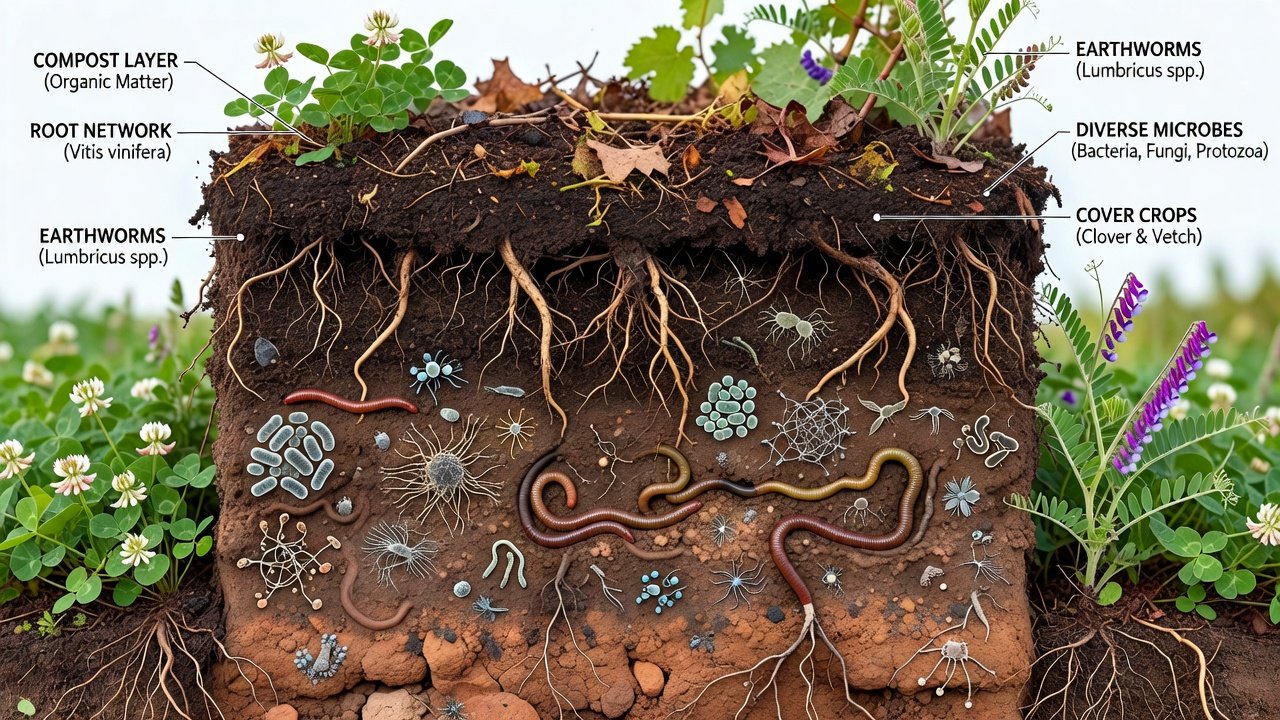
Cover cropping involves planting species like clover, rye, and vetch between vine rows to build organic matter, prevent erosion, and support pollinators. In 2026, many estates report improved vine resilience due to these living mulches that fix nitrogen naturally and create habitats for beneficial insects. This technique reduces the need for external fertilizers while stabilizing soil temperatures during extreme weather events common in recent growing seasons.
Compost Application and Nutrient Cycling
Applying well-aged compost recycles vineyard waste into a rich soil amendment that boosts microbial activity and supplies slow-release nutrients. Wineries measure success through increased earthworm populations and better soil structure, leading to deeper root systems capable of accessing water and minerals during dry periods. Detailed application schedules often involve layering compost in spring and fall to maintain consistent nutrient availability throughout the vine growth cycle.
Promoting Microbial Diversity
Microbial diversity is cultivated through minimal tillage, biochar additions, and compost teas. Diverse bacteria and fungi form symbiotic relationships with vines, improving nutrient uptake and disease resistance. Research from authoritative bodies like the FAO underscores these benefits for long-term vineyard sustainability and soil carbon storage.
Case Studies from Europe and the Americas
In Burgundy, France, estates practicing biodynamic methods since the early 2000s now showcase dramatic soil improvements. One domaine reported 30% higher organic matter levels after consistent cover cropping and reduced tillage, resulting in wines with enhanced aromatic intensity and aging potential. Similar results appear in the Loire Valley where producers integrate sheep grazing to naturally manage cover crops and fertilize soils simultaneously.
Across the Americas, a Napa Valley vineyard in California integrates sheep grazing with compost applications. This approach has enhanced soil biology, resulting in wines with pronounced minerality and balanced acidity. In Argentina's Mendoza region, low-intervention producers use native cover crops to combat arid conditions while boosting microbial life, achieving measurable increases in soil organic carbon. Additional examples from Oregon's Willamette Valley demonstrate how combining these methods with mycorrhizal inoculants leads to more resilient pinot noir vines during variable climate patterns.
Comparing Soil Outcomes Across Methods
Conventional tillage often leads to compacted soils and reduced biodiversity, limiting water infiltration and root penetration. In contrast, regenerative approaches yield measurable gains including higher water infiltration rates, elevated carbon sequestration, and superior grape phenolic development. Biodynamic systems frequently outperform organic-only methods in flavor intensity due to holistic soil management that incorporates lunar calendars and specific preparations. Sustainability metrics from 2026 operations show regenerative vineyards sequestering significantly more carbon per hectare, supporting climate-resilient agriculture while meeting consumer expectations for environmentally responsible production. These differences become especially evident when comparing pH stability, aggregate stability, and microbial biomass counts across trial plots.
Impact on Flavor Profiles and Sustainability
Healthy soils translate to wines with vibrant acidity, layered aromas, and distinctive terroir expression. Natural wines from regenerative sites often display brighter fruit and herbal notes compared to those from depleted soils, with many tasters noting increased complexity in the finish. Environmentally, these practices reduce erosion, lower input costs over time, and enhance biodiversity above and below ground. The USDA highlights similar outcomes in sustainable farming reports, while additional data from the FAO emphasizes global benefits for food systems and climate mitigation when regenerative soil strategies are scaled across wine regions.
Practical Applications for Home Gardeners
Home enthusiasts can apply similar principles on smaller scales to improve their own growing spaces. Start with native cover crops in garden beds around existing plants, incorporate homemade compost from kitchen scraps and yard waste, and avoid chemical fertilizers entirely. These steps mirror vineyard practices and improve vegetable or herb quality while building long-term soil fertility. Gardeners should begin by conducting simple soil tests for texture and pH, then introduce diverse plantings to encourage microbial activity. Over multiple seasons, consistent application of these methods can transform compacted urban soils into thriving ecosystems capable of supporting healthy produce with robust flavors. Additional tips include using mulch layers to retain moisture and rotating plant families annually to prevent nutrient depletion.
Seasonal Monitoring Steps for Vineyard Managers
- Spring: Test soil biology through lab analysis and plant cover crops suited to local climate conditions.
- Summer: Monitor moisture levels with probes and apply compost teas if microbial activity appears low during peak growth.
- Fall: Assess microbial activity post-harvest via visual inspections and aggregate stability tests while preparing fields for winter cover.
- Winter: Plan rotations based on previous yield data and review sustainability metrics to set goals for the upcoming vintage.
Regular documentation of these observations helps managers identify trends and adjust practices proactively for optimal vine performance.
2026 Trends in Soil Health for Natural Wines
Emerging trends include AI-assisted soil mapping for precise amendment placement and expanded use of mycorrhizal inoculants to accelerate beneficial fungal networks. Producers increasingly focus on carbon markets and regenerative certifications to meet eco-conscious consumer demand, with many estates publishing annual soil health reports to build transparency and brand loyalty. These innovations promise even greater precision in managing vineyard ecosystems while maintaining the low-intervention ethos central to natural wine.
FAQ: Addressing Common Myths
Does regenerative soil management increase costs significantly?
Initial investments exist for equipment and training, but long-term savings from reduced inputs often offset them, with many operations seeing net benefits within three years of adoption.
Is microbial diversity only relevant for large vineyards?
No—home gardeners and small plots benefit equally through simple composting and cover cropping that foster similar biological activity on any scale.
Do these practices guarantee better wine?
They enhance quality potential but work best alongside skilled winemaking and suitable grape varieties adapted to the local climate and soil type.
How long does it take to see visible soil improvements?
Many vineyards observe measurable changes in organic matter and structure within two growing seasons when techniques are applied consistently and monitored carefully.
Conclusion
Soil health practices in 2026 are redefining premium natural wines by delivering exceptional flavors while advancing sustainability goals. By embracing cover cropping, compost applications, and microbial diversity, producers create wines that truly express their origins. Whether managing a commercial vineyard or experimenting in a backyard garden, these methods offer tangible rewards and a clearer path toward resilient, high-quality production for years to come.
No comments yet. Be the first!