 Uncorked Conversations
Introduction to 2026 Natural Wine Festivals
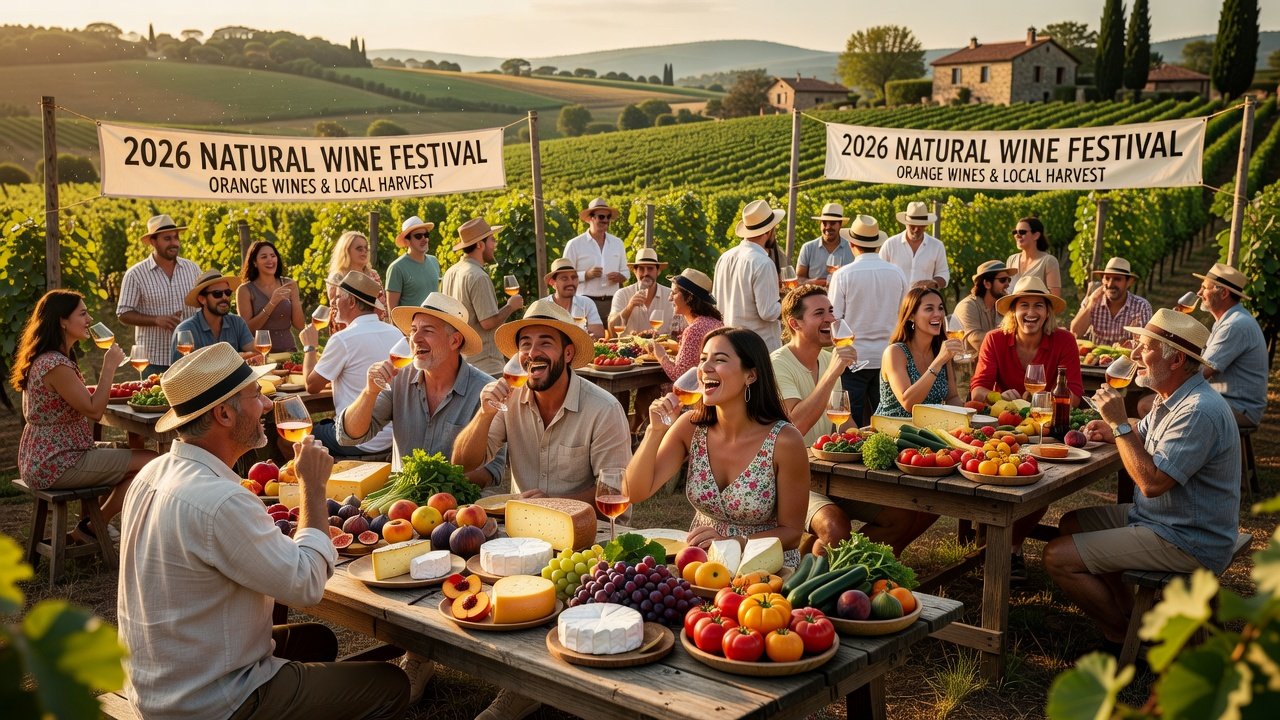
Natural wine festivals in 2026 offer immersive culinary adventures where low-intervention wine meets seasonal local ingredients. These gatherings celebrate biodynamic wine and sustainable production methods, attracting enthusiasts who seek authentic experiences beyond standard tastings. Across Europe and emerging regions like South America and Australia, events blend education, flavor discovery, and cultural connection through carefully crafted pairings. The growing popularity of natural wine stems from interest in minimal-additive techniques using native yeasts and no fining agents, allowing terroir to shine in every glass. Festivals serve as hubs for exploring how these wines complement ingredients such as heirloom vegetables, fresh seafood, and foraged herbs, creating memorable sensory journeys that highlight both tradition and innovation.
Attendees often find that these events go deeper than simple sipping, incorporating workshops on fermentation, soil health, and the impact of biodynamic practices on flavor profiles. With a focus on food and wine harmony, 2026 promises expanded programming that educates while delighting the palate.
Top 2026 Festivals with Dates and Formats
Leading events shape the 2026 calendar with distinctive formats. The Real Wine Fair in London runs April 20-22, emphasizing vertical tastings paired with British cheeses, pickled vegetables, and foraged greens. Vinitaly in Verona, Italy, from March 15-18 features natural wine pavilions with live demonstrations using regional olive oils, tomatoes, and aged balsamic reductions. In Chile, the Natural Wine Summit in Valle de Casablanca occurs October 5-8, offering blind sessions and chef-led pairings of pet-nat sparklers with local seafood ceviches and grilled corn.
France's La Dive Bouteille in Saumur takes place May 12-14, known for barrel tastings matched to Loire Valley goat cheeses, asparagus, and wild mushrooms. Additional highlights include Australia's Natural Wine Festival in Melbourne during September, showcasing indigenous ingredients like kangaroo and native greens alongside skin-contact whites. These formats often include producer panels and hands-on classes that reveal how low-intervention methods preserve unique regional expressions.
Creative Pairing Ideas with Seasonal Ingredients
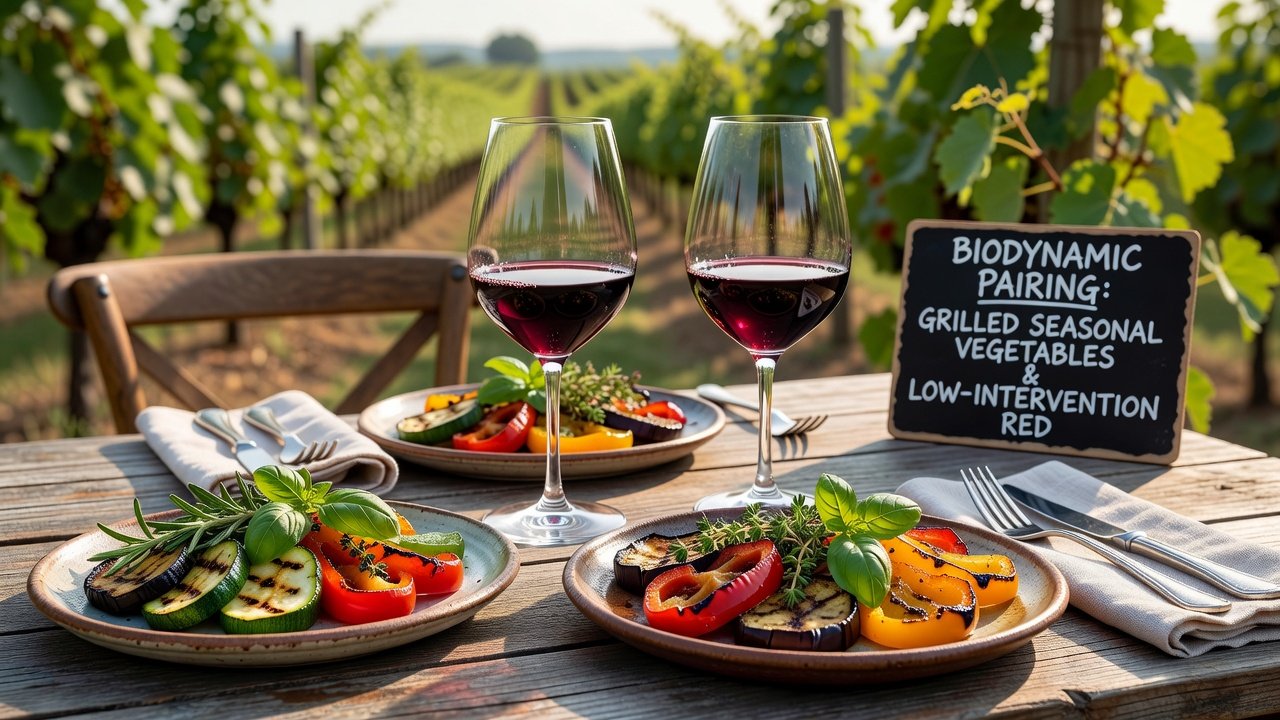
Pairings elevate natural wines through precise matches with seasonal produce. European events frequently present orange wines from Georgia alongside fermented cabbage, smoked fish, and dill, where tannins cut through richness while acidity refreshes. Biodynamic reds from Burgundy complement wild mushroom risottos and thyme-roasted root vegetables, amplifying earthy undertones. In emerging regions, Argentine malbecs pair beautifully with grilled empanadas filled with seasonal squash and chimichurri, while Spanish garnachas refresh roasted peppers and almond-based sauces.
Further examples include Slovenian skin-contact whites balancing spicy Peruvian ceviches made with fresh lime, cilantro, and red onion. Attendees learn to consider texture, acidity, and tannins when matching wines to dishes, ensuring the wine enhances rather than overwhelms the food. Such creative ideas underscore the festivals' emphasis on locality and seasonality for optimal harmony.
Old World Versus New World Festival Experiences
Old World festivals in Europe emphasize tradition through structured tastings in historic chateaus, highlighting centuries-old viticulture alongside classic dishes like coq au vin or fresh baguettes with regional cheeses. These events often feature aged vintages and formal education on appellation rules. New World gatherings in Chile or Australia create relaxed atmospheres with open-air pairings under vineyard canopies, experimenting with fusion cuisine using indigenous ingredients such as quinoa salads or grilled octopus. The pacing differs too: European events lean toward deliberate, seated sessions, while New World ones encourage spontaneous exploration via food trucks and live music.
Both styles honor natural wine principles yet offer distinct cultural lenses. Comparing them helps attendees choose events aligned with their preferences for formality or adventure, enriching the overall understanding of global low-intervention trends.
Sustainable Travel Tips for Attendees
Responsible travel maximizes enjoyment while minimizing impact. Choose train travel between European venues to lower emissions, and select lodgings with organic farms for farm-to-table meals. Pack reusable tasting glasses, notebooks for notes, and eco-friendly bags for purchases. Support vendors prioritizing local, seasonal ingredients to reinforce sustainability. The International Organisation of Vine and Wine shares guidelines on eco-friendly viticulture worth reviewing beforehand. The UN Tourism site provides destination planning insights that align with natural wine values. Additional steps include offsetting flights when necessary, avoiding single-use plastics, and participating in vineyard clean-up activities offered at some events.
Case Studies of Standout Pairings
Recent festivals demonstrate exceptional matches. A 2025 Slovenian orange wine paired with nettle pesto pasta created perfect texture synergy, the wine's slight haze mirroring the dish's creaminess. Another standout featured a Spanish garnacha with roasted peppers and almonds, where natural acidity cleansed the palate between bites. In Chile, a pet-nat sparkling wine elevated grilled octopus with chili and lime, highlighting minerality against smoky char. These cases illustrate how producer collaboration and ingredient timing produce unforgettable results, inspiring attendees to experiment at home with similar principles.
Practical Checklists for Booking and Packing
- Secure tickets early through official sites and review the natural wine producer roster for favorites.
- Research dietary accommodations in advance, confirming gluten-free, vegan, or nut-free pairing options.
- Pack versatile layers for changing vineyard weather, comfortable walking shoes, and a dedicated tasting journal.
- Include portable chargers, reusable water bottles, and sustainable shopping totes for wine purchases.
- Verify travel insurance covers event changes and carry copies of bookings and dietary notes.
- Download festival apps for real-time schedules and maps to navigate large grounds efficiently.
FAQ on Navigating Dietary Restrictions
How do festivals accommodate allergies? Most provide detailed allergen menus and separate stations for common restrictions including dairy, nuts, and gluten.
Are vegan options widely available? Yes, many feature plant-based menus with local vegetables, grains, and legumes matched to vegan-friendly natural wines.
What if I have gluten sensitivity? Look for certified gluten-free tastings; numerous producers clearly label suitable wines.
Can events handle multiple restrictions simultaneously? Dedicated teams often customize pairings on request with advance notice.
Are there options for low-sugar or keto diets? Some festivals include low-intervention wines paired with high-protein, vegetable-focused plates.
Conclusion
2026 natural wine festivals deliver rich opportunities to explore biodynamic and low-intervention wines through thoughtful culinary pairings. By emphasizing sustainability, regional comparisons, and practical preparation, these events create rewarding adventures for enthusiasts seeking deeper connections with wine and food.
No comments yet. Be the first!