 Uncorked Conversations
Introduction to Biodynamic Natural Winemaking at Home
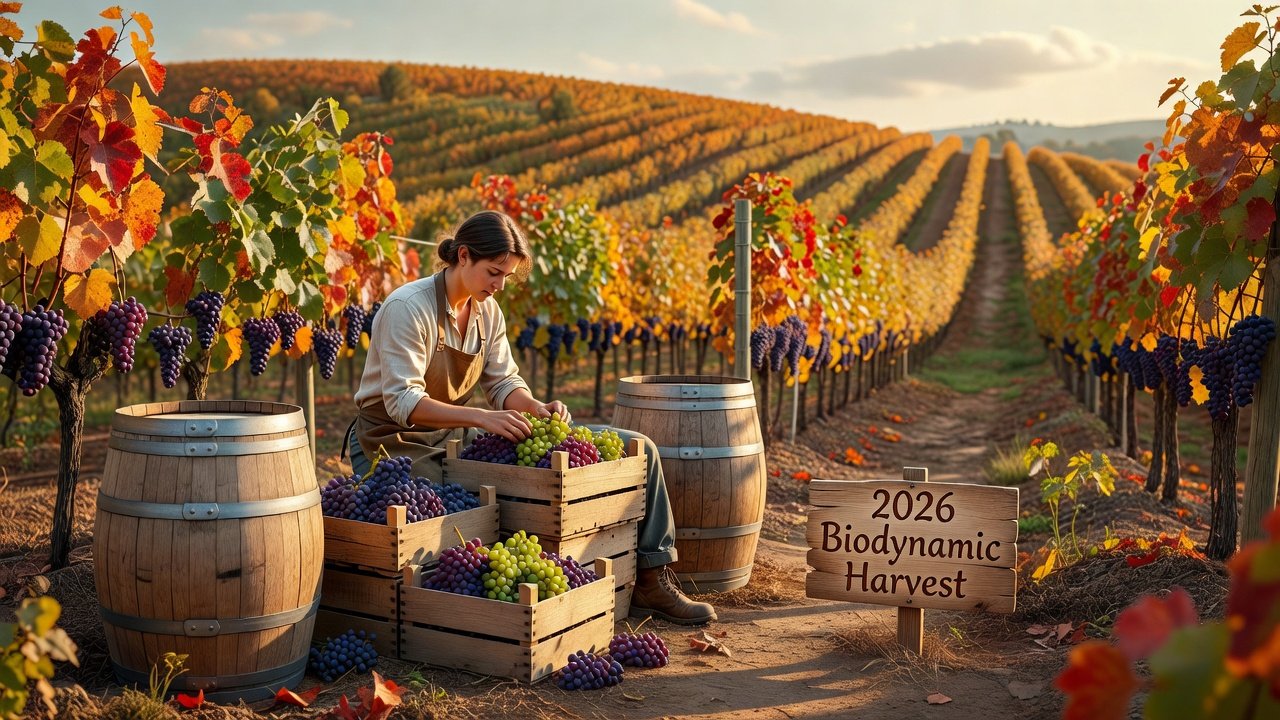
Creating your own natural wine using biodynamic principles in 2026 offers beginners an opportunity to connect deeply with seasonal rhythms and produce authentic, low-intervention beverages. This approach emphasizes working with nature rather than against it, using 2026-sourced grapes to craft small batches that reflect terroir and minimal human interference. Unlike conventional methods, biodynamic home winemaking avoids synthetic additives and focuses on holistic vineyard and cellar practices that support soil life, plant vitality, and microbial diversity throughout the process.
Whether you have access to a small urban space or a backyard, starting small allows you to learn the nuances of primary fermentation and natural yeast handling. Success stories from hobbyists in recent years demonstrate that even first-time makers can achieve balanced results by tracking progress carefully and respecting timing. Many newcomers find that the meditative aspects of monitoring fermentation deepen their appreciation for wine as a living product rather than a manufactured one.
Understanding Biodynamic Principles in Winemaking
Biodynamic winemaking treats the vineyard as a living organism, incorporating preparations like cow horn manure and herbal sprays timed to lunar cycles. For home enthusiasts in 2026, this means sourcing grapes from farms following these methods and applying similar care during fermentation. The goal is to enhance vitality in the fruit while preserving natural flavors that express the unique characteristics of the growing season.
Key elements include avoiding chemical interventions and encouraging biodiversity through companion planting and habitat creation. Beginners benefit from studying basic biodynamic calendars to align activities like racking with optimal days. This cosmic timing is believed to influence fermentation vigor and final wine clarity in subtle yet meaningful ways.
Organic vs Biodynamic Approaches: Key Comparisons
Organic winemaking prohibits synthetic pesticides and fertilizers, focusing on certified practices that build soil health over time. Biodynamic methods build on this by adding cosmic and energetic considerations, such as specific preparations and holistic farm management. In practice, biodynamic wines often exhibit greater complexity and vibrancy due to enhanced soil health and microbial activity in the vineyard.
For home winemakers, choosing biodynamic grapes provides a stronger foundation for natural results. Organic grapes work well too, but biodynamic sourcing aligns better with low-intervention goals. Both reduce additives, yet biodynamic emphasizes minimal sulfur and native yeast exclusively. Real-world examples show biodynamic batches often require fewer corrections during fermentation because the grapes arrive with robust indigenous microbes already present.
Essential Equipment Selection for Beginners
Start with food-grade glass carboys or stainless steel fermenters of 5-20 liter capacity to manage small batches effectively. Include airlocks to allow gas escape while preventing contamination, siphon tubes for gentle transfers, a basic hydrometer for tracking sugar levels, and clean cloths for covering open vessels. Avoid plastic that can harbor bacteria; opt for glass or oak for aging stages to maintain purity and allow micro-oxygenation where beneficial.
Invest in a simple press if using whole clusters and pH strips for monitoring acidity. All equipment must be sanitized with natural methods like hot water and citric acid to maintain purity without introducing residues. A digital thermometer helps maintain consistent temperatures, while a basic notebook or app serves for logging daily observations during the critical first weeks.
Sourcing Quality Grapes in 2026
Seek local vineyards or farms practicing biodynamic methods for fresh, 2026-harvest grapes. Contact growers directly in late summer to secure small quantities, prioritizing native varieties suited to your climate. Check for recent certifications to ensure authenticity and traceability from vine to your fermenter.
Transport grapes quickly to preserve integrity, and inspect for ripeness by tasting berries for balanced sweetness and acidity. This step sets the stage for successful natural fermentation without corrections. Consider visiting the vineyard if possible to observe soil health and biodiversity firsthand, which can inform your expectations for the finished wine.
Primary Fermentation Steps with Natural Yeast
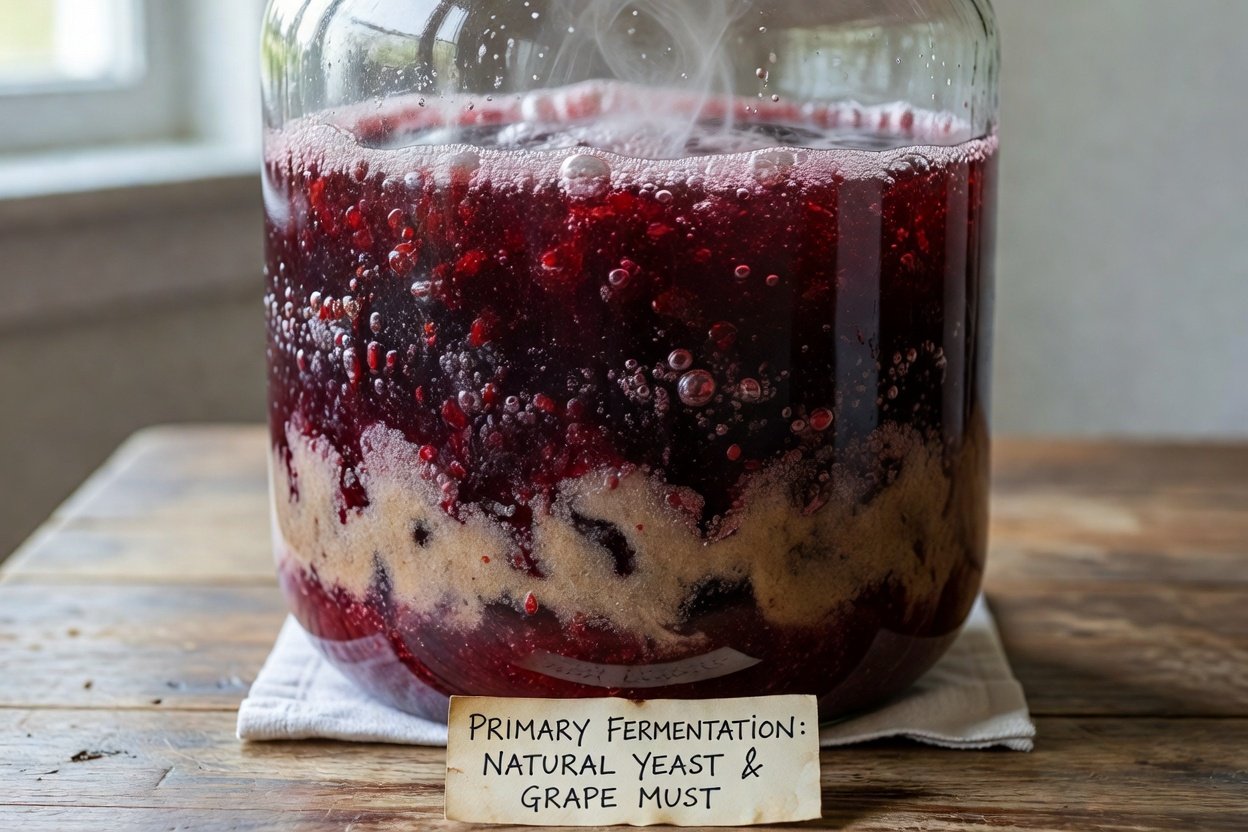
Crush grapes gently into your fermenter and allow wild yeasts from the skins to initiate fermentation naturally. Maintain temperatures around 18-22°C to support steady activity without stressing the yeast. Monitor daily for bubbling and aroma development over 7-14 days, noting changes in cap formation and color extraction.
Stir the cap gently twice daily to extract color and tannins while introducing just enough oxygen for yeast health. Once primary fermentation slows, transfer to secondary vessels using a siphon to leave sediment behind. This hands-off approach highlights authentic flavors from the 2026 grapes and reduces the risk of off-flavors from over-handling.
Natural Yeast Handling and Minimal Additive Strategies
Embrace zero or near-zero additions by relying on healthy grapes and clean practices. Small-batch successes often involve no added sulfur until bottling, if at all. Examples include using only native microbes for malolactic conversion where desired, allowing the wine to evolve organically. Practical cases from home makers show that grapes from well-managed biodynamic sites rarely need nutrient additions because they carry sufficient yeast-assimilable nitrogen.
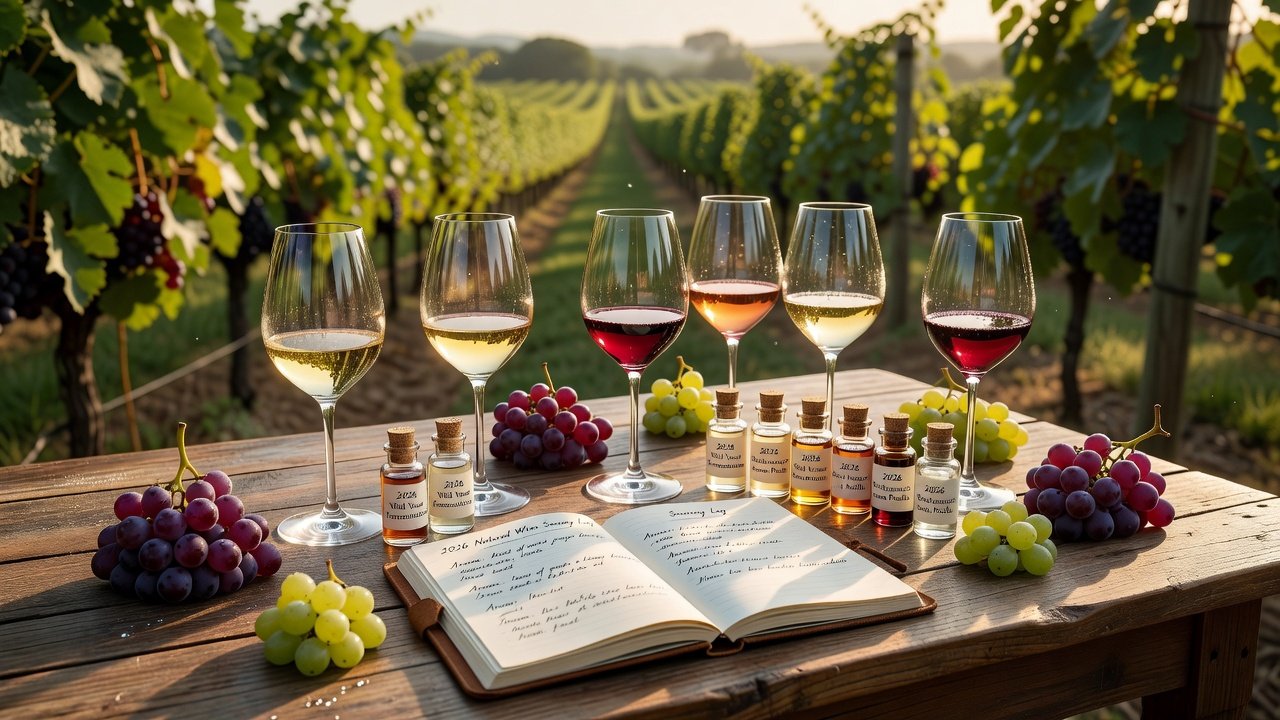
Track progress with tasting notes and simple logs of gravity readings taken every other day. This method has yielded vibrant rosés and reds for beginners who avoided over-manipulation and trusted the process even when initial aromas seemed unusual.
Seasonal Timing and Progress Tracking
Align your process with autumn harvests in the Northern Hemisphere for peak freshness. Begin primary fermentation immediately after sourcing to capture optimal conditions. Use journals to note observations on color, smell, and clarity throughout each stage, creating a record that improves future batches.
Regular checks every few days help anticipate issues like stuck ferments early. Many successful makers photograph their setups weekly to visually track changes in clarity and sediment levels.
Common Pitfalls to Avoid
- Using overripe or damaged fruit that invites unwanted microbes and leads to volatile acidity.
- Ignoring sanitation, leading to spoilage and wasted batches that could have been prevented with simple hot-water rinses.
- Over-aerating during transfers, which can oxidize the wine and mute delicate aromas developed during fermentation.
- Rushing bottling before stability is confirmed through repeated gravity readings showing no further change.
- Storing fermenters in fluctuating temperatures that stress native yeasts and cause incomplete fermentation.
Simple FAQ on Scaling Up Batches
How do I scale from 5 liters to 50 liters?
Multiply equipment proportionally while maintaining the same ratios and monitoring intensity to avoid temperature swings in larger volumes. Start with one successful small batch before expanding to ensure you understand the rhythm of natural processes.
What if natural yeast fails to start?
Ensure grapes were harvested at peak ripeness and temperatures are suitable; patience often resolves this without intervention. Gentle warming of the must to 20°C can sometimes encourage activity within 48 hours.
Is it possible to age biodynamic wine longer at home?
Yes, with proper storage in cool, dark conditions, small batches can develop beautifully over 6-12 months, gaining complexity and softening tannins naturally.
What containers work best for secondary fermentation?
Glass demijohns or used neutral oak barrels allow slow micro-oxygenation while protecting the wine from light and excessive air exposure during the quiet aging phase.
Conclusion
Embracing biodynamic natural winemaking in 2026 empowers beginners to create meaningful, terroir-driven wines through mindful steps. By focusing on quality sourcing, natural processes, and careful tracking, your first batches can deliver rewarding results that improve with experience. Explore further with resources like Demeter biodynamic certification, Wine Magazine natural wine guides, and Biodynamics resources for ongoing inspiration and community support.
No comments yet. Be the first!