 Uncorked Conversations
2026 Natural Wine Sensory Training for Beginners
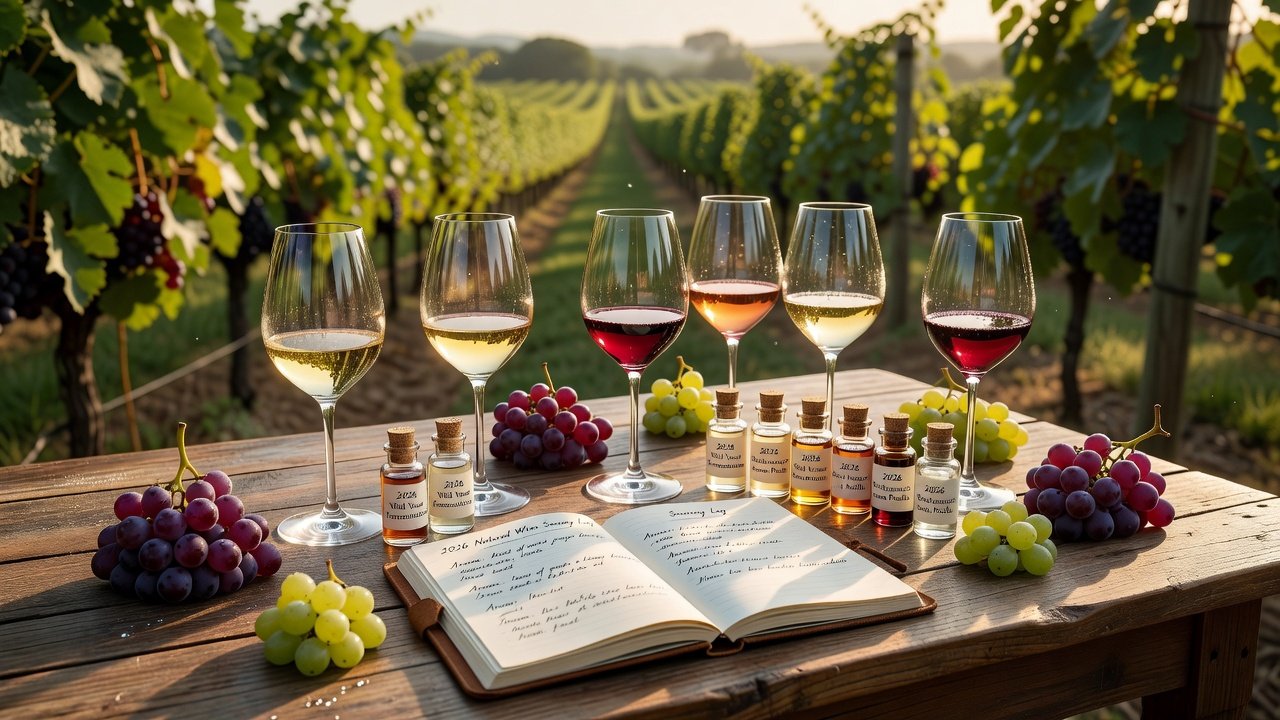
Exploring natural wines requires more than casual sipping. In 2026, sensory training tailored specifically to natural, organic, biodynamic, and low-intervention wines helps beginners develop precise aroma recognition, flavor identification, and overall tasting accuracy. These wines often display unpredictable profiles due to minimal intervention, making structured practice essential for anyone wanting to move beyond surface-level enjoyment.
Why Sensory Training Matters for Natural Wines
Natural wines express raw terroir because they avoid added yeasts, fining agents, and excessive sulfur. This purity creates both opportunity and challenge: the same vineyard can produce dramatically different sensory results year after year. Beginners who invest in sensory skills quickly learn to separate vineyard character from winemaking effects. Training also improves confidence when tasting skin-contact whites, cloudy pét-nats, or funky reds that might confuse untrained palates. Over time, accurate sensory analysis leads to better purchasing decisions and deeper appreciation of emerging producers.
Essential Tools for Your Sensory Kit
Assemble a simple home kit that supports repeatable practice. ISO tasting glasses remain the standard because their shape concentrates aromas. Add a basic aroma reference kit containing vials of common notes such as blackcurrant, lemon zest, wet stone, and mushroom. A neutral palate cleanser like plain unsalted crackers or green apple slices prevents carry-over between samples. Keep a dedicated tasting notebook or digital spreadsheet to record impressions consistently. These items cost little yet dramatically improve drill effectiveness.
Step-by-Step Aroma and Flavor Drills
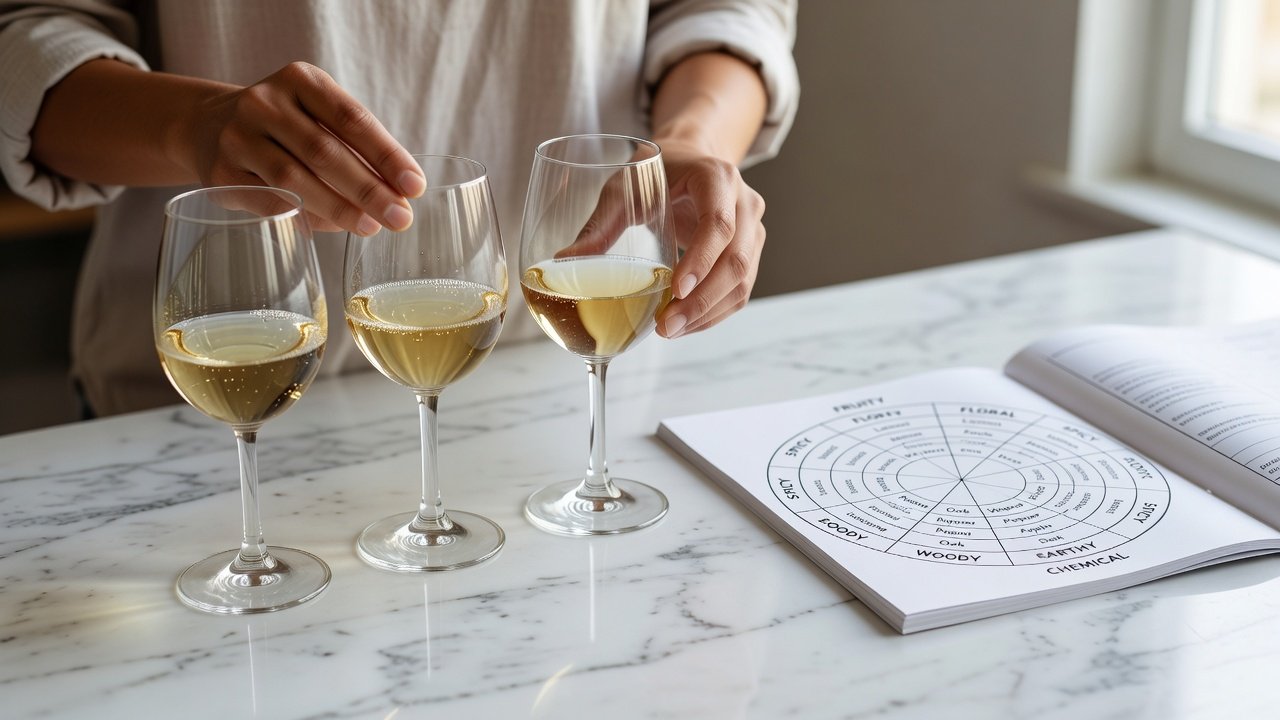
Start with the triangle test: pour three identical glasses where two contain the same natural wine and the third differs by a small amount, such as a different vintage or slight temperature variation. Identify the outlier to sharpen detection thresholds. Next, practice blind identification by covering labels and first noting primary fruit aromas, then secondary notes like spice or earth, and finally tertiary characteristics such as oxidation or bottle age. Rotate through orange wines, pét-nats, and whole-cluster reds from regions like the Loire Valley or Sicily. Advanced drills include matching exercises where you pair wines with specific foods to observe how acidity cuts through richness or how tannins interact with protein. Perform these sessions weekly and track accuracy percentages to measure progress over six to eight weeks.
Another effective method involves aroma wheels customized for natural wines. Begin with broad categories such as fruit, floral, herbal, and earthy, then narrow down to specific descriptors. Repeat the same wine across multiple days to notice how bottle variation and serving temperature alter perception. This builds reliable memory associations without requiring prior expertise.
Comparing Tasting Profiles Across Wine Types
Natural reds frequently display earthy, barnyard, or volatile acidity notes rarely found in conventional wines. Whites may lean oxidative with almond or bruised-apple aromas. Compare a biodynamic Pinot Noir side-by-side with an organic version from the same region to isolate the impact of farming practices. Skin-contact wines often show pronounced texture and tannin that conventional whites lack. These comparisons reveal how native yeast fermentation and minimal sulfur amplify terroir signals rather than masking them. Keeping detailed side-by-side notes helps identify personal preferences and improves future selection accuracy.
Common Pitfalls to Avoid
- Rushing evaluations—allow wines to breathe for at least fifteen minutes and revisit the glass after thirty minutes to capture evolution.
- Over-relying on external descriptors from apps or reviews instead of building personal sensory memory.
- Ignoring serving temperature; most natural wines express best between 12 and 16 degrees Celsius.
- Skipping palate resets between samples, which leads to muddled comparisons and inaccurate conclusions.
- Allowing label bias or price expectations to influence perception before the glass is even smelled.
How Terroir Influences Sensory Notes: FAQ
What role does soil play in aroma development?
Clay soils often produce fuller body and darker fruit notes, while limestone contributes bright acidity and mineral tones. Volcanic soils frequently add smoky or flinty character that stands out in low-intervention wines.
Can climate shifts alter expected profiles in 2026?
Warmer conditions may intensify ripeness and reduce some herbal freshness, yet training helps detect these vintage-specific changes accurately rather than assuming a fixed regional style.
How do biodynamic practices affect flavor compared to organic?
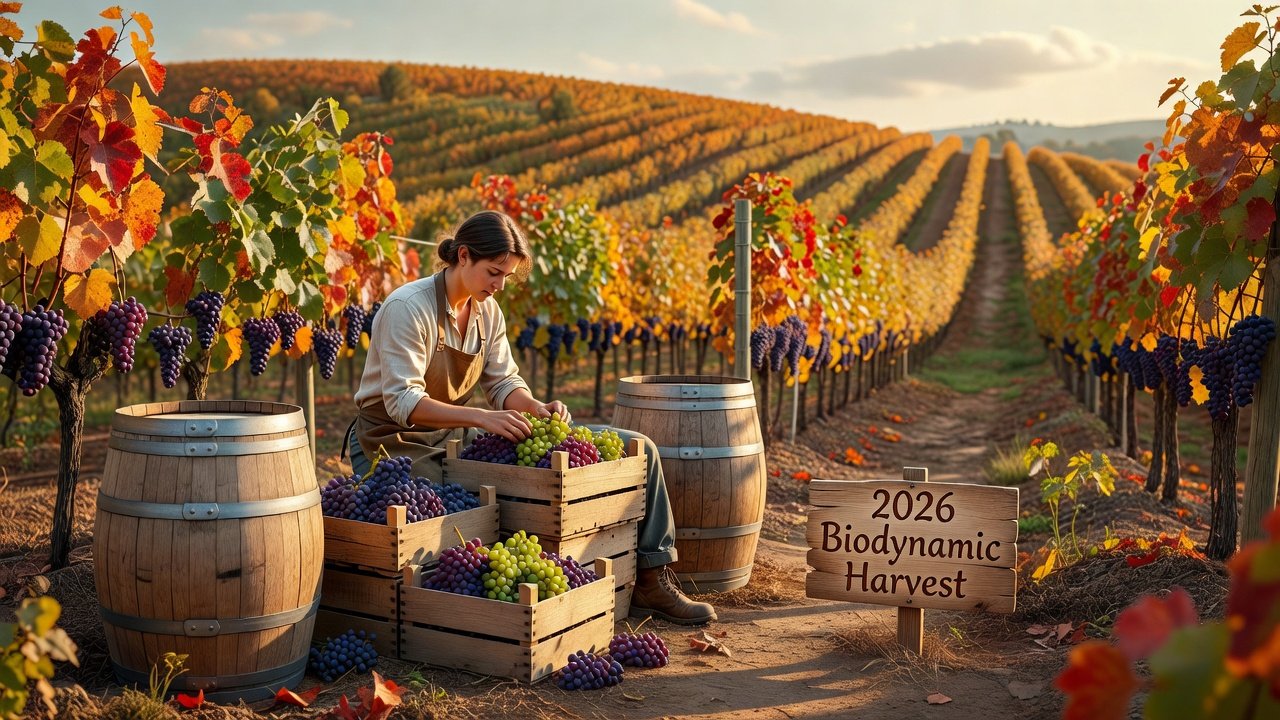
Biodynamic methods frequently yield more vibrant, layered aromas because of increased vineyard biodiversity and soil health, though results vary by producer.
Does vintage variation affect training consistency?
Yes. Natural wines change more between vintages than conventional ones, so repeating drills across multiple years builds adaptability rather than reliance on a single reference point.
Practical Examples from Emerging Producers
Small estates in Slovenia and the Finger Lakes emphasize native yeasts and produce pét-nats with pronounced yeasty and orchard-fruit notes ideal for aroma drills. Producers in the Canary Islands often showcase volcanic minerality in their orange wines, providing excellent practice material for identifying soil-driven characteristics. Cross-reference your tasting notes with resources from Decanter and Jancis Robinson to compare personal impressions against professional evaluations. Additional context on global viticulture standards appears on the International Organisation of Vine and Wine site.
Building Long-Term Accuracy
Consistency develops through deliberate repetition and varied exposure. Join virtual tasting groups or attend regional natural wine fairs to sample dozens of examples in one session. Rotate between different price tiers and regions to avoid developing narrow preferences. After three months of structured drills, most beginners notice measurable improvement in identifying specific aromas and describing texture accurately. Combine home practice with occasional guided sessions to receive feedback on blind tasting results. This balanced approach transforms casual enjoyment into precise, confident analysis suitable for both personal pleasure and informed purchasing.
With regular application of these techniques, beginners gain the skills needed to navigate the vibrant and sometimes surprising world of natural wines throughout 2026 and beyond.
No comments yet. Be the first!