 Uncorked Conversations
Introduction to Biodynamic Natural Winemaking at Home
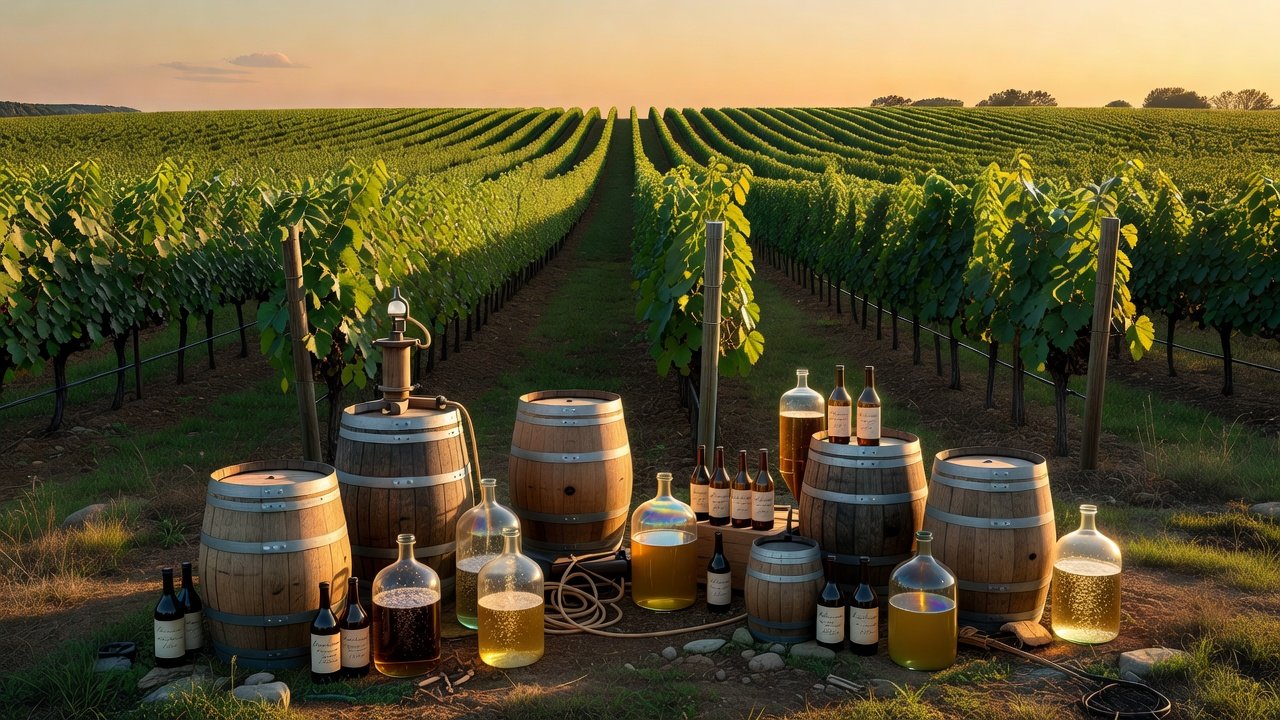
Creating natural wine through biodynamic practices at home blends ancient agricultural wisdom with modern sustainable techniques. In 2026, enthusiasts are increasingly turning to these methods to produce small-batch wines that reflect terroir without synthetic additives. This approach emphasizes harmony with nature, using preparations derived from plants, minerals, and animal materials to enhance soil vitality and vine health. Home winemakers find that adopting biodynamic principles not only improves the ecological footprint of their hobby but also yields wines with distinctive character that cannot be replicated through conventional means.
Biodynamic winemaking differs from conventional home methods by prioritizing minimal intervention throughout the process. From grape selection to fermentation and aging, every step aims to preserve the wine's natural character while supporting ecological balance. This guide expands on the foundational concepts of beginner home winemaking by focusing specifically on biodynamic techniques suited for natural wine lovers seeking authentic expressions of place and season.
Understanding Biodynamic Principles in Winemaking
Biodynamic agriculture views the vineyard as a self-sustaining ecosystem. Key practices include planting according to lunar cycles, using specific herbal teas and compost preparations, and maintaining biodiversity through cover crops and animal integration. For home winemakers, this translates to thoughtful sourcing and hands-off cellar work that lets wild yeasts and native microbes drive fermentation. Practitioners often prepare their own horn manure or silica sprays months in advance, timing applications to coincide with celestial events for maximum efficacy.
These principles foster resilience in the grapes, leading to wines with greater complexity and authenticity compared to those made with commercial yeasts or additives. In practice, biodynamics encourages observation of the entire farm organism, including insects, soil microbes, and even the surrounding landscape. Home producers who embrace this holistic view report fewer disease issues and more vibrant fruit over multiple vintages.
Sourcing Biodynamic Grapes for Your Home Project
Start by identifying reputable suppliers of biodynamic grapes. Look for certified sources through organizations like Demeter International, which sets global standards for biodynamic certification. In 2026, many small vineyards offer direct-to-consumer sales of organic and biodynamic fruit suitable for home use. Contact local growers or join community-supported agriculture programs focused on regenerative farming to secure consistent supplies.
Choose varieties that thrive in your climate, such as Pinot Noir or Riesling for cooler regions. Inspect grapes for quality upon arrival, ensuring they are free from pesticides and harvested at optimal ripeness. Consider factors like brix levels, acidity, and cluster health. Building relationships with certified growers can also provide access to educational resources on biodynamic farming calendars.
Minimal-Intervention Fermentation Processes
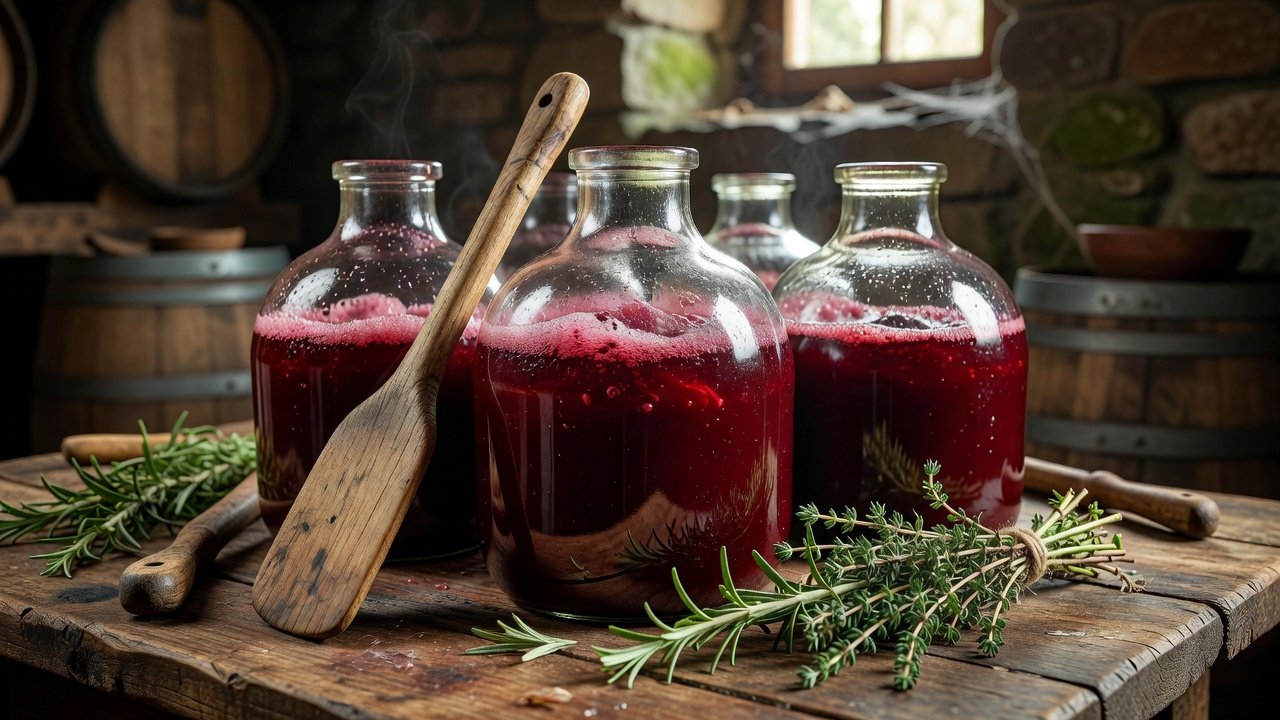
Once sourced, the fermentation phase relies on spontaneous wild yeast activity. Crush the grapes and allow them to ferment in food-grade containers without added sulfur or enzymes. Monitor temperatures closely, keeping them between 55-75°F to encourage clean fermentation while avoiding stuck batches. Daily punch-downs or pump-overs help manage the cap while introducing oxygen in controlled amounts that benefit yeast health without oxidizing the must.
For white wines, consider whole-cluster pressing to minimize skin contact. This low-intervention style preserves delicate aromas and results in vibrant, living wines. Secondary fermentation on lees can add texture and mouthfeel naturally, with periodic stirring to release mannoproteins. Throughout the process, record observations in a journal to refine future batches based on what works in your specific environment.
Key Differences from Standard Organic Approaches
While organic winemaking avoids synthetic chemicals, biodynamic methods go further by incorporating cosmic rhythms and holistic preparations like horn manure and silica sprays. Organic practices focus primarily on soil health through composting, but biodynamics integrates the farm as a closed loop, often yielding wines with more pronounced earthy and mineral notes. Biodynamic wines tend to show greater resistance to oxidation during aging because of the vitality imparted to the grapes from the outset.
Home winemakers note that biodynamic batches require more observation and patience, as they reject many modern stabilizers used in organic production. The result is often a wine that evolves more dramatically in the bottle, rewarding cellaring with layers of flavor that develop over years rather than months.
Practical Steps for Small-Batch Production
- Prepare your workspace with sanitized equipment including carboys, airlocks, and presses. Dedicate a clean area with stable temperatures and good ventilation.
- Sort and destem grapes, then crush to initiate fermentation. Remove any damaged fruit to prevent spoilage.
- Incorporate biodynamic preparations if available, such as diluted nettle tea for vigor or horsetail tea for fungal resistance.
- Allow primary fermentation for 7-14 days, followed by secondary in barrels or tanks. Track specific gravity daily to monitor progress.
- Rack the wine carefully to clarify without filtration. Perform this step during cooler periods to minimize oxygen exposure.
- Age for 6-18 months before bottling, tasting periodically to track development. Consider topping up vessels regularly to prevent ullage.
Common Pitfalls to Avoid
- Over-sanitizing equipment, which can kill beneficial microbes essential for natural fermentation. Use only mild, food-safe cleaners.
- Using non-biodynamic grapes that introduce unwanted residues. Always verify certification paperwork.
- Rushing the process by adding commercial nutrients or yeasts. Trust the native populations present on the fruit.
- Ignoring seasonal timing, such as harvesting or racking during unfavorable moon phases. Biodynamic calendars help guide these decisions.
- Neglecting temperature control, leading to off-flavors or oxidation. Invest in a reliable thermometer and cooling system for warm climates.
- Failing to maintain proper sanitation of hoses and pumps between uses, which can introduce contaminants later in the process.
Comparisons of Resulting Flavor Profiles
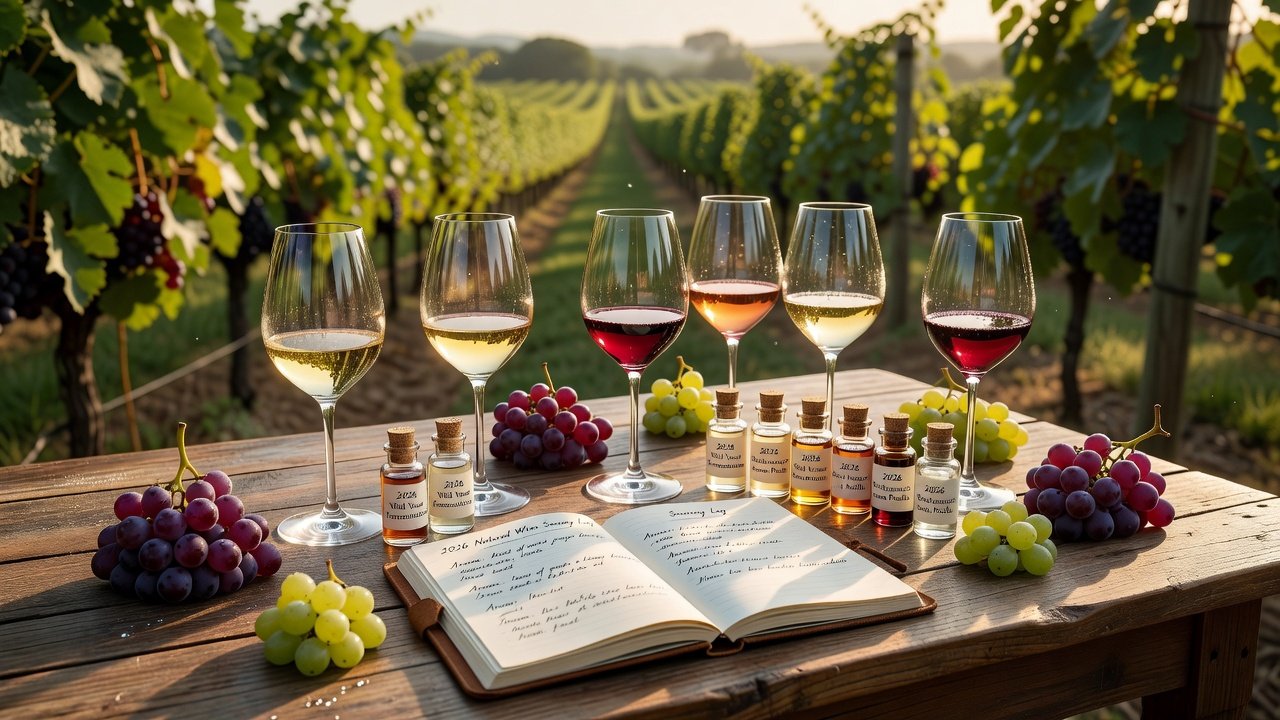
Biodynamic natural wines often exhibit brighter acidity, layered fruit, and subtle herbal or earthy undertones compared to standard organic or conventional home wines. For instance, a biodynamic Cabernet may show more pronounced graphite and forest floor notes, while organic versions lean toward brighter berry flavors with less depth. Tasters frequently describe biodynamic results as more "alive" with extended aging potential, developing secondary aromas like leather, tobacco, and dried herbs over time.
In blind tastings, biodynamic small-batch wines consistently score higher for complexity and finish length. The minimal sulfur regime allows for a more expressive nose that evolves rapidly upon opening, making them ideal for pairing with diverse cuisines.
Real-World Examples from 2026 Home Producers
In California, home winemaker Elena Vargas produced a 2026 biodynamic Syrah using grapes from a Demeter-certified vineyard, resulting in a wine praised for its vibrant plum and spice profile at local natural wine tastings. Similarly, a collective in Oregon's Willamette Valley experimented with lunar-timed ferments of Pinot Gris, yielding crisp, mineral-driven bottles shared through community swaps. In New York state, a suburban enthusiast successfully adapted these methods to hybrid varieties, creating a sparkling natural wine that captured regional floral characteristics. These examples highlight how accessible biodynamic techniques have become for dedicated enthusiasts across climates.
FAQ on Equipment and Timing
What basic equipment is needed?
Essential items include a grape crusher, fermentation vessels like glass carboys or stainless tanks, airlocks, a hydrometer, and bottles with corks. Start small with 5-10 gallon batches to learn the process before scaling up.
When is the best time to start?
Align with harvest seasons in your region, typically late summer to early fall. Consult biodynamic calendars for optimal planting and processing dates to maximize vitality.
How long does the full process take?
From harvest to bottle, expect 9-24 months depending on style and aging goals. Reds generally require longer élevage than whites or rosés.
Can I adapt existing home winemaking kits?
Yes, but replace any included additives with biodynamic alternatives and rely on ambient yeasts rather than packet cultures for authenticity.
Conclusion
Embracing biodynamic methods elevates home winemaking into a mindful, sustainable practice that produces distinctive natural wines. By focusing on quality sourcing, patient fermentation, and ecological awareness, 2026 home producers can craft bottles that celebrate both tradition and innovation while contributing to a healthier planet.
No comments yet. Be the first!