 Uncorked Conversations
Introduction to Biodynamic Home Winemaking in 2026
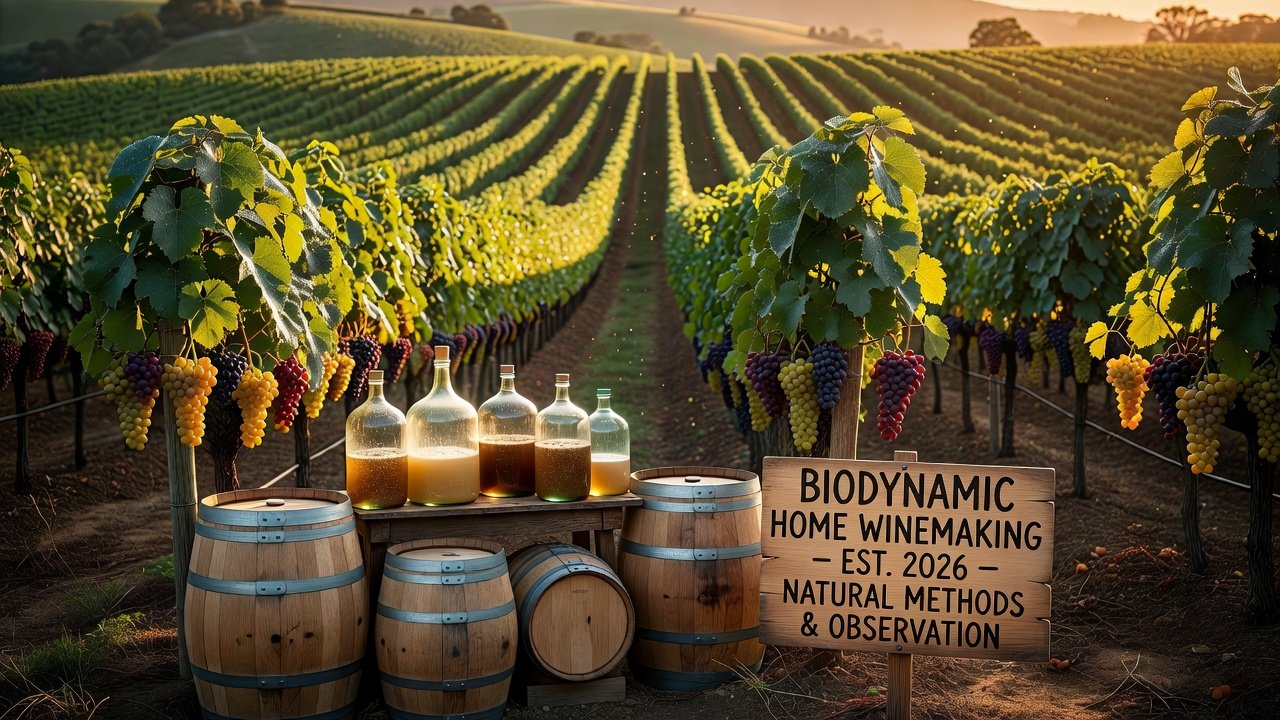
Creating natural wine at home has gained significant momentum as enthusiasts seek authentic flavors through low-intervention methods. Biodynamic practices, rooted in organic principles and lunar cycles, help produce grapes that require fewer additives during fermentation. This approach aligns perfectly with the growing interest in hands-on, sustainable winemaking techniques that emphasize harmony with nature. By focusing on biodynamic grapes, home producers can achieve balanced wines that reflect their terroir without heavy manipulation. Whether you're a beginner or have some experience, understanding vineyard sourcing and precise timing is essential for success. The 2026 season brings new opportunities with improved access to certified biodynamic fruit, making it an ideal time to experiment with these methods.
Home winemaking allows for greater creativity compared to commercial operations, but it demands attention to detail at every stage. From selecting the right grapes to monitoring fermentation, each decision impacts the final product. This guide provides comprehensive steps tailored for those pursuing natural, organic, and biodynamic results.
Understanding Biodynamic Principles for Grapes
Biodynamic farming treats the vineyard as a self-sustaining ecosystem. Preparations like horn manure and silica sprays enhance soil vitality and vine resilience. These methods go beyond standard organic farming by incorporating cosmic rhythms for planting and harvesting. The philosophy, developed by Rudolf Steiner, views the farm as a living organism where every element supports the whole. For home winemakers, sourcing biodynamic grapes ensures the fruit arrives with natural yeasts and balanced acidity, reducing the need for commercial interventions. This sets the foundation for truly natural results that express unique vineyard characteristics.
Key biodynamic preparations include compost made with specific herbs and the use of cow horn manure buried over winter. These enhance microbial life in the soil, leading to healthier vines and more flavorful grapes. Home winemakers benefit because biodynamic fruit often ferments reliably on its own.
Sourcing Quality Biodynamic Grapes in 2026
Start by connecting with local biodynamic vineyards or certified suppliers. Look for Demeter certification to guarantee adherence to strict standards. In many regions, small-scale growers offer bulk grapes suitable for home batches during harvest season. Research farms through biodynamic associations and visit if possible to assess practices firsthand.
Consider factors like grape variety, ripeness at pick, and transport conditions. Opt for varieties known for natural fermentation success, such as Pinot Noir, Riesling, or Syrah. Building relationships with growers often yields fresher fruit and valuable advice on handling the harvest. Always request recent harvest data and confirm no synthetic sprays were used.
Learn more about biodynamic certification standards.
Step-by-Step Home Winemaking Process
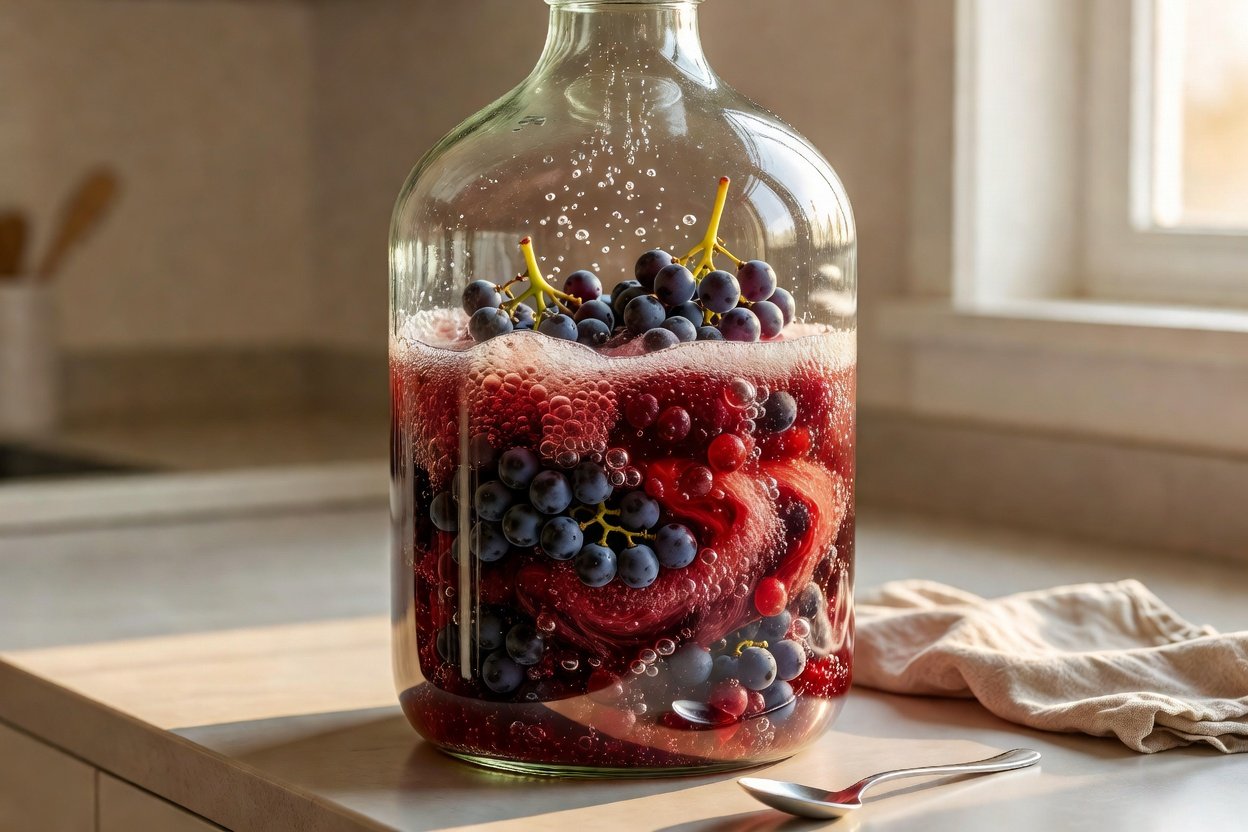
Begin with destemming and crushing the grapes gently to preserve natural integrity. Transfer to fermentation vessels, allowing wild yeasts to initiate the process naturally. Choose food-grade containers like glass carboys or stainless steel tanks sized appropriately for your batch.
Monitor temperatures closely, aiming for cool ferments around 60-70°F to retain delicate aromas. Biodynamic grapes often ferment steadily without added nutrients. Stir the cap regularly during red wine fermentation to extract color and tannins evenly.
After primary fermentation, rack the wine into clean vessels for malolactic conversion if desired, then age on lees for complexity. Finally, bottle when clarity and taste reach desired levels, using minimal or no fining agents.
Fermentation Timing and Minimal Additives
Timing is critical: harvest grapes at peak ripeness, typically late summer to early fall. Allow 7-14 days for primary fermentation, watching for completion via hydrometer readings. Track daily progress to avoid over-extraction.
Use minimal or zero sulfur additions, relying instead on clean practices and healthy fruit. This low-intervention style mirrors commercial natural wine approaches but on a smaller scale. Test pH and adjust only if necessary with natural alternatives like tartaric acid from the grapes themselves.
Common Pitfalls and How to Avoid Them
- Over-oxidation from poor sanitation – always sterilize equipment thoroughly with sulfite solutions or boiling water before each use.
- Stuck fermentation due to temperature swings – maintain stable conditions with a consistent environment and avoid drafts.
- Off-flavors from wild bacteria – monitor pH and use basic testing kits regularly throughout the process.
- Scaling too quickly – start with small batches to refine techniques before expanding volume.
- Improper racking leading to sediment in bottles – use a siphon carefully and allow settling time between steps.
- Ignoring lunar calendars for biodynamic timing – align key activities like racking with favorable moon phases for optimal results.
Keep a detailed log of each step to identify issues early and improve future batches.
Practical Examples from 2026 Home Producers
Many home winemakers in California and Oregon report success with biodynamic Syrah, achieving vibrant natural wines after 6-8 months of aging. One producer noted using only grapes from a nearby Demeter farm, resulting in zero-additive bottles praised for purity and bright fruit notes. In the Pacific Northwest, a beginner scaled from five to fifteen gallons using biodynamic Pinot Gris, following lunar harvest timing and achieving crisp, low-intervention results shared at local tasting events.
Another example comes from a Midwest enthusiast who sourced biodynamic grapes shipped from certified sources, experimenting with skin-contact whites that developed complex textures without any added enzymes. These examples highlight how patience and attention to detail yield professional-quality results that stand out in blind tastings.
Comparisons to Commercial Natural Wine Processes
Commercial producers often employ similar biodynamic methods but with larger equipment and legal labeling requirements. Home versions allow more experimentation with vessel types like glass carboys versus stainless tanks. Both emphasize minimal sulfur and native yeasts, though home batches benefit from closer personal oversight. Commercial operations must meet regulatory standards for organic claims, while home winemakers enjoy flexibility in small-scale trials. Explore biodynamic resources for deeper insights.
Beginner Checklist for Biodynamic Home Winemaking
- Verify Demeter certification on all grape sources before purchase.
- Prepare and sanitize all equipment at least one week in advance.
- Record grape weight, variety, and harvest date in a dedicated journal.
- Monitor fermentation daily with temperature and gravity logs.
- Plan aging timeline based on desired style, typically three to twelve months.
- Conduct a final tasting before bottling to confirm balance.
FAQ on Scaling Batches
How do I scale from 5 to 20 gallons?
Increase proportionally while maintaining ratios of grapes to vessel space. Test small first to understand your local fruit behavior, then multiply ingredients and equipment needs carefully. Larger batches require bigger carboys or barrels and more consistent temperature control.
What equipment changes are needed?
Larger carboys or food-grade barrels work well; invest in accurate scales and thermometers. Consider adding a larger press for red wines and multiple racking canes to handle volume without contamination risks.
Can I age larger batches longer?
Yes, but check for spoilage monthly and adjust sulfite use sparingly. Larger volumes age more slowly, so taste periodically and plan for extended storage in cool, dark conditions.
Conclusion
Biodynamic home winemaking offers rewarding, natural outcomes when approached thoughtfully. By sourcing quality grapes and following low-intervention steps, you can create wines that rival commercial efforts. Start small, stay curious, and enjoy the process of crafting your own expressions of the 2026 harvest.

No comments yet. Be the first!