 Uncorked Conversations
Why Budget-Friendly Natural Wine Festivals Matter in 2026
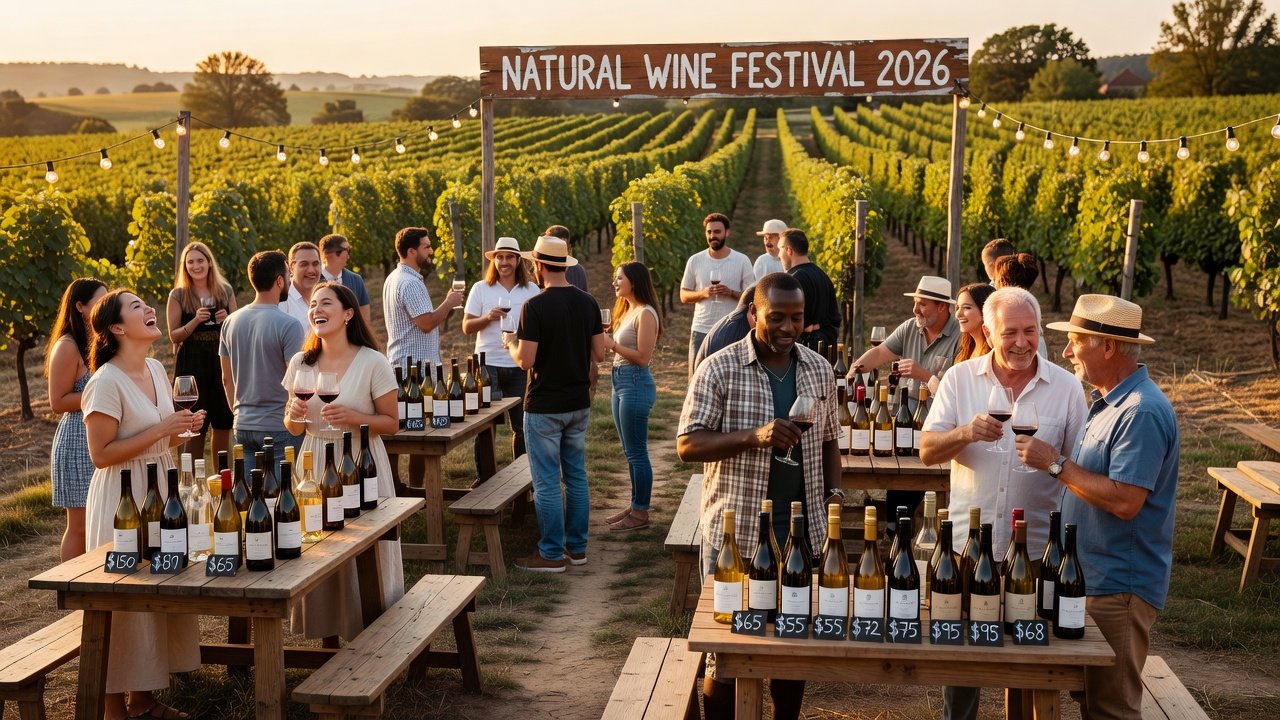
Natural, organic, biodynamic, and low-intervention wines continue to gain popularity among enthusiasts seeking authentic expressions of terroir. For budget-conscious travelers, 2026 offers several accessible festivals across Europe and emerging regions that deliver high-quality experiences without breaking the bank. These events emphasize small producers, minimal intervention techniques, and often pair wines with local sustainable foods. Attending these gatherings allows you to sample dozens of bottles from real low-intervention wineries while learning directly from makers. With careful planning around off-peak stays and group transport, costs stay manageable. The rise of natural wine reflects a broader shift toward transparent production methods that respect the environment, and festivals provide the perfect entry point for newcomers and seasoned drinkers alike.
Many attendees report that these smaller events foster genuine connections with winemakers, unlike larger commercial shows. In 2026, expect continued emphasis on climate-resilient practices and zero-additive wines that showcase pure fruit and minerality.
Top 7 Affordable 2026 Natural Wine Festivals
1. Loire Valley Natural Wine Days, France – May 15-17, 2026
This intimate event in the heart of France highlights low-intervention producers from the Loire. Ticket prices start at $65 (as of 2026-10-24). Expect walk-around tastings with over 80 producers and optional food pairings featuring local goat cheese and river fish. Crowd size remains moderate compared to larger commercial fairs, allowing deeper conversations. Tasting formats include both seated seminars on skin-contact whites and open sampling sessions. Sustainable travel hacks include carpooling from Paris via shared vans, which cuts emissions and splits fuel costs effectively.
2. Piedmont Low-Intervention Festival, Italy – June 5-7, 2026
Focuses on biodynamic and organic wines from Barolo and surrounding hills. Tickets cost $89 (as of 2026-10-24). The format includes seated masterclasses and producer meet-and-greets. Food pairings highlight truffles and hazelnuts. Producer diversity is excellent with strong representation from small family estates. Real 2026 case studies include wineries like those converting old vineyards to natural methods, yielding vibrant Nebbiolo expressions. Attendees often compare this to more crowded events, noting the superior access to rare bottles.
3. Andalusia Organic Wine Week, Spain – September 12-14, 2026
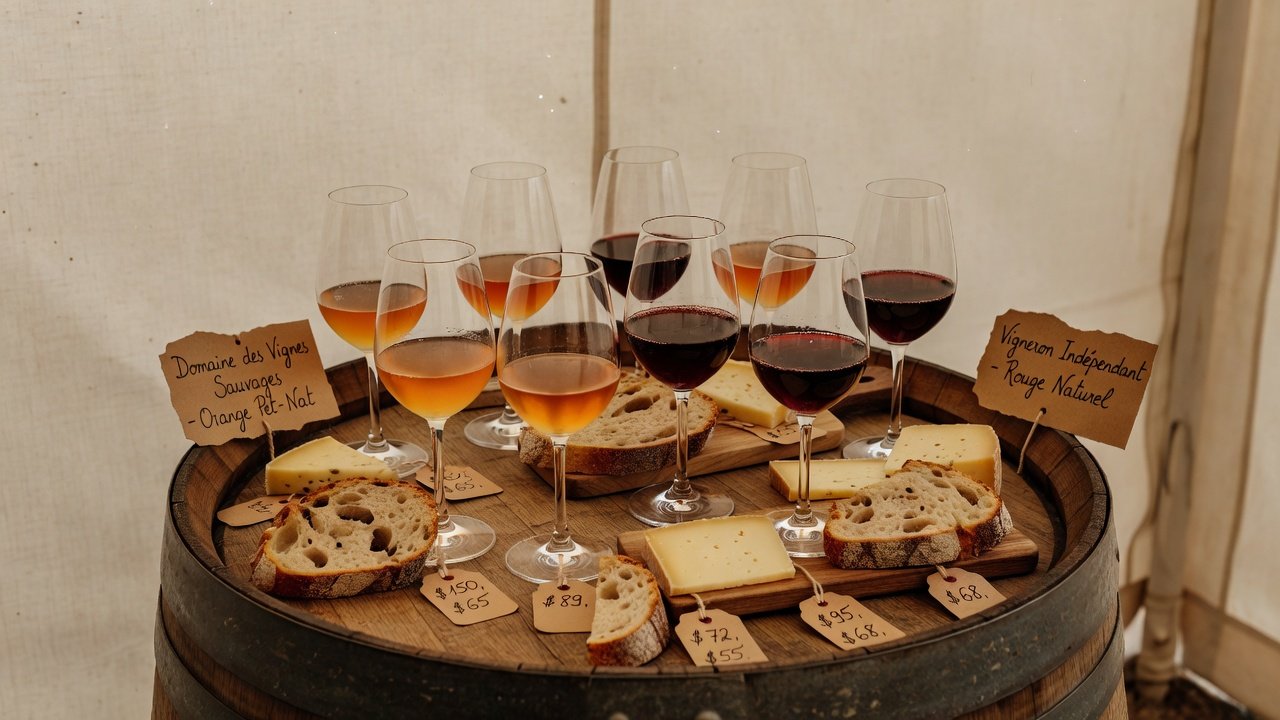
Emerging natural wine scene in southern Spain. Entry is $55 (as of 2026-10-24). Tastings occur in historic courtyards with emphasis on sherry-style natural wines. Smaller crowds make it ideal for relaxed conversations. Practical details include pairing sessions with olives and jamón, plus workshops on oxidative winemaking. Group transport from Seville via regional buses keeps expenses low while supporting local economies.
4. Cape Natural Wine Gathering, South Africa – February 20-22, 2026
An emerging region pick with strong sustainability focus. Tickets are $72 (as of 2026-10-24). Includes vineyard tours and pairings with local seafood. Group shuttles from Cape Town keep travel costs low. Producer examples feature estates using native yeast fermentations for Chenin Blanc that capture the unique fynbos terroir. This event stands out for its biodiversity education components.
5. Austrian Biodynamic Days, Austria – July 10-12, 2026
Highlights Grüner Veltliner and Zweigelt from biodynamic estates. $78 tickets (as of 2026-10-24) grant access to outdoor tastings and educational sessions on natural winemaking. Expanded offerings include soil health demonstrations and comparative tastings of conventional versus low-intervention wines. Off-peak stays in nearby villages provide authentic experiences at reduced rates.
6. Chilean Low-Intervention Summit, Chile – October 3-5, 2026
Features producers from the Casablanca Valley. Tickets under $95 (as of 2026-10-24) include vertical tastings and sustainable food pairings with empanadas and quinoa dishes. The format mixes indoor lectures with outdoor vineyard walks. Emerging region appeal comes from high-altitude sites producing elegant Pinot Noir with minimal sulfur additions.
7. Greek Island Natural Wine Fest, Greece – August 28-30, 2026
Focus on island-grown organic wines. $68 entry (as of 2026-10-24) with ferry-friendly access and beachside tastings. Smaller scale means higher producer interaction. Examples include Santorini producers reviving ancient Assyrtiko methods using volcanic soils. Practical booking involves combining with shoulder-season ferry deals for maximum savings.
Comparing Crowd Sizes, Producer Diversity, and Food Pairings
When choosing among these festivals, consider key differences. Crowd sizes at Loire and Greek events stay under 1,500 attendees for a more personal feel, while Piedmont draws closer to 3,000 yet maintains quality through staggered entry times. Producer diversity shines brightest at Austrian and Piedmont festivals with 100+ low-intervention wineries each, offering everything from pét-nat sparklers to amphora-aged reds. Food pairings elevate the experience: Spanish and Chilean events excel with regional specialties that complement natural acidity and texture, such as fresh seafood or hearty stews. In contrast, French and Italian events lean toward cheese-focused boards that highlight wine structure. These comparisons help budget travelers prioritize based on whether they seek intimacy or breadth.
Sustainable Travel Hacks for Budget Travelers
Book group train passes or shared vans to reduce emissions and costs. Choose off-peak lodging through local cooperatives. Many festivals partner with eco-hostels offering discounts for attendees. For deeper savings, consider sustainable tourism resources that outline low-impact routes across Europe. Additional tips include packing reusable tasting glasses to avoid single-use fees and timing visits around harvest seasons for bonus vineyard access. Real examples show travelers saving 30% by combining two nearby festivals into one trip using regional rail networks. Focus on public transport apps for real-time updates on eco-friendly shuttles.
FAQ: Maximizing Value at 2026 Natural Wine Festivals
How do I book tickets early? Monitor official festival sites starting January 2026 and set calendar reminders for release dates. Early birds often receive bonus tasting vouchers.
Can I attend without breaking the bank on travel? Combine festivals with regional train routes and stay in smaller towns nearby. Off-peak flights and bus packages frequently drop prices significantly.
What if I want real case studies? Look for events featuring producers like those from the Loire who converted to natural methods in 2023 and now export widely, demonstrating measurable improvements in soil health and wine complexity.
How can I ensure quality without high costs? Prioritize festivals with producer-led tastings over celebrity chef events, and always sample from multiple tables before committing to full pours.
Are there options for dietary restrictions? Most events now offer gluten-free and vegan pairings upon request, confirmed during booking.
Practical Booking Steps
- Research dates and secure tickets online immediately upon release to lock in lowest rates.
- Compare accommodation options near venues using cooperative listings for authentic, low-cost stays.
- Plan transport using public or shared options, referencing sustainable agriculture guidelines for context on supporting eco-friendly producers.
- Prepare a tasting notebook to track favorites for future purchases and share notes with fellow attendees.
- Review cancellation policies and consider travel insurance that covers event disruptions.
- Connect with online natural wine communities for insider tips on hidden gems at each festival.
Real-World Examples and Decision-Making Tips
Consider a traveler who attended both the Loire and Andalusia events in one season by using Eurail passes, sampling over 200 wines total while keeping total costs below $400 including transport. Such case studies highlight how strategic planning turns multiple festivals into cohesive learning journeys. Mistakes to avoid include overbooking consecutive days without rest or ignoring local weather for outdoor events. Ultimately, these 2026 gatherings reward preparation with unforgettable, affordable access to the natural wine movement.
No comments yet. Be the first!