 Uncorked Conversations
Mastering Wine Pairing Basics as a Beginner
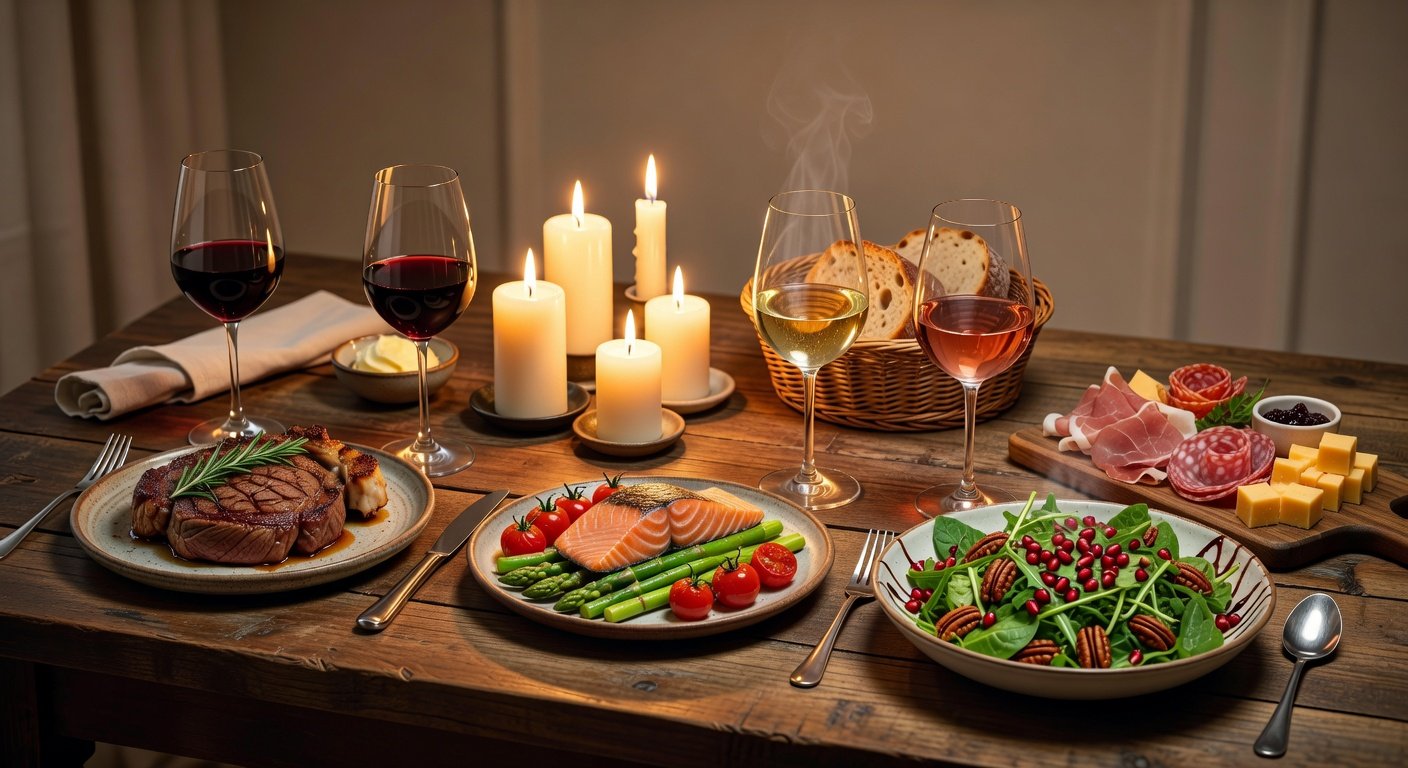
Pairing wine with food can seem intimidating, but it's simpler than you think. The key is balance: matching the wine's weight, acidity, tannins, and flavors to the dish's intensity and profile. This enhances both the food and wine, creating harmony on your palate. For beginners, start with three golden rules: reds suit hearty meats, whites match seafood, and rosés complement lighter dishes.
Why does this work? Red wines, rich in tannins from grape skins, cut through fatty meats like steak or lamb, cleansing your palate. White wines, often higher in acidity, brighten delicate seafood without overpowering it. Rosés, with their crisp fruitiness, bridge the gap for salads, charcuterie, or veggie-forward meals. These principles stem from classic sommelier wisdom, backed by flavor science.
Ready to dive in? We'll cover essential rules, a curated list of 8 easy pairings using affordable wines ($10-20) and everyday foods, tasting tips, pro hacks, and pitfalls to dodge. Experiment at home—your taste buds are the best judge!
Why Reds Go with Hearty Meats
Red wines shine with robust dishes because their bold tannins bind to proteins and fats, softening textures. A juicy ribeye pairs beautifully with Cabernet Sauvignon—the wine's blackberry notes and firm structure stand up to charred edges.
Why Whites Pair with Seafood
Seafood's subtle flavors need wines with bright acidity to refresh the mouth. Chardonnay's buttery oak complements lobster, while Sauvignon Blanc's citrus zing elevates shrimp cocktails. For more insights, check out Wine Spectator's pairing guides.
Rosés for Lighter, Fresher Dishes
Rosés offer versatility with their light body and strawberry hints, ideal for picnics or apps. They won't overwhelm salads or grilled veggies.
8 Beginner-Friendly Wine Pairings
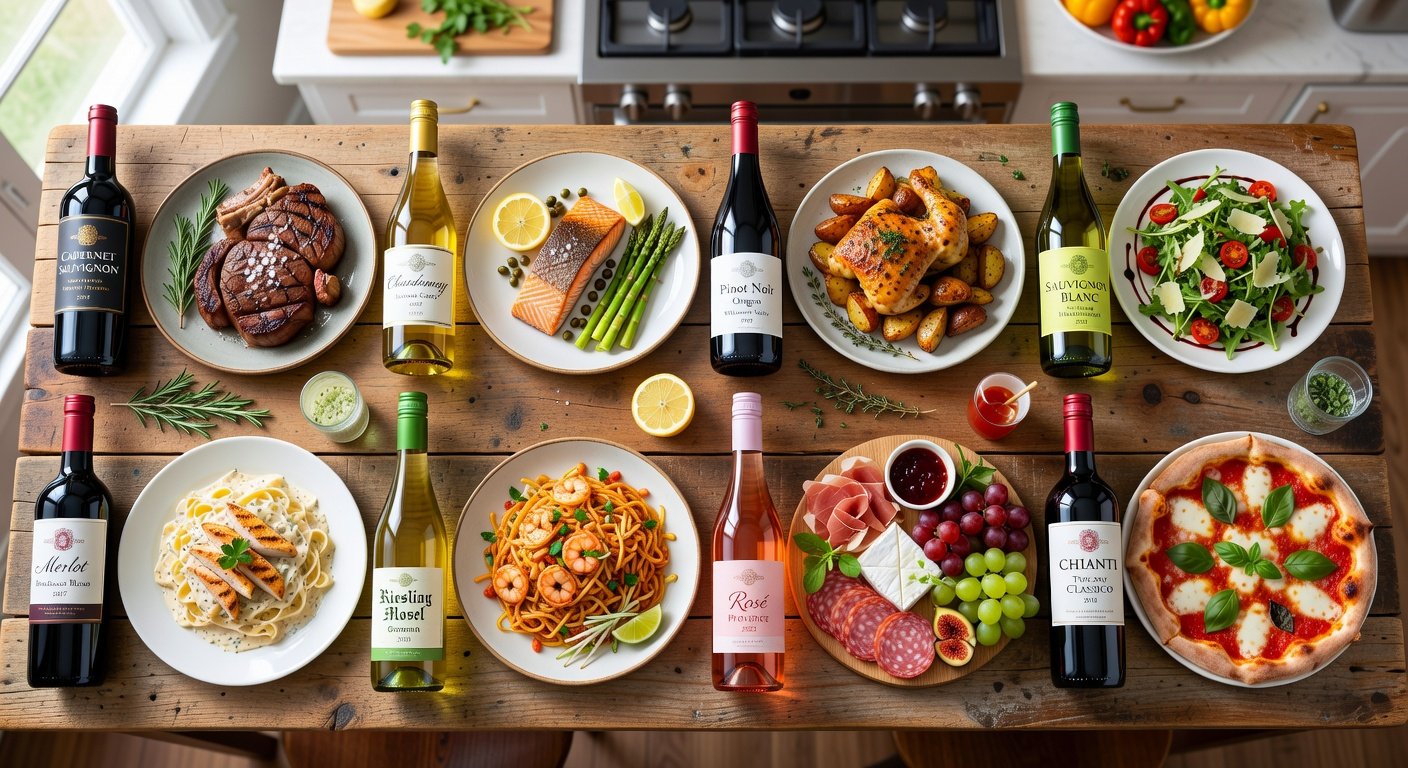
Here’s a handpicked list of foolproof matches. Each uses supermarket staples and budget wines. Sip slowly, note aromas, flavors, and finish. Pro hack: Serve reds slightly chilled (60°F) and whites at 45-50°F for peak enjoyment.
- Cabernet Sauvignon & Grilled Steak
Affordable pick: Josh Cellars Cabernet ($12). Why? Tannins tame steak's richness; blackcurrant echoes grill smoke. Tasting tip: Swirl and sniff for cedar notes. Hack: Add rosemary to steak for synergy. Pitfall to avoid: Skip sweet BBQ sauce—it clashes with tannins. - Chardonnay & Baked Salmon
Try Kendall-Jackson Vintner's Reserve ($15). Buttery apple flavors mirror salmon's oils. Tip: Notice vanilla on the finish. Hack: Lemon zest on fish amplifies acidity. Avoid: Overly oaked whites with lean fish. - Pinot Noir & Roast Chicken
Beringer Classic Pinot ($10). Cherry earthiness hugs herb-crusted bird. Tip: Pair with mushroom gravy. Hack: Chill Pinot 20 mins for freshness. Pitfall: Heavy cream sauces muddy light reds. - Sauvignon Blanc & Caprese Salad
Kim Crawford Sauvignon Blanc ($15). Grass and lime cut tomato acidity. Tip: Inhale basil aromas first. Hack: Fresh mozzarella boosts creaminess. Avoid: Ripe tomatoes alone—add balsamic sparingly. - Merlot & Spaghetti Bolognese
Columbia Crest Merlot ($10). Plum softness melds with meaty sauce. Tip: Taste pasta first, then wine. Hack: Parmesan shavings enhance fruit. Pitfall: Spicy arrabbiata overpowers Merlot's subtlety. - Riesling (Off-Dry) & Pad Thai
Dr. Loosen Riesling ($12). Peach sweetness tames chilies. Tip: Off-dry balances heat. Hack: Lime squeeze refreshes. Avoid: Dry Riesling with spice—it amplifies burn. - Provence Rosé & Charcuterie Board
Whispering Angel Rosé ($18). Melon crispness loves salami and cheese. Tip: Alternate bites. Hack: Pickled veggies for acidity pop. Pitfall: Heavy pâté swamps rosé. - Chianti & Pepperoni Pizza
Ruffino Chianti ($13). Cherry tartness fights tomato sauce. Tip: Focus on crust char. Hack: Arugula topping adds peppery lift. Avoid: Pineapple pizza—sweetness fights acidity. For classic Italian pairings, visit Decanter.
Pro Hacks for Success
- Acidity Match: Acidic foods (tomatoes, vinegar) need acidic wines.
- Sweetness Balance: Spicy or sweet dishes crave off-dry wines.
- Temperature Trick: Whites too warm taste flabby; reds too cold hide fruit.
- Glassware: Bigger glasses for reds to breathe; smaller for whites.
Common Pitfalls to Avoid
Don't overpower delicate wines with bold foods—a light Pinot with ghost pepper tacos? Disaster. Skip sweet wines with salty snacks; they amplify saltiness. Overchilling reds mutes flavors. And remember: No rigid rules—if chocolate and Cabernet delights you, go for it!
Experiment at Home
Grab a notebook for notes: What aromas pop? Does the finish linger? Host a tasting with friends using these pairs. Local wine shops offer samples—ask for beginner recs. As you explore, you'll build confidence. Wine pairing is personal joy, not perfection. Cheers to your flavorful journey!
No comments yet. Be the first!