 Uncorked Conversations
Introduction to Wine Labels
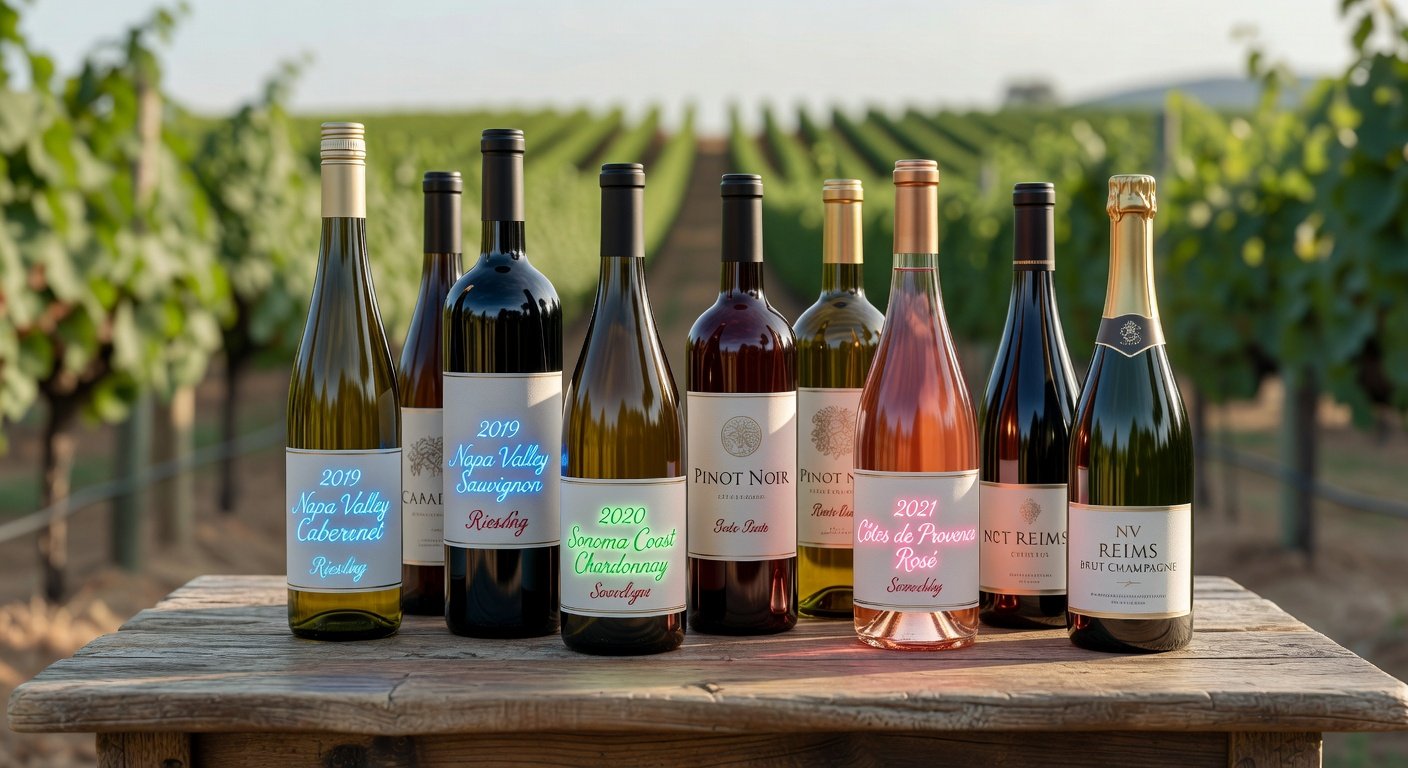
Stepping into a wine shop or scanning a restaurant menu can feel overwhelming for beginners. Wine labels hold the key to understanding what's inside the bottle, but they often use unfamiliar terms and symbols. This guide demystifies wine labels, covering essentials like grape varieties, regions, vintages, and terms such as 'dry' or 'estate bottled.' By the end, you'll have a step-by-step checklist to select wines confidently.
Wine labels vary by country, but most follow similar conventions. European labels emphasize region and producer, while New World wines (from the US, Australia, etc.) highlight grape varieties. Let's break it down.
Key Elements on Every Wine Label
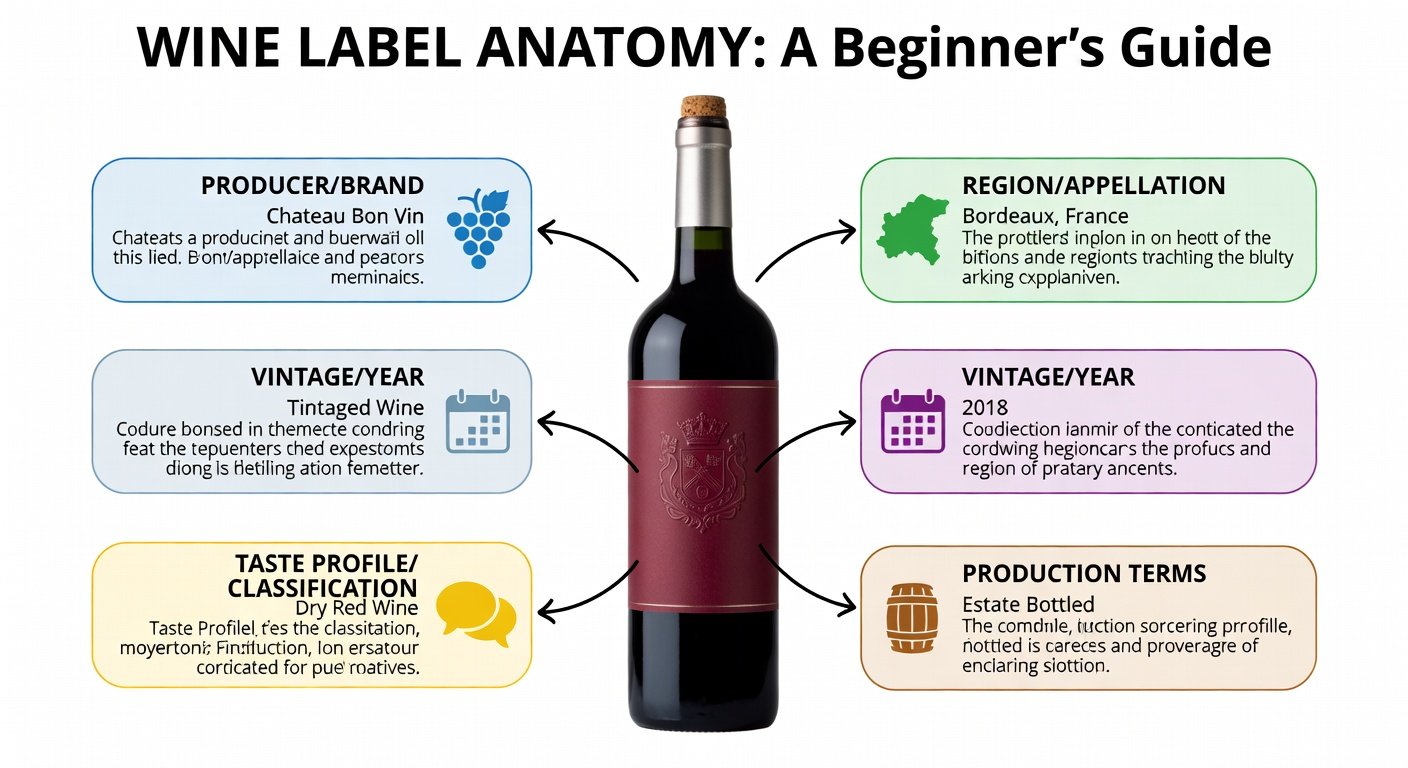
Producer and Brand Name
At the top, you'll find the winery's name, like 'Château Margaux' or 'Robert Mondavi.' This indicates the maker and often hints at quality—familiar names from reputable producers are a safe bet for beginners.
Grape Varieties
New World labels list grapes prominently, such as 'Cabernet Sauvignon' or 'Chardonnay.' These tell you the wine's flavor profile: Cabernet Sauvignon offers bold reds with blackcurrant notes, while Chardonnay brings buttery whites. Old World wines might not list grapes, assuming the region defines them (e.g., Chianti = Sangiovese).
- Red grapes: Cabernet Sauvignon (full-bodied), Pinot Noir (light, fruity), Merlot (soft, plumy).
- White grapes: Chardonnay (oaky or crisp), Sauvignon Blanc (citrusy), Riesling (floral, sweet to dry).
Region or Appellation
This is crucial, especially for Old World wines. Look for 'appellation contrôlée' (France), 'DOC' or 'DOCG' (Italy), or AVAs like 'Napa Valley' (US). Regions dictate style: Bordeaux reds are structured, while Burgundy whites are elegant.
For more on global wine regions, check out resources from the Wine Folly site.
Vintage Date
The year on the label is the harvest year, not bottling. Great vintages (e.g., 2010 Bordeaux) mean higher quality and aging potential. Non-vintage (NV) wines, common in Champagne, blend years for consistency. Beginners: Stick to recent vintages (2-5 years old) for most wines unless advised otherwise.
Alcohol Content and Volume
Typically 12-15% ABV for table wines. Higher means more body. Bottle size is usually 750ml.
Key Terms to Know
Wine labels use jargon that signals quality and style:
- Dry: Little to no sweetness—ideal for savory meals.
- Off-dry/Semi-sweet: Slight sweetness.
- Estate bottled: Grapes grown, fermented, and bottled on-site (higher quality control).
- Reserve: Often aged longer, premium.
- Organic/Biodynamic: Sustainable farming.
- Grand Cru/Premier Cru: Top vineyard classifications (Bordeaux/Burgundy).
US labels must comply with federal standards; learn more from the Alcohol and Tobacco Tax and Trade Bureau.
Visual Breakdown: What to Spot First
Imagine a label: Producer at top, grape/region in middle, vintage bottom-left, terms scattered. Seals like 'vegan' or awards add reassurance. Front labels sell the story; back labels detail tech specs (acidity, tannins for reds).
Step-by-Step Checklist for Selecting Wine
Use this foolproof checklist in stores or restaurants:
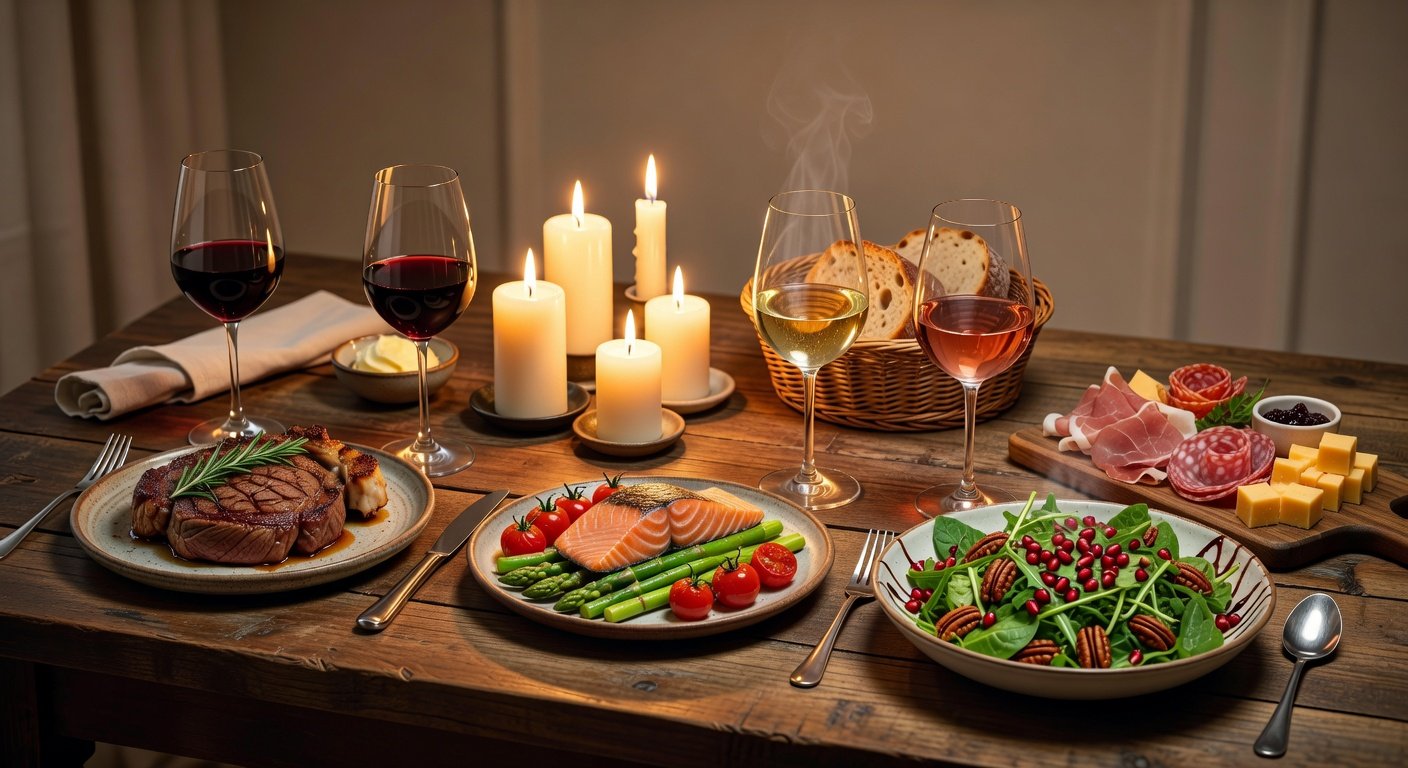
- Match your meal: Reds for meat, whites for fish/veggies.
- Check grape: Beginner-friendly? Chardonnay or Pinot Grigio for whites; Merlot for reds.
- Scan region: Napa for bold US reds; Tuscany for Italian value.
- Verify vintage: Recent unless cellaring.
- Read terms: 'Dry' if avoiding sweet; 'estate' for quality.
- Price check: $10-20 bottles punch above weight.
- Ask staff: 'Any recommendations like this label?'
Tips for Wine Beginners
Build confidence:
- Start simple: Focus on 5 grapes/regions first.
- Use apps: Vivino or Delectable scan labels for reviews.
- Buy half-bottles: Test without commitment.
- Restaurant savvy: Order by glass first; say 'something light and fruity.'
- Avoid hype: Fancy labels don't guarantee taste—trust your reads.
Practice with affordable bottles. Soon, labels will guide you to favorites.
Common Mistakes to Avoid
Don't judge by artwork alone—pretty doesn't mean tasty. Skip super-old vintages without advice. Ignore ABV extremes unless specified.
Conclusion
Mastering wine labels empowers you to choose wisely. Next time you're shopping, use our checklist—you'll feel like a pro. Happy sipping!
No comments yet. Be the first!