 Uncorked Conversations
Introduction to Essential Grape Varieties
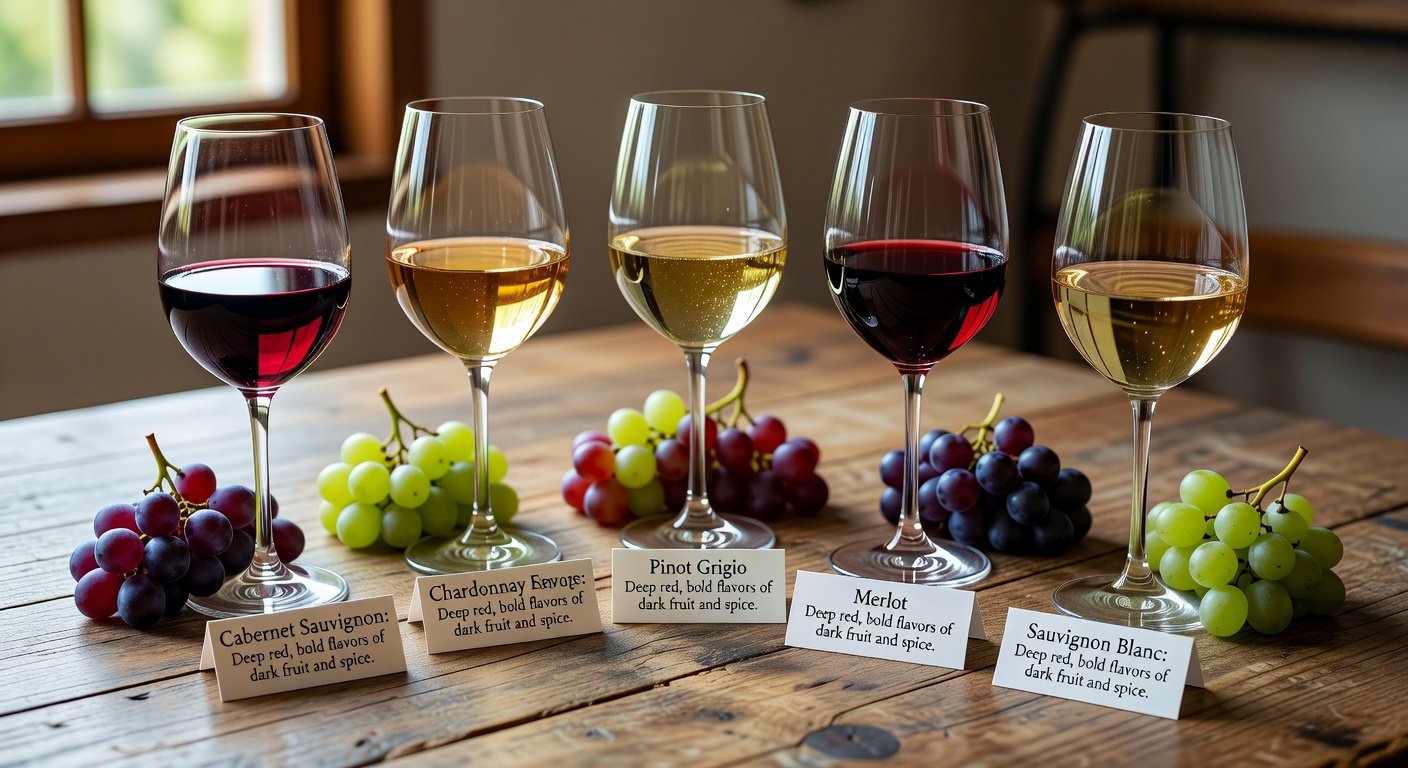
Stepping into the world of wine can feel overwhelming with thousands of bottles lining the shelves. But fear not! Focusing on five popular grape varieties—Cabernet Sauvignon, Chardonnay, Pinot Grigio, Merlot, and Sauvignon Blanc—will give beginners a solid foundation. These grapes are widely available, versatile, and represent both red and white wines. In this guide, we'll break down their flavor profiles, common growing regions, typical styles, and pro tips for spotting them when shopping. Whether you're pairing with dinner or enjoying solo, these varietals make it easy to build confidence.
Understanding grapes helps you read labels, match wines to your taste, and impress friends at your next gathering. Let's dive in!
Cabernet Sauvignon: The Bold King of Reds
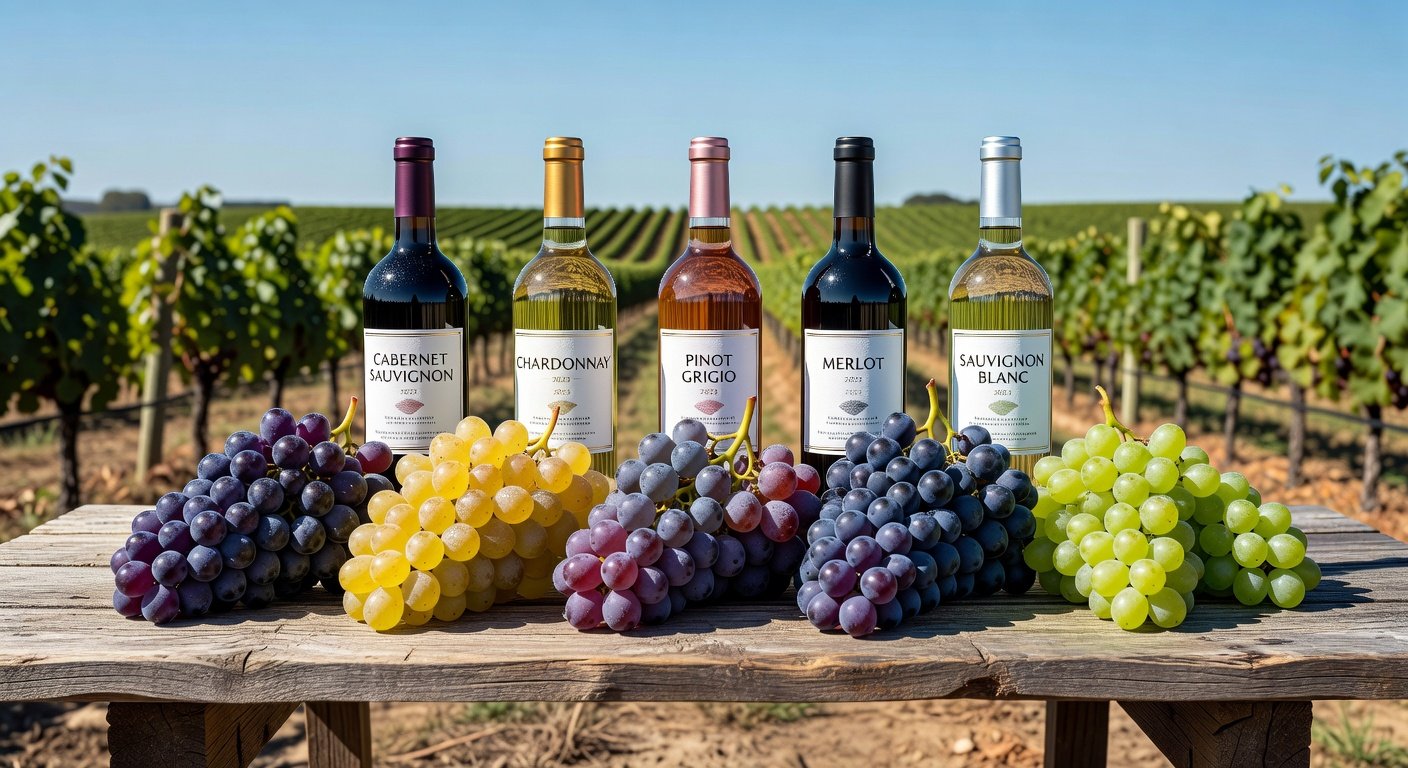
Cabernet Sauvignon is often called the "noble grape" for its structure and aging potential. It's a full-bodied red with dark fruit flavors like blackcurrant, blackberry, and plum, often laced with notes of green bell pepper, vanilla from oak aging, and firm tannins that give a drying sensation on the palate.
- Common Regions: Bordeaux (France), Napa Valley (California, USA), Coonawarra (Australia).
- Wine Styles: Dry reds; from everyday drinkers to premium vintages that age for decades. Look for "Cabernet Sauvignon" or blends like Bordeaux-style.
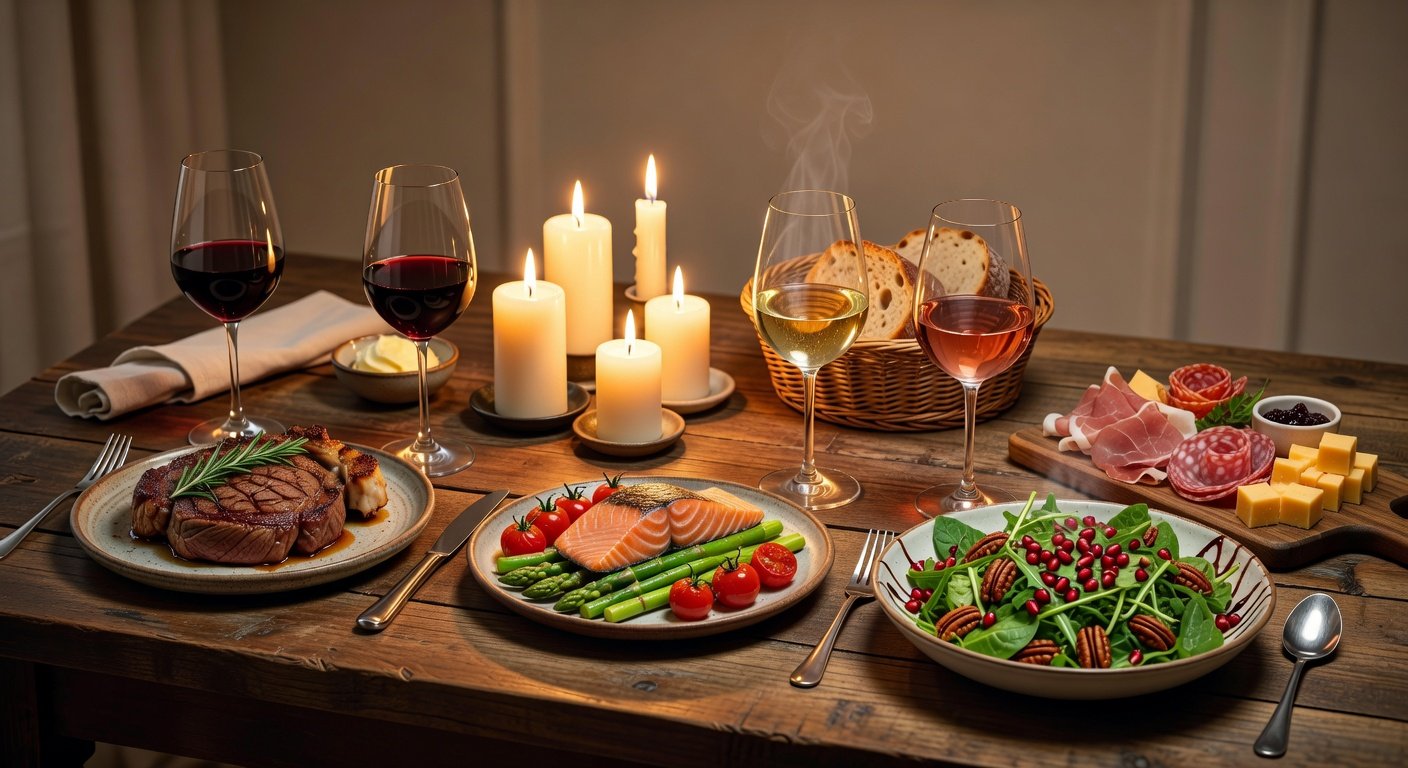
Perfect for grilled meats or cheese boards. For more on its history, check out Wine Folly.
Chardonnay: Versatile White Wonder
Chardonnay is the world's most planted white grape, ranging from crisp and citrusy to rich and buttery. Unoaked versions offer green apple, lemon, and mineral notes; oaked ones bring tropical fruit, vanilla, and creamy texture from barrel fermentation.
- Common Regions: Burgundy (France), Sonoma and Napa (California), Marlborough (New Zealand).
- Wine Styles: Still whites, sparkling (like Champagne), or lightly sparkling. Seek "Chardonnay" on labels, noting if it's "unoaked" or "barrel-fermented."
Pair with poultry, seafood, or creamy pastas. Its adaptability makes it a beginner's best friend.
Pinot Grigio: Light and Refreshing
Pinot Grigio (or Pinot Gris) delivers easy-drinking whites with bright acidity. Expect flavors of green apple, pear, citrus, and sometimes almond or stone fruit. Italian versions are zesty and mineral-driven; Alsatian (Pinot Gris) styles are richer and spicier.
- Common Regions: Alto Adige and Veneto (Italy), Alsace (France), Oregon (USA).
- Wine Styles: Dry, crisp whites ideal for casual sipping. Labels often say "Pinot Grigio" for Italian styles.
Great with salads, light seafood, or as an aperitif on hot days.
Merlot: Soft and Plush Red
Merlot is Cabernet's softer sibling, offering plush reds with ripe plum, cherry, and chocolate notes, plus velvety tannins and medium body. It's approachable and fruit-forward, with herbal or earthy undertones in cooler climates.
- Common Regions: Right Bank Bordeaux (Pomerol, Saint-Émilion, France), Washington State (USA), Tuscany (Italy).
- Wine Styles: Dry reds, often blended but standalone "Merlot" bottles abound. Excellent for early drinking.
Matches roasted veggies, pasta, or burgers. Explore varietal details at Wine Spectator.
Sauvignon Blanc: Zesty and Vibrant
Sauvignon Blanc bursts with herbaceous, tropical vibes: think grapefruit, passionfruit, gooseberry, and fresh-cut grass. High acidity keeps it lively and refreshing.
- Common Regions: Loire Valley and Bordeaux (France), Marlborough (New Zealand), Sonoma (California).
- Wine Styles: Dry whites, sometimes with a touch of residual sugar. Pure expressions labeled "Sauvignon Blanc."
Ideal for goat cheese, sushi, or spicy Thai food.
Tips for Spotting These Grapes When Shopping
As a beginner, empower yourself at the store with these strategies:
- Read the Label Front: Grape names are often prominent. Prioritize single-varietal wines (e.g., 100% Cabernet Sauvignon) for purity.
- Check the Back: Look for regions—Napa Cab, Marlborough Sauv Blanc signal quality styles.
- Price Point: Start with $10-20 bottles. Avoid ultra-cheap generics; seek reputable producers.
- Ask for Help: Tell staff your prefs (e.g., "light white like Pinot Grigio")—they'll guide you.
- Apps & Tools: Use Vivino or Wine-Searcher to scan bottles for reviews and grape info.
- Color Clue: Reds like Cab and Merlot are deep ruby; whites vary from pale straw (Pinot Grigio) to golden (oaked Chardonnay).
Experiment by buying one red (Merlot or Cab) and one white (Sauv Blanc or Pinot Grigio) per trip. Chill whites to 45-55°F and serve reds at 60°F for best enjoyment.
Building Your Beginner Collection
Start small: Grab a Napa Cabernet Sauvignon for power, an Italian Pinot Grigio for ease, and a New Zealand Sauvignon Blanc for zest. Track what you like in a notebook—what flavors pop? Pairings work? Soon, you'll navigate aisles like a pro.
These grapes are gateways to deeper exploration, like Chardonnay's sparkling kin or Merlot's Bordeaux blends. Happy sipping—your wine journey is just beginning!
No comments yet. Be the first!