 Uncorked Conversations
Introduction to Digital Wine Tasting Practice
Learning to taste wine effectively requires consistent practice, and in 2026 digital tools make this accessible for beginners. Apps provide structured guidance on the 5 S's method—See, Swirl, Sniff, Sip, and Savor—while helping users build personal tasting logs. This approach turns casual sipping into skill-building sessions that improve aroma identification and note-taking over time. Beginners often search for guided, tech-assisted learning because traditional classes can feel intimidating or expensive, yet apps deliver interactive exercises, community feedback, and progress metrics right from a smartphone or tablet. By combining visual prompts, aroma databases, and tracking features, these platforms create a supportive environment where users develop confidence without leaving home. Over the coming sections we explore how to choose the right app, apply the 5 S's in practice, compare free and paid tiers, and integrate tasting into everyday routines for measurable improvement.
Mastering the 5 S's Method Through Apps
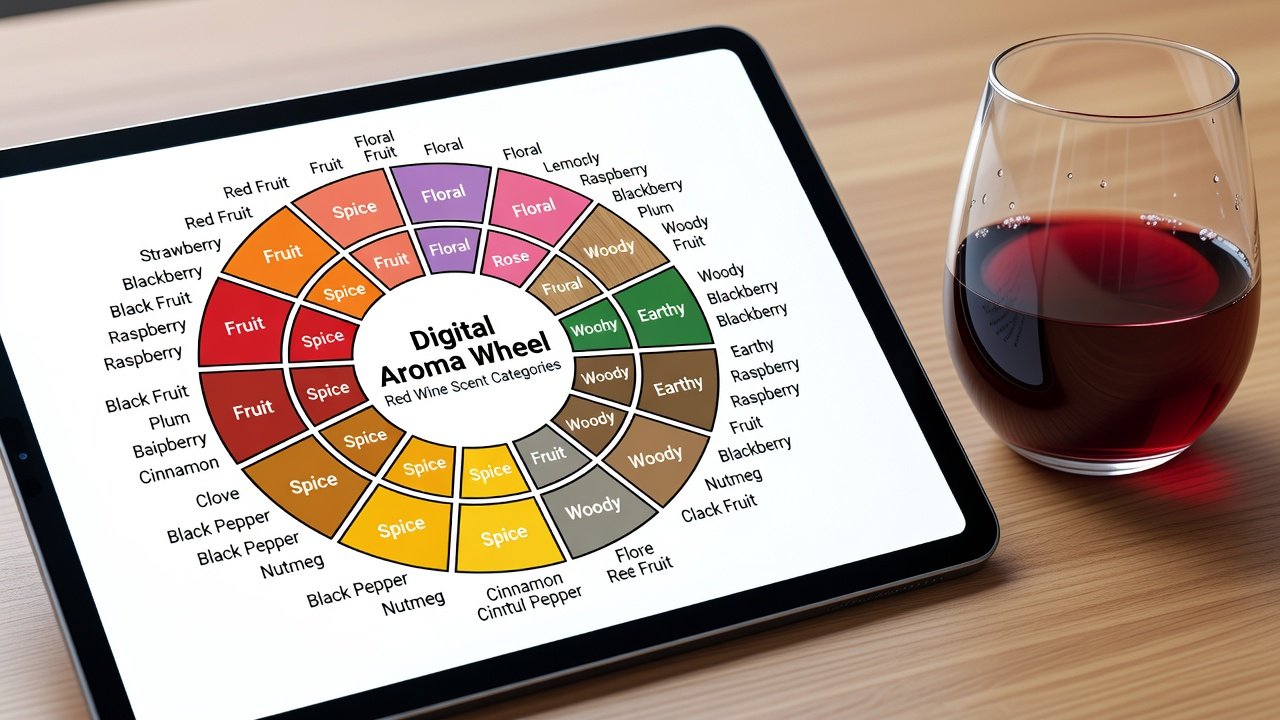
The 5 S's form the foundation of professional tasting and apps reinforce each step with prompts and examples. Start with See to observe color and clarity, noting whether a white wine appears straw-yellow or golden and whether a red shows ruby or garnet tones. Next comes Swirl, which releases volatile compounds and creates legs on the glass that indicate alcohol and sugar levels. Sniff identifies primary notes such as citrus, red fruit, herbs, or oak while apps offer searchable aroma wheels with audio pronunciations and intensity sliders. Sip evaluates sweetness, acidity, tannin, body, and flavor persistence on the palate, and Savor assesses the finish length and any evolving aftertastes. Digital interfaces often include checklists that mirror sommelier training so users apply the method consistently rather than guessing randomly. Many platforms also embed short video tutorials demonstrating proper technique for each S, helping beginners avoid common errors like over-swirling or sniffing too aggressively.
Top 2026 Apps for Interactive Tasting Practice
Vivino remains a leader with its vast database and community-driven ratings. Beginners can scan labels to access tasting notes and then add their own observations using guided fields for the 5 S's. Alternatives include CellarTracker for detailed cellar management and Delectable for social sharing of aroma discoveries. Other strong options feature Wine-Searcher for price context alongside notes and emerging apps focused on aroma wheels with audio descriptions. Each app emphasizes interactive elements such as quizzes on grape varieties or virtual blind tastings that simulate restaurant scenarios. Vivino stands out for its photo-based scanning that instantly pulls up crowd-sourced data, making it ideal for quick daily practice sessions. Wine Spectator offers expert commentary that users can cross-reference with their personal logs for deeper learning. These tools collectively support a range of learning styles from visual to social to analytical.
Step-by-Step Tutorials for Logging Notes and Identifying Aromas
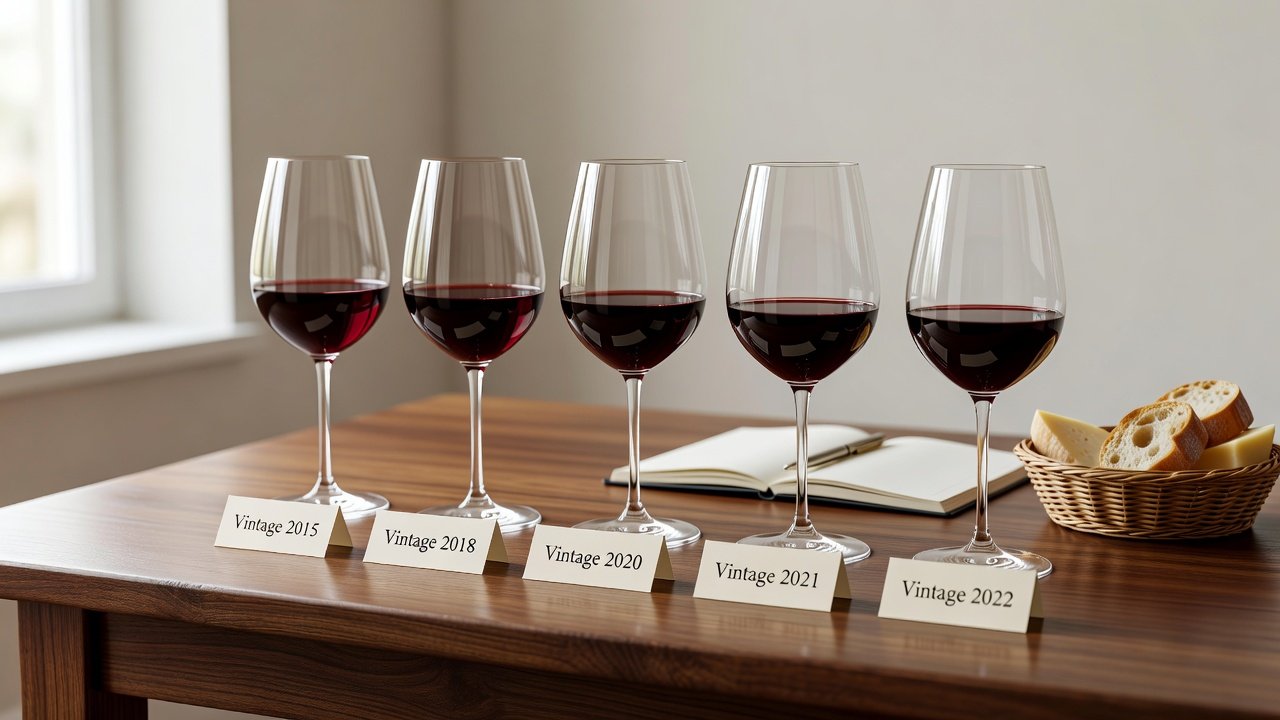
Begin by creating a profile and selecting a wine from your collection or a recent purchase. Use the app's aroma selector tool to match detected scents against a digital wheel—common entries include citrus, oak, or floral tones—then adjust sliders for intensity and specify descriptors like "ripe" or "underripe." Record mouthfeel during the Sip phase by choosing from options such as silky, grippy, or creamy, and note finish duration in seconds during Savor. Progress tracking dashboards show improvement areas, such as consistently missing herbal notes, and suggest targeted exercises like focusing on one aroma family per week. Repeat sessions with the same wine over weeks to compare entries and refine palate memory. For example, a user might log a Sauvignon Blanc three times across different vintages, noting evolving grassy versus tropical fruit profiles, which builds comparative tasting skills essential for future blind tastings.
Free Versus Paid Comparisons
Free tiers typically allow basic scanning, limited logs, and community access, which suits casual users who want occasional guidance without commitment. Paid upgrades unlock advanced filters, unlimited entries, expert reviews, personalized recommendations based on your tasting history, offline access, and detailed analytics such as flavor trend graphs. Evaluate based on how often you plan to log wines and whether you need offline access or detailed analytics. Free versions often suffice for the first month of experimentation, while paid plans become valuable once users exceed ten logs per week or want to export data for personal records. Some apps also offer family sharing or group tasting modes in paid tiers, which can enhance social learning.
Practical Examples of Building a Personal Tasting Log
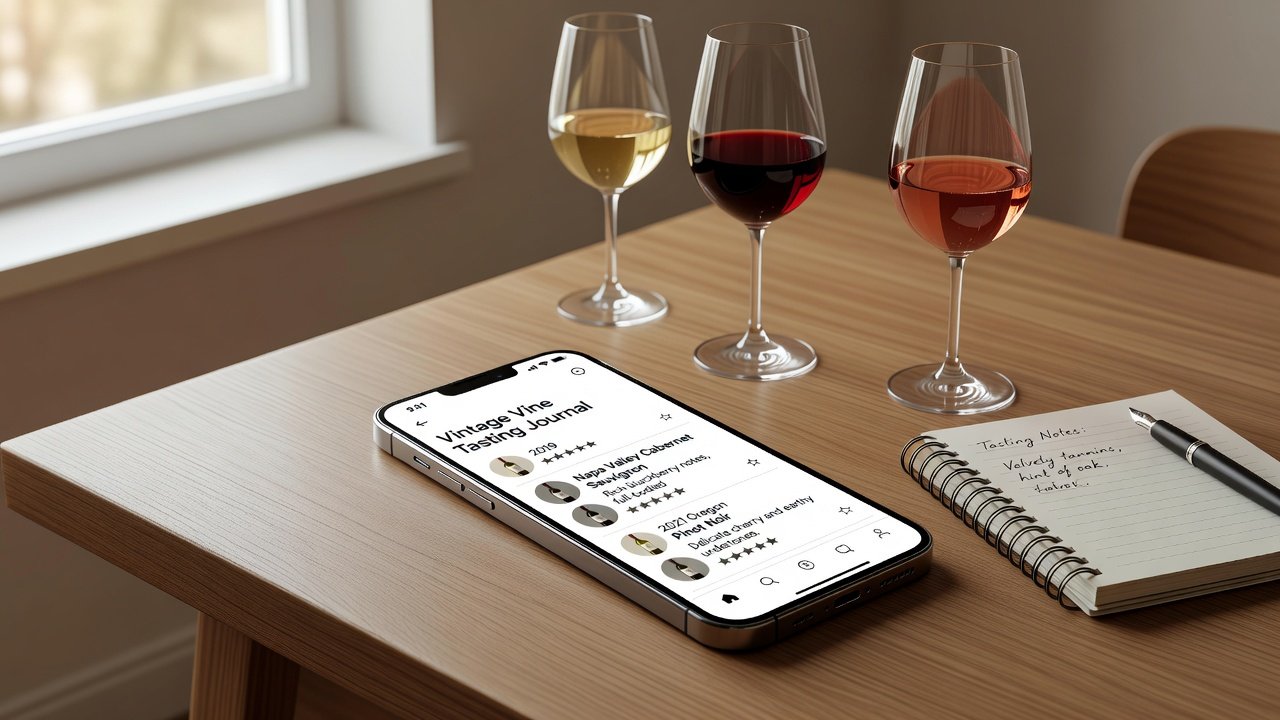
Imagine logging a Chardonnay: Note pale gold color under See, vigorous legs after Swirl, apple and butter aromas on Sniff, crisp acidity on Sip, and a medium finish on Savor. A second example could be a Cabernet Sauvignon where the log captures deep purple hue, blackcurrant and cedar notes, firm tannins, and a long, structured finish. Over time, your log reveals patterns like preference for high-acid whites or aversion to heavy oak, guiding future purchases and tastings. Export logs as PDFs for reference during restaurant visits or share entries with friends for group feedback. Advanced users often tag entries with food pairings, weather conditions, or even mood, creating rich contextual data that reveals how external factors influence perception.
Tips for Integrating Apps Into Daily Habits
- Pair app use with evening meals by logging one glass per night and reviewing notes the next morning.
- Set weekly reminders to complete a 5 S's exercise with a new bottle from a different region.
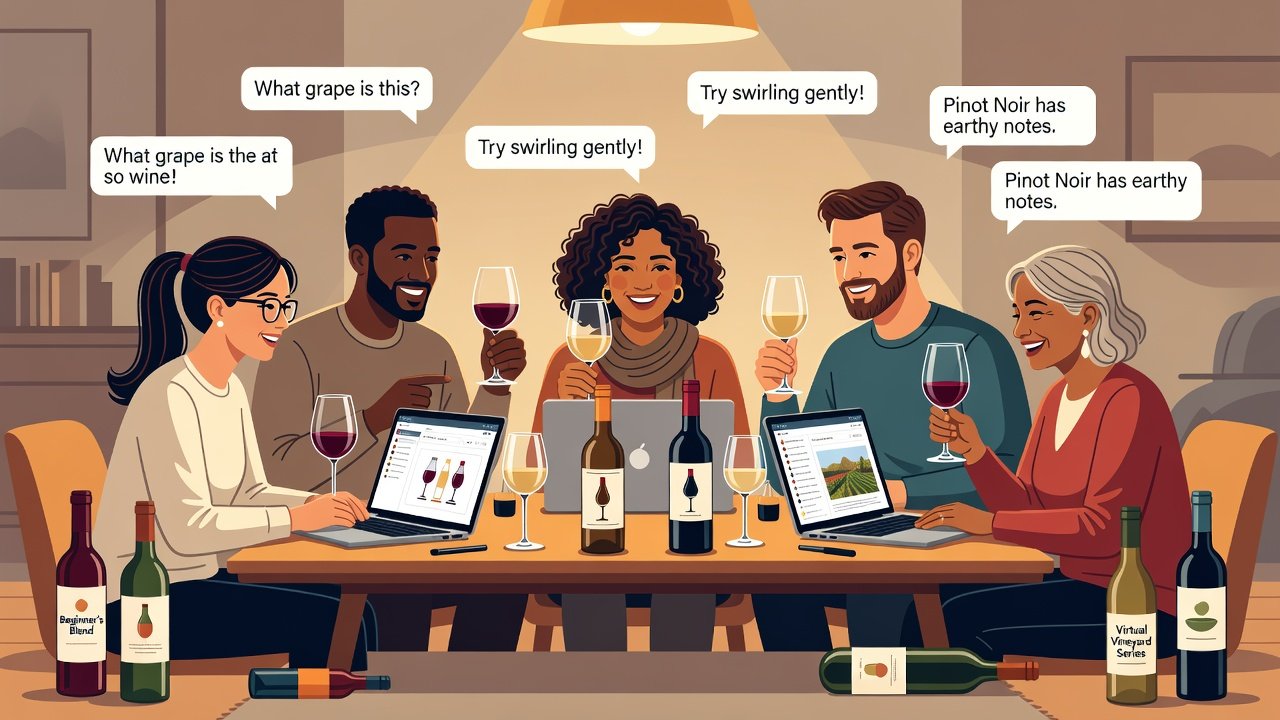
- Join app communities to compare notes and learn from others' aroma identifications during virtual tastings.
- Combine digital logs with physical notebooks for hybrid review sessions that reinforce memory through handwriting.
- Schedule monthly blind tasting challenges using the app's quiz mode to test progress without seeing labels.
- Sync logs with calendar apps so tasting sessions become non-negotiable appointments in your routine.
Consistency matters more than volume—short, focused sessions build skills faster than infrequent long ones. Users who log at least three wines weekly typically see faster palate development than those who log sporadically.
Common Mistakes Beginners Should Avoid
Many new users rush the Sniff step and miss subtle secondary aromas; apps mitigate this by enforcing timed prompts. Another frequent error is inconsistent terminology—switching between "cherry" and "red fruit" without standardization—so most platforms suggest standardized descriptors. Over-reliance on community ratings instead of personal notes can also hinder growth, which is why experts recommend writing your own observations first before viewing others' entries. Finally, neglecting to log the same wine multiple times prevents tracking evolution, so apps now include reminders to revisit favorites.
FAQ on Common Beginner Questions
How long until I notice improvement?
Most users report clearer aroma detection within four to six weeks of regular app-guided practice, especially when they review past logs weekly.
Do I need expensive wines to practice?
No—everyday bottles provide excellent training when you apply the 5 S's method deliberately and record detailed observations.
Can apps replace in-person classes?
They complement classes well but work best alongside occasional real-world tastings for full sensory development and social interaction.
Which app works best for aroma identification?
Apps with robust digital aroma wheels and audio support tend to accelerate learning for beginners focused on scent recognition.
Conclusion
Digital tools transform wine tasting from guesswork into measurable progress. By focusing on the 5 S's, detailed logging, and consistent habits, beginners develop confident palates in 2026 and beyond. Start with one app that matches your style and commit to regular sessions for lasting results that enhance both enjoyment and expertise.
No comments yet. Be the first!