 Uncorked Conversations
Introduction
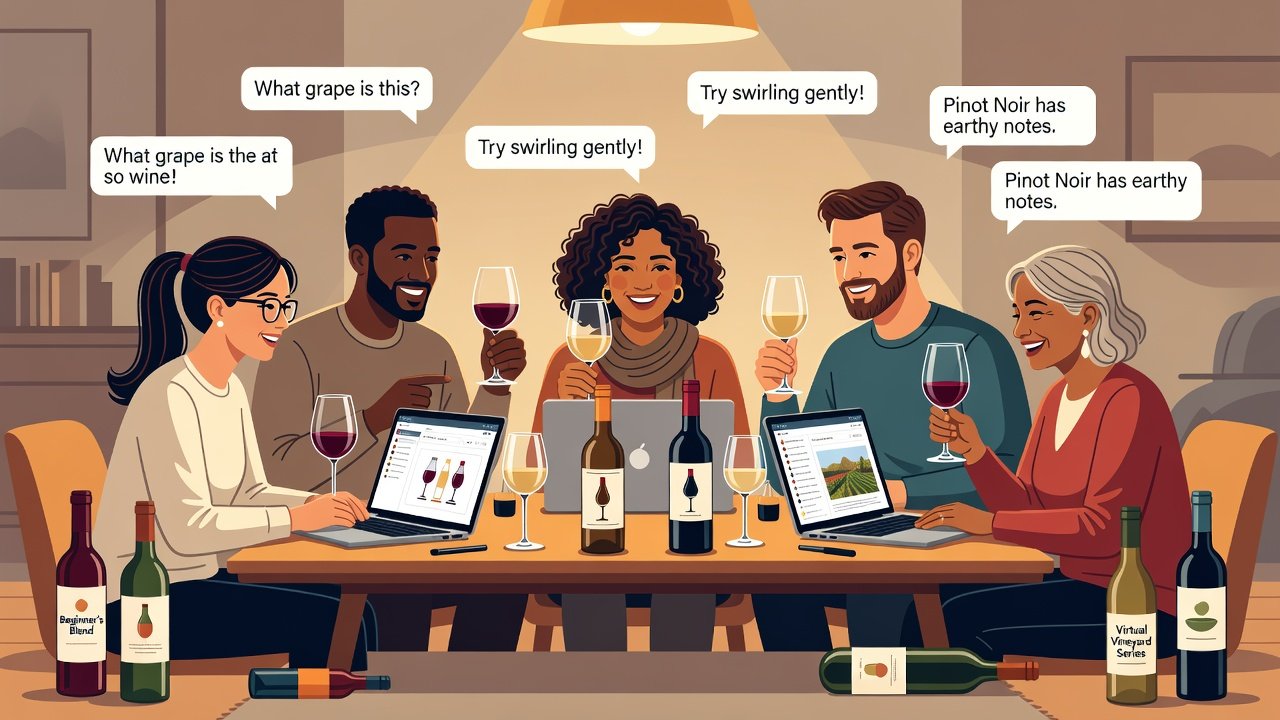
Entering the world of wine can feel overwhelming with its vast terminology, regions, and tasting nuances. In 2026, interactive online communities provide invaluable support for beginners, offering real-time discussions, shared tasting notes, and expert guidance far beyond static apps or websites. These spaces foster connections, answer questions, and build confidence through collective experiences that help new enthusiasts develop their palate and understanding of wine culture. Whether you are curious about your first bottle of Pinot Noir or want to learn how to describe complex aromas like blackcurrant and graphite, these platforms make the journey accessible and enjoyable.
Online wine communities emphasize interaction over passive reading. Members share photos of bottles, host virtual tastings, and debate topics ranging from sustainable winemaking to vintage comparisons. This guide explores the best options available in 2026, complete with practical steps for joining, participating safely, and maximizing learning opportunities while avoiding common beginner mistakes.
Why Online Wine Communities Matter for Beginners
Online communities accelerate learning by connecting novices with enthusiasts and professionals worldwide. They emphasize interactive elements such as live tastings, Q&A sessions, and collaborative reviews that static resources cannot replicate. Beginners benefit from diverse perspectives that help demystify concepts like terroir, varietals, and aging potential through shared personal stories and real-time feedback. These groups also promote inclusivity, welcoming all experience levels while maintaining structured moderation to ensure respectful exchanges and accurate information sharing.
Participating regularly builds not only knowledge but also social connections that can lead to lasting friendships and even in-person events. Many beginners report gaining confidence to host their own tastings after just a few weeks of active involvement in supportive communities.
Top Forums and Dedicated Websites
Established wine forums remain popular for in-depth threads. Sites like Wine Spectator's community board and CellarTracker forums allow detailed discussions on vintages, pairings, and storage techniques. Beginners can start with introductory threads to ease in and gradually contribute their own observations. These platforms often feature searchable archives of past discussions, making them excellent for researching specific questions about regions or producers before posting anything new.
Reddit Threads for Wine Beginners
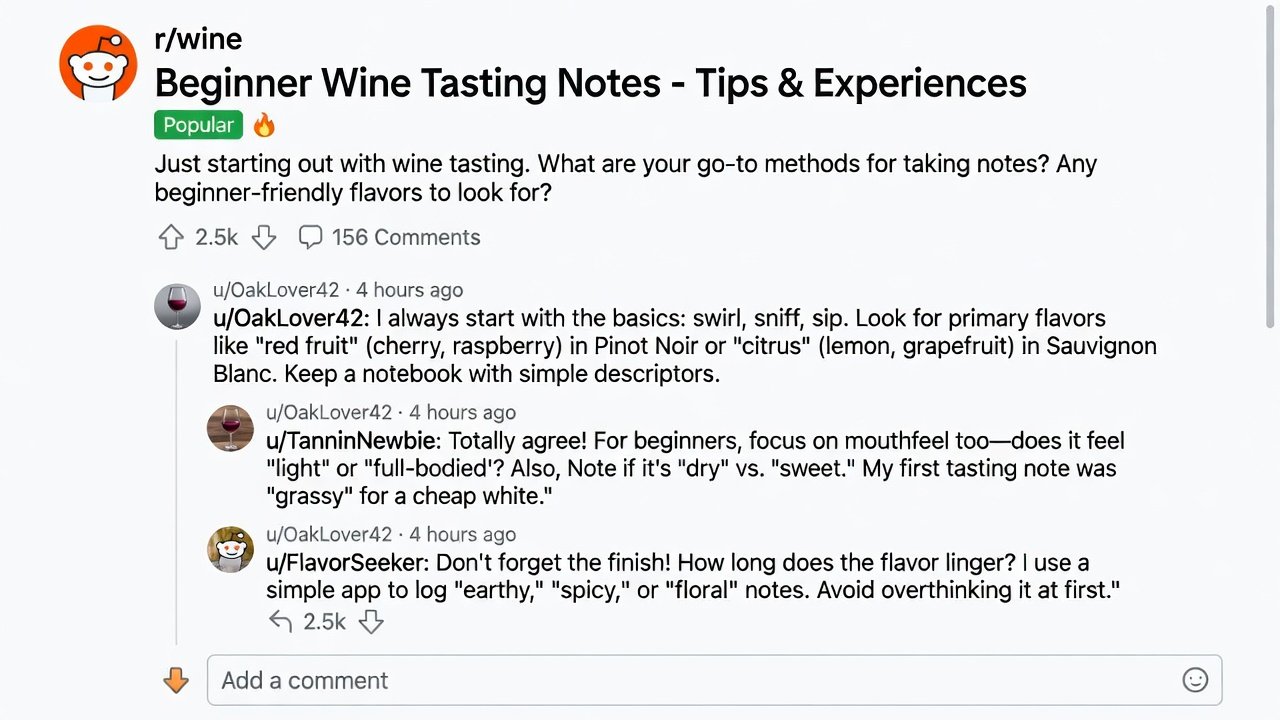
Reddit hosts vibrant wine discussions through subreddits such as r/wine and r/winebeginners. These threads feature daily Q&As, photo shares of bottles, and regional spotlights that cover everything from California Cabernet to lesser-known Italian whites. New users can browse hot posts for inspiration before contributing their first comment. Popular threads often include blind tasting challenges where members describe wines without labels, helping everyone refine their sensory vocabulary.
Facebook Groups for Wine Enthusiasts
Facebook groups like Wine Beginners International and regional tasting clubs offer event calendars, member polls, and photo albums dedicated to specific themes such as natural wines or budget-friendly finds. They excel at organizing virtual meetups and sharing regional recommendations in a social format that encourages casual conversation. Many groups also run monthly challenges where members post tasting notes on the same wine to compare impressions across different palates and experience levels.
Discord Servers Popular in 2026
Discord servers dedicated to wine, such as those focused on natural wines or global tasting clubs, provide voice channels for live discussions and bot-assisted note-taking. Beginners appreciate the casual voice chats that simulate in-person tastings, complete with screen sharing for label photos and real-time flavor discussions. These servers often organize themed nights, including educational sessions on topics like sulfites or food pairings, making them dynamic spaces for ongoing education.
Step-by-Step Advice on Joining Communities
1. Create an account using a professional username tied to your wine interests and add a short bio mentioning your beginner status. 2. Read the rules and pinned posts thoroughly to understand expectations around posting frequency and topic relevance. 3. Introduce yourself in welcome threads with your current wine preferences and goals for learning. 4. Start by liking or commenting on existing posts to build familiarity before creating your own content. 5. Follow a few active members whose tasting notes align with your interests to stay engaged with quality content.
Posting Tasting Notes and Asking Questions Safely
When sharing notes, describe aromas, flavors, and acidity using simple language first before adding more technical terms. Include details like the wine's origin, vintage if known, and your overall impression to spark useful replies. Ask open-ended questions like "What pairs well with this Cabernet?" or "Has anyone tried similar vintages from this producer?" to encourage thoughtful responses. Always verify community guidelines on photo uploads and avoid promoting specific sellers or making unsubstantiated health claims.
Comparing Free vs Paid Community Features
Free tiers typically allow basic posting, browsing archives, and joining group events, while paid memberships unlock exclusive tastings, advanced search tools, and ad-free experiences. Many communities keep core learning resources accessible without fees to support newcomers, though premium options often provide deeper access to expert-led sessions and private channels for serious enthusiasts.
Highlighting Moderation and Learning Resources
Strong moderation teams enforce anti-spam rules and fact-check claims, creating safe spaces for open dialogue. Resources often include beginner glossaries, video tutorials, and curated reading lists linked from official wine education sites such as Decanter and Wine Enthusiast. Moderators frequently pin educational threads that cover foundational topics like glassware selection and serving temperatures.
Real Examples of Successful Beginner Threads
One standout Reddit thread involved a user sharing their first blind tasting experience with three different Chardonnays, garnering over 200 comments with advice on improving palate memory and identifying oak influence. Facebook groups frequently feature "Wine of the Week" polls that spark educational debates about acidity levels and food pairings, often resulting in members discovering new favorite producers through collective recommendations.
Building Connections Within These Spaces
Engage consistently by responding thoughtfully to others' posts and attending scheduled events to build rapport. Over time, members form mentorships or plan offline meetups through platforms like Reddit. Many beginners find that joining smaller breakout discussions within larger servers leads to meaningful one-on-one conversations about shared interests such as organic farming or specific wine regions.
Common Pitfalls Beginners Should Avoid
New members sometimes post overly technical questions too early or share personal contact information publicly, which can lead to unwanted interactions. Another frequent issue involves ignoring thread-specific rules about commercial posts or repeating questions already answered in pinned resources. Taking time to observe community norms for a few days helps prevent these missteps and ensures positive first impressions.
Conclusion
Online wine communities in 2026 transform solitary learning into collaborative journeys filled with discovery and support. By choosing beginner-friendly spaces and following established etiquette, newcomers gain knowledge, friendships, and a lasting appreciation for wine that extends well beyond the screen.
FAQs
What is proper etiquette in wine communities?
Be respectful of differing opinions, credit sources when sharing information, and avoid aggressive debates over subjective tastes. Focus on learning and supporting others rather than showing off knowledge, and always follow each group's specific posting guidelines.
How do I find local virtual meetups?
Search the events section within Facebook groups or use hashtags like #VirtualWineTasting on Discord and Reddit. Many communities post weekly schedules that include time zones and themes to help members plan participation in advance.
What common pitfalls should beginners avoid?
Do not overshare personal details, post unverified claims about wine health benefits, or ignore thread-specific rules. Always lurk for a short period to understand the culture before actively posting, and remember that constructive feedback is the norm rather than criticism.
No comments yet. Be the first!