 Uncorked Conversations
Introduction to Budget Wine Tasting
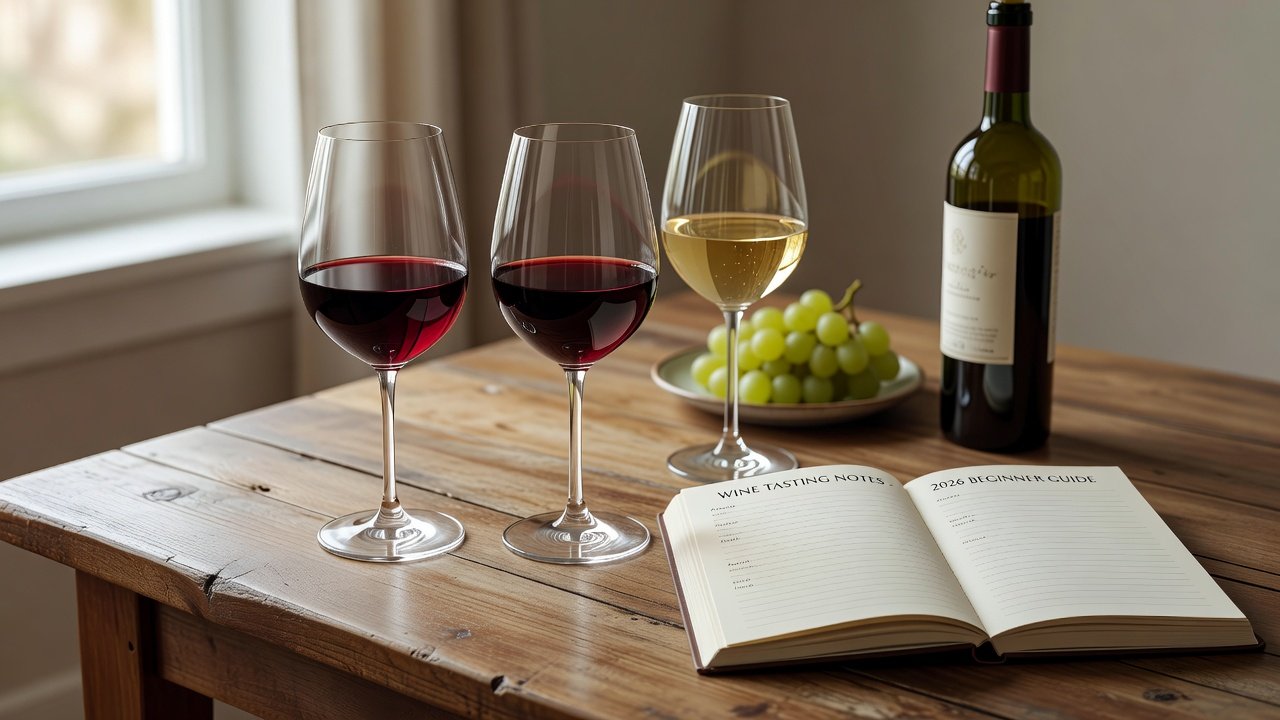
Discovering excellent wines without overspending starts with developing reliable tasting skills at home. In 2026, focusing on aroma, flavor, acidity, and finish helps identify standout options from everyday selections. This approach turns casual sipping into a systematic process for finding hidden gems that deliver surprising depth and enjoyment. Many beginners overlook the power of structured tasting, yet it quickly becomes second nature with practice and leads to smarter choices when browsing store shelves or online selections.
The goal is not to become a professional sommelier overnight but to build confidence in evaluating what makes one bottle more compelling than another. By breaking down each sensory element, you learn to recognize balance, complexity, and value across different styles. This guide provides concrete steps, real-world examples, and comparison frameworks tailored for home use.
Setting Up Your Home Tasting Session
Begin with a few similar bottles from the same grape or region for easy comparisons. Use clear glasses, a quiet space, and neutral lighting. Pour small amounts and note observations on paper or a digital app before tasting the next wine. Prepare palate cleansers such as plain crackers or water between samples. Temperature matters too: serve whites slightly chilled and reds at cool room temperature to reveal their true character. Lighting should be bright enough to observe color but not harsh, and background noise kept low so you can focus on subtle aromas.
Step-by-Step Tasting Process
First observe the wine’s appearance against a white background. Note clarity and color intensity. Then swirl to release aromas. Inhale in short bursts rather than one long sniff. Sip and aerate the wine in your mouth to engage all taste zones. Finally, assess the finish by noting how long flavors linger after swallowing or spitting. Repeat this sequence with each bottle, always writing notes immediately to capture fresh impressions.
Evaluating Aroma
Swirl the glass gently and inhale deeply. Look for primary fruit notes, secondary hints from oak or fermentation, and tertiary aromas that develop with age. Reliable varieties like Sauvignon Blanc often show citrus and herbal qualities, while Malbec delivers dark fruit and spice. In practice, a New Zealand Sauvignon Blanc might reveal passionfruit and fresh-cut grass, whereas a Chilean version leans toward grapefruit and mineral tones. Aroma evaluation trains your memory and helps predict flavor before the first sip.
Regions such as Chile’s Central Valley or South Africa’s Western Cape frequently deliver consistent value through expressive aromatics. Experiment with one bottle from each area side by side to train your nose on regional differences.
Assessing Flavor and Acidity
Take a sip and let the wine coat your palate. Note the balance between fruit, acidity, and any tannins. High acidity in wines from cooler climates like Loire Valley Sauvignon Blanc provides freshness, while balanced acidity in Spanish Garnacha keeps the wine approachable. Flavor layers often mirror the nose but can reveal new elements such as earthiness or vanilla from oak aging. Pay attention to how acidity makes your mouth water; this indicates vibrancy and food-pairing potential.
Judging the Finish
The length and quality of the aftertaste reveal much about overall quality. A long, clean finish with lingering flavors signals a well-made wine, whereas a short or bitter finish may indicate lesser balance. Track finish duration in seconds during your notes; wines with finishes over 30 seconds often stand out as higher quality even within budget ranges.
Comparison Methods for Similar Bottles
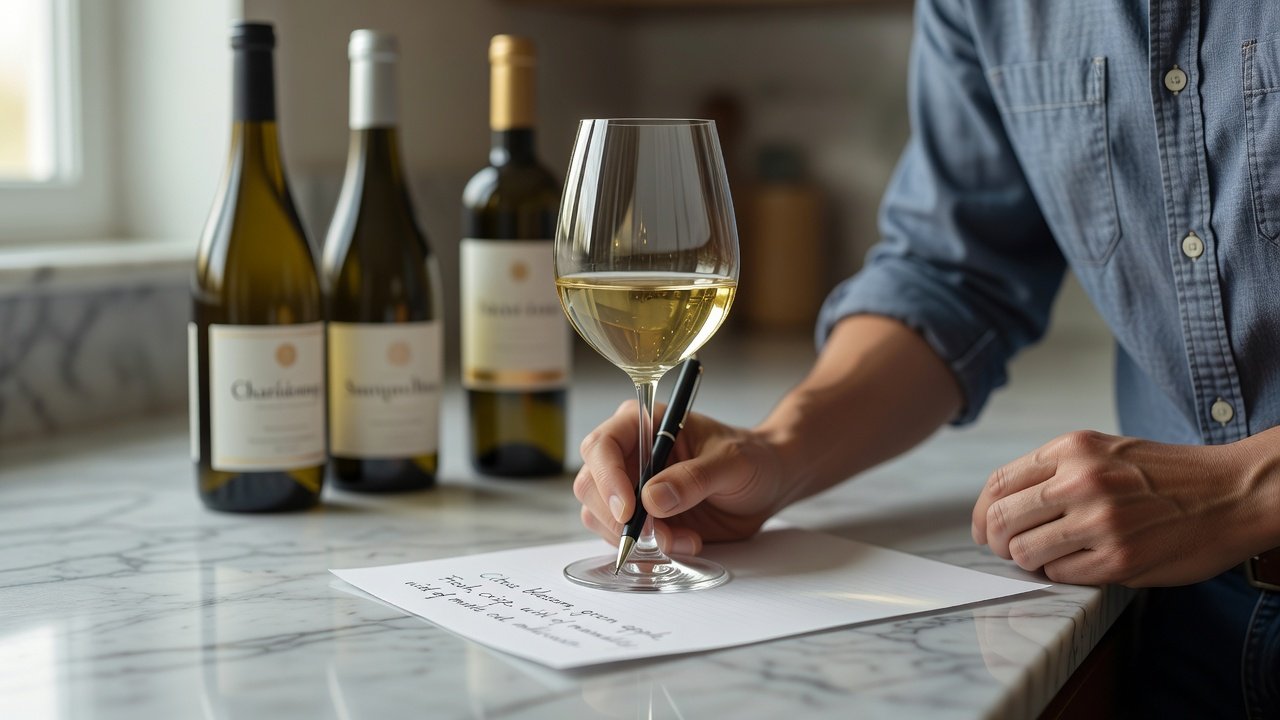
Line up two or three wines and taste them side by side. Focus on one element at a time, such as acidity levels or fruit intensity. This side-by-side method highlights subtle differences that single-glass tastings might miss. For example, compare two Pinot Noirs from different producers in the same region by first noting aroma intensity, then flavor persistence, and finally mouthfeel. Record scores for each category on a simple one-to-five scale to quantify preferences objectively.
Reliable Grape Varieties and Regions for Value
Certain grapes and regions consistently offer strong character without high cost. Sauvignon Blanc from New Zealand or South Africa offers bright acidity and vibrant flavors. Pinot Noir from Chile or Romania provides elegant red fruit notes at accessible prices. Garnacha from Spain delivers juicy red fruit and soft tannins. Malbec from Argentina’s Mendoza region yields plush texture and dark fruit. Additional strong performers include Cabernet Franc from the Loire Valley, which shows herbal and red berry notes, and Riesling from Germany or Washington State, prized for aromatic complexity and refreshing acidity. These varieties adapt well across climates and reward careful tasting.
Tips for Reading Wine Labels Effectively
Pay attention to vintage, region, and producer rather than marketing terms. Look for protected designations of origin that indicate quality standards. Avoid bottles with overly generic descriptions lacking specific geographic information. Vintage dates help gauge age and typical weather conditions for that year. Producer names often signal consistency; researching a few trusted names builds a reliable shortlist over time. Learn more about wine labeling standards from the Alcohol and Tobacco Tax and Trade Bureau.
Common Pitfalls to Avoid
Do not judge solely by price or label design. Skip overly oaked or heavily manipulated wines that mask grape character. Always taste multiple examples before forming conclusions about a variety or region. Another frequent mistake is tasting when tired or after spicy food, which dulls perception. Store open bottles properly if tasting over multiple days, and always use the same glass type for fair comparisons.
Building Tasting Notes: Short FAQ
How detailed should my notes be?
Start simple with three to five descriptors for aroma and flavor. Over time, add details about structure and finish. Include personal reactions such as “refreshing for summer evenings” to make notes more useful later.
What format works best?
Use consistent categories: appearance, nose, palate, and conclusion. This structure supports easy future comparisons. Many enthusiasts add a star rating and suggested food pairings for each entry.
Should I taste with food?
Begin with neutral palate cleansers, then experiment with simple pairings to see how food changes perception. Cheese, nuts, or grilled vegetables reveal how acidity and tannins interact with different textures.
How often should I practice?
Weekly sessions of three to four wines build skills fastest. Keep sessions short to avoid palate fatigue.
Can I use apps for note-taking?
Yes, digital tools help organize entries and compare across sessions, though handwritten notes often encourage more thoughtful descriptions.
Further reading on structured tasting is available at Decanter and Wine Folly.
Conclusion
Consistent home practice with these techniques builds confidence in selecting quality wines. Focus on fundamentals and reliable regions to enjoy rewarding discoveries year after year. Over time, your palate becomes a trusted guide, turning every tasting into an opportunity to uncover new favorites that fit both your taste and budget.
No comments yet. Be the first!