 Uncorked Conversations
Introduction to Spotting Value Wines Under $20
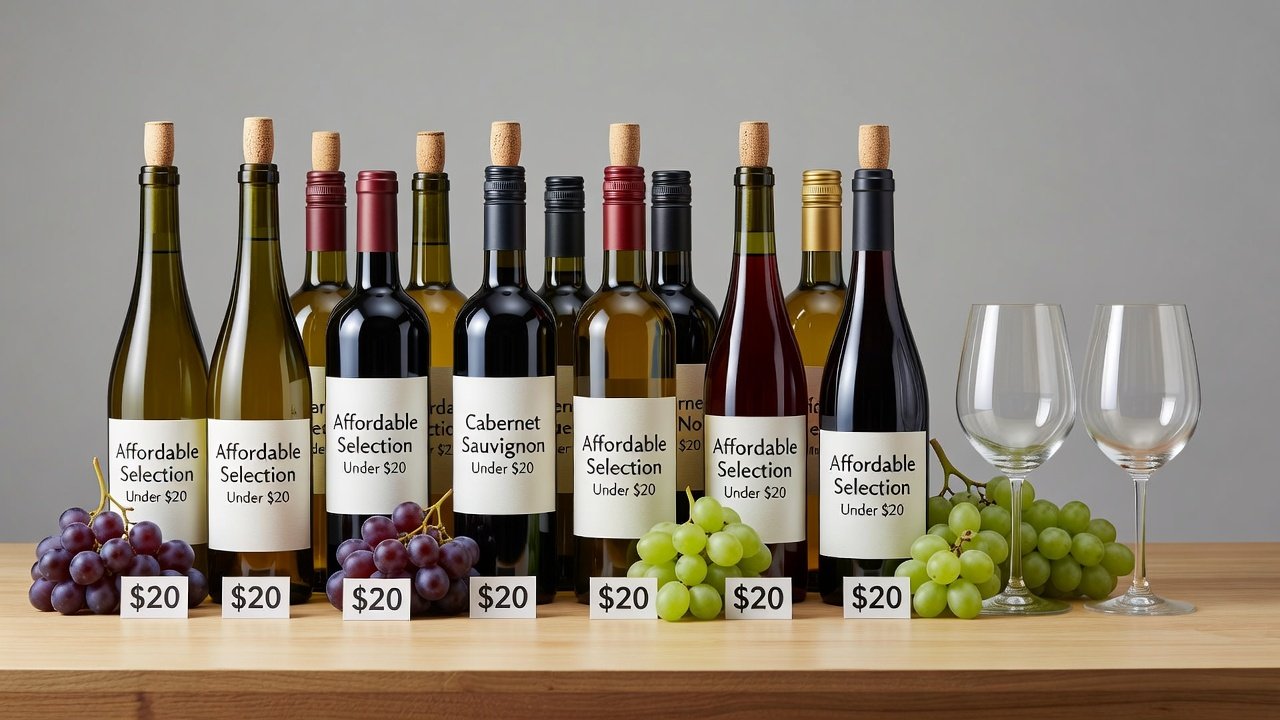
Finding enjoyable wines without spending much is easier than many beginners realize. Sensory checks provide a reliable way to evaluate budget bottles before committing to a full purchase. These practical tasting methods focus on visual cues, aroma identification, and palate mapping to reveal hidden quality in affordable options. With the right approach, you can consistently select wines that deliver surprising depth and balance. This guide walks through proven techniques tailored for everyday shoppers seeking value in 2026, helping you avoid common pitfalls and build confidence quickly.
Budget wines often get overlooked, yet many deliver excellent character when evaluated properly. The key lies in systematic sensory evaluation rather than relying solely on labels or marketing. By mastering these steps, you transform casual shopping into an informed process that yields consistent results over time.
Step-by-Step Visual Inspection
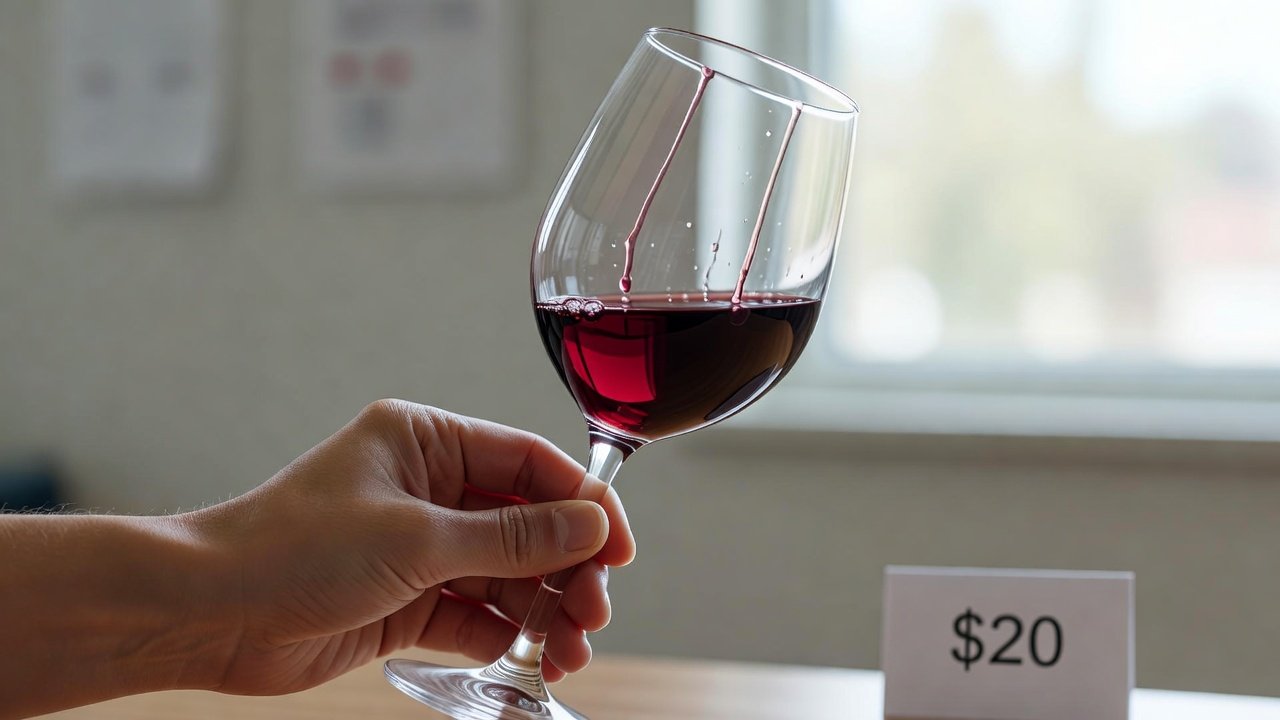
Start your evaluation by examining the wine in the glass. Hold it against a white background or bright light to assess color clarity and hue. Clear, vibrant colors often indicate careful production, while dull or cloudy appearances may signal issues with storage or winemaking. For instance, a young Cabernet Sauvignon should show deep ruby tones without sediment unless it is unfiltered by design.
Observe the wine's legs or tears as they run down the glass after swirling. Slower, thicker legs can suggest higher alcohol or residual sugar levels, which sometimes point to richer styles even in budget reds and whites. Practice this at home with a few different bottles to notice patterns across varietals.
Positive indicators include bright ruby tones in reds or pale straw in whites. Red flags include brownish edges in young reds or overly orange hues in whites that have oxidized. Always check for clarity first, as haziness in still wines can indicate problems unless the bottle is intentionally cloudy like some natural styles.
Aroma Identification Techniques
Swirl the glass gently to release volatile compounds, then take short sniffs. Focus first on primary fruit notes, then secondary aromas like oak or spice, and finally any off-putting smells such as vinegar or wet cardboard. This layered approach helps isolate quality markers from faults quickly.
Common budget varietals like Cabernet Sauvignon often show blackcurrant or green pepper notes, while Chardonnay might reveal apple or tropical fruit. Practice helps distinguish these from faults. Take time to identify specific descriptors rather than vague impressions of good or bad.
Expand your aroma vocabulary by comparing wines side by side. One effective exercise involves smelling fresh fruits and herbs alongside the glass to train recognition. Over repeated sessions, you will spot subtle differences that separate average bottles from standout values.
Palate Mapping and Flavor Analysis
Take a small sip and let the wine coat your tongue. Map the sensations: sweetness on the tip, acidity on the sides, tannins in the middle for reds, and finish length at the back. Balanced wines show harmony rather than one dominant element overpowering the others.
Compare everyday options such as Australian Shiraz versus Chilean Carmenere. Shiraz often delivers bold black fruit and spice, while Carmenere brings green pepper and dark berry depth at similar price points. Record how each element evolves from first sip to aftertaste.
Additional palate practice includes noting mouthfeel aspects like body weight and texture. Light-bodied wines feel crisp and refreshing, while fuller examples coat the palate more substantially. This mapping becomes second nature with consistent application during home tastings.
Common Budget Varietals and Their Sensory Profiles
Understanding typical profiles for popular affordable grapes speeds up decision-making. Sauvignon Blanc frequently offers zesty citrus and herbal notes with bright acidity. Pinot Grigio tends toward pear and mineral tones with light body. Among reds, Malbec provides plush plum and violet aromas, while Tempranillo delivers earth and red fruit with moderate tannins.
- Pinot Noir: Strawberry, earth, and subtle mushroom notes that remain elegant even at lower price tiers
- Sauvignon Blanc: Citrus zest, grass, and passionfruit with lively acidity
- Merlot: Plum, chocolate, and herbal notes that soften with brief aeration
- Chardonnay: Apple, melon, and light toast depending on oak influence
These profiles serve as benchmarks. Deviations that enhance rather than detract from the expected character often signal good value.
Red Flags Versus Positive Indicators
Watch for excessive bitterness, flat flavors, or harsh alcohol burn—these usually indicate poor quality. Positive signs include vibrant fruit, refreshing acidity, and a clean finish that lingers pleasantly for several seconds.
Further red flags include muted aromas after swirling or a short, abrupt aftertaste. Positive indicators encompass layered complexity that unfolds gradually and balanced structure where no single component dominates. Keep a mental checklist during each tasting to reinforce these distinctions.
Simple Scoring Exercises for Consistent Evaluation
Simple scoring exercises help quantify impressions. Rate each category from 1 to 5: appearance, nose, palate, and overall balance. Total scores above 14 often flag reliable value picks. For deeper insight, break palate into separate scores for fruit intensity, acidity, tannin, and finish length before averaging.
Repeat the exercise with three different bottles in one session. Compare totals and revisit your notes after a week to see how perceptions evolve. This builds objective judgment skills rapidly.
Applying Sensory Checks in Real-World Settings
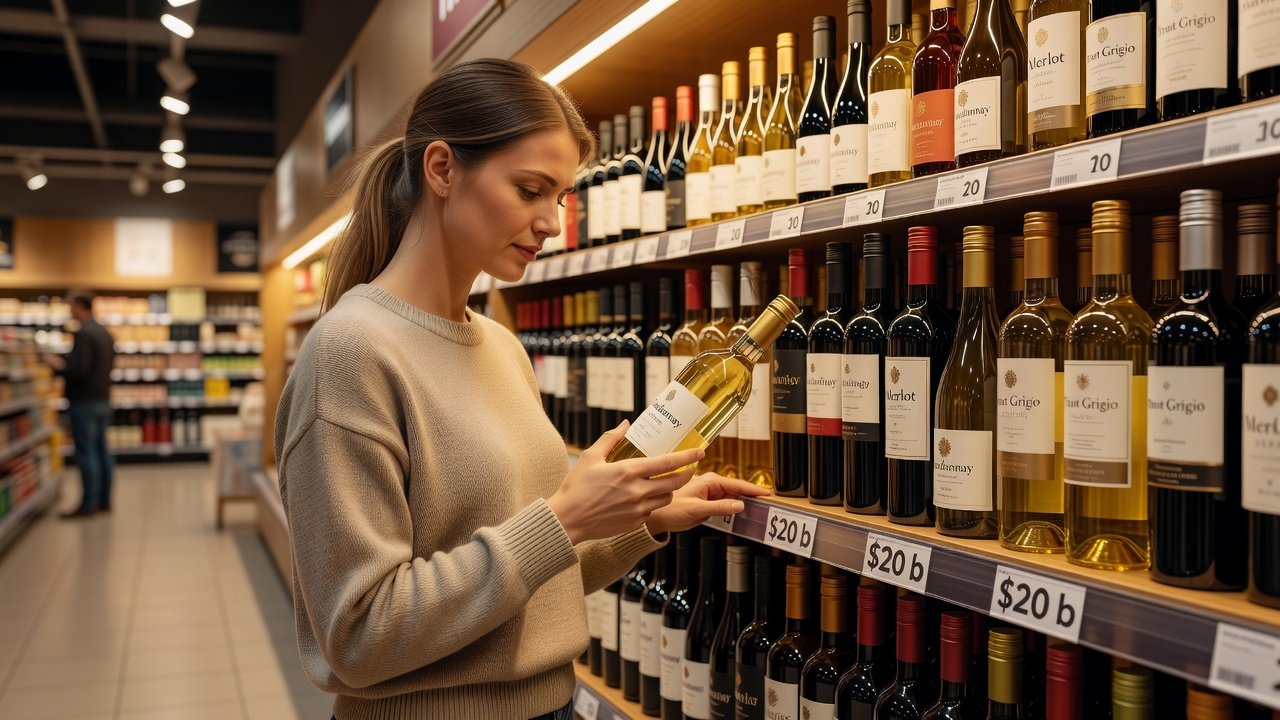
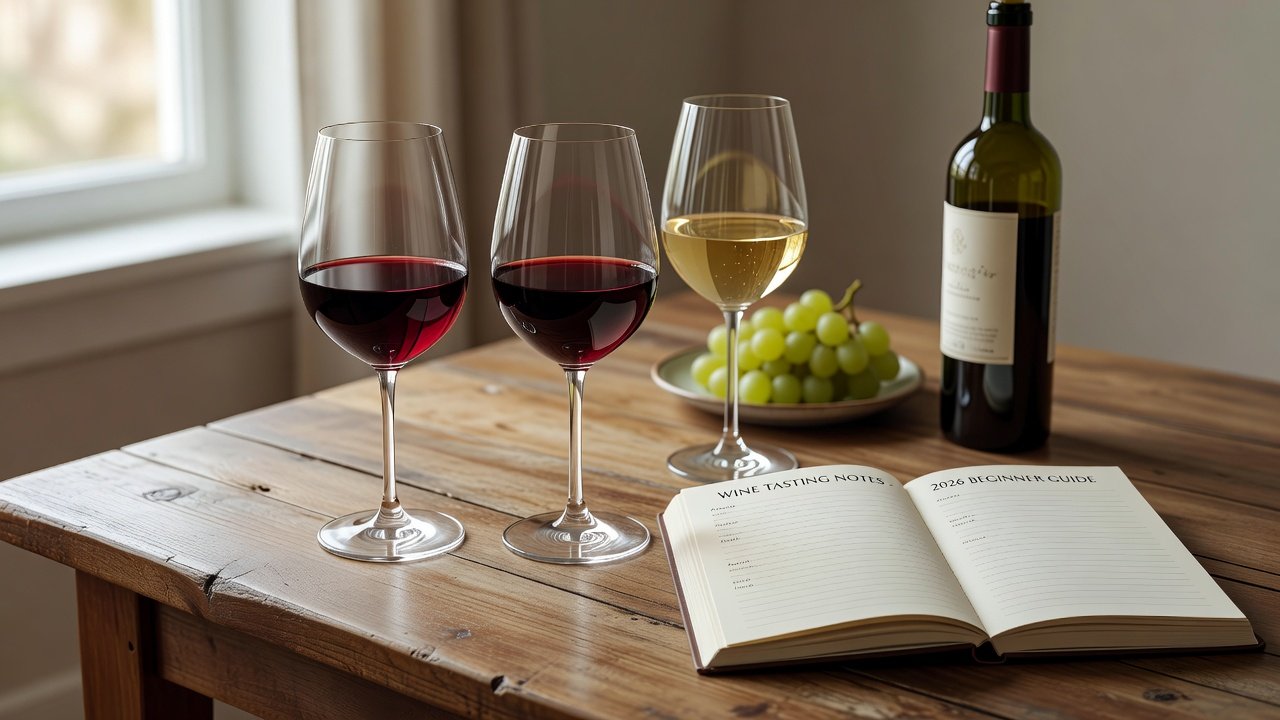
At the store, request a small taste when possible or purchase a single bottle first for home evaluation. At home, set up a quiet space with neutral lighting and plain glasses to minimize distractions. Practice with both red and white wines weekly to accelerate progress.
Seasonal factors like temperature can influence aromas, so serve whites chilled and reds slightly below room temperature for accurate assessment. These practical adjustments ensure reliable results regardless of setting.
FAQs on Beginner Mistakes and Refining Choices
What are the most common beginner tasting errors?
Many new tasters rush the process or drink too quickly without noting impressions. Always pause between sips and write quick notes. Another frequent mistake is ignoring temperature effects or using strongly scented glasses that interfere with aroma detection.
How can I improve my palate over time?
Repeat tastings of the same varietal from different regions builds recognition. Keep a simple journal of what you liked and why. Join occasional group tastings or follow structured online resources to gain external feedback on your evaluations.
Should I trust online reviews for budget wines?
Reviews offer starting points, but personal sensory checks remain the best guide. Wine Institute provides helpful educational resources on tasting fundamentals. Cross-reference with Decanter for additional expert perspectives on value selections.
Conclusion
Applying these sensory checks turns wine shopping into an informed, enjoyable experience. With practice, you will confidently select value wines under $20 that consistently satisfy. Experiment with the methods outlined here during your next store visit to discover new favorites and refine your palate further.
No comments yet. Be the first!