 Uncorked Conversations
Introduction to Affordable Wine Buying
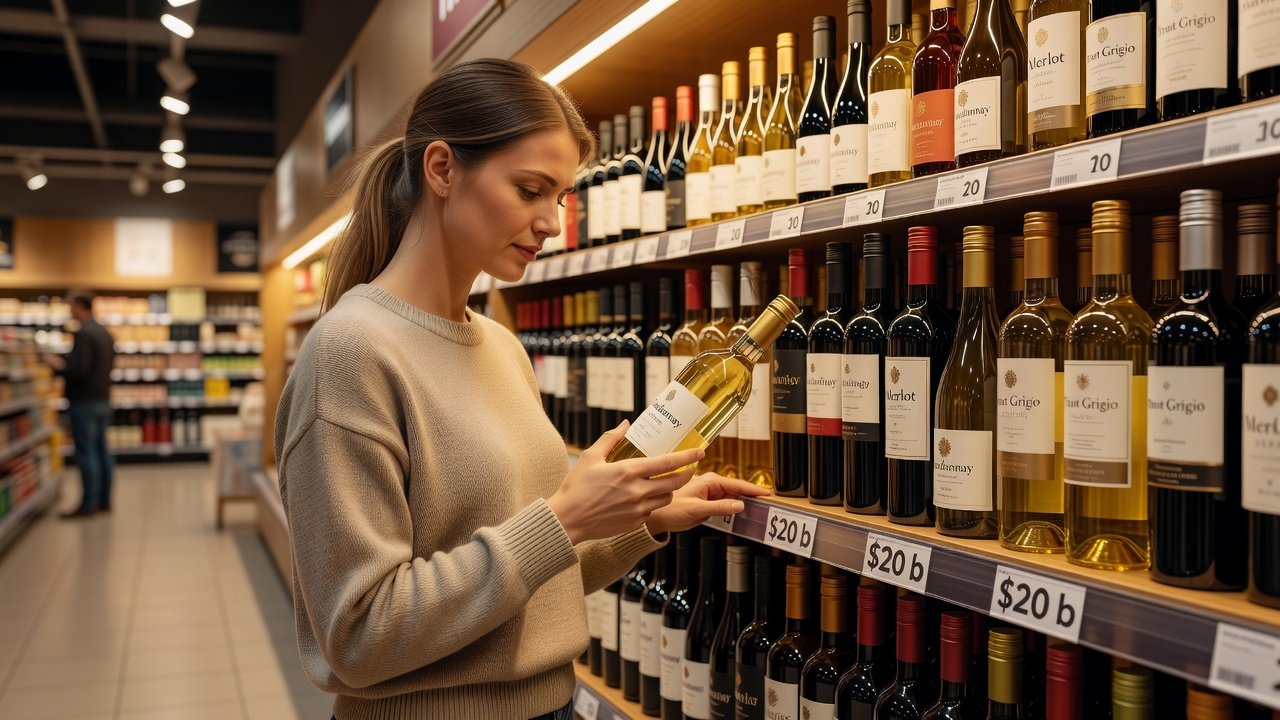
Navigating the wine aisle as a beginner can feel overwhelming, especially when aiming for bottles that deliver quality without exceeding a modest budget. In 2026, smart strategies focus on understanding labels, selecting reliable grape varieties, and exploring emerging regions that offer exceptional value. This comprehensive guide equips you with practical techniques to evaluate wines at the store, suggests everyday meal pairings, and shares real-world examples of standout options. By learning how to taste wine effectively and avoiding common pitfalls, you'll build confidence in your choices and develop a lifelong appreciation for wine. The goal is to make informed decisions that turn every purchase into a satisfying experience rather than a gamble.
Decoding Wine Labels Like a Pro
Start your selection process by examining the label closely. Look for the vintage year, grape variety, region of origin, and alcohol percentage. These details reveal quality indicators such as the producer's commitment to consistency and the wine's potential aging ability. For instance, wines from established appellations often signal consistent production standards that beginners can trust. Pay attention to terms like "reserve" or "estate bottled" which may indicate extra care in production. Avoid bottles with vague descriptions or overly flashy marketing that might hide mediocre contents. Cross-reference with trusted resources such as Wine Folly for deeper insights into label terminology and common descriptors that help predict flavor profiles.
Popular Grape Varieties That Deliver Value
Certain grapes consistently produce approachable wines within budget constraints. Sauvignon Blanc offers crisp acidity ideal for beginners seeking refreshing options with citrus and herbal notes. Cabernet Sauvignon provides structured reds with dark fruit notes like blackberry and cassis that pair well with robust flavors. Pinot Noir brings elegance without complexity overload, featuring delicate red fruit and earthy undertones. These varieties shine across multiple regions, making them reliable picks for everyday drinking. Experiment with lesser-known options like Garnacha or Malbec for added diversity in your collection, as they often deliver bold character at accessible price points. Understanding these grapes helps narrow choices quickly when faced with crowded shelves.
Emerging Regions Worth Exploring
Beyond traditional areas, look to emerging regions such as parts of Chile, South Africa, and Eastern Europe. These locations often produce high-quality wines at lower costs due to favorable climates and developing markets that emphasize value over prestige. Wines from these spots frequently exhibit vibrant flavors that rival pricier counterparts, including bright acidity in whites and plush tannins in reds. For example, South African Chenin Blanc offers versatility for both sipping and pairing, while Chilean Carmenere delivers unique peppery notes. Check for certifications like sustainable practices to ensure long-term value and ethical production that aligns with modern consumer preferences.
Step-by-Step Evaluation at the Store
Follow this systematic approach when shopping: First, scan the price range to stay within budget. Next, read the back label for tasting notes and food pairings that match your typical meals. Then, assess the closure type—screw caps often preserve freshness better in affordable wines by preventing oxidation. Finally, consider the producer's reputation through quick app research or shelf talkers. This method minimizes guesswork and maximizes satisfaction. Take time to compare two or three similar bottles side by side, noting differences in vintage or region to refine your palate over repeated visits.
Pairing Suggestions for Everyday Meals
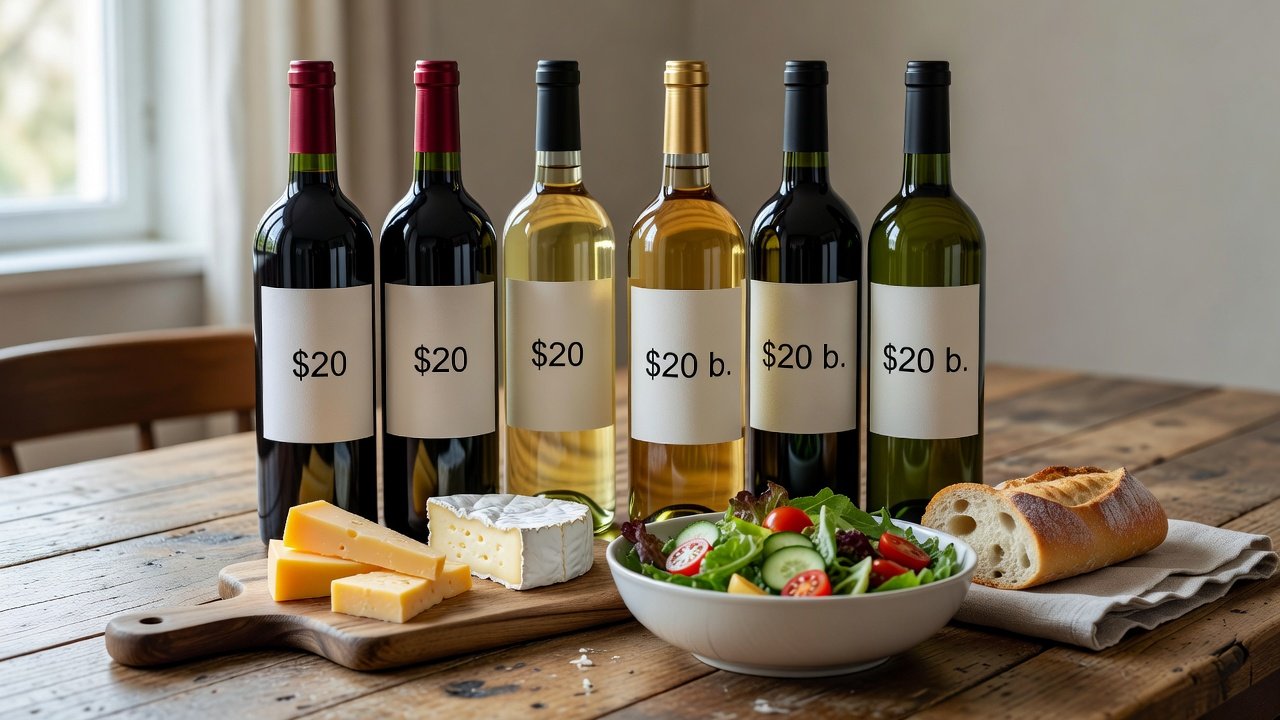
Match wines to common dishes for enhanced enjoyment. Light whites pair beautifully with salads, seafood, or chicken dishes by cutting through richness with their acidity. Medium-bodied reds complement grilled meats, pasta with tomato sauce, or even pizza thanks to their balanced tannins. For casual weeknight dinners, try versatile options that bridge multiple cuisines such as a crisp rosé with spicy Asian takeout or a fruity red with Mexican fare. Remember temperature guidelines: chill whites slightly to highlight freshness and serve reds at cool room temperature to reveal full aromas without muting flavors. Experimenting with these pairings transforms ordinary meals into memorable occasions.
Sensory Checks to Avoid Pitfalls
Develop your palate through simple sensory evaluations at home or in the store if permitted. Swirl the glass to release aromas, then note fruit, floral, or earthy scents before tasting. Taste for balance between acidity, tannins, and sweetness while paying attention to finish length. Common mistakes include ignoring sediment in older bottles or overlooking off odors that indicate spoilage such as vinegar or wet cardboard smells. Practice at home with small pours to refine these skills over time, starting with known favorites and progressing to new varieties. This hands-on approach builds intuition faster than reading alone.
Red Versus White Comparison
- Red wines: Typically fuller body with tannins that provide structure; best with hearty foods like steak or cheese; store slightly warmer around 60-65 degrees Fahrenheit.
- White wines: Crisp and refreshing with prominent acidity; suit lighter meals such as fish or vegetables; require chilling to 45-50 degrees Fahrenheit before serving.
- Key differences: Reds often age longer in cellars developing complex secondary flavors; whites are frequently consumed young for peak freshness and vibrant fruit character.
- Hybrid options: Consider orange wines or rosés as bridges between the two categories for added versatility in your selections.
Using Apps for Quick Research
Leverage mobile applications to scan labels and access crowd-sourced ratings instantly while browsing. These tools provide vintage comparisons, user reviews, and price tracking that reveal trends without requiring extensive prior knowledge. Integrate them into your routine to discover hidden gems from lesser-known producers and stay informed on market shifts. Many apps also offer virtual tastings or educational modules that reinforce basics like how to taste wine properly. This digital support layer makes the learning curve much gentler for beginners.
Common Mistakes to Avoid When Buying
Many newcomers overlook the importance of storage conditions in the store itself, such as exposure to heat or light that can damage wine quality. Another frequent error is choosing based solely on label art rather than content details. Always prioritize region and grape over packaging aesthetics. Additionally, resist the urge to buy in bulk without tasting first, as personal preference varies widely. Taking notes on what you enjoy helps refine future purchases and prevents repeating disappointments.
Building a Starter Wine Collection
Once comfortable with single bottles, consider assembling a small collection of six to twelve wines that cover different styles and occasions. Rotate selections seasonally, keeping lighter whites for summer and fuller reds for winter. Store them properly in a cool, dark place to maintain quality until opened. This approach ensures you always have suitable options on hand for spontaneous meals or guests, turning wine buying into a rewarding hobby rather than a last-minute decision.
FAQ: Storage After Purchase
How long can I store opened wine? Most opened bottles last 3-5 days with proper recorking and refrigeration for whites or lighter reds, while fuller reds may last slightly longer if kept upright.
What is the ideal storage temperature? Keep unopened wines at a consistent cool temperature around 55 degrees Fahrenheit in a dark, vibration-free space away from kitchens or windows.
Should I lay bottles on their side? Yes, for cork closures to maintain moisture and prevent drying out, but screw-cap bottles can stand upright without issue.
How do I know if a wine has gone bad after storage? Check for changes in color, off smells, or flat taste upon opening, and discard if these signs appear.
Conclusion
With these strategies, selecting quality wines under $20 becomes straightforward and rewarding. Focus on informed label reading, variety exploration, and sensory awareness to elevate your experience. Apply these tips consistently, and you'll enjoy reliable, delicious bottles that fit any occasion. For ongoing learning, consult established references like Decanter or Wine Magazine.
No comments yet. Be the first!