 Uncorked Conversations
Introduction: Finding Quality in Affordable Bottles
Discovering reliable everyday wines does not require spending a fortune. With the right tasting skills, beginners can confidently select value wines under $20 that deliver impressive balance and flavor. This guide adapts the classic 5 S's tasting method specifically for budget bottles, helping you verify quality through sensory checks for fruit clarity, balance, and finish length. The goal is to equip you with actionable tools that transform random selections into consistent wins at the store or restaurant.
Whether you are new to wine or refining your palate, these practical techniques turn casual sipping into an informed process. You will learn how to compare everyday options against splurge bottles and avoid common tasting mistakes. By focusing on hands-on evaluation rather than relying solely on labels or scores, you build confidence that lasts beyond any single purchase. In 2026, with more producers emphasizing sustainable practices in value segments, these skills help you spot bottles that over-deliver on character.
Understanding the 5 S's Method for Budget Wines
The 5 S's provide a structured approach to tasting: See, Swirl, Sniff, Sip, and Savor. When applied to affordable wines, this method highlights subtle quality markers that separate good value from mediocre pours. Focus on fruit clarity in the aroma and taste, overall balance between acidity and tannins, and the length of the finish. Each step builds on the previous one, creating a repeatable ritual that sharpens your senses over time.
Start by observing the wine's appearance. Clear, vibrant color without cloudiness often signals careful production even in lower-priced bottles. Next, swirl to release aromas. A strong, consistent fruit character points to solid grape quality. This framework works especially well for wines under $20 because it emphasizes primary attributes rather than tertiary complexity that develops with age and higher price points.
Step-by-Step Tasting Protocol
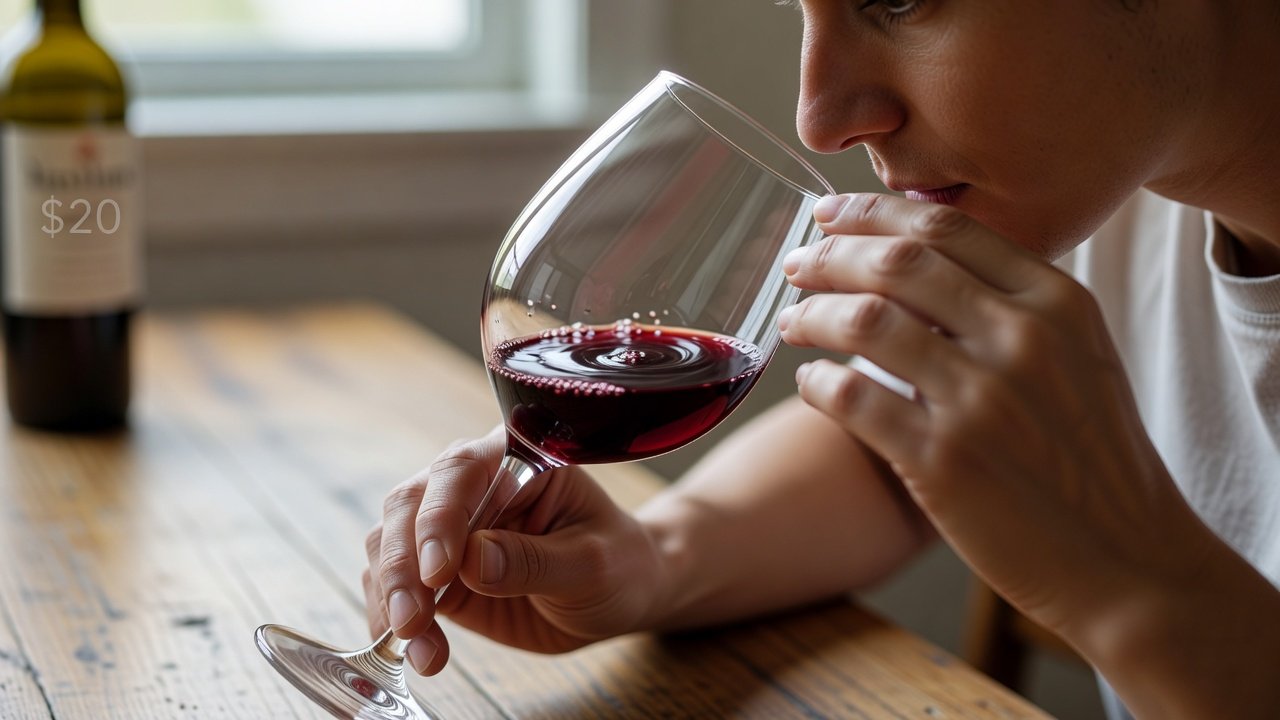
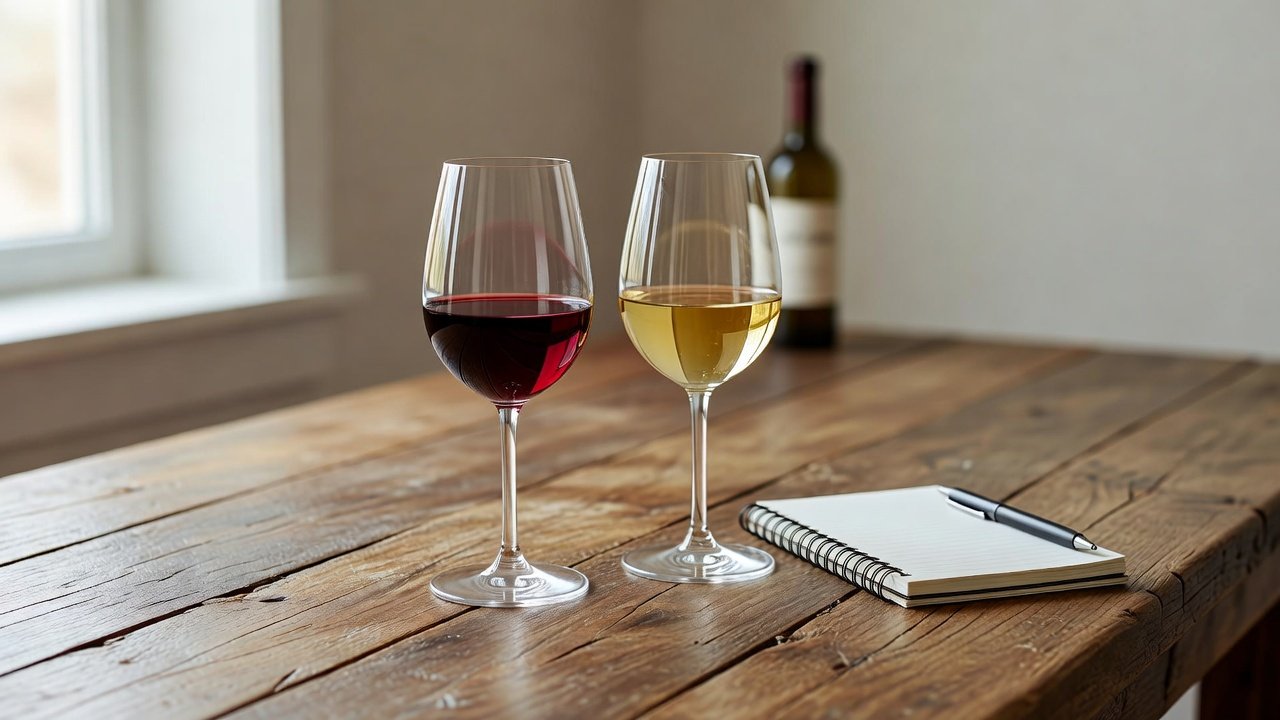
- See: Hold the glass against a white background to check color depth and clarity. Look for rich ruby tones in reds or pale straw in whites that suggest ripeness without oxidation.
- Swirl: Gently rotate to aerate and observe legs on the glass. Slow-moving legs can indicate higher alcohol and concentration typical of quality fruit.
- Sniff: Take short sniffs to identify primary fruit notes and any off-aromas. Fresh berry or citrus notes without vinegar or sulfur smells are positive signs.
- Sip: Take a small amount and let it coat the palate, noting acidity, sweetness, and tannins. Aim for harmony where no single element dominates.
- Savor: Assess how long flavors linger after swallowing. A finish of 15 seconds or more often marks better concentration in budget selections.
Practice this sequence with three different wines in one session to train your palate quickly. Repeat weekly with new bottles to track improvement.
Grape and Region Examples Delivering Value in 2026
Certain grapes and regions consistently offer strong quality at accessible prices. Look for Spanish Garnacha from regions like Rioja or Italian Primitivo from Puglia. These deliver juicy red fruit, soft tannins, and vibrant acidity that shine in everyday drinking. Chilean Cabernet Sauvignon provides structured dark fruit and herbal notes, while South African Chenin Blanc offers textured apple and honey flavors with bright acidity.
For white wines, explore Portuguese Vinho Verde or Argentine Torrontés. Each brings refreshing acidity and clear varietal character that stands out in blind tastings against more expensive counterparts. Add Portuguese Touriga Nacional for reds with floral aromatics and firm structure, or Australian Shiraz from lesser-known sub-regions for peppery spice and plush texture. These areas benefit from favorable growing conditions that produce expressive fruit without high production costs. Wine Magazine regularly highlights emerging value producers from these regions.
Label Clues That Signal Good Deals
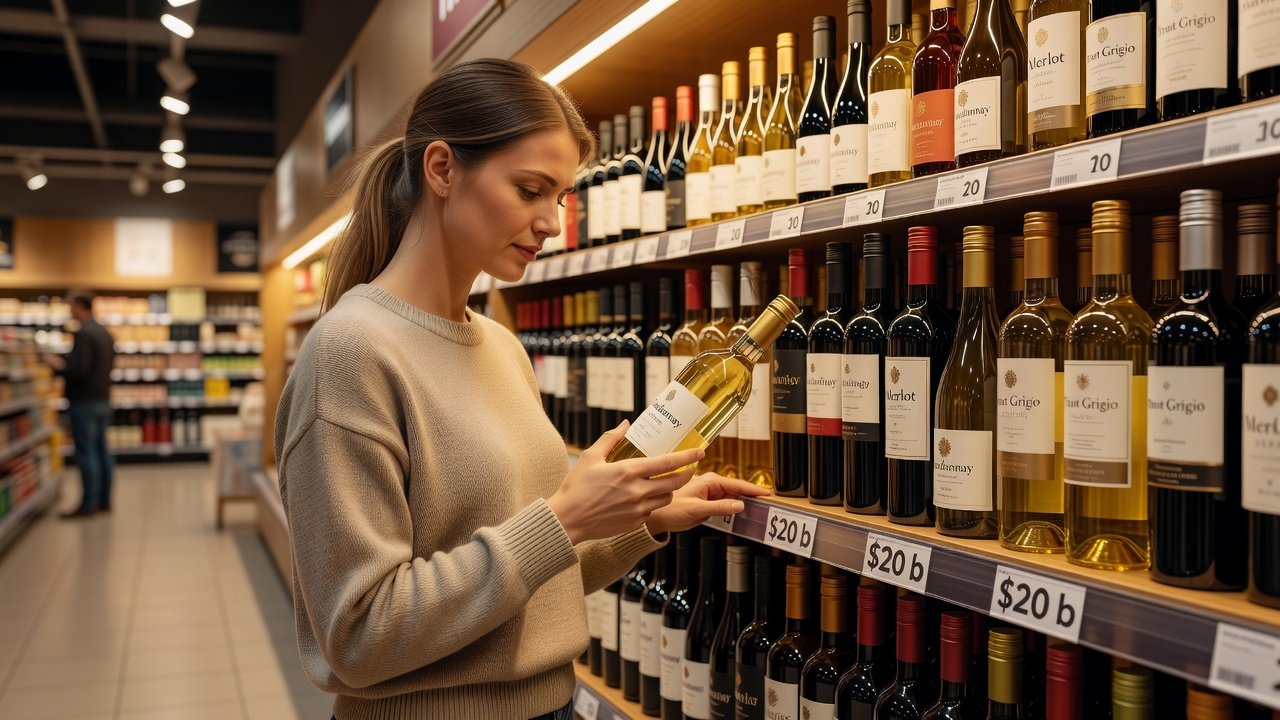
Smart label reading helps narrow choices before opening the bottle. Seek terms like "old vines," "estate bottled," or specific vineyard designations. Vintage dates from strong years in the region add another layer of reliability. Avoid overly flashy designs that may indicate marketing spend over quality focus. Importer names from reputable specialists often correlate with consistent selections. Cross-reference with trusted review sites for additional confirmation. Look also for alcohol levels between 12.5 and 14 percent, which frequently align with balanced fermentation in value wines. Wine Spectator provides helpful vintage charts that aid these decisions.
Comparing Value Wines to Splurge Bottles
Value wines under $20 typically show bright primary fruit and approachable tannins, while splurge bottles often feature greater complexity, longer aging potential, and more nuanced secondary flavors from extended oak or bottle time. The finish on budget options may last 10-20 seconds, whereas premium examples extend further with layered notes of earth, spice, or dried fruit. Yet many everyday wines deliver 80 percent of the enjoyment at a fraction of the cost when tasted thoughtfully. For instance, a well-made Spanish Garnacha can rival a California Cabernet in fruit purity while remaining far more approachable on first sip.
Practical Shopping List Framework
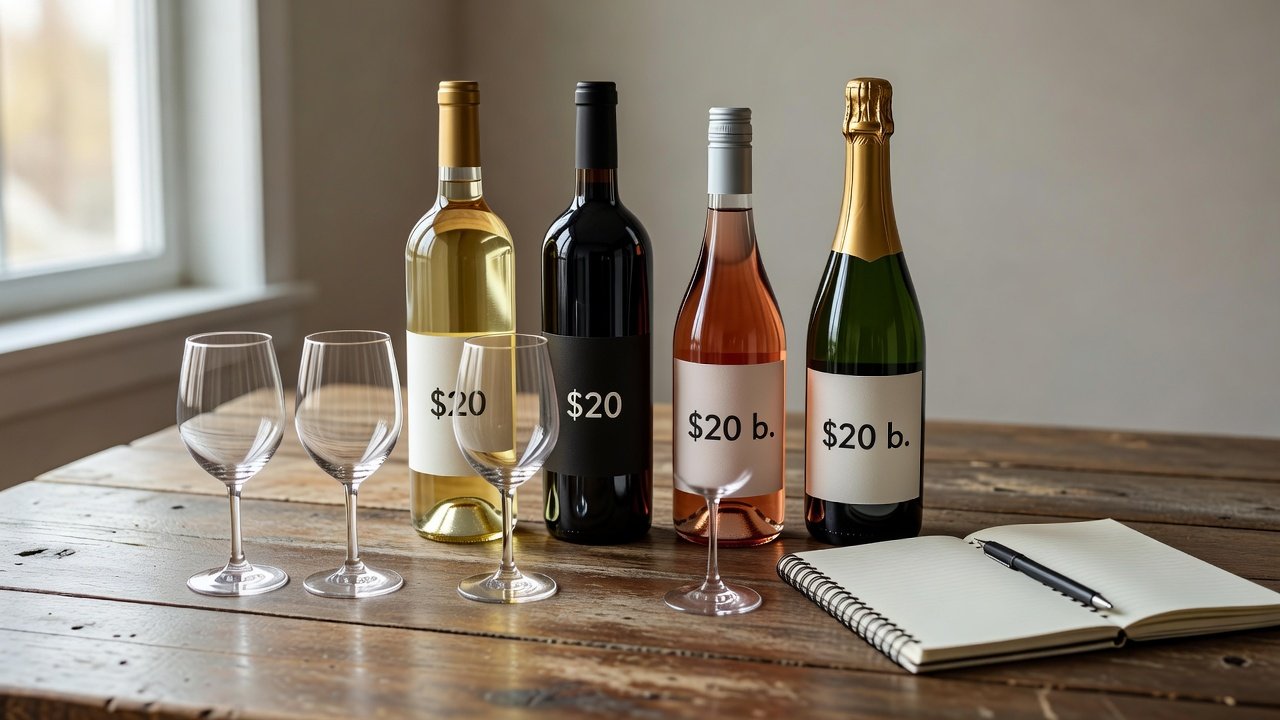
- One red: Spanish Garnacha or Italian Primitivo for juicy, food-friendly profiles that pair with grilled meats or pasta.
- One white: Chilean Sauvignon Blanc or South African Chenin Blanc for crisp acidity that complements seafood and salads.
- One sparkling: Spanish Cava or Portuguese sparkling for celebratory moments without premium pricing.
- One rosé: Provence-style from southern France or California for versatile summer sipping with light dishes.
Rotate selections seasonally to explore new producers while staying within your budget range. Keep notes on each bottle's performance using the 5 S's to refine future choices.
Common Pitfalls to Avoid During Tasting
Many beginners rush the sniffing step or use overly large sips that overwhelm the palate. Another frequent error is tasting after strong flavors like coffee or spicy food, which dulls sensitivity. Always cleanse your palate with plain crackers or water between samples. Store open bottles properly if evaluating multiple wines over time. Additional mistakes include judging solely by color intensity or ignoring temperature—serve whites chilled and reds at cool room temperature for accurate assessment. Avoid strong perfumes or scented candles in the tasting environment. Decanter offers additional guidance on building consistent tasting habits.
Short FAQ Section
How long should the finish be on a good value wine?
A solid finish of 15 seconds or more indicates decent concentration and balance in wines under $20.
Can the 5 S's method really work with inexpensive bottles?
Yes. The structured approach reveals fruit clarity and balance regardless of price point when practiced regularly.
What if a wine tastes unbalanced?
Note the dominant element (too acidic or tannic) and try similar grapes from different regions next time.
Should I decant value wines before tasting?
Most budget reds benefit from 15-30 minutes in a decanter to open up fruit aromas without losing freshness.
Conclusion: Build Confidence One Sip at a Time
Applying these tasting tricks empowers you to select reliable value wines under $20 with greater consistency. Regular practice with the 5 S's sharpens your ability to spot quality quickly. Start with the recommended regions and protocols, and soon you will enjoy standout everyday bottles that punch above their price. Cheers to smarter sipping in 2026 and beyond.
No comments yet. Be the first!