 Uncorked Conversations
Introduction to Smart Budget Wine Tasting
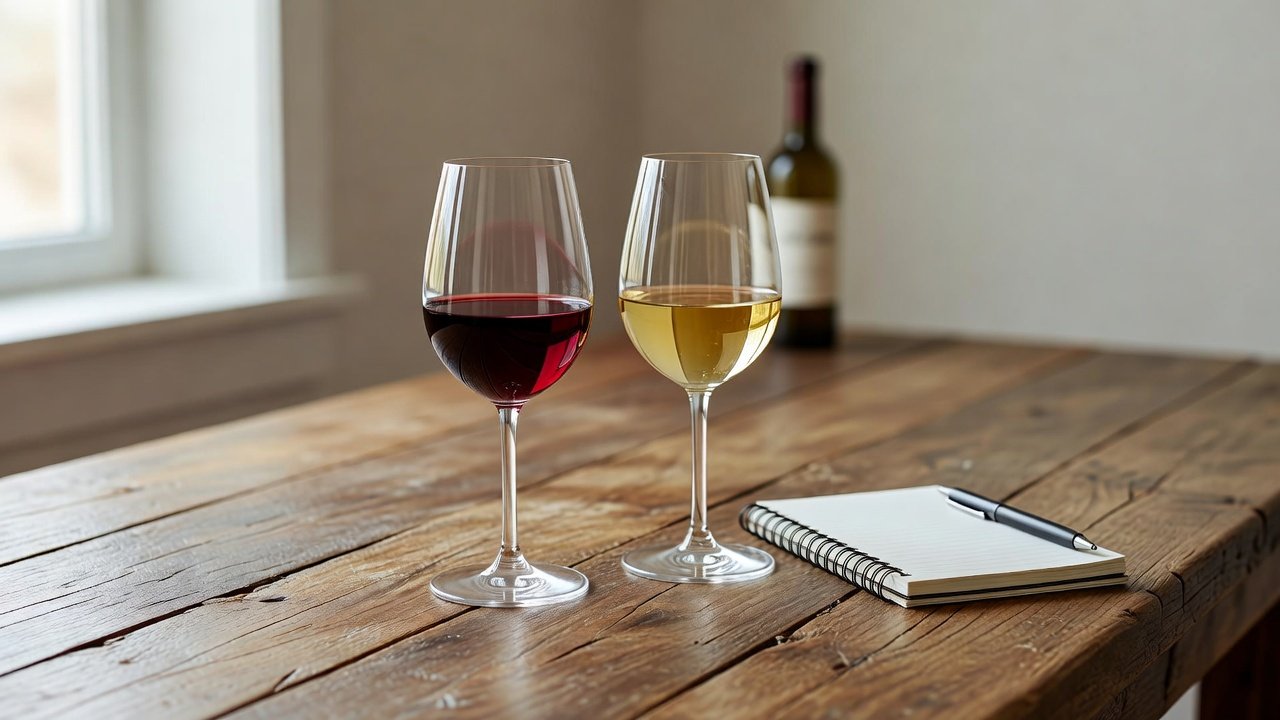
Discovering quality wine does not require a large budget or expensive equipment. In 2026, beginners can confidently select satisfying bottles by learning simple sensory evaluation methods. This guide focuses on practical tasting steps that help you evaluate affordable options using only your senses. By practicing swirl, sniff, and sip techniques, you will quickly distinguish well-made wines from lesser ones without needing professional tools or costly accessories.
Many new wine drinkers feel overwhelmed by store shelves filled with unfamiliar labels. Understanding value grape varieties and common quality indicators on labels removes much of the guesswork. Real-world examples from popular regions show how to find reliable choices that deliver flavor and balance at everyday prices. Developing these skills also helps avoid common pitfalls like choosing based solely on attractive packaging or marketing claims.
Consistency comes from repeated practice rather than memorizing facts. Over time, your palate learns to recognize balance, freshness, and complexity even in modestly priced selections. This approach empowers you to build a personal collection of favorites without second-guessing every purchase.
Core Tasting Technique: Swirl, Sniff, Sip
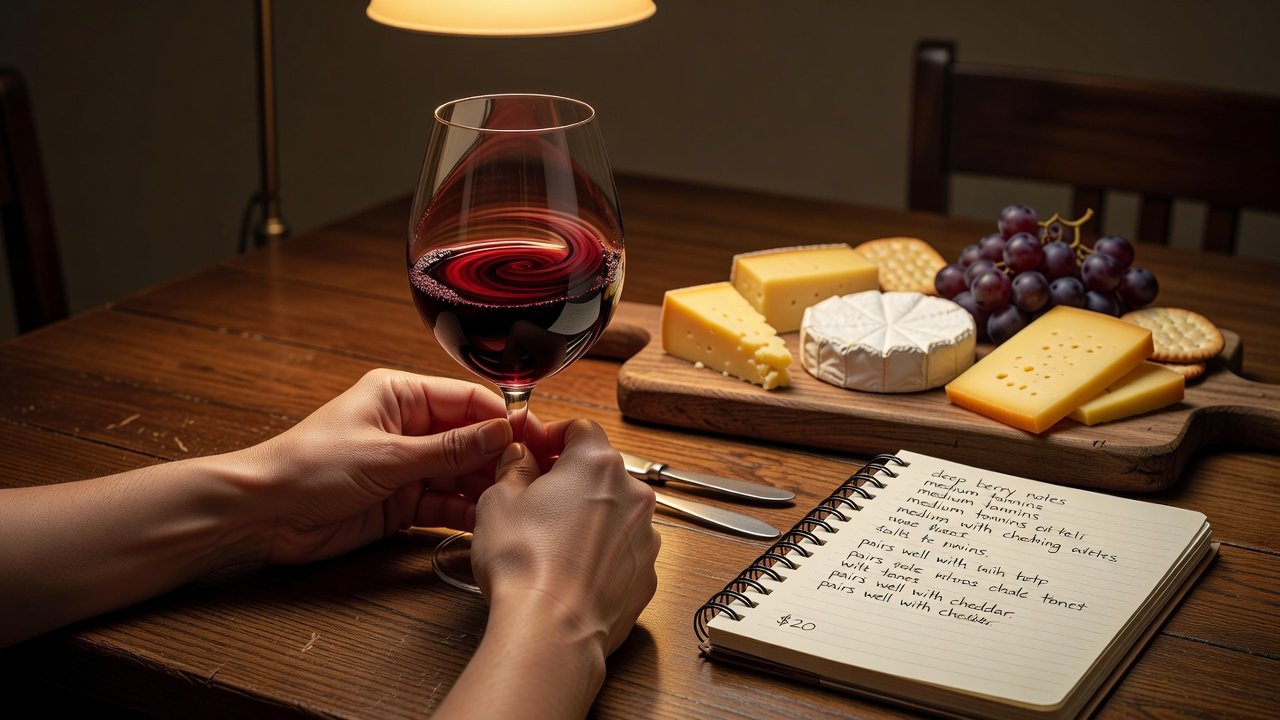
The foundation of any wine evaluation starts with three repeatable actions that require no special gear. Begin by pouring a small amount into a clear glass at room temperature for reds or slightly chilled for whites. Swirl the glass gently for ten seconds to release aromas and observe how the liquid coats the sides. Good wines often show slow-moving legs or tears that indicate body and texture, while thin or watery movement may suggest lighter structure.
Next, bring the glass to your nose and take short sniffs rather than one long inhale. Identify primary fruit notes such as citrus or berry, secondary spice or oak hints, and any off-putting smells such as vinegar or wet cardboard that signal faults. Finally, take a small sip and let the wine coat your palate. Note acidity, sweetness, tannin grip, and finish length before swallowing or spitting. Repeat the process with each new bottle to train your memory for future comparisons.
Identifying Value Grape Varieties
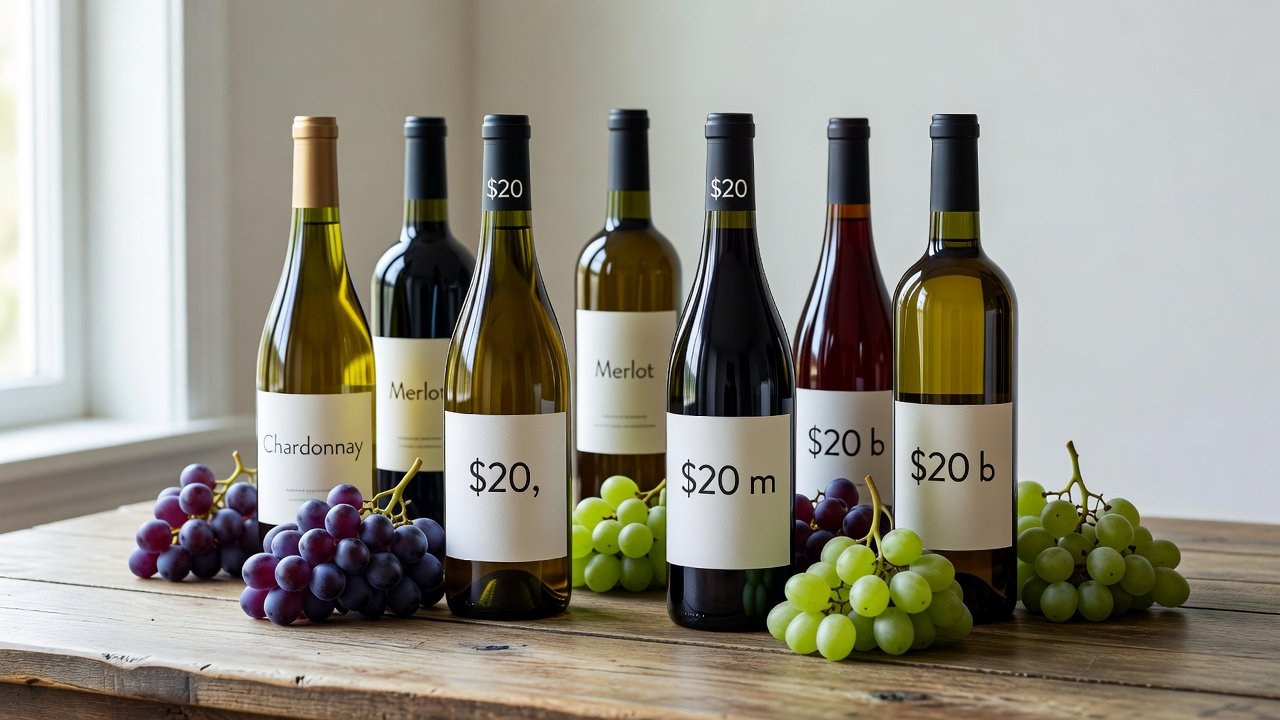
Certain grapes consistently offer strong character even in lower-priced bottles because they thrive in diverse climates and produce generous yields without losing flavor. Sauvignon Blanc and Pinot Grigio frequently deliver crisp, refreshing profiles that shine without oak influence, making them ideal for warm-weather sipping. For reds, look toward Malbec, Garnacha, and Merlot from regions known for high-volume yet careful production. These varieties tend to retain vibrant fruit and balanced structure when grown in suitable climates.
Chardonnay and Cabernet Sauvignon can also appear at accessible price points when sourced from high-yielding areas. The key is checking the label for vintage and region rather than assuming price alone signals quality. Experimenting with lesser-known options like Torrontés or Bonarda can uncover hidden gems that offer unique aromas at friendly costs.
Reading Labels for Quality Clues
Labels provide valuable hints beyond the grape name and can guide smarter selections when you know what to prioritize. Look for specific appellations such as DOC or AVA designations that indicate regulated production standards and geographic authenticity. Alcohol percentage between 12 and 14 percent often points to balanced ripeness in many styles. Avoid bottles listing vague terms like "table wine" without origin details, as these may lack transparency.
Producer names that appear on multiple vintages suggest consistency across harvests. Importer information on the back label can also point to reputable sourcing networks that maintain quality control. For deeper guidance on label regulations, consult resources from official government wine labeling authorities.
Regional Examples Worth Exploring
Chilean Sauvignon Blanc from the Casablanca Valley often shows citrus and herbal notes at budget levels, offering bright acidity that pairs well with everyday meals. Argentine Malbec from Mendoza delivers plush dark fruit with soft tannins, creating approachable reds that feel more expensive than they are. Portuguese Vinho Verde provides light, fizzy refreshment ideal for warm weather gatherings and seafood dishes. Spanish Garnacha from Navarra offers strawberry and pepper character without complexity that demands high cost.
Additional regions such as South African Chenin Blanc and Italian Primitivo also deliver reliable value through favorable growing conditions that allow quality fruit even when scaled for volume production. Exploring one new region per month helps expand your palate while keeping selections affordable and interesting.
Good Versus Poor Budget Wine Comparison
A well-made budget white might display clean fruit, bright acidity, and a crisp finish lasting ten seconds or more, leaving a refreshing impression. In contrast, a lesser example could taste flat, overly sweet, or carry a metallic aftertaste that lingers unpleasantly. For reds, quality versions show integrated tannins and layered aromas while poor ones may feel astringent or lack depth after the first sip, making them feel one-dimensional.
Conduct side-by-side tastings at home using two similar bottles to train your palate quickly. Note differences in color intensity, aroma clarity, and mouthfeel to sharpen your ability to spot superior choices in the future.
Step-by-Step Tasting Exercise
- Select two bottles from the same grape but different producers or regions.
- Pour both and swirl each for the same duration while observing leg formation.
- Sniff and note three aroma descriptors for each wine, focusing on fruit, earth, or spice.
- Sip and record acidity, body, tannin, and finish on a simple scorecard or notebook.
- Repeat weekly with new varieties to build memory and confidence over time.
- Share findings with friends to gain additional perspectives and refine preferences.
Practical Food Pairing Suggestions
Crisp whites pair naturally with salads, seafood, and poultry dishes because their acidity cuts through richness without overpowering delicate flavors. Medium-bodied reds complement grilled meats, pasta with tomato sauce, and aged cheeses by matching tannin structure to savory elements. Sparkling options cut through rich dishes such as fried appetizers or creamy sauces. Experiment by matching acidity levels in the wine to the richness of the food and consider seasonal ingredients for best results. Additional ideas include trying lighter reds with mushroom-based vegetarian meals or aromatic whites with spicy Asian cuisine.
Building a Simple Tasting Journal
Keeping basic notes helps track what you enjoy and why certain bottles succeed. Record the grape, region, vintage, and your impressions of aroma, taste, and finish after each tasting. Over several months this creates a personal reference that speeds up future decisions at the store. Include photos of labels or ratings on a one-to-ten scale for quick recall.
FAQ: Avoiding Common Beginner Mistakes
How important is vintage year? Recent vintages generally offer fresher fruit; older budget bottles may show signs of age prematurely and lose vibrancy.
Should I always decant affordable wines? Most do not require decanting; swirling in the glass suffices for the majority of young, budget-friendly bottles and preserves delicate aromas.
What if a wine tastes off? Trust your senses. A single disappointing bottle does not mean the variety or region is poor overall—try another producer next time.
Is screw cap versus cork an indicator of quality? Modern screw caps often preserve freshness better than traditional corks in many value wines and do not signal lower quality.
Conclusion
Building confidence with affordable wine comes from consistent practice of basic tasting steps and thoughtful label reading. By focusing on grape varieties, regional examples, and simple comparisons, beginners develop reliable judgment that improves with each bottle. Apply these techniques on your next shopping trip and enjoy discovering satisfying bottles that fit any budget while expanding your appreciation for wine.
No comments yet. Be the first!