 Uncorked Conversations
Introduction: Why Great Value Wines Matter in 2026
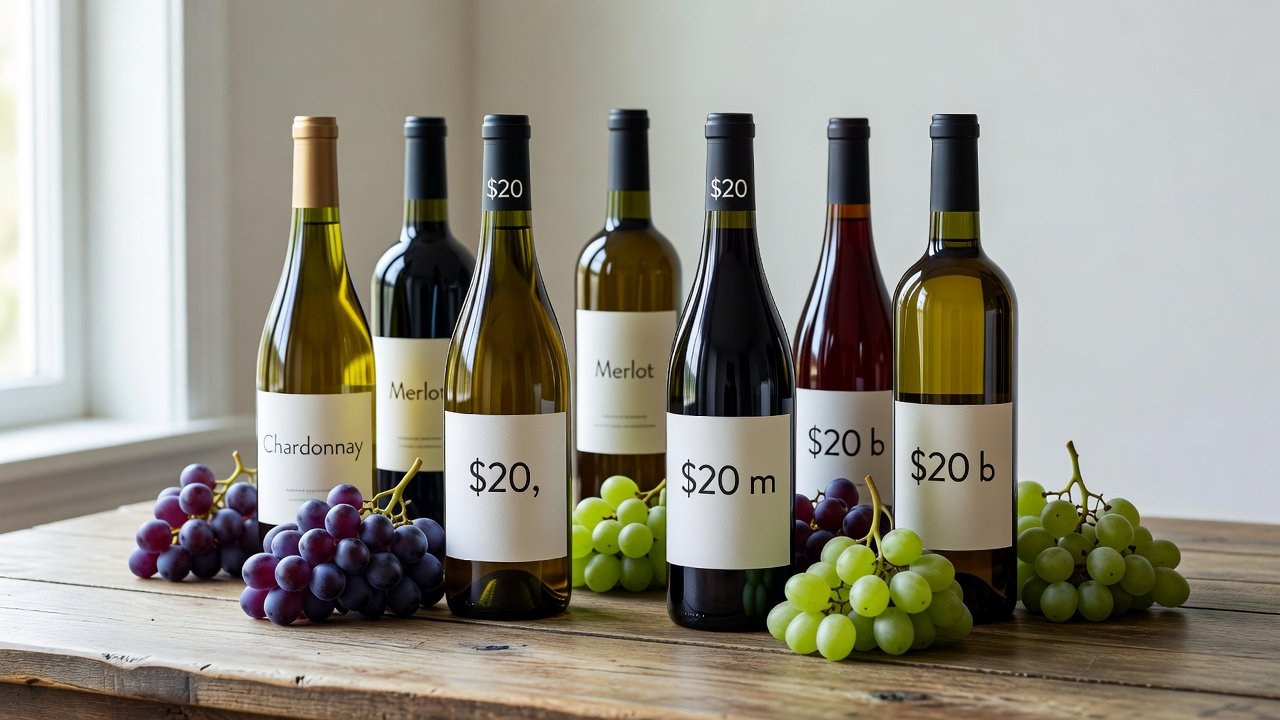
Finding enjoyable wines without spending much is a skill every beginner can learn. In 2026, the market offers plenty of options that deliver excellent flavor and quality when you know what to look for. This guide focuses on practical methods to identify solid bottles under $20, helping you build confidence while exploring new tastes. Value wines allow beginners to experiment widely, develop their palate, and enjoy wine regularly without financial strain. Understanding how to spot these gems transforms grocery store aisles into opportunities for discovery rather than confusion.
Decoding Wine Labels for Hidden Quality Signals
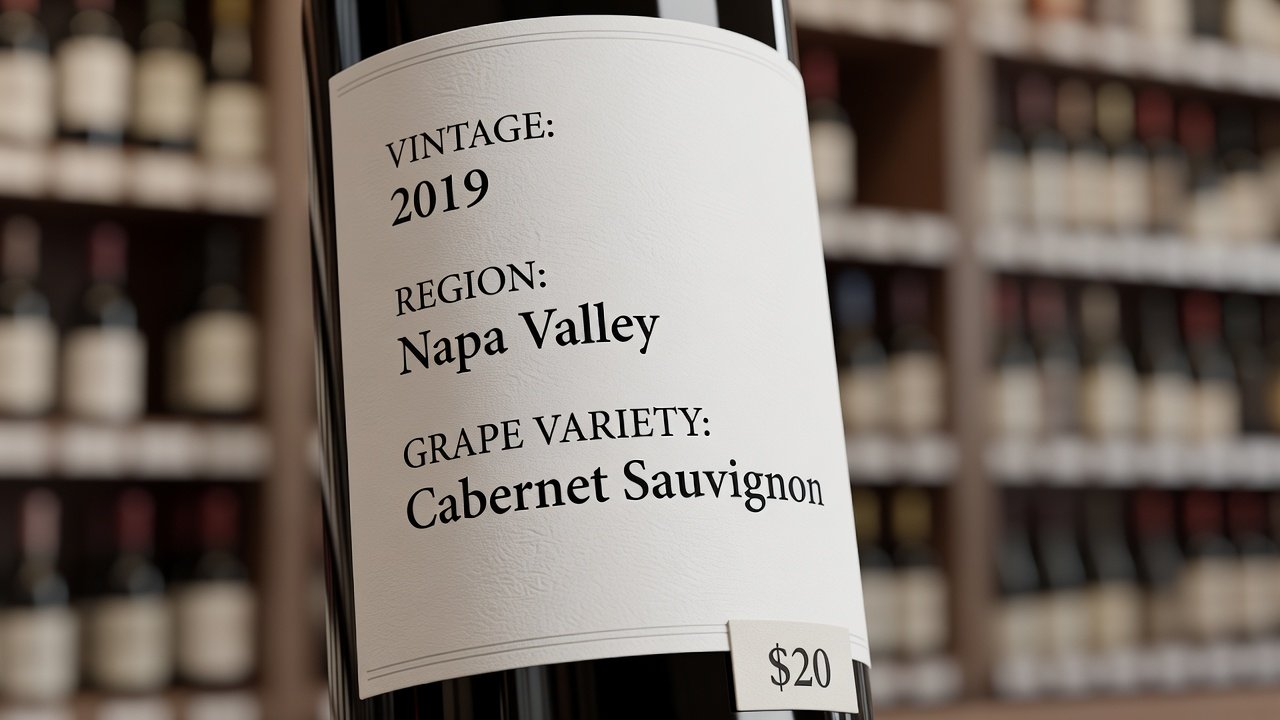
Labels hold key clues beyond the brand name. Look for vintage years that indicate a good harvest, alcohol percentages between 12 and 14 percent for balanced wines, and regions known for value. Avoid overly flashy designs that may hide average contents. Check for certifications like organic or sustainable practices, which often signal careful production. Appellations of origin can reveal if the wine comes from a respected area even if the price stays low. Importer names on the back label provide another layer of assurance, as established importers often select reliable producers. Reading the fine print about grape varieties and winemaking methods helps distinguish thoughtful wines from mass-produced ones.
Best Grape Varieties and Regions for Value
Certain grapes consistently offer strong value. Sauvignon Blanc from Chile or South Africa provides crisp acidity at accessible prices. Malbec from Argentina delivers bold fruit notes without complexity that demands higher spending. Regions like Portugal's Vinho Verde or Spain's Rioja deliver reliable everyday options. These areas focus on volume production that keeps costs down while maintaining character. Other strong contenders include Pinot Grigio from Italy and Cabernet Sauvignon from Australia. Each variety brings distinct flavors that pair well with many foods. Exploring these options helps beginners match wines to meals and occasions without overspending. Climate and soil in these regions naturally produce approachable wines that need little aging.
Quick In-Store Evaluation Steps
Start by browsing the lower shelves where value bottles often sit. Read the back label for importer information from reputable companies. Compare similar varieties side by side and note any awards or scores from trusted sources. Ask store staff about recent arrivals from value-focused regions to get fresh recommendations. Check the vintage date to ensure freshness and look for consistent labeling across a producer's lineup. Pay attention to bottle weight, as heavier glass sometimes indicates higher quality production even at lower prices. Finally, scan for screw cap closures on whites and lighter reds, which preserve freshness effectively.
Price Versus Quality: Realistic Comparisons
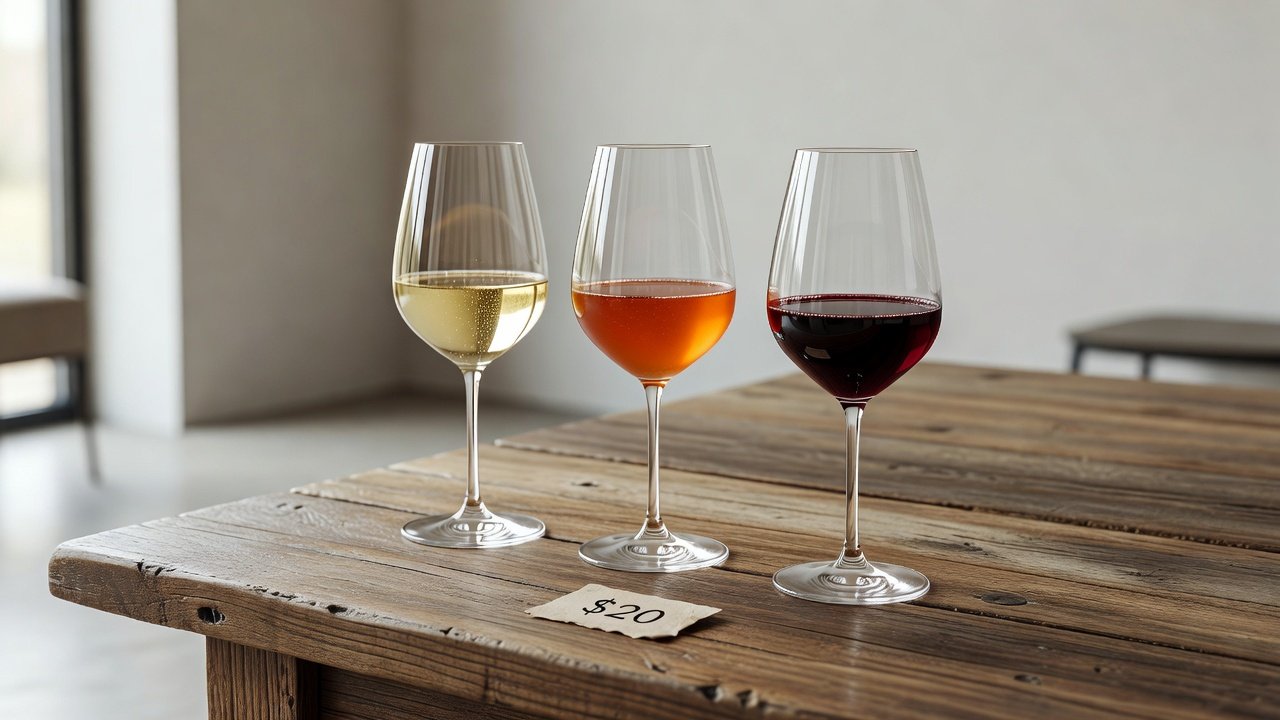
Higher prices do not always equal better taste. Many wines under $20 match or exceed expectations of pricier bottles when chosen carefully. Focus on balance, fruit expression, and finish rather than prestige. Beginners often discover favorites in this range that become go-to selections for regular enjoyment. Marketing and packaging can inflate prices without improving the liquid inside. Learning to ignore hype allows you to evaluate based on actual sensory qualities. Over time, this approach reveals that many expensive wines simply offer more complexity rather than superior basic enjoyment.
Real-World Examples of Standout Value Bottles
Examples include crisp whites from the Loire Valley in France or juicy reds from California's Central Coast. These showcase how thoughtful sourcing creates approachable wines. Rotate through different varieties to expand your palate without commitment to expensive experiments. A Chilean Carmenere might offer herbal and dark fruit notes, while a Spanish Tempranillo provides earthy undertones perfect for casual dinners. Trying one new bottle each week builds experience quickly. These examples demonstrate that value does not mean sacrificing flavor or drinkability.
Simple Home Tasting Checks
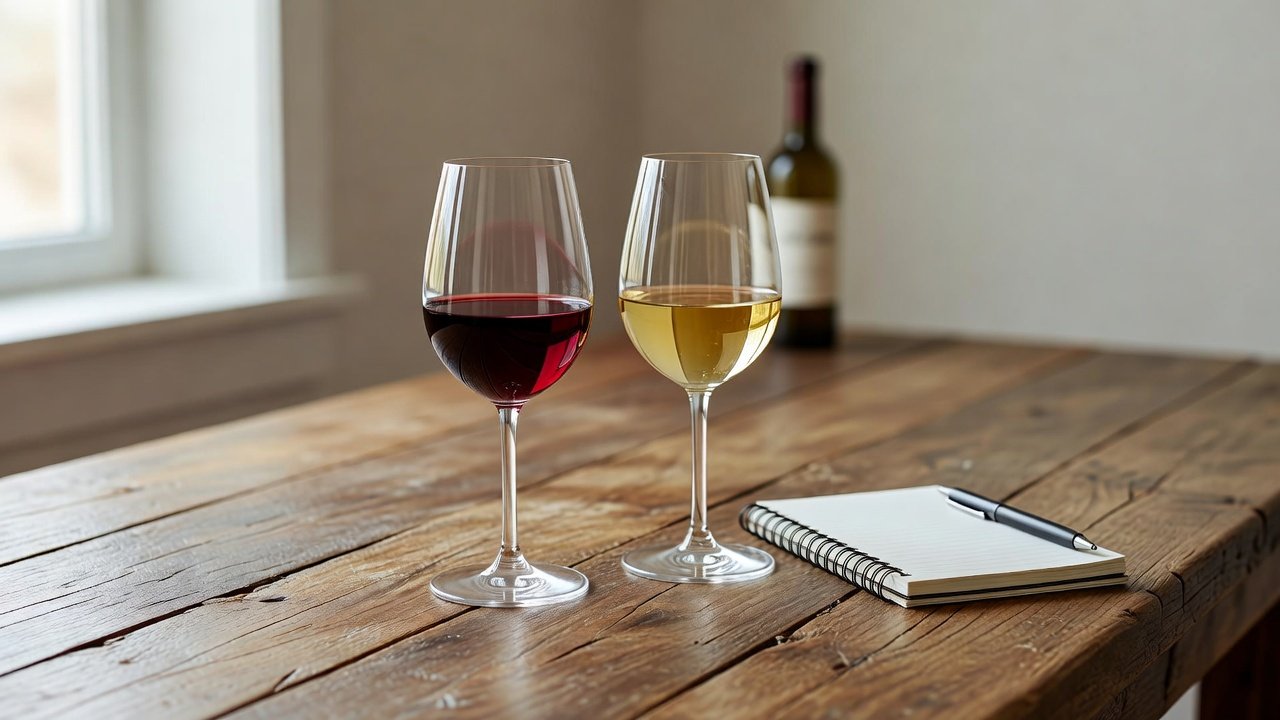
At home, pour a small amount and observe color and clarity. Swirl to release aromas, then sip slowly to note acidity, tannins, and lingering flavors. Compare notes with a friend to refine preferences. Store opened bottles upright in the fridge for whites and reds for short periods to preserve quality. Use a basic tasting grid that tracks appearance, nose, palate, and finish. This structured approach turns casual sipping into meaningful learning. Record impressions in a notebook to track patterns and favorites over time.
Mistakes Beginners Should Avoid
- Choosing bottles solely by attractive labels without checking the back for details.
- Ignoring vintage information, which can affect freshness and style.
- Storing wine near heat sources or in direct sunlight, which damages flavor quickly.
- Overlooking screw caps or synthetic corks as valid quality closures.
- Assuming all wines from a famous region command high prices when many value options exist.
Frequently Asked Questions
- How do I spot deals on quality wines? Watch for seasonal promotions and focus on lesser-known regions rather than big brands.
- What is the best way to store value wines? Keep them in a cool, dark place away from direct light and temperature swings.
- Can I age wines under $20? Most are meant for immediate drinking, but some sturdy reds can improve for a year or two.
- Are screw caps a sign of lower quality? No, many modern value wines use screw caps to ensure freshness without corks.
- Should I chill all white wines the same way? Lighter styles benefit from cooler temperatures while fuller whites can be served slightly warmer.
Conclusion
With these strategies, spotting great value wines under $20 becomes straightforward. Practice label reading, explore recommended grapes, and apply in-store tips to build a satisfying collection. Enjoy the process of discovery while keeping costs reasonable. For more wine education, visit Wine Folly and Wine Enthusiast.
No comments yet. Be the first!