 Uncorked Conversations
Introduction to 2026 Wine Trends for Beginners
The wine landscape in 2026 highlights emerging styles that prioritize sustainability, reduced alcohol content, and innovative winemaking techniques. Beginners benefit from mastering core tasting skills to explore low-alcohol wines, orange wines, and regenerative wines with confidence. These trends build on traditional methods while introducing fresh profiles that appeal to modern palates seeking lighter, more environmentally conscious options. This comprehensive guide adapts the classic 5 S's tasting framework specifically for these styles, enabling readers to identify distinctive aromas, textures, and flavors. By comparing them directly to established varieties such as Cabernet Sauvignon or Chardonnay, newcomers develop a deeper appreciation. The content includes hands-on exercises, label interpretation strategies, thoughtful pairing suggestions, real-world examples of affordable bottles under $20, and guidance on sidestepping frequent errors. With step-by-step checklists and an FAQ section, this resource equips enthusiasts to navigate new releases throughout 2026 and beyond.
Key 2026 Wine Trends Explained in Detail
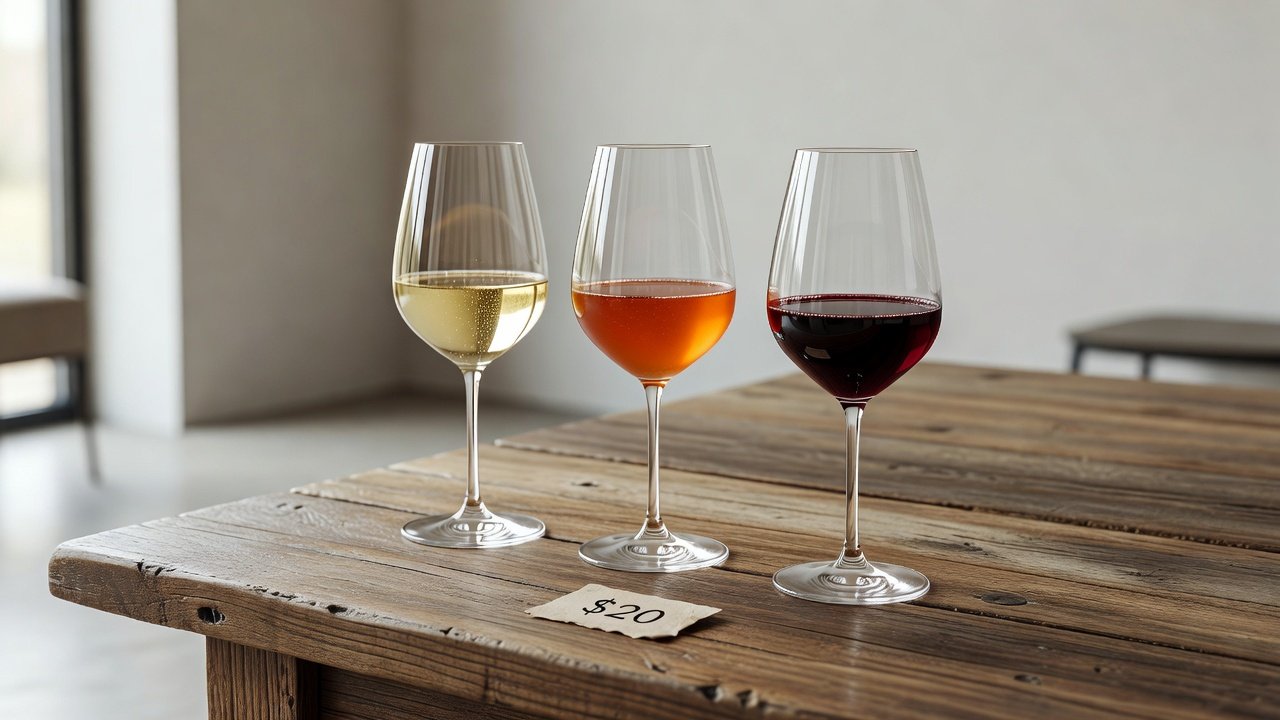
Low-alcohol wines typically feature between 8 and 11 percent ABV, offering refreshing alternatives for those mindful of consumption levels while retaining complex fruit notes. These wines often originate from cooler climate regions where grapes naturally develop balanced acidity without excessive sugar. Orange wines result from extended skin contact during fermentation of white grapes, producing amber-colored liquids with notable tannins and layered flavors ranging from dried apricot to herbal spice. This style bridges the gap between crisp whites and structured reds. Regenerative wines stem from vineyard practices that focus on soil regeneration, cover cropping, and biodiversity enhancement, resulting in expressive bottles that reflect terroir with minimal intervention. Each trend diverges from classics by emphasizing vibrancy over power, with regenerative options frequently showcasing brighter acidity and earthier undertones compared to conventional counterparts.
Understanding these distinctions helps beginners appreciate why 2026 releases stand out. For example, a low-alcohol Riesling might highlight delicate floral aromas absent in higher-alcohol versions, while an orange wine from Georgia could deliver nutty textures unlike standard Pinot Grigio. Learn more about wine fundamentals from Wine Folly. Exploring these categories encourages mindful drinking aligned with current preferences for transparency and sustainability.
Adapting the 5 S's Method for New Wine Styles
The foundational tasting steps of See, Swirl, Sniff, Sip, and Savor provide a reliable structure that adapts seamlessly to 2026 trends. Begin with See by examining clarity and hue: low-alcohol whites often appear lighter and more translucent, orange wines display golden or copper tones from skin contact, and regenerative reds may exhibit deeper ruby shades with subtle sediment indicating minimal filtration. Next, Swirl the glass gently to aerate without overwhelming delicate low-alcohol aromas. This step reveals viscosity differences, where regenerative wines might show slower legs due to natural texture.
Sniffing uncovers unique scent profiles such as citrus zest in low-alcohol options or oxidative notes like hazelnut in orange wines. Sip thoughtfully to assess mouthfeel, noting how low-alcohol wines feel crisp and light on the palate while orange styles introduce gripping tannins. Finally, Savor the finish to compare persistence against classic varieties, where regenerative wines often linger with mineral qualities. This adapted approach builds sensory awareness through repeated practice across multiple bottles.
Practical Tasting Exercises for Skill Building
Structured exercises accelerate learning. Exercise one involves tasting a low-alcohol Sauvignon Blanc alongside a traditional 13 percent ABV version to contrast body and refreshment. Exercise two pairs an orange wine with a classic rosé, focusing on tannin perception and color evolution. Exercise three evaluates a regenerative Cabernet Franc against a standard version, highlighting differences in fruit purity and earth notes. Additional drills include blind sniffing sessions for aroma identification and group comparisons using the same grape from different production methods. These activities foster confidence when encountering new 2026 releases at tastings or retail settings.
Label Reading Tips for Trend Wines
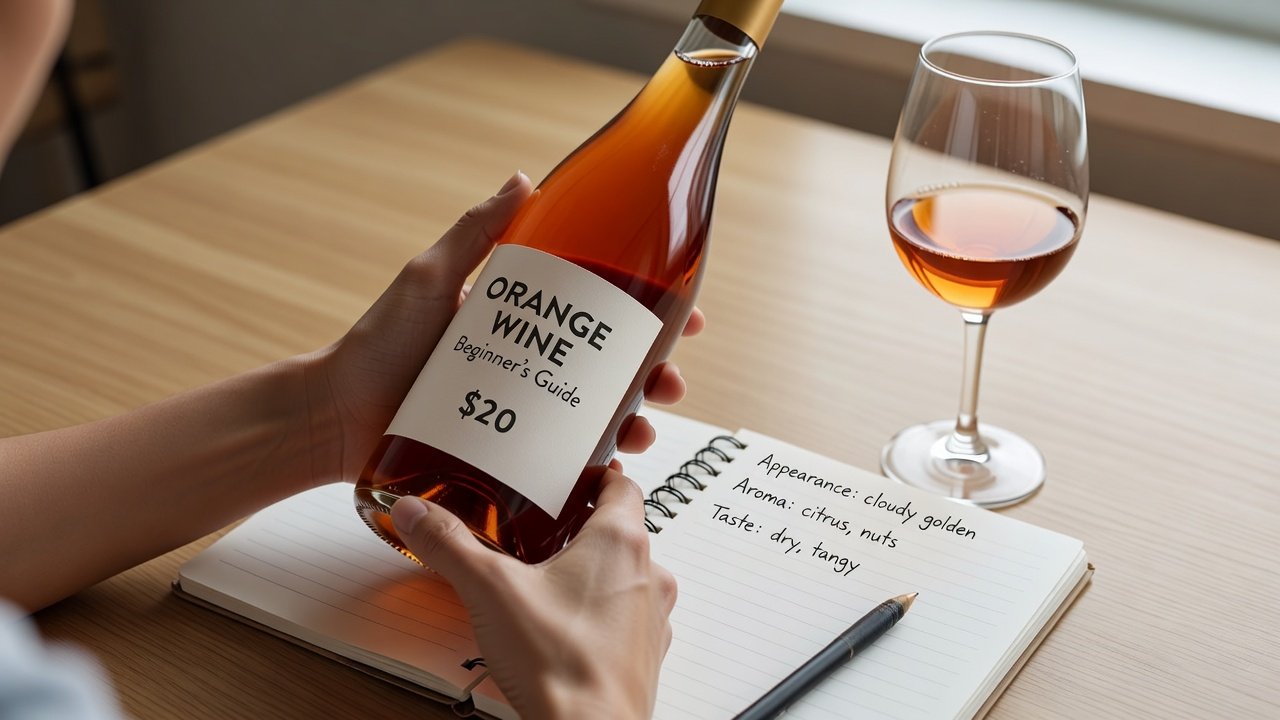
Effective label navigation starts with scanning for explicit indicators such as "low ABV," "skin contact," or regenerative agriculture certifications. Alcohol percentage listed on the back provides immediate confirmation of style. Production details like "minimal intervention" or specific vineyard practices signal alignment with regenerative principles. Beginners should cross-reference importer information for quality assurance and note vintage years to track consistency. Explore expert wine insights at Decanter. This skill prevents mismatches between expectations and actual bottles, especially when seeking affordable options that fit emerging trends.
Pairing Ideas for Emerging Styles
Thoughtful pairings enhance enjoyment of these wines. Low-alcohol varieties complement light seafood dishes, fresh salads, and herb-forward appetizers by cutting through acidity without overwhelming flavors. Orange wines excel alongside spicy Thai cuisine, aged cheeses, or roasted poultry, where their tannins balance richness. Regenerative reds pair beautifully with grilled vegetables, lean meats, or mushroom-based entrees, amplifying earthy elements. Experimentation reveals synergies, such as matching a low-alcohol sparkling option with brunch fare for an elevated yet approachable experience.
Common Beginner Pitfalls to Avoid
- Overlooking subtle aromas in low-alcohol wines because their lighter profiles require focused attention rather than rushed evaluation.
- Expecting aggressive tannins from orange wines without prior exposure, which can lead to misjudging balance and texture.
- Ignoring vineyard sustainability claims when selecting regenerative bottles, missing opportunities to support ethical producers.
- Skipping side-by-side comparisons with classics, which delays recognition of unique attributes in 2026 styles.
Step-by-Step Evaluation Checklist
Apply this expanded checklist during every tasting session: First, record appearance details including color intensity and clarity under natural light. Second, assess aroma layers by noting primary fruit, secondary spice, and tertiary earth elements. Third, evaluate mouthfeel through acidity, tannin, and body measurements on a simple scale. Fourth, pinpoint dominant flavors and how they evolve over time. Fifth, consider overall harmony with potential food matches and personal preference. Sixth, document any standout features tied to the specific trend category. Regular use of this tool refines palate memory and supports informed purchasing decisions.
Short FAQ on Building Tasting Confidence
How do I start if new to these styles? Select one trend category and conduct focused tastings over several weeks while maintaining detailed notes for progress tracking.
What if a wine seems too different from expectations? Perform direct comparisons with familiar classics to contextualize deviations in aroma or texture effectively.
Are these wines widely available? Many accessible examples appear through specialty retailers, online platforms, and local wine shops emphasizing current releases.
How often should beginners practice? Weekly sessions with varied bottles build familiarity without overwhelming the senses, leading to steady improvement.
Can these trends be enjoyed casually? Absolutely, as their approachable profiles suit both everyday meals and special occasions when basic techniques are applied.
Conclusion
Mastering 2026 wine trends through adapted tasting methods empowers beginners to explore with assurance. By integrating the 5 S's framework, completing practical exercises, interpreting labels accurately, and following structured checklists, readers gain actionable skills for appreciating low-alcohol, orange, and regenerative wines. Consistent application alongside thoughtful pairings transforms initial curiosity into lasting expertise, ensuring enjoyable discoveries with each new release throughout the year.
No comments yet. Be the first!