 Uncorked Conversations
Introduction to Still and Sparkling Wines
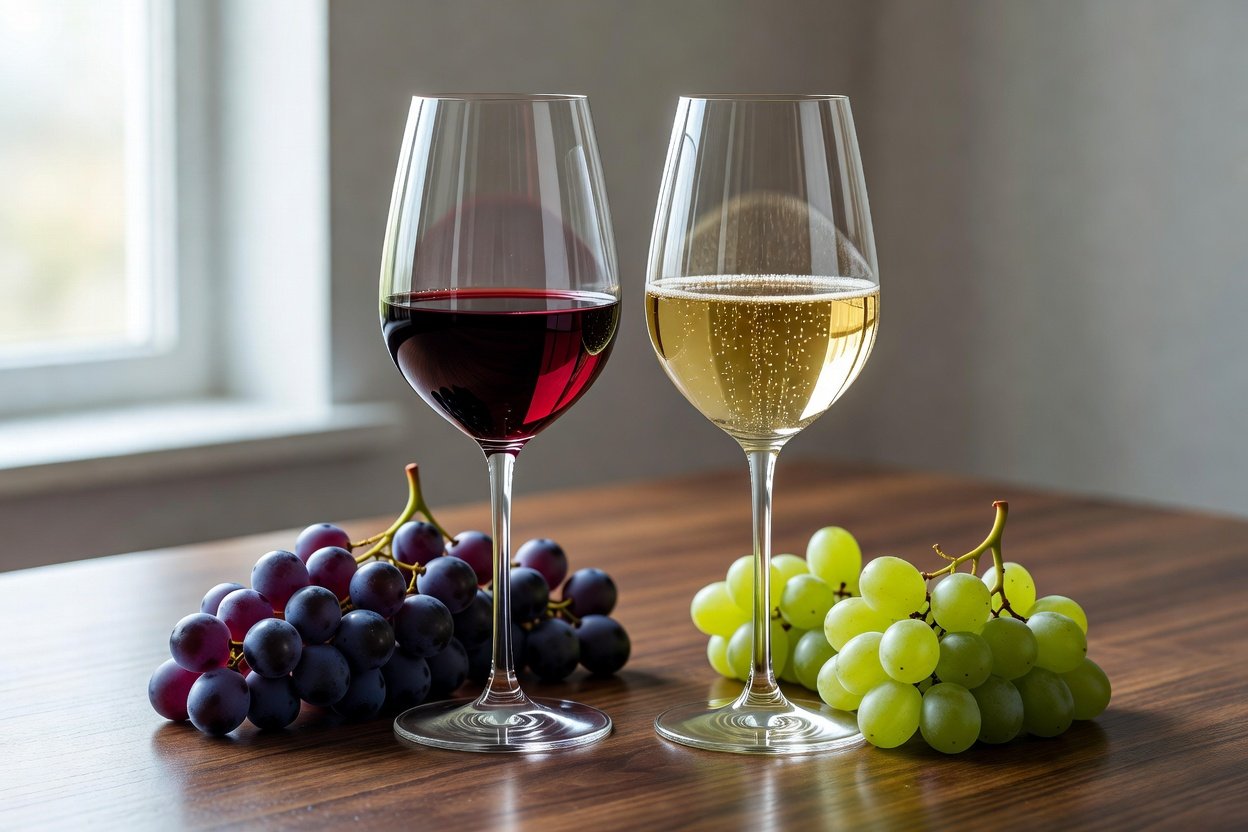
Exploring the world of wine starts with understanding the two main styles: still and sparkling. Still wines lack carbonation, offering a smooth, quiet drinking experience, while sparkling wines feature lively bubbles from trapped carbon dioxide. This 2026 guide breaks down the key differences for beginners, including production basics, flavor profiles, and practical selection tips to help you choose confidently at the store or restaurant. Whether you're new to wine tasting or looking to refine your palate, learning these distinctions enhances appreciation at home or in restaurants. We'll cover grape varieties, fermentation processes, and real-world examples throughout to give you a complete foundation.
Still wines form the backbone of most wine collections because of their versatility, while sparkling wines bring celebration and refreshment to any occasion. By the end of this guide, you'll understand how to taste both styles effectively and match them to meals or moods.
Production Basics: How Still and Sparkling Wines Are Made
Still wines undergo a single fermentation where yeast converts grape sugars into alcohol, with no secondary step to create bubbles. The process focuses on extracting color, tannins, and aromas from the grapes before aging in tanks or barrels. Sparkling wines, by contrast, often involve a second fermentation in the bottle or tank, trapping CO2 to produce effervescence. This method, known as the traditional or Charmat process, defines styles like Champagne versus Prosecco. In the traditional method used for Champagne and many high-quality sparkling wines, the second fermentation happens inside the bottle, followed by aging on lees for months or years to develop complex flavors like brioche and nuts. The Charmat method, common for Prosecco, conducts the second fermentation in large tanks to preserve fresh fruit notes. Understanding these steps helps explain why sparkling wines often cost more and taste more layered than their still counterparts.
Grape Varieties and Their Roles
Both styles draw from similar grapes but express them differently. Chardonnay and Pinot Noir shine in still white and red wines, delivering crisp acidity or rich tannins. In sparkling production, the same varieties create elegant bases, as seen in many French and California examples. Other popular grapes include Sauvignon Blanc for zesty still whites and Glera for aromatic sparkling wines like Prosecco. Pinot Grigio offers light, citrus-driven still wines, while Chenin Blanc provides versatility in both still and sparkling forms. Red grapes like Merlot appear in still reds with plush textures, and even in some sparkling rosés for berry-forward profiles. Regional differences matter too: Old World grapes from France and Italy often emphasize minerality, while New World examples from California or Australia lean toward riper fruit.
Flavor Profiles and Tasting Differences
Still wines range from dry and earthy to fruity and bold, with textures varying by grape and aging. Sparkling wines add a refreshing prickle that lifts flavors, often highlighting citrus, apple, or floral notes with a creamy finish from bubbles. Tasting side-by-side reveals how carbonation changes perceived sweetness and acidity. For example, a still Chardonnay might show buttery oak notes, whereas the sparkling version emphasizes bright lemon and green apple with a lingering mousse. Bubbles can make wines taste fresher and slightly less sweet, which is why many people prefer sparkling options with richer foods.
Practical Steps for Tasting Both Styles
- Start with still wine: Swirl to release aromas, sip, and assess body and finish.
- Move to sparkling: Note the bubble size and persistence, then evaluate how they interact with fruit flavors.
- Compare acidity levels and sweetness on the palate by paying attention to how the wine coats your tongue.
- Repeat with different temperatures to see changes, and try cleansing your palate between samples with plain crackers or water.
- Record your impressions in a simple notebook to track preferences over time.
These steps build a reliable tasting routine for any beginner and can be practiced at home with just a few bottles.
Understanding Sweetness Levels and How Bubbles Affect Taste
Sweetness in wine is measured on scales from bone-dry to lusciously sweet. Still wines clearly label terms like dry or off-dry on the back label. Sparkling wines use terms such as brut (very dry) or demi-sec (slightly sweet). Bubbles interact with your taste buds by stimulating saliva, which can make a wine seem less sweet and more acidic than it actually is. This effect makes even a slightly sweet sparkling wine refreshing rather than cloying.
Serving Suggestions and Storage Tips
Serve still reds at room temperature and whites chilled around 45-55°F. Sparkling wines excel at 40-50°F to preserve bubbles. Store both away from light and heat, ideally horizontally for corked bottles to keep the cork moist. Opened still wines keep 3-5 days in the refrigerator with a stopper, while sparkling wines benefit from special caps to retain fizz for up to two days. Avoid storing near strong odors, as wines can absorb them over time.
Common Pairings and Budget Recommendations
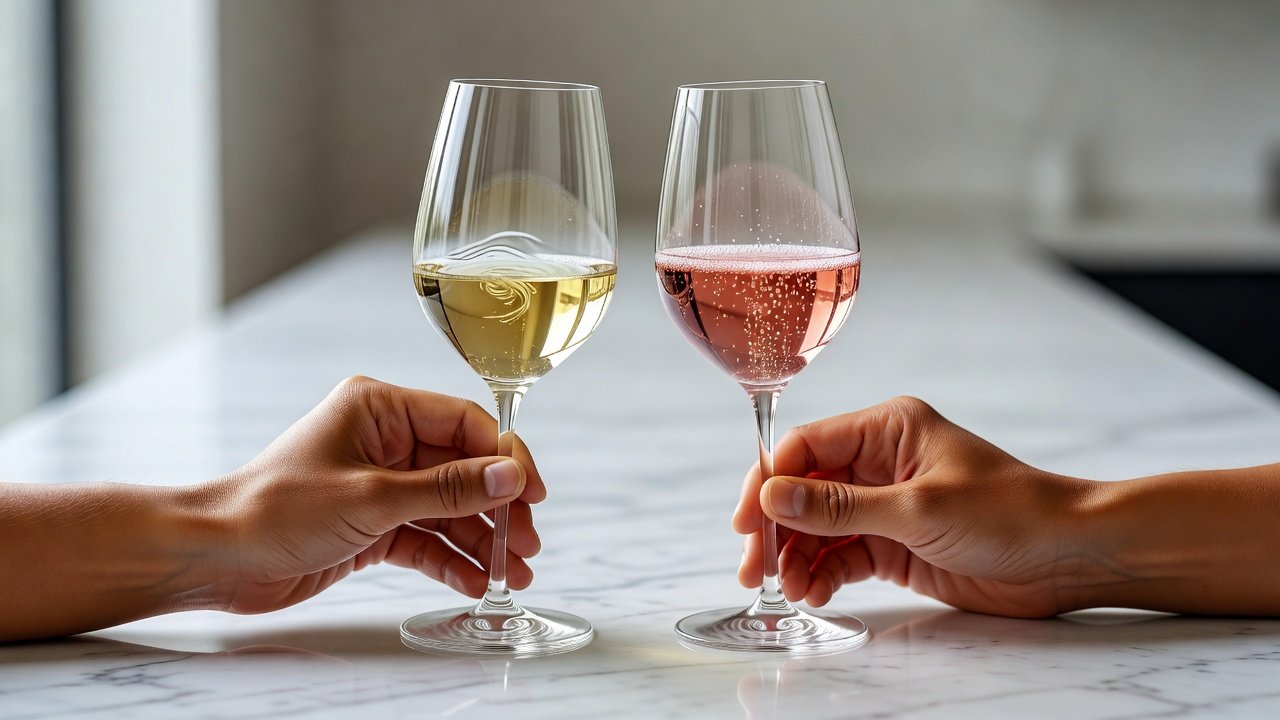
Still wines pair beautifully with roasted meats or creamy pastas, while sparkling options complement seafood, fried appetizers, or desserts. A still Sauvignon Blanc cuts through rich cheese, and a sparkling Cava elevates oysters or sushi. Look for widely available examples like California Chardonnays for still wines or Italian Proseccos for sparkling under $20 (as of 2026-09-30). These budget-friendly choices deliver excellent value without sacrificing quality.
Simple Comparison Table
| Aspect | Still Wines | Sparkling Wines |
|---|---|---|
| Bubbles | None | Present from fermentation |
| Production | Single fermentation | Secondary fermentation |
| Flavor Focus | Fruit, tannins, body | Acidity, effervescence |
| Best Served | Varies by color | Chilled |
| Typical Aging | Months to years in barrel or bottle | Additional months on lees |
Mistakes to Avoid When Choosing Wines
Common errors include serving sparkling wine too warm, which flattens the bubbles, or assuming all sparkling wines are sweet. Always check labels for grape variety and production method. Another pitfall is storing opened bottles upright, which speeds up oxidation.
Frequently Asked Questions
Do all sparkling wines taste sweet?
No—many are dry or brut, with sweetness levels clearly labeled on bottles.
How long can opened bottles last?
Still wines keep 3-5 days refrigerated; sparkling loses fizz faster, ideally within 1-2 days.
Are there non-alcoholic versions?
Yes, dealcoholized options exist in both styles for inclusive choices.
Which style is better for beginners?
Both work well; start with lighter still whites and move to sparkling for variety.
Conclusion
Mastering still versus sparkling wines opens doors to enjoyable discoveries. Experiment with the tasting steps and pairings outlined here to find your favorites. For deeper learning, explore resources from authoritative sites like Decanter, Wine Folly, and Wine Institute.
No comments yet. Be the first!