 Uncorked Conversations
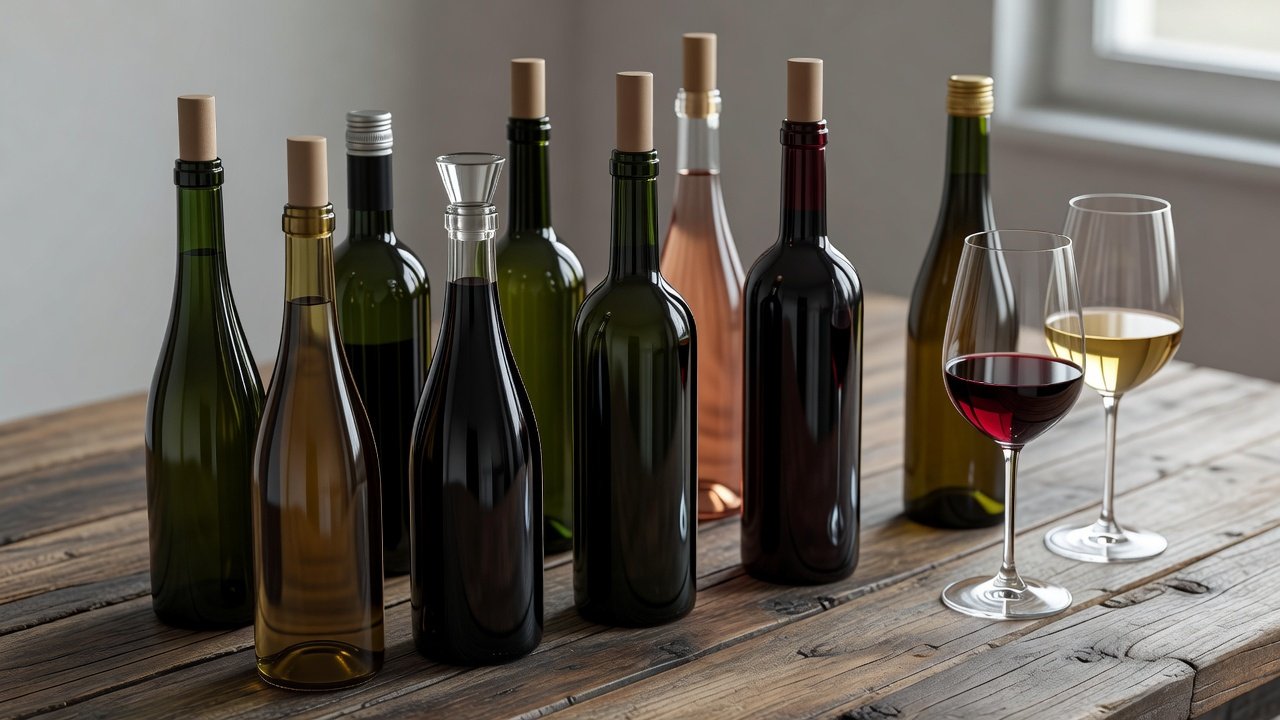
Introduction to Wine Closures Beyond the Basics
Many beginners start with the classic debate of natural cork versus screw caps, but the wine world offers a variety of alternative closures that affect freshness, aging potential, and flavor preservation in unique ways. In 2026, understanding these options helps you select bottles that match your drinking timeline and storage conditions. This guide explores synthetic corks, glass stoppers, crown caps, and emerging alternatives with practical advice drawn from real-world examples. Choosing the right closure influences how oxygen interacts with the wine over time. Too much oxygen leads to oxidation, while too little can trap unwanted compounds. Beginners benefit from knowing these mechanics to avoid common pitfalls like premature aging or leakage. Wine closures have evolved significantly, moving beyond tradition to incorporate materials that balance cost, sustainability, and performance. Whether you are building a small home cellar or simply want to enjoy a bottle without worry, mastering closure types builds confidence at the wine shop and at home.
Synthetic Corks: Affordable and Consistent Performance
Synthetic corks, made from plastic polymers or plant-based materials, provide a reliable seal without the risk of cork taint. They are popular for everyday wines meant to be consumed within a few years. Pros include consistent performance, no TCA contamination, and lower cost compared to high-grade natural corks. Cons involve limited long-term aging potential because they allow minimal oxygen transfer, which can be insufficient for complex reds needing decades of development. Flavor impact is neutral, preserving fruit-forward profiles effectively. Real-world example: Many New Zealand Sauvignon Blancs from producers like Cloudy Bay use synthetic options to maintain vibrant acidity and freshness for 2-3 years post-bottling. Additional examples include popular California Chardonnay and Italian Pinot Grigio lines that rely on synthetics for reliable shelf stability in retail settings. To open a synthetic cork bottle, use a standard corkscrew and twist slowly to avoid crumbling the material. Store upright if the wine is young, or follow producer guidance for horizontal aging in cool conditions around 12-15°C.
Glass Stoppers: Premium Reusability and Elegant Design
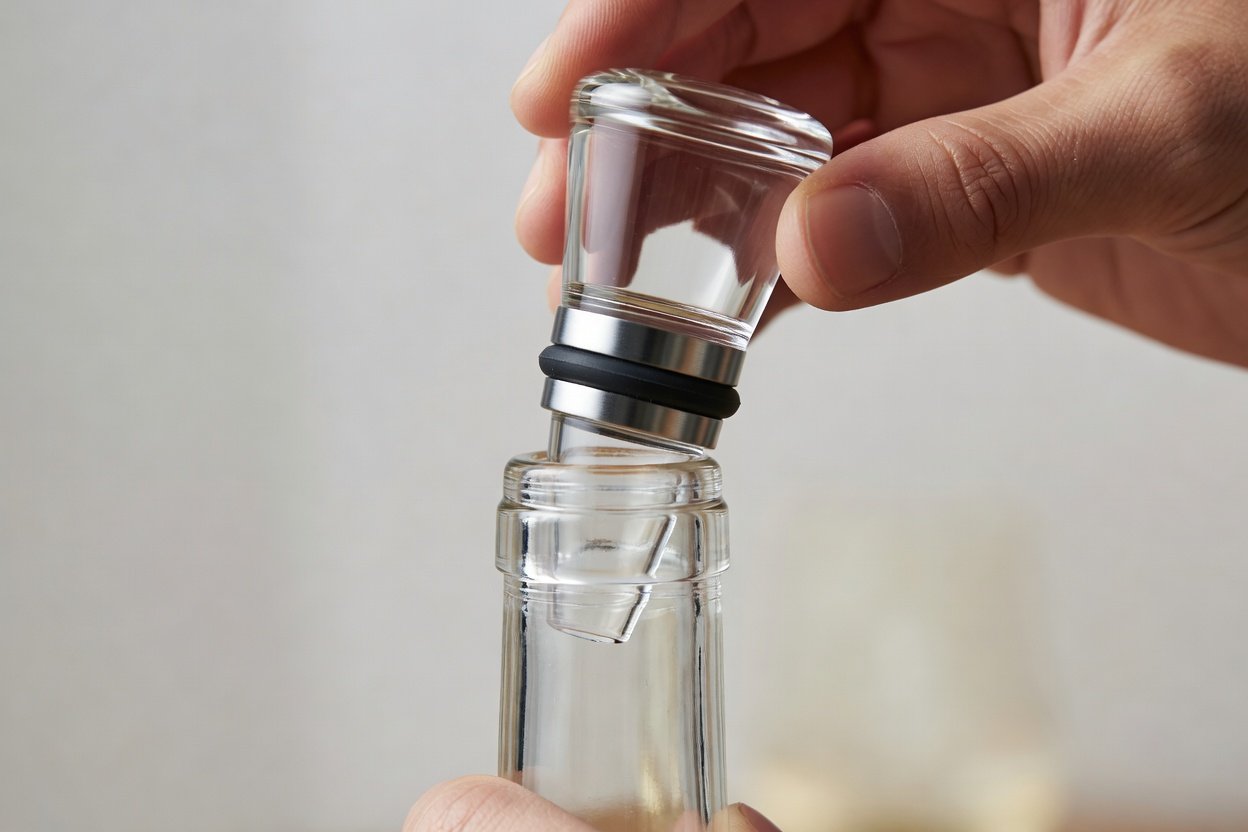
Glass stoppers, often paired with a silicone or rubber O-ring, create an airtight seal and allow easy re-insertion after opening. They are gaining traction in both budget and premium segments. Advantages center on reusability, elegant presentation, and excellent protection against oxidation. Drawbacks include higher production costs and the need for careful handling to avoid breakage. They suit wines consumed over multiple sittings. Step-by-step opening instructions: 1. Grip the bottle firmly on a stable surface. 2. Twist the stopper gently while pulling upward with steady pressure. 3. Store the removed stopper upright on a clean surface to keep the O-ring intact. 4. For resealing, align the O-ring carefully and press firmly until seated with an audible click. Storage recommendation: Keep bottles upright in a cool, dark place between 12-15°C to maintain seal integrity. Example: German Rieslings from the Mosel region frequently feature glass closures for their crisp, aromatic styles. French Loire Valley whites and some Spanish Albariño bottles also adopt this closure for its visual appeal and practical resealing benefit during dinner parties or picnics.
Crown Caps: Simple and Effective for Sparkling and Young Wines
Crown caps, similar to those on beer bottles, are standard for many sparkling wines and some still wines in innovative markets. They provide a strong, tamper-evident seal. Benefits include low cost, ease of opening with a standard bottle opener, and superior carbonation retention. Limitations appear in still wine applications where they may impart a slight metallic note if not lined properly. Aging is minimal, making them ideal for young, fresh wines. Opening steps: Position the opener under the cap edge, lever upward steadily, and wipe the rim before pouring to remove any residue. Storage: Horizontal for still wines if recommended by the producer, though upright works for most crown-capped bottles. Real-world example: Many Spanish Cava producers and some California sparkling wines rely on crown caps during secondary fermentation before final corking. Australian sparkling Shiraz and certain English sparkling wines also use this closure for its efficiency in preserving bubbles during transport and storage.
Other Alternatives and Emerging Options in 2026
Additional closures include Vino-Lok, a hybrid glass and plastic system offering precise oxygen control, Zork, a foil and plastic combination for screw-cap-like convenience with easy removal, and technical corks made from agglomerated particles that allow tunable oxygen transmission rates. These options balance cost, sustainability, and performance. Effects on flavor and freshness vary: Vino-Lok excels at maintaining aromatic intensity in aromatic whites, while technical corks offer adjustable permeability for controlled aging in structured reds. Beginners should check producer notes for recommended consumption windows. Sustainability trends in 2026 favor recycled-content synthetics and plant-based stoppers that reduce environmental impact without sacrificing seal quality.
Comparison Table of Wine Closures
| Closure Type | Aging Potential | Oxygen Transfer | Best For | Common Drawback |
|---|---|---|---|---|
| Synthetic Cork | Short to medium (1-5 years) | Low | White and rosé wines | Limited complexity development |
| Glass Stopper | Medium (3-8 years) | Very low | Re-sealable bottles | Higher cost |
| Crown Cap | Short (under 2 years) | Minimal | Sparkling and young still wines | Less premium appearance |
| Technical Cork | Variable (up to 10+ years) | Adjustable | Premium reds | Variable quality by brand |
| Vino-Lok | Medium to long | Controlled | Aromatic whites and light reds | Availability in some regions |
Storage Recommendations and Practical Handling Tips
Store all bottles away from direct light and temperature fluctuations. For long-term cellaring, prioritize closures with appropriate oxygen permeability. When buying, examine the closure type listed on the back label or winery website. If leakage occurs, it often signals improper storage rather than closure failure. Practical tip: Test a few bottles with different closures at home to build personal preference. Pair synthetic options with casual weeknight wines and glass stoppers with dinner party selections. Always keep a corkscrew and bottle opener handy, and consider investing in a wine fridge for consistent temperature control if your collection grows beyond a dozen bottles.
Mistakes to Avoid When Selecting and Using Alternative Closures
Common errors include assuming all synthetic corks perform identically—quality varies by manufacturer. Another mistake is storing glass-stoppered bottles on their side without checking the O-ring condition first. Beginners sometimes overlook crown caps on still wines, missing out on fresh, budget-friendly options. Always verify the producer’s recommended drinking window rather than relying solely on closure type.
Frequently Asked Questions
- Does leakage indicate a bad closure? Usually not; temperature swings or overfilling are more common causes. Check the fill level before purchase.
- How does oxidation differ across closures? Screw caps and glass stoppers minimize it best, while natural or synthetic corks allow controlled amounts for aging.
- What should I buy in 2026? Focus on the wine style first, then match the closure to your timeline. Consult resources like Wine Spectator for current producer recommendations.
- Are sustainable closures available? Yes, many synthetic and technical options now use recycled materials; look for certifications on the label.
- Can I age wine under crown caps? Only short-term; they excel at preserving freshness but are not designed for extended cellaring of still wines.
Conclusion
Exploring alternative wine closures empowers beginners to make informed choices that enhance enjoyment and reduce waste. Whether opting for the consistency of synthetic corks or the elegance of glass stoppers, each option serves specific needs. Experiment thoughtfully and refer back to this guide when selecting your next bottle. Additional authoritative guidance is available from Decanter for ongoing updates on closure innovations.


No comments yet. Be the first!