 Uncorked Conversations
Introduction to Wine Closures
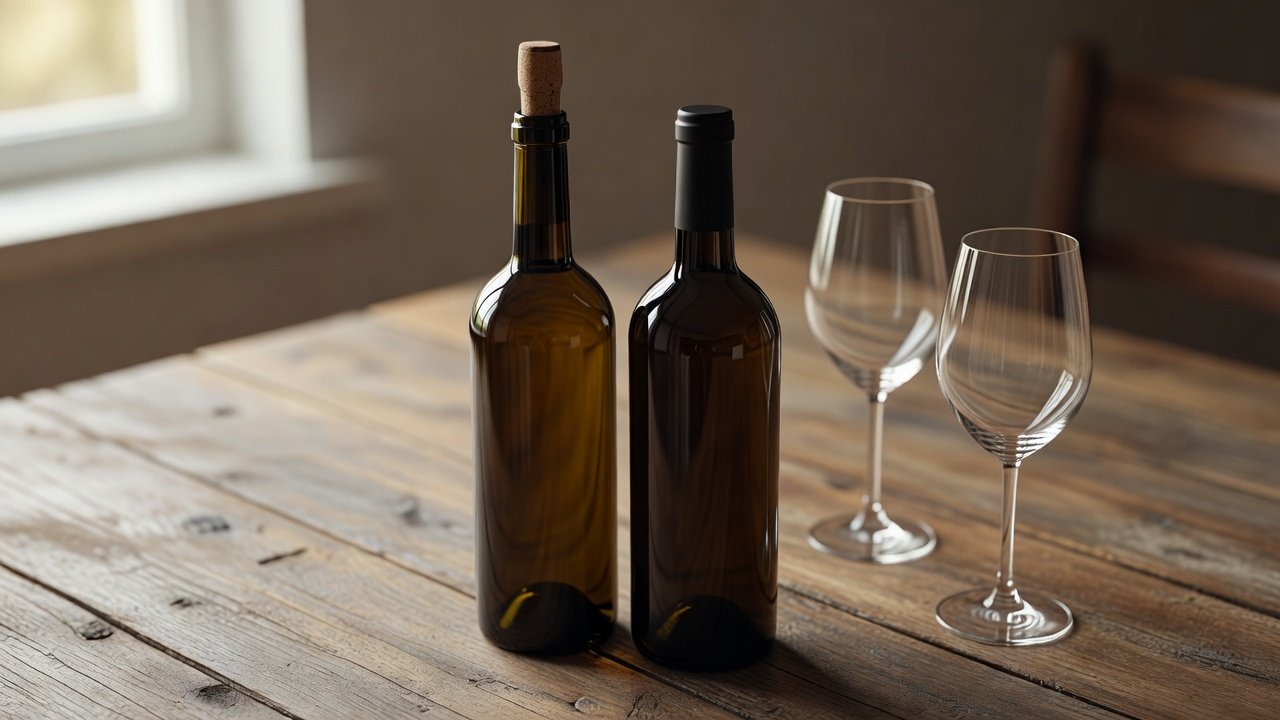
Wine closures play a critical role in preserving quality, influencing how a bottle ages and tastes. For beginners exploring the world of wine in 2026, understanding natural cork versus synthetic options helps make informed purchases. This guide covers key factors like oxygen transmission rates, aging potential, flavor impacts, and environmental considerations through direct comparisons. Closures act as the final barrier between the wine and the outside world, protecting against contaminants while allowing controlled interaction with air. Beginners often overlook this detail when selecting bottles, yet it directly affects freshness, development, and even the overall drinking experience. Whether you are choosing a bottle for immediate enjoyment or long-term cellaring, knowing the differences empowers confident decisions at the store or restaurant.
Oxygen Transmission Rates Explained
Natural cork allows a small amount of oxygen to pass through over time, typically at rates that support gradual maturation. This micro-oxygenation helps tannins soften and flavors integrate in red wines especially. Synthetic closures, made from materials like plastic polymers, offer more consistent and often lower oxygen permeability. This difference affects how wines evolve in the bottle. Beginners should note that consistent low oxygen helps prevent premature oxidation in many modern wines. Studies show natural cork transmission can vary between individual corks, while synthetics provide uniform performance batch after batch. For white wines that need protection from excess air, synthetics may preserve crisp acidity longer. In contrast, certain structured reds benefit from the gentle breathing natural cork provides during the first few years of aging.
Aging Potential and Longevity
Natural cork has a long history with age-worthy wines such as Bordeaux and Burgundy, enabling slow oxygen exchange that develops complex flavors over decades. Vintage Ports and high-end Cabernet Sauvignons often rely on this traditional seal to reach their peak after fifteen or twenty years. Synthetic closures excel with wines meant for earlier consumption, providing reliable seals without the risk of cork taint. For example, many everyday Cabernet Sauvignons and Chardonnays use synthetics for consistent short-term aging of two to five years. Sparkling wines sometimes employ hybrid closures, but traditional method Champagnes still favor cork for its proven track record with pressure retention. Understanding these timelines helps beginners match closure type to intended drinking window and avoid disappointment with underperforming bottles.
Flavor Impacts and Sensory Differences
Natural cork can impart subtle earthy notes but occasionally introduces off-flavors from TCA contamination. This fault, known as cork taint, affects roughly one to three percent of cork-sealed bottles according to industry estimates. Synthetic closures remain neutral, preserving the wine's intended fruit and oak characteristics without interference. Tasters often find synthetic-sealed bottles deliver cleaner, more predictable aromas in fruit-forward varieties like Pinot Noir or Sauvignon Blanc. In blind tastings, some participants detect a slight plastic nuance in very young synthetically closed wines, though this typically fades after several months. The choice ultimately influences whether you prefer the classic, variable character of cork or the dependable neutrality of synthetics.
Environmental Considerations
Natural cork comes from renewable oak bark harvested sustainably in Mediterranean forests, supporting biodiversity when sourced responsibly. The harvesting process does not harm the trees, allowing repeated collection every nine years. Synthetic closures rely on petroleum-based production, raising questions about recyclability and carbon footprint. Learn more about sustainable materials from the EPA. Both types have improved, with many producers now offering recyclable synthetics and responsibly harvested cork options. The USDA provides additional resources on forest sustainability practices. Consumers increasingly weigh these factors when selecting everyday wines versus special occasion bottles.
Identification Tips for Beginners
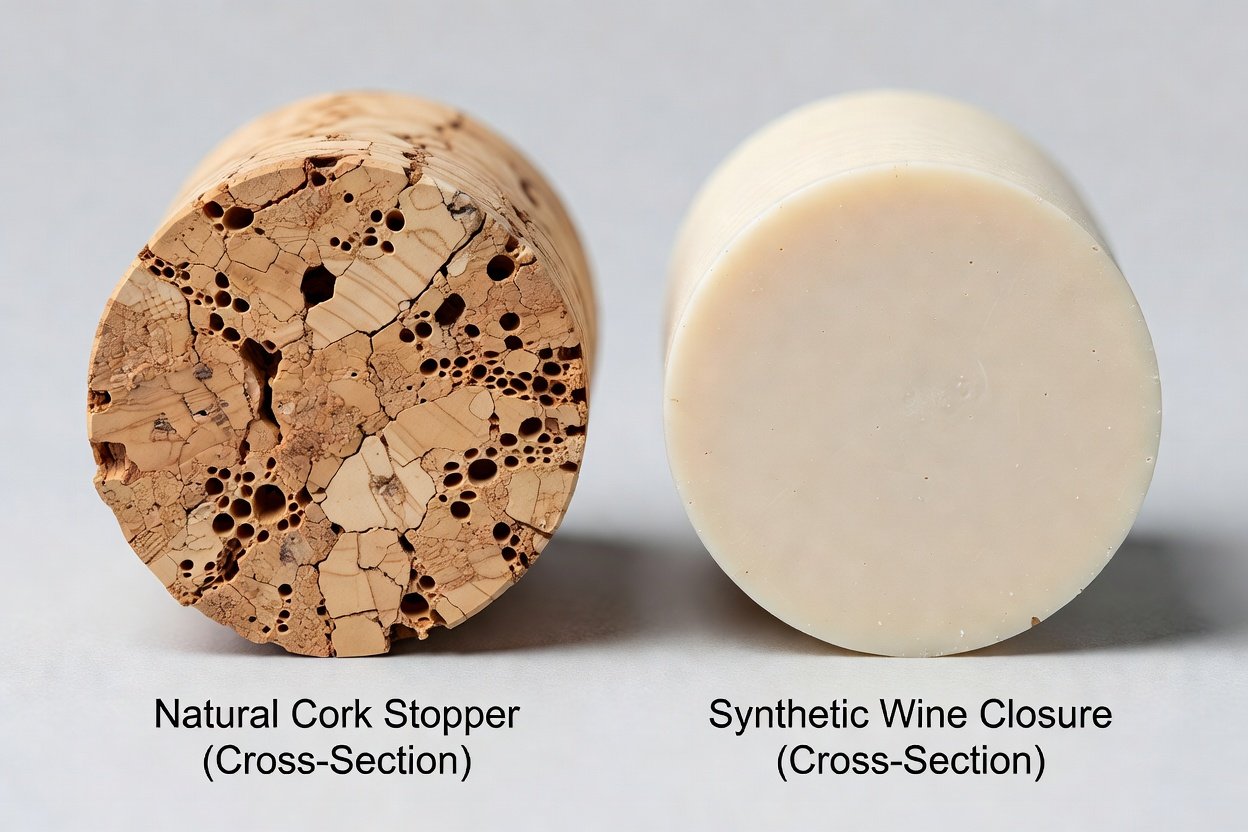
- Examine the top of the bottle: natural cork shows visible wood grain and texture.
- Synthetic closures often appear smooth and uniform, sometimes with branded logos.
- Check the label or back for closure type mentions on many bottles.
- Feel the resistance when opening—natural cork compresses more variably.
- Look for slight imperfections or natural color variations that indicate real cork.
- Observe the capsule: some producers stamp closure information directly on it.
Opening Steps and Storage Advice
Use a standard corkscrew for natural cork, twisting gently to avoid breakage. Insert the worm fully, then lever the cork out slowly in one steady motion. Synthetic closures may require a similar tool but slide out more easily due to their uniform shape. Always wipe the bottle neck after removal to remove any residue. Store bottles horizontally to keep corks moist, or upright for synthetics since they do not dry out. Keep wines in cool, dark places away from temperature swings for best results. Avoid locations near ovens, windows, or heating vents. For long-term storage, maintain humidity around fifty to seventy percent to protect natural corks from drying and cracking.
Cost Differences and Practical Examples
Natural cork generally costs producers more due to harvesting and processing, while synthetics provide an economical alternative for high-volume wines. Popular examples include natural cork in premium aged reds from regions like Tuscany and Napa Valley. Synthetics appear frequently in many New Zealand Sauvignon Blancs or California rosés designed for immediate enjoyment. Trying both on similar varietals such as Merlot or Riesling lets beginners experience how closure influences aroma intensity and mouthfeel. Restaurants sometimes list closure type on wine menus, offering another learning opportunity during dining.
Common Mistakes to Avoid
Avoid assuming all premium wines use cork—many high-quality bottles now feature synthetics. Do not store synthetic-closed wines horizontally if the label recommends upright positioning. Always check for signs of leakage regardless of closure type. Never force a damaged cork; instead, use a cork extractor tool. Beginners should also resist judging quality solely by closure, as winemaking decisions matter far more than the seal itself.
FAQ
Can synthetic closures be used for aging wine?
Yes, many synthetics are designed for five to ten years of aging with controlled oxygen levels suitable for most table wines.
Does natural cork always mean better quality?
No, quality depends more on the wine itself; synthetics often perform equally well for everyday drinking.
How do I recycle wine closures?
Check local programs—natural cork can often be composted or recycled through specialty services, while many synthetics go into plastic recycling streams.
What happens if a cork fails?
Oxidation or leakage can occur, leading to flat flavors or vinegar notes; inspect bottles before purchase and store properly to minimize risk.
Are there hybrid closures available?
Yes, some modern options combine cork and synthetic elements for balanced performance in mid-range wines.
Conclusion
Choosing between natural cork and synthetic closures comes down to the wine style, intended aging, and personal priorities around environment and consistency. With these insights, beginners can select bottles confidently and enjoy wine at its best. Experimenting with both types across different grape varieties builds practical knowledge quickly and enhances overall appreciation of the beverage.

No comments yet. Be the first!