 Uncorked Conversations

Introduction to Wine Faults
Starting your wine journey in 2026 means learning to enjoy bottles at their best. Recognizing common faults helps you avoid disappointing pours and builds confidence in tasting. This guide focuses on sensory checks aligned with standard wine tasting steps: look, smell, and taste. Faults occur when wine deviates from its intended profile due to issues like contamination or poor storage. Beginners often confuse them with normal variations, but clear descriptions and examples make identification straightforward. Understanding faults empowers you to return bottles confidently and select better options in the future. As wine culture grows, more enthusiasts are discovering that many issues stem from preventable causes rather than inherent quality problems.
By mastering these checks early, you save money and time while deepening your appreciation for well-made wines. This comprehensive approach covers identification, real examples, and prevention so you feel equipped for any tasting situation.
Understanding the Tasting Process for Fault Detection
Begin by observing the wine's color and clarity in a clean glass against a white background. Note any cloudiness, unusual hues, or sediment that moves differently than expected. Swirl gently to release aromas, then inhale deeply in short sniffs to note both pleasant and off notes. Finally, take a small sip, aerate it in your mouth by drawing in air, and pay attention to flavors, texture, and finish length. This sequence reveals most faults quickly because each step isolates specific characteristics.
Compare your impressions to what the wine should offer based on its grape variety, vintage, and region. A sound wine feels balanced with integrated fruit, acidity, and tannins. Faulty wines show persistent off-putting notes that dominate or mask expected profiles. Practice with known good bottles first to calibrate your senses before tackling unknowns.
Cork Taint: The Most Common Fault
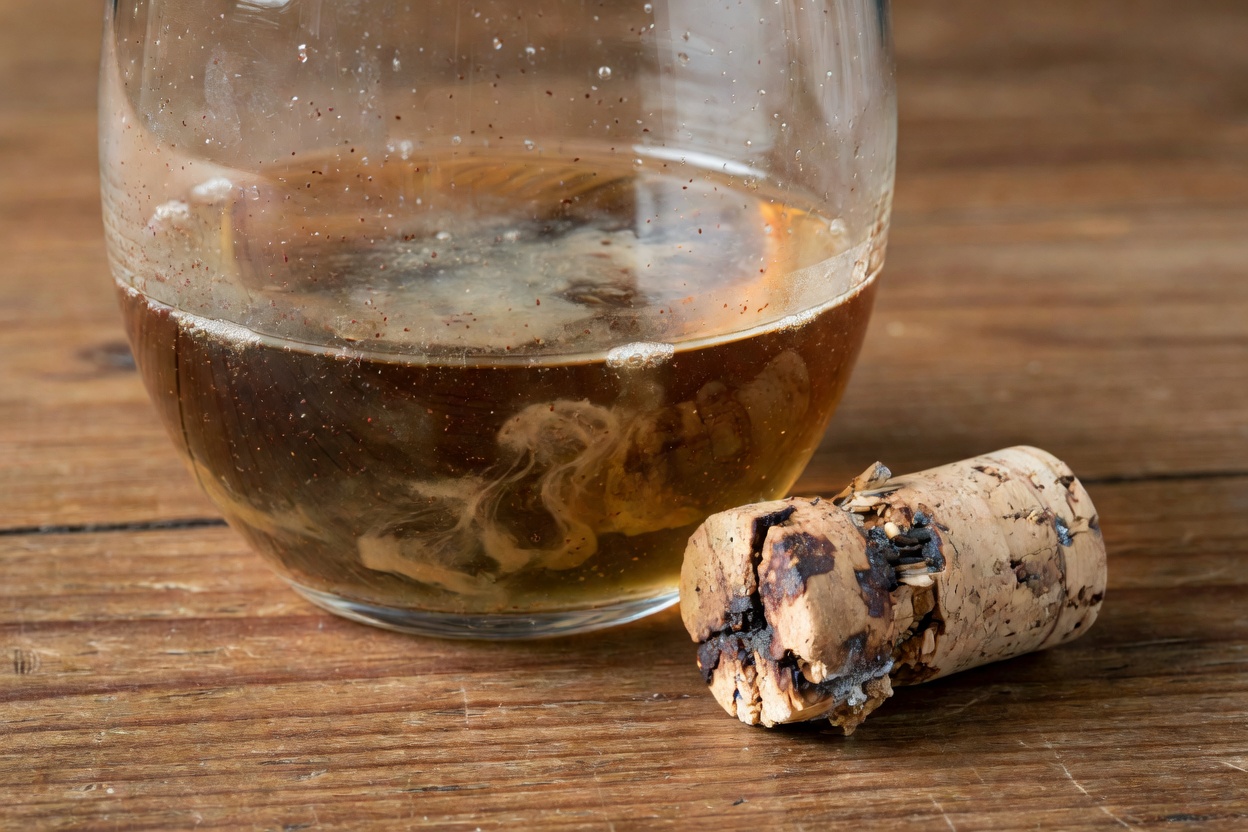
Cork taint stems from TCA contamination in natural corks during production or storage. It produces musty, wet-cardboard, or damp-basement aromas that completely mask fruit flavors. In severe cases, the wine tastes flat, lifeless, and devoid of vibrancy, making it undrinkable for enjoyment.
Step-by-step identification:
- Smell the cork itself immediately after opening—if it carries a musty odor, suspect taint right away.
- Swirl and sniff the wine multiple times: look specifically for damp newspaper, moldy basement, or wet dog scents that linger.
- Taste a small amount: fruit should be absent or heavily muted while the off aroma persists on the palate.
- Wait five minutes and recheck, as some mild cases may evolve slightly but rarely improve.
Example: A 2025 Cabernet Sauvignon that smells like old newspapers instead of blackcurrant or plum is likely tainted. A sound bottle offers clear berry and spice notes without any musty overlay. Many wineries now use alternative closures to reduce this issue.
Oxidation: When Wine Ages Too Fast
Oxidation happens when excess oxygen reaches the wine, often from faulty seals, damaged corks, or improper upright storage of cork-finished bottles. White wines turn amber or brown prematurely; reds become brickish or brownish at the rim. Aromas shift toward sherry, caramel, or nutty notes, while flavors taste flat, stewed, or like dried fruit instead of fresh produce.
Real-world comparison: A fresh Sauvignon Blanc should burst with grapefruit and grass. An oxidized one smells like bruised apples or boiled vegetables and tastes dull with a short finish. Store unopened bottles on their side to keep corks moist and limit oxygen exposure. Once opened, consume within a few days or use preservation tools.
Learn more about proper storage from Wine Folly.
Volatile Acidity: The Vinegar Fault
Volatile acidity (VA) arises from acetic acid bacteria activity, often in warm conditions or with poor hygiene during winemaking. It creates sharp vinegar, nail-polish remover, or solvent aromas that overpower fruit and other desirable characteristics.
Quick checks:
- Smell for harsh, acidic edges that go beyond normal bright acidity in the wine.
- Taste: does it burn the tongue or remind you of salad dressing rather than balanced fruit?
- Observe the finish: VA faults linger unpleasantly and make subsequent sips worse.
Sound wines show lively acidity that supports structure without vinegar dominance. A faulty bottle will make you pucker unpleasantly and want to stop drinking immediately.
Other Frequent Faults and How to Spot Them
Reduction produces rotten-egg, struck-match, or cabbage aromas from lack of oxygen during winemaking or bottling. Let the wine breathe in a decanter for 30 minutes; if the odor fades and fruit emerges, it may recover. Persistent reduction requires avoidance.
Brettanomyces (Brett) adds barnyard, sweaty saddle, or medicinal Band-Aid notes. Light levels can add complexity in certain reds, but strong presence indicates a fault that masks varietal character.
Lightstrike occurs when white wines or rosés are exposed to UV light, creating cooked cabbage or wet wool aromas. Always store away from windows and fluorescent lights.
Sulfur dioxide issues show as struck-match or burned rubber smells that dissipate after swirling but can irritate sensitive drinkers.
Step-by-Step Identification Methods
Follow this repeatable process every time you open a bottle. First, examine the closure and neck for signs of leakage or mold. Second, pour and assess appearance. Third, conduct the aroma check using both direct and indirect sniffing. Fourth, taste and evaluate balance. Fifth, note whether any off characteristics improve or worsen over time. Document your findings in a tasting journal to track patterns across different producers and vintages.
Real-World Examples of Faulty Versus Sound Bottles
Consider a Pinot Grigio labeled as crisp and citrusy. A sound version delivers lemon zest and mineral notes with refreshing acidity. A cork-tainted version smells like wet cardboard and tastes watery. An oxidized version appears golden and tastes like baked apple. These side-by-side tastings help train your palate rapidly.
Quick Comparisons to Avoid Confusion
Normal acidity feels bright and mouthwatering. VA feels sharp and chemical. Fresh fruit aromas differ from oxidized stewed notes. Musty taint stands apart from earthy terroir characteristics in wines like Burgundy. Practice distinguishing these by tasting flights that include both sound and known faulty samples when possible.
Prevention Tips When Buying and Storing
Buy from reputable retailers with proper temperature control and high turnover. Check for leakage, protruding corks, or faded labels before purchase. Store bottles horizontally in a cool, dark place around 55°F with consistent humidity. Avoid temperature swings, direct sunlight, and vibration from appliances. For opened bottles, use vacuum pumps or inert gas sprays to extend freshness up to a week.
Explore storage best practices via Decanter.
Common Mistakes Beginners Make
Many new enthusiasts discard wines too quickly without allowing them to breathe or warm slightly. Others confuse natural sediment in older reds with faults. Some assume all screw-cap wines taste the same, missing the nuance of high-quality examples. Always give a wine a second chance after proper decanting before deciding it is faulty.
FAQs About Wine Faults
Can I drink a faulty wine?
Most faults won't harm you but ruin enjoyment. Severe cases may taste unpleasant enough to discard safely.
How common are faults in modern wines?
With screw caps, quality control, and better cork processing, faults appear in under 5% of bottles today.
Do screw-cap wines have fewer faults?
Yes, they eliminate cork taint risk entirely while allowing precise oxygen control.
Should I return a faulty bottle to the store?
Yes, most retailers accept returns for obvious faults when you have the receipt and explain the sensory issues clearly.
Conclusion
With consistent practice, spotting faults becomes second nature and enhances every tasting experience. Use these sensory checks on every bottle to deepen your appreciation and ensure each glass delights. Start with everyday wines and note differences between sound and off bottles across multiple styles. Your palate will thank you as you build reliable skills for 2026 and beyond.

No comments yet. Be the first!