 Uncorked Conversations
Introduction to Wine Aroma Identification
Learning to identify aromas in wine transforms tasting from a simple sip into a rich sensory experience. This guide focuses on practical aroma recognition skills that help beginners build confidence without relying on advanced tasting frameworks. By understanding how wines develop their scents, you can better appreciate varietals and improve your palate over time. Aroma detection relies on the nose detecting volatile compounds released from the wine, which travel to olfactory receptors and create recognizable scent profiles. Beginners often overlook how temperature, glass shape, and even room conditions influence what reaches the nose. Developing this skill opens doors to recognizing regional characteristics, grape varieties, and winemaking decisions that shape each bottle.
Primary, Secondary, and Tertiary Aromas Explained
Wine aromas fall into three main categories based on their origin. Primary aromas come directly from the grape variety and vineyard conditions, often featuring fresh fruit, floral, or herbal notes. These are shaped by climate, soil, and ripeness at harvest. Secondary aromas arise during fermentation and aging in oak or stainless steel, introducing elements like vanilla, toast, or butter from yeast activity and vessel influence. Tertiary aromas develop through bottle aging, creating complex layers such as leather, dried fruit, or earth as chemical reactions slowly evolve the wine. Recognizing these layers helps pinpoint a wine’s age and production methods. For instance, a young Sauvignon Blanc typically showcases primary citrus and grass notes, while an aged Cabernet Sauvignon reveals tertiary tobacco and graphite tones. Beginners benefit from tasting the same wine at different stages of its life to observe how primary fruit gives way to more nuanced tertiary notes over years.
Common Aroma Families and Everyday Examples
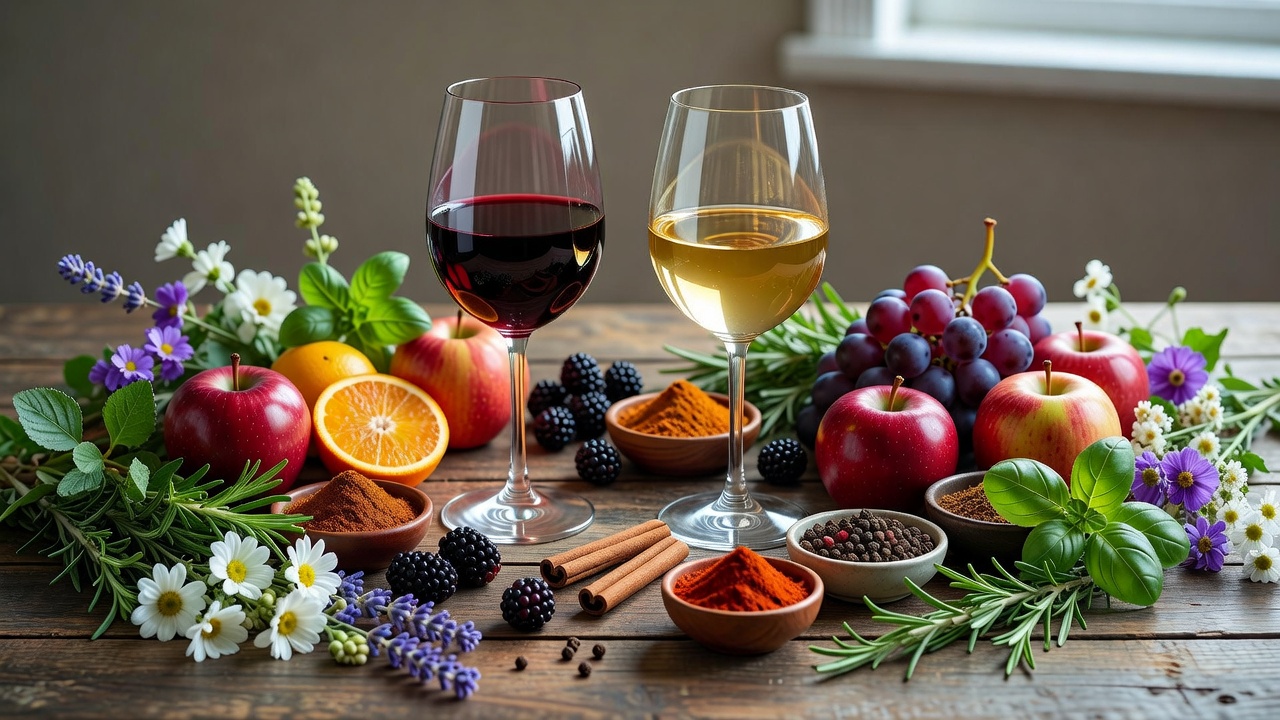
Several aroma families appear frequently across wines. Fruit notes range from red berries like strawberry in Pinot Noir to tropical pineapple in Chardonnay. Spice families include black pepper in Syrah and cinnamon in aged reds. Earth notes encompass mushroom, wet stone, and forest floor, common in wines from cooler climates or specific soils like limestone. Floral families bring rose, violet, and jasmine, while vegetal notes include bell pepper in Cabernet Franc or tomato leaf in some Sauvignon Blancs. Practice identifying these by smelling real-world items: sniff fresh strawberries for primary fruit, toast a slice of bread for secondary oak influence, and handle damp soil for tertiary earthiness. This builds direct scent memory connections that transfer directly to the glass. Expand your reference library by including items like fresh basil for herbal notes or dark chocolate for cocoa undertones found in many reds.
Step-by-Step Sniffing Techniques
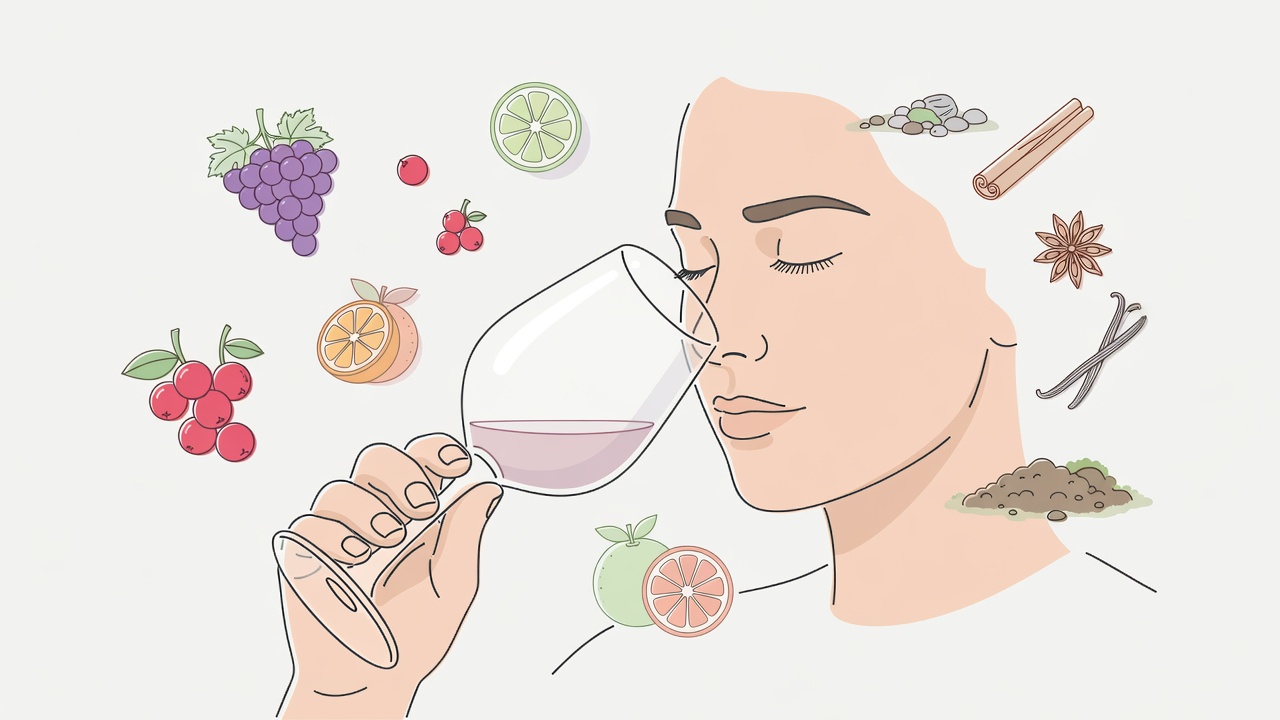
Effective aroma identification starts with proper technique. Begin by swirling the glass gently to release volatile compounds without spilling. Hold the glass at a 45-degree angle and take short, quick sniffs rather than long inhales to avoid overwhelming your nose. Alternate between sniffing with your mouth slightly open and closed to engage both nasal passages. Repeat the process after the wine warms slightly in the glass, as temperature changes can reveal new layers. Focus on one family at a time—first fruits, then spices—to avoid sensory fatigue. Many experts recommend taking three deliberate sniffs: the first for overall impression, the second for specific families, and the third after a short pause to catch any lingering or evolving scents. Practice in a quiet, odor-free environment to maximize concentration.
Aroma Wheels Versus Free Association Methods
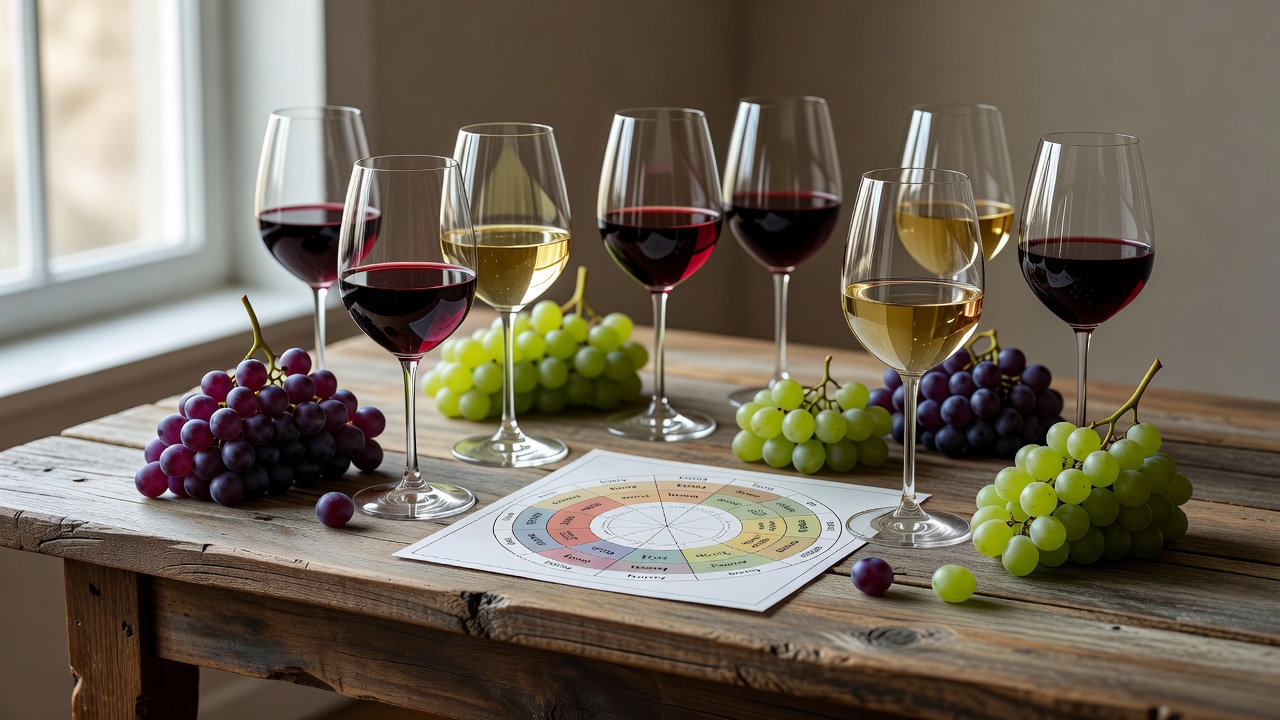
Aroma wheels provide structured visual guides listing dozens of specific descriptors organized by family. They offer consistency for systematic learners and are widely used in professional training. Free association, by contrast, encourages personal connections, such as linking a scent to a childhood memory of baking apples or walking through a pine forest. Both approaches complement each other; wheels build vocabulary while free association strengthens retention through emotional links. Beginners often start with wheels for reference before shifting to personal associations for deeper engagement. Over time, combining the two methods creates a robust mental catalog that speeds up identification during blind tastings or restaurant wine service.
Simple Home Exercise Checklist
- Assemble everyday items: citrus peels, fresh herbs, ground spices, toasted nuts, and damp earth.
- Blind sniff each item while noting initial impressions without looking at labels.
- Compare notes to three sample wines, matching at least two aromas per glass.
- Repeat the exercise weekly, adding one new item each session to expand your scent library.
- Journal descriptions to track progress over four weeks, noting which families come easiest.
- Try the exercise with friends to compare perceptions and discuss differences in detection.
Example Wines for Practice
Start with accessible bottles such as a New Zealand Sauvignon Blanc for primary grass and lime, a California Chardonnay for secondary butter and vanilla, and a Barolo for tertiary tar and rose notes. These provide clear contrasts across aroma categories. Additional practice options include a Loire Valley Chenin Blanc for honey and quince primary notes or an aged Rioja for leather and dried fig tertiary development. Rotate through different price points and regions to encounter a broader range of families.
Common Mistakes Beginners Make
One frequent error is swirling too vigorously, which can dull the nose through rapid evaporation. Another is sniffing immediately after pouring before the wine has time to open. Beginners sometimes fixate on one strong aroma and miss subtler layers beneath it. Avoid these by using consistent techniques and giving each wine at least 30 seconds of rest after swirling. Over-reliance on one method, such as only using an aroma wheel without personal associations, can also limit long-term progress.
Developing a Stronger Nose Over Time
Consistent daily practice with household scents builds neural pathways that improve detection speed and accuracy. Many sommeliers recommend smelling coffee beans or citrus zest each morning to maintain sensitivity. Over months, this routine makes identifying wine aromas feel automatic rather than forced. Resources from organizations like Decanter and Wine Folly offer additional structured exercises. Patience is key, as individual differences in olfactory sensitivity mean some people progress faster than others.
Conclusion
Consistent practice with these techniques builds a stronger sense of smell. Over time, aroma identification becomes intuitive, enhancing every tasting session and deepening appreciation for wine’s complexity.
FAQ
How long does it take to develop a stronger nose?
Most beginners notice improvement within four to six weeks of regular practice using the checklist above.
Can I train my nose without drinking wine?
Yes, daily sniffing of household items builds the same scent memory pathways used in wine evaluation.
Are certain grape varieties easier for beginners?
Aromatic whites like Riesling and Gewürztraminer often display bold primary fruit notes that are straightforward to identify.
Does age affect aroma perception?
Yes, sensitivity can decline with age, but regular training helps maintain and even improve detection ability at any stage of life.
Should I use the same glass for all exercises?
Using a standard ISO tasting glass provides consistent results and helps isolate aromas more effectively than varied stemware.

No comments yet. Be the first!