 Uncorked Conversations
Introduction to Wine Tasting Vocabulary
Building a strong tasting vocabulary transforms casual wine drinking into a rewarding sensory experience. For beginners in 2026, learning precise terms for aromas and flavors helps identify nuances in popular bottles and improves overall enjoyment. This comprehensive guide covers the aroma wheel in detail, common descriptors for reds and whites, step-by-step exercises, scent associations, tips for distinguishing varieties, real-world examples, and a daily practice routine tailored specifically to new enthusiasts seeking practical wine guide skills.
Many newcomers struggle to describe what they smell and taste beyond basic words like "fruity" or "sweet." Expanding your lexicon allows better communication with sommeliers and friends while sharpening your palate through mindful practice. The goal is to move from vague impressions to specific, memorable associations that stick with you across multiple tastings.
Understanding the Aroma Wheel
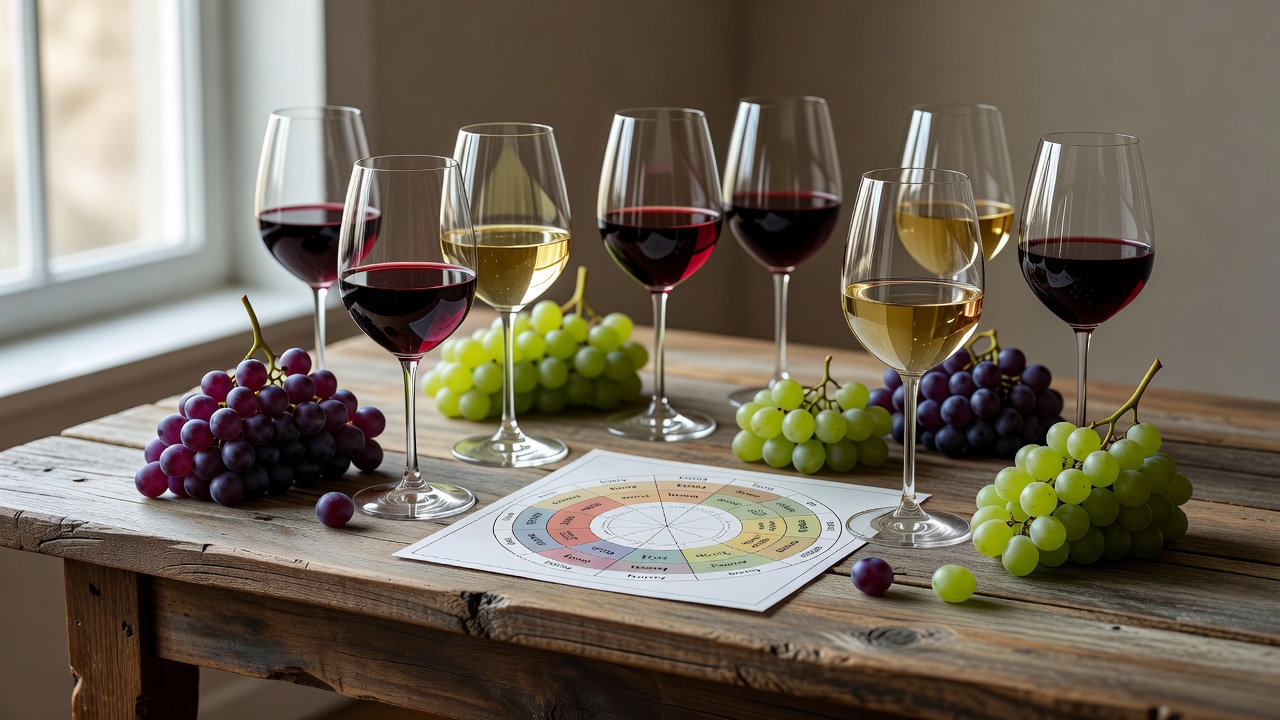
The aroma wheel serves as a foundational tool for categorizing wine scents. Developed by experts, it organizes aromas into tiers: primary fruit and floral notes, secondary elements from fermentation, and tertiary notes from aging. Beginners can start with the outer rings focusing on fruits, spices, and earth before diving deeper into more nuanced layers like specific herbs or minerals.
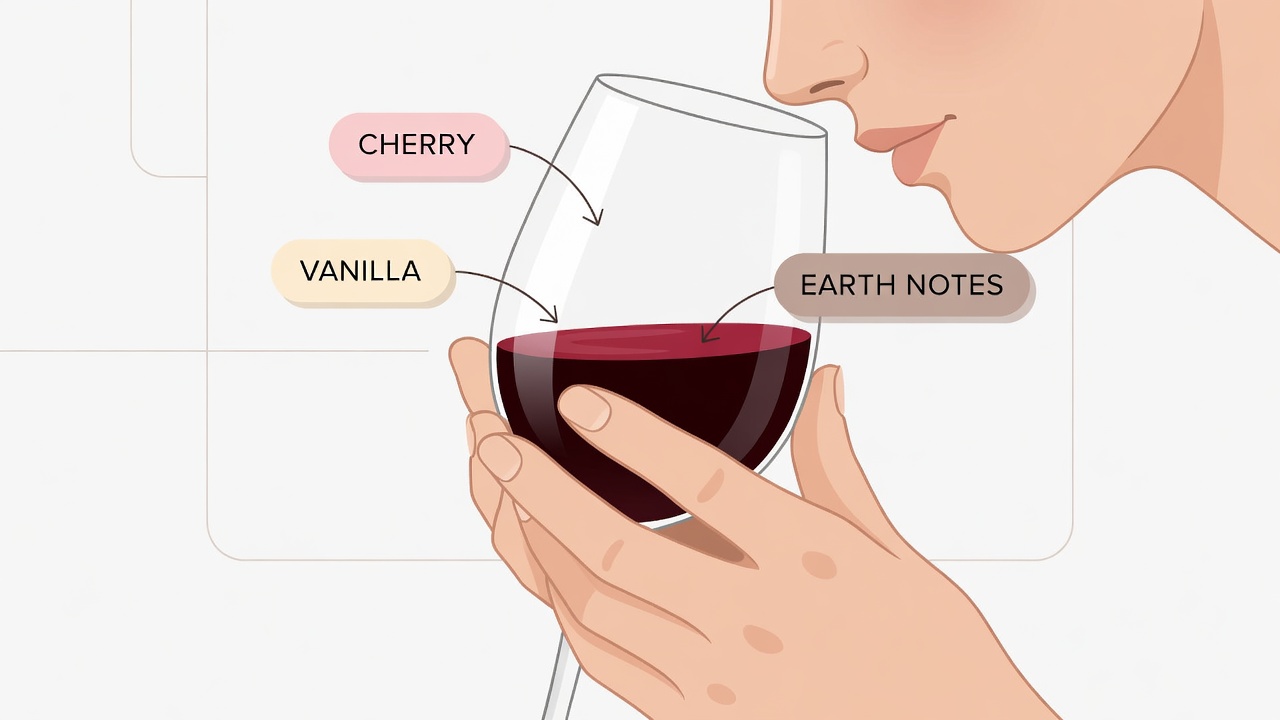
Using the wheel during tastings helps associate specific smells with real-world references. For example, a Pinot Noir might reveal cherry and earth tones that align directly with wheel sections, while a complex Cabernet could layer blackcurrant with leather and tobacco. Print a copy or reference it on your phone to build familiarity quickly.
Explore resources from established wine education sites such as Wine Folly to visualize the wheel and download printable versions for home use. The wheel breaks down into color-coded segments that make identification intuitive, turning abstract smells into concrete categories you can recall during blind tastings.
Common Descriptors for Red Wines
Red wines often feature bold fruit, spice, and earth profiles that vary by grape and region. Key categories include fruits such as blackberry, raspberry, plum, and cherry; spices including black pepper, cinnamon, and clove; and earth notes like mushroom, leather, and wet stone. These descriptors help pinpoint origin and winemaking style.
Popular examples include Cabernet Sauvignon with cassis and tobacco or Syrah showcasing black pepper and dark fruit. Distinguishing similar varieties like Merlot and Cabernet involves noting Merlot's softer plum notes versus Cabernet's firmer structure and higher tannins. Practice identifying these in side-by-side pours to train your memory.
- Black fruit notes often signal riper grapes from warmer climates
- Spice elements can come from oak aging or the grape itself
- Earthy undertones develop with bottle age and terroir influence
Common Descriptors for White Wines
White wines highlight citrus, tropical fruits, and floral elements that range from crisp to creamy depending on style. Typical descriptors are fruits like lemon, peach, apple, and pineapple; flowers such as honeysuckle and jasmine; and other notes including minerality, butter, and herbs. These help differentiate light, refreshing styles from richer, oak-influenced ones.
Chardonnay frequently shows apple and vanilla from oak aging, while Sauvignon Blanc delivers lime and grass. Practice helps differentiate Riesling's petrol hints from similar varieties like Gewürztraminer, which leans toward lychee and rose. Focus on acidity levels and how they interact with fruit to refine your descriptions.
Comparison Table of Tasting Notes
| Wine Type | Primary Fruits | Spices/Earth | Example Bottles |
|---|---|---|---|
| Pinot Noir | Cherry, raspberry | Mushroom, earth | Burgundy reds |
| Chardonnay | Apple, peach | Vanilla, butter | California Chardonnays |
| Sauvignon Blanc | Lime, grapefruit | Grass, herbs | New Zealand whites |
| Cabernet Sauvignon | Blackcurrant, cassis | Tobacco, leather | Bordeaux or Napa examples |
Step-by-Step Exercises to Practice Identification
Follow these detailed exercises to build skills progressively. Start simple and increase complexity as your confidence grows.
- Smell familiar fruits and spices blindfolded, then match them to wines you pour later in the evening.
- Swirl and sniff three similar whites, noting differences in citrus intensity and herbal undertones before tasting.
- Journal aromas daily using wheel categories, recording at least five distinct notes per glass.
- Compare two reds side by side, focusing on how fruit ripeness changes the overall profile.
- Repeat the same wine on different days to notice how temperature and glass shape affect perception.
Real-world application comes from tasting popular bottles like a Malbec and mapping its plum and spice notes against the wheel. These exercises create muscle memory for your nose and palate.
Scent Associations with Fruits, Spices, and Earth Notes
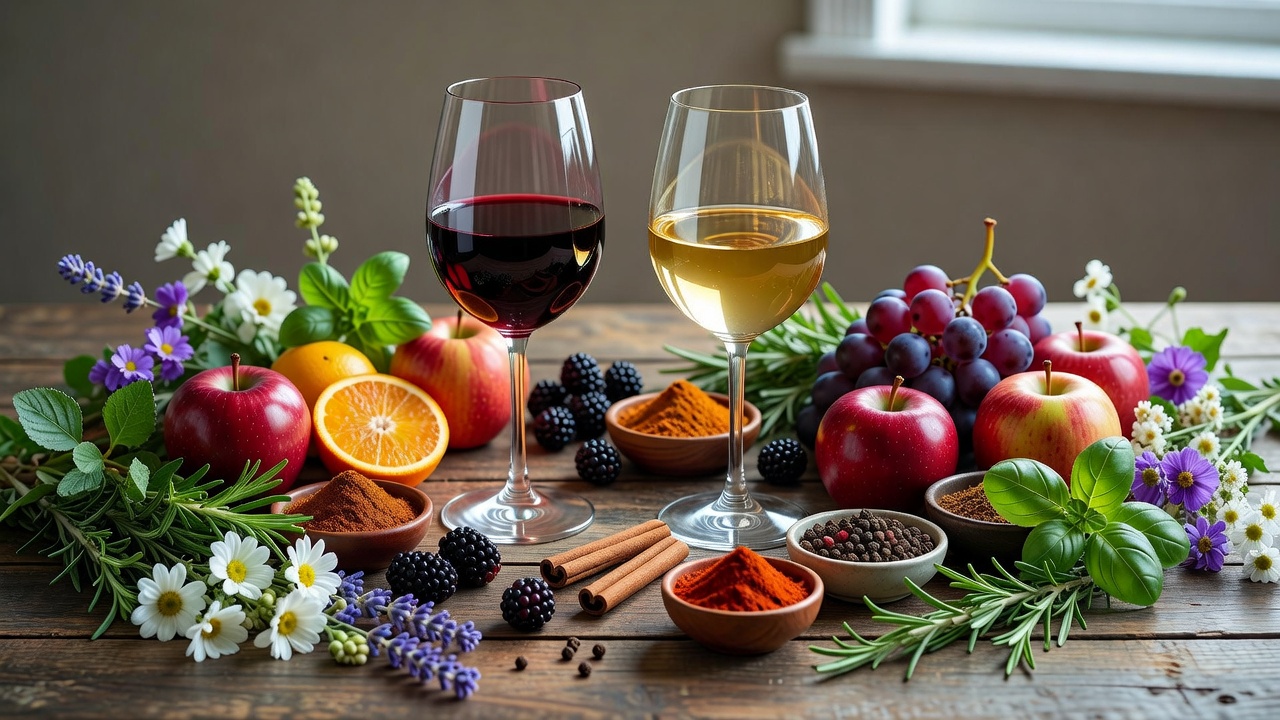
Connecting wine aromas to everyday items accelerates learning. Fruits provide the most accessible entry point—think fresh strawberries for lighter reds or ripe mango for tropical whites. Spices add depth; a pinch of nutmeg or clove can mirror notes in aged wines. Earth notes like forest floor or graphite require more exposure but reward patience with greater complexity in older vintages.
Build associations by keeping a small collection of reference items at home. Smell coffee grounds for earthy tones or crushed rosemary for herbal elements while tasting. Over time these links become automatic, allowing faster identification during social tastings or restaurant visits.
Tips for Distinguishing Similar Varieties
Focus on structure and finish length when varieties overlap. For reds, compare acidity levels between Sangiovese and Nebbiolo by noting how long the taste lingers. Whites benefit from noting residual sugar in off-dry versus dry styles. Consistent practice with side-by-side tastings accelerates mastery and reduces confusion between close relatives like Pinot Grigio and Pinot Gris.
Pay attention to tannin texture in reds and how it interacts with fruit sweetness. This layered approach reveals subtle differences that single-glass tastings often miss.
Real-World Examples from Popular Bottles
Consider a classic New Zealand Sauvignon Blanc: expect intense lime zest, passionfruit, and fresh-cut grass that jump from the glass. A California Cabernet might deliver black cherry, dark chocolate, and cedar from oak influence. These concrete examples illustrate how descriptors translate to actual bottles available at most retailers, helping beginners apply vocabulary immediately.
Try a Spanish Tempranillo next, noting its mix of red berry, leather, and tomato leaf. Recording these in a journal reinforces the connections and builds a personal reference library for future comparisons.
Daily Practice Routine for Palate Training
Incorporate a simple routine into your schedule: smell three everyday items each morning such as citrus peels or fresh herbs; taste one wine mindfully three times weekly, describing it aloud; and revisit the aroma wheel monthly to review forgotten categories. This builds associations with fruits, spices, and earth notes over time. Track progress in a notebook to spot improvements in distinguishing varieties and to celebrate small wins like correctly identifying oak influence.
Consistency matters more than intensity. Even ten minutes daily compounds into noticeable skill gains within weeks.
Frequently Asked Questions
How long does it take to build a tasting vocabulary?
Most beginners notice progress within four to six weeks of regular practice, with significant improvement after three months of consistent effort.
What if I can't smell certain notes?
Start with strong references like fresh berries and gradually expand. Everyone's sensitivity differs, but repetition and varied exposure help most people improve over time.
Are there apps to help with descriptors?
Yes, several free tools complement the aroma wheel for logging notes and suggesting vocabulary based on your inputs.
Should I taste with food or alone?
Both approaches work. Solo tastings sharpen focus while food pairings reveal how descriptors change in context, adding another layer to your training.
Mastering these elements enhances every tasting session and connects you more deeply to the world of wine. Continue exploring and your vocabulary will grow naturally with each new bottle.
Expand your skills further with dedicated resources on tasting notes and reviews.
No comments yet. Be the first!