 Uncorked Conversations
Introduction: Finding Wines That Suit Your Taste
Many beginners feel overwhelmed when standing in front of endless wine aisles or browsing online shops. The good news is that discovering enjoyable wines does not require expert knowledge or expensive equipment. Instead, focus on understanding your own flavor preferences and using simple experiments to match those tastes to specific wine styles. This approach turns wine selection from a guessing game into a personalized process that builds lasting confidence.
Wine enjoyment is highly individual. What one person finds delightful another may find dull or overpowering. By starting with self-assessment rather than chasing trends or recommendations from others, you create a foundation that grows with experience. This guide walks you through detailed flavor mapping, repeatable at-home tastings, comparisons between sweet and dry profiles, and concrete examples of accessible starter wines. You will also learn to sidestep common mistakes that frustrate new enthusiasts. Over time these methods help you navigate any wine list or store shelf with ease.
Step 1: Assess Your Flavor Preferences in Detail
Begin by creating a personal flavor profile based on foods and beverages you already enjoy regularly. Consider your typical breakfast, lunch, and dinner choices along with snacks and desserts. Ask yourself whether you lean toward sweet, tart, savory, spicy, or bitter notes. For instance, if you frequently reach for ripe berries, citrus fruits, or stone fruits like peaches, these point toward wines with prominent fruit-forward aromas. If you prefer roasted vegetables, grilled meats, or earthy dishes, you may enjoy wines with deeper savory or herbal qualities.
Write down three favorite fruits, three favorite savory dishes, and whether you enjoy sweet, sour, or bitter flavors overall. Expand this list by noting textures you like, such as creamy, crunchy, or silky. This exercise produces a practical map that directly translates to wine characteristics including sweetness level, acidity, tannin structure, and body weight. Fans of ripe strawberries and dark chocolate, for example, often discover they enjoy medium-bodied reds with soft tannins and red fruit notes. Keep your map handy as a reference when shopping or ordering.
Conduct Simple Tasting Experiments at Home
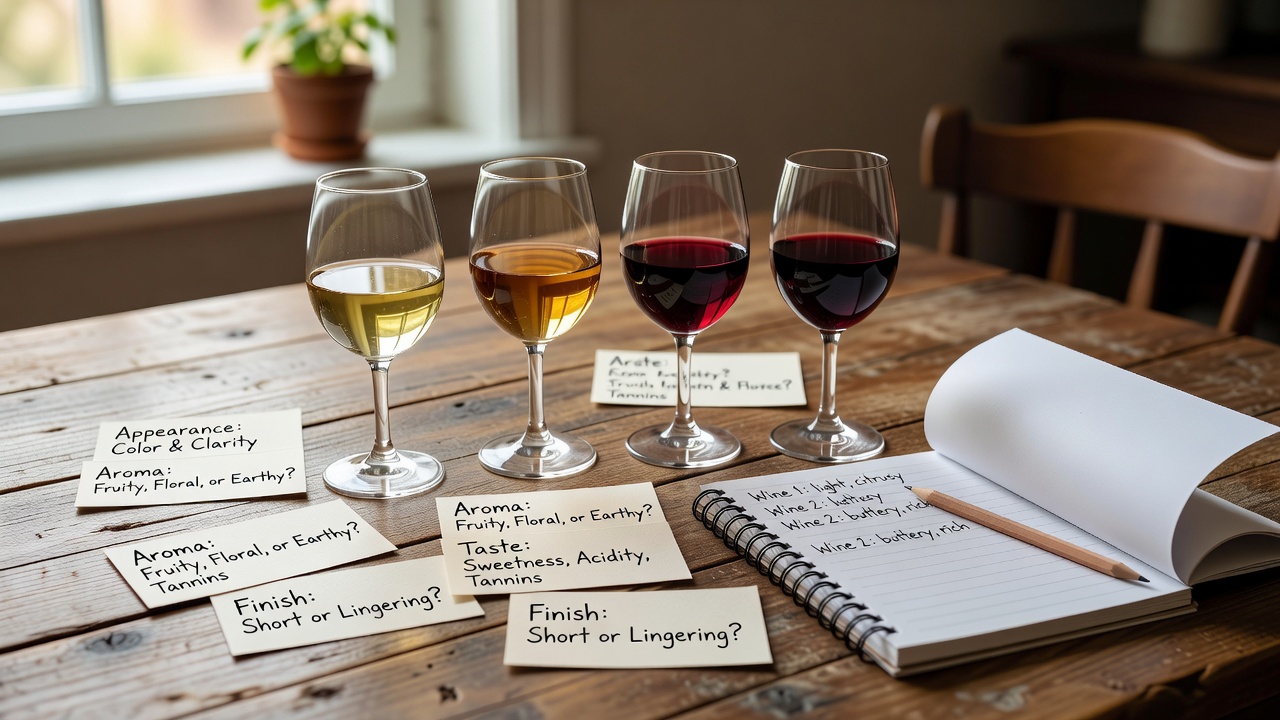
Formal classes are unnecessary. Instead, purchase small-format bottles or half-bottles of contrasting styles and conduct side-by-side comparisons in a calm setting. Choose a quiet evening, use identical plain glasses, and rinse your palate with plain water or unsalted crackers between sips. Focus on four key elements: sweetness, acidity, tannin, and overall body. Record impressions immediately after each taste using simple descriptors such as “bright citrus,” “soft plum,” or “lingering finish.”
Start with one crisp white and one fruity red on the same evening. Repeat the process over several weeks, introducing variations like a sparkling option or an off-dry style. These low-cost experiments reveal patterns faster than studying grape names alone. Over multiple sessions you will notice consistent preferences emerging, such as a love for high-acidity wines that refresh the palate or a preference for smoother, lower-acid styles that feel velvety.
Matching Preferences to Wine Styles
Once your flavor map is complete, connect it to established wine categories. Sweet tooths often enjoy off-dry Riesling or Moscato d’Asti. Those who prefer dry, refreshing profiles frequently choose Sauvignon Blanc or Pinot Grigio. Bold red enthusiasts tend to favor Malbec or Syrah. Light red lovers may start with Pinot Noir or Gamay. The key is testing one style at a time against your recorded preferences rather than trying to learn every region at once.
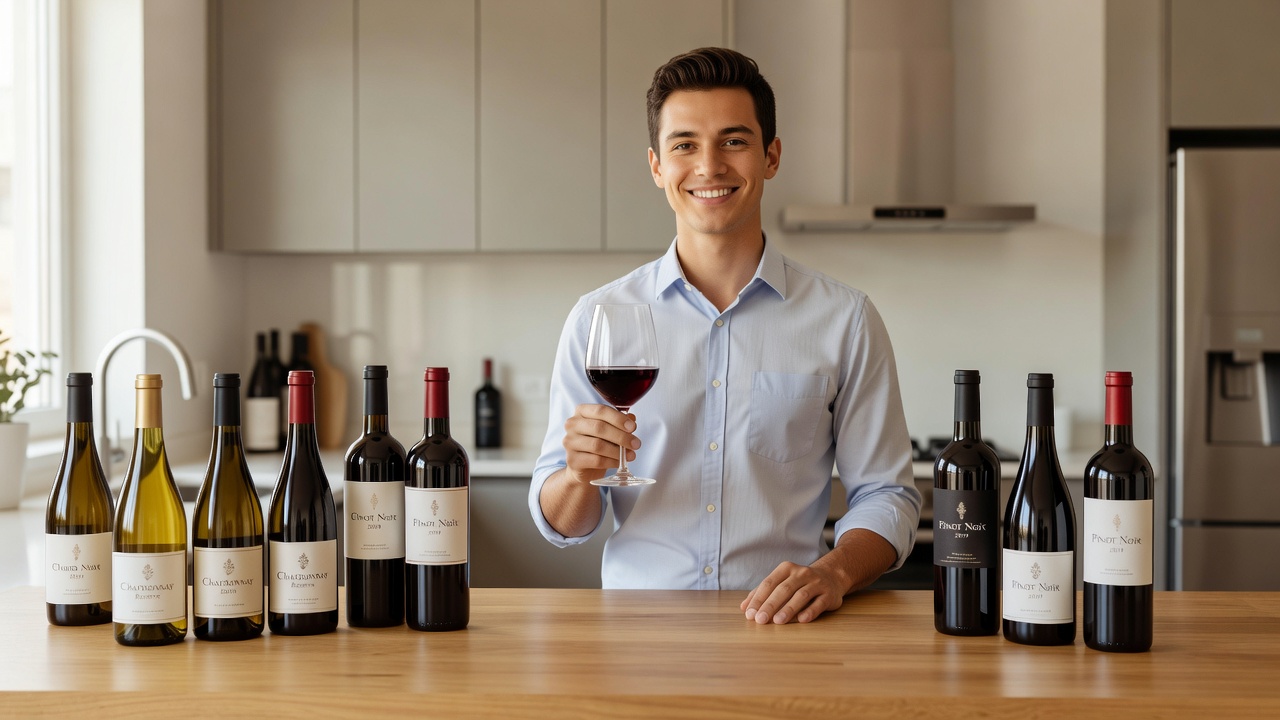
Popular starter wines include Chardonnay for creamy apple and vanilla notes, Pinot Noir for delicate red fruit and food versatility, and Merlot for plush plum flavors with gentle tannins. Experiment with one bottle from each category over a month to see which aligns best with your map.
Sweet vs Dry: A Practical Comparison
Sweet wines retain noticeable residual sugar that balances bright acidity and creates a softer mouthfeel. Dry wines have nearly all sugar converted to alcohol during fermentation, yielding a cleaner, sometimes more structured finish. If you enjoy lemonade more than black coffee, begin with slightly sweet or off-dry styles. If you prefer unsweetened tea or black coffee, explore fully dry selections first. This comparison helps avoid disappointment when a label says “dry” but your palate expects residual sweetness.
Real-World Examples of Popular Starter Wines
Consider these accessible examples that align with common beginner preferences. A New Zealand Sauvignon Blanc often delivers zesty grapefruit and herbal notes ideal for those who enjoy tart citrus. California Pinot Noir provides bright cherry and earth tones perfect for lighter red fans. Argentine Malbec offers juicy blackberry and soft tannins suited to those who like fuller reds. Each example pairs well with everyday meals and costs little to try in small formats.
Building a Low-Cost Wine Toolkit
Invest in a few reusable tools that enhance home experiments without high expense. A simple wine journal or notebook, plain stemware, and a basic corkscrew suffice for most beginners. Consider keeping a small collection of half-bottles in the refrigerator for quick comparisons. These items allow repeated tastings over time and help track evolving preferences as your palate develops.
Common Pitfalls and How to Avoid Them
Many beginners buy based solely on attractive labels or shelf placement. Instead, read tasting notes on the back label and compare them directly to your flavor map. Another frequent mistake is ignoring serving temperature; whites taste muted when too warm while reds lose aromatic complexity when overly chilled. Avoid assuming that higher price always means better quality. Numerous affordable bottles deliver excellent everyday enjoyment when matched thoughtfully to personal taste. Finally, do not rush to memorize every grape variety. Focus first on broad style categories and refine later.
FAQ on Common Selection Pitfalls
Q: How do I know if a wine is sweet or dry before buying? A: Check the label for terms like “off-dry” or “residual sugar” and cross-reference with your flavor map. Q: What if I dislike the first bottle I try? A: Note exactly what you disliked and adjust the next purchase using the same mapping process. Q: Should I always spend more for better wine? A: Quality exists across price ranges; focus on matching style to preference rather than cost alone.
Conclusion
Building wine confidence comes from repeated, mindful tasting rather than memorizing rules. Use the preference-mapping steps, home experiments, and style comparisons outlined above to discover bottles you truly enjoy. Track your findings over several months and revisit your flavor map periodically as tastes evolve. With consistent practice you will select wines that consistently please your palate.
For additional guidance, explore resources from Wine Folly and Wine Magazine.

No comments yet. Be the first!