 Uncorked Conversations
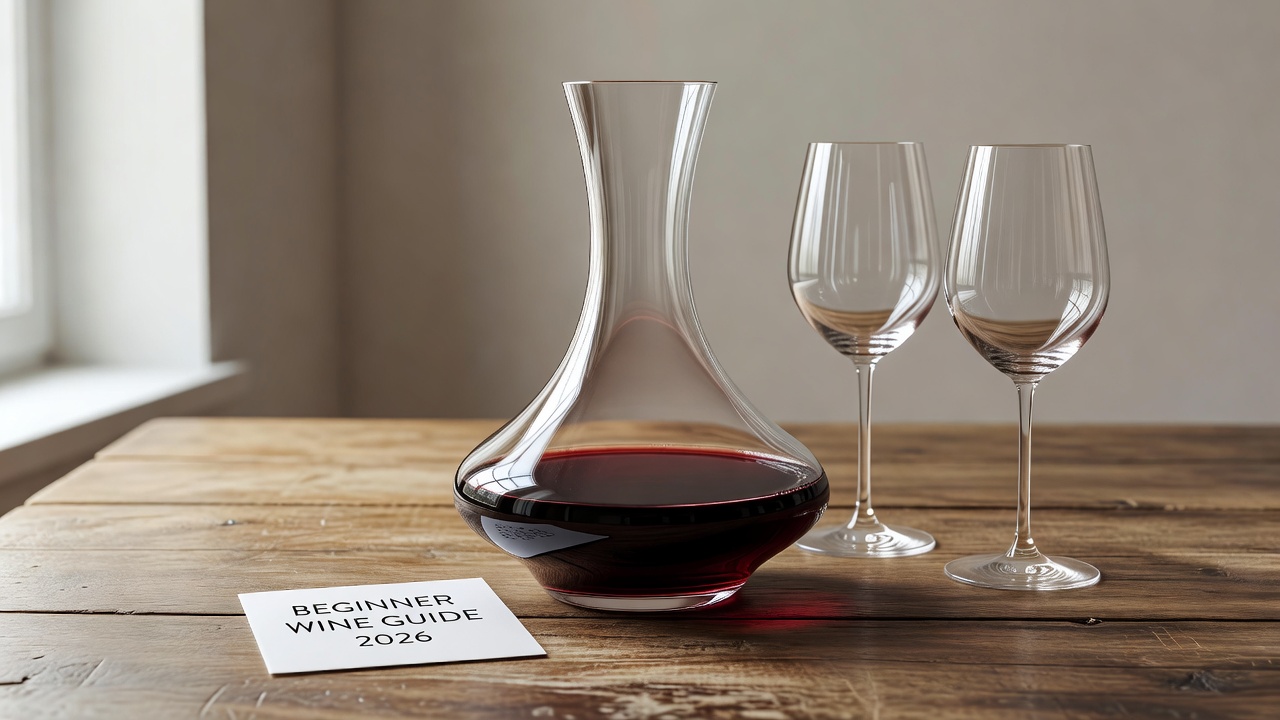
Introduction to Decanting Wine
Decanting is a simple yet transformative technique that every wine enthusiast should understand. It involves pouring wine from its bottle into a decanter to separate sediment and allow the wine to breathe, ultimately enhancing its flavor and aroma. For beginners in 2026, learning these basics can elevate your enjoyment of both everyday and special bottles. Many new wine drinkers overlook this step, but once mastered, it becomes a rewarding ritual that brings out the best in each pour.
The process helps release trapped aromas and softens tannins, making wines more approachable. Whether you're hosting a dinner party or enjoying a quiet evening, proper decanting adds a professional touch to your wine experience. Over the years, winemakers and sommeliers have refined these methods, and today they remain essential for anyone serious about wine appreciation.
Why Decant Wine? The Purpose Explained
Decanting serves two primary purposes: aeration and sediment removal. Aeration exposes the wine to oxygen, which can open up complex flavors and aromas that might otherwise remain hidden. Sediment, often found in older reds, consists of tannins and other particles that can make wine taste gritty if not removed. This dual benefit makes decanting a must for many bottles, especially those that have aged for several years.
In real-world scenarios, such as opening a 10-year-old Cabernet Sauvignon, decanting prevents unpleasant bits from reaching your glass. Young wines benefit too, as the oxygen helps integrate flavors quickly. The science behind aeration involves gentle oxidation that mimics years of bottle aging in just minutes. For deeper insights into wine chemistry, explore resources from Decanter.
When to Decant: Reds Versus Whites
Reds are the most common candidates for decanting. Full-bodied varieties like Cabernet Sauvignon, Syrah, and Malbec often need 30-60 minutes to breathe. Lighter reds such as Pinot Noir may only require 15-20 minutes. The decision depends on the wine's structure, age, and grape variety, with bolder tannins responding particularly well to oxygen exposure.
Whites are decanted less frequently but can benefit from the process if they are oaked or have been aged. Chardonnay or Viognier might improve with 10-15 minutes of aeration. Sparkling wines and most young whites usually skip this step to preserve bubbles and freshness. Comparing reds and whites highlights how decanting is not one-size-fits-all; always consider the specific bottle in hand.
Essential Tools for Decanting
You'll need a few key items: a quality decanter, a steady hand or funnel, and good lighting to spot sediment. A candle or flashlight helps when pouring older bottles. Choose a decanter with a wide base for maximum aeration. Beginners often start with affordable glass options before investing in crystal pieces.
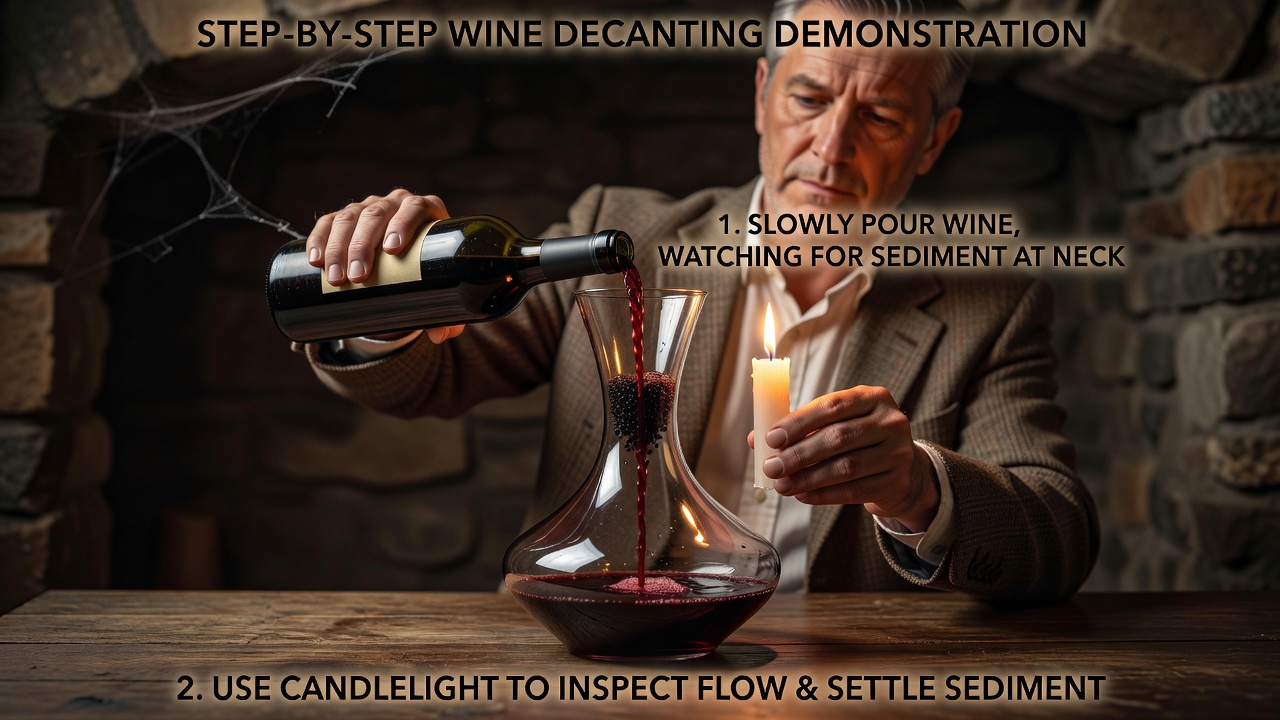
Compare options like standard glass decanters versus those with built-in aerators. The latter can speed up the process for impatient drinkers but may not suit very old vintages requiring gentle handling. Additional accessories such as a wine funnel with a filter can make the task easier for those new to the practice.
Step-by-Step Decanting Method
- Stand the bottle upright for several hours or overnight to let sediment settle at the bottom.
- Position a light source behind the bottle neck to monitor the pour clearly.
- Pour slowly into the decanter at a consistent angle, stopping when sediment approaches the neck.
- Swirl gently if needed and let the wine rest for the recommended time before serving.
- Taste a small sample to confirm the flavors have opened up as desired.
Practice with affordable bottles first to build confidence. This methodical approach ensures consistent results every time.
Timing Examples and Real-World Scenarios
For a dinner party, decant reds an hour before guests arrive so they reach optimal condition. At a restaurant, request decanting for aged wines to impress your table. Young wines from the current vintage might need only brief aeration compared to mature bottles from previous decades. Imagine serving a bold Napa Valley red at a holiday gathering; decanting transforms it from tight and closed to vibrant and expressive within the right window.
Another scenario involves business dinners where timing is critical. Decant during appetizers to have the wine ready by the main course. These examples show how planning ahead turns decanting into a seamless part of any event.
Comparisons of Decanters and Key Considerations
Decanters vary widely in shape, material, and capacity. Wide-bottom designs promote faster aeration, while narrow-neck versions offer more control for delicate wines. Crystal options provide elegance but require careful cleaning, whereas durable glass works well for frequent use. Beginners should consider capacity needs, with most household decanters holding one standard bottle.
Additional factors include ease of pouring and storage. Some modern designs incorporate aerating spouts that reduce the time required. Weighing these differences helps match the right tool to your wine collection and lifestyle.
Common Pitfalls to Avoid
- Over-decanting delicate wines, which can flatten aromas and reduce complexity.
- Ignoring sediment in aged bottles, leading to a gritty texture in every glass.
- Using dirty decanters that impart off-flavors and ruin the experience.
- Decanting too far in advance for light whites, causing loss of freshness.
- Rushing the pour without proper lighting, resulting in sediment contamination.
Avoiding these mistakes comes with experience and attention to detail during each session.
Frequently Asked Questions
How do I remove sediment effectively?
Let the bottle rest upright, then pour steadily while watching the neck under light. A funnel with a built-in strainer offers extra protection for particularly cloudy bottles.
Should young wines be decanted?
Yes, for aeration, but limit time to 15-30 minutes to avoid over-oxidation. Many modern wines are made to drink immediately, so short exposure is often sufficient.
Can I decant without a decanter?
A large pitcher works in a pinch, though purpose-made decanters perform better. For more professional advice, check Wine Magazine.
What about very old wines?
Handle them with extra care, often decanting just before serving to minimize further exposure to air.
Conclusion
Decanting is an accessible skill that enhances your appreciation of wine. By following these guidelines, beginners can confidently improve every pour. Experiment with different wines to discover your preferences and enjoy the results. Over time, this practice becomes second nature and elevates all your wine moments.
No comments yet. Be the first!