 Uncorked Conversations
Introduction to Wine Glassware for Beginners
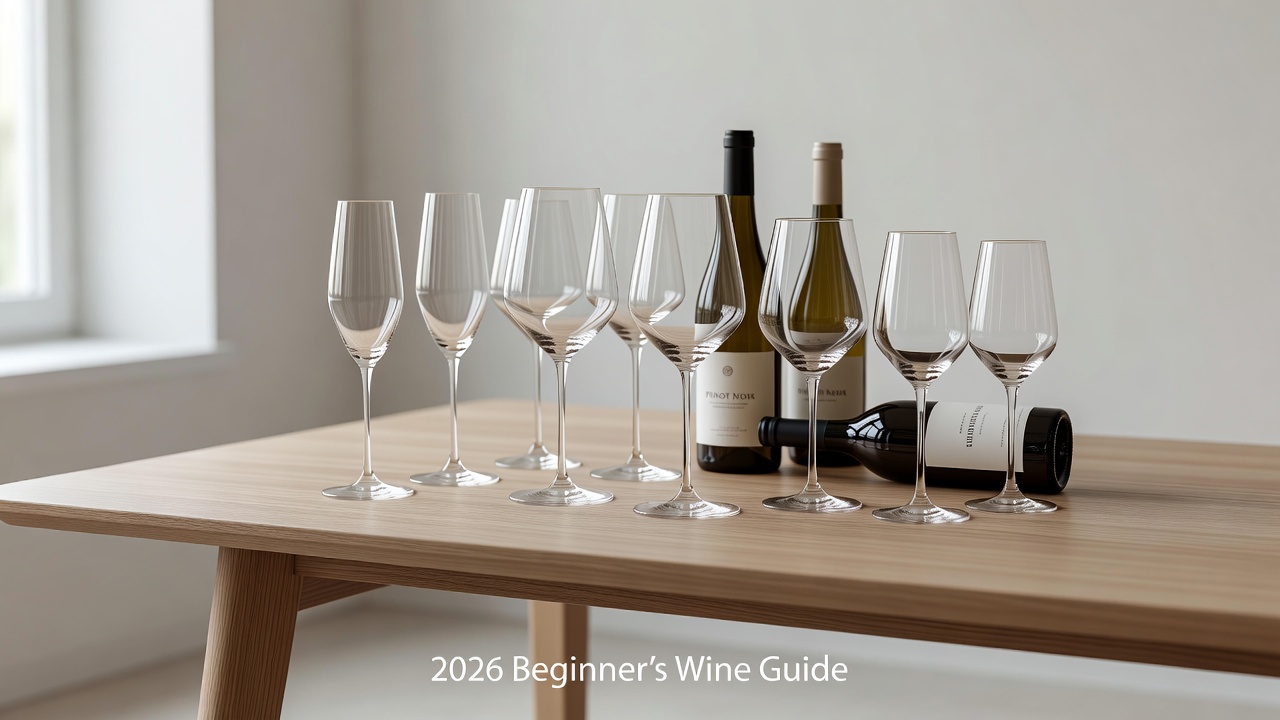
Choosing the right wine glass can transform your tasting experience, especially if you're new to wine in 2026. The shape and size of a glass influence how aromas develop, how flavors are perceived on the palate, and even the temperature at which the wine is served. This comprehensive guide breaks down the essentials so novices can make informed decisions without feeling overwhelmed by the many options available on the market today.
Many beginners start with whatever glasses they have at home, often using everyday drinking vessels or mismatched sets inherited from family. However, understanding the science behind glassware helps elevate everyday sipping from a casual habit into a more intentional and enjoyable ritual. Whether you're hosting a dinner party for friends, exploring new varietals on your own during a quiet evening, or simply looking to upgrade your home bar setup, proper glassware enhances the overall enjoyment and appreciation of wine. In recent years, more people have turned to at-home wine education as a way to unwind, making this knowledge particularly timely and useful.
The Science Behind Wine Glass Design
Wine glasses are engineered with specific features that affect the sensory experience in subtle but meaningful ways. The bowl width allows oxygen to interact with the wine, releasing volatile compounds that carry aroma up to your nose. A wider bowl suits bold reds like Cabernet Sauvignon or Syrah by providing more surface area for aeration, which can soften tannins and open up complex notes of dark fruit and spice. In contrast, narrower bowls preserve delicate aromas in whites such as Sauvignon Blanc or Riesling, preventing the wine from oxidizing too quickly and keeping floral and citrus notes vibrant.
Stem length plays a key role in temperature control and handling. Holding the stem prevents body heat from warming the wine too quickly, which is especially important for chilled whites and sparkling wines that lose their refreshing qualities when they reach room temperature. Rim design influences how the wine flows onto the tongue, directing it to specific taste receptors for balanced flavor perception. Thinner rims allow for a smoother sip that highlights acidity and sweetness, while slightly thicker rims can emphasize texture and body.
Research from institutions like the Wine Magazine highlights these principles, showing that even small design differences can noticeably change the tasting profile. For instance, a glass with a tapered top concentrates aromas better than a straight-sided tumbler, making it easier for beginners to detect subtle differences between similar wines.
How Bowl Width Affects Aroma and Flavor
Bowl width is one of the most discussed elements in wine glass design. Wider bowls encourage greater oxidation, which benefits full-bodied reds by releasing earthy and jammy characteristics. Narrower bowls keep lighter wines focused and prevent excessive evaporation of delicate esters. Beginners can experiment by pouring the same bottle into two different glasses and comparing the intensity of the nose and the evolution of flavors over several minutes.
Stem Length and Temperature Control
The stem is not merely decorative. It serves as a handle that keeps your hand away from the bowl, maintaining the wine at its ideal serving temperature. This is crucial for varietals like Chardonnay or Pinot Grigio that are best enjoyed cool. Without a stem, heat transfer from fingers can alter the wine within minutes, dulling its freshness.
Rim Design and Pouring Experience
Rim thickness and angle affect the pour and the first contact with your lips. A fine, polished rim delivers wine evenly across the palate, enhancing balance. Practical examples include comparing a standard all-purpose glass to a sparkling wine flute, where the narrow opening preserves bubbles longer.
Versatile Glasses vs. Varietal-Specific Options
Step 1: Assess your drinking habits. If you enjoy a mix of reds, whites, and rosés, start with versatile all-purpose glasses that feature a medium bowl and standard stem. These work well across most styles without requiring multiple sets.
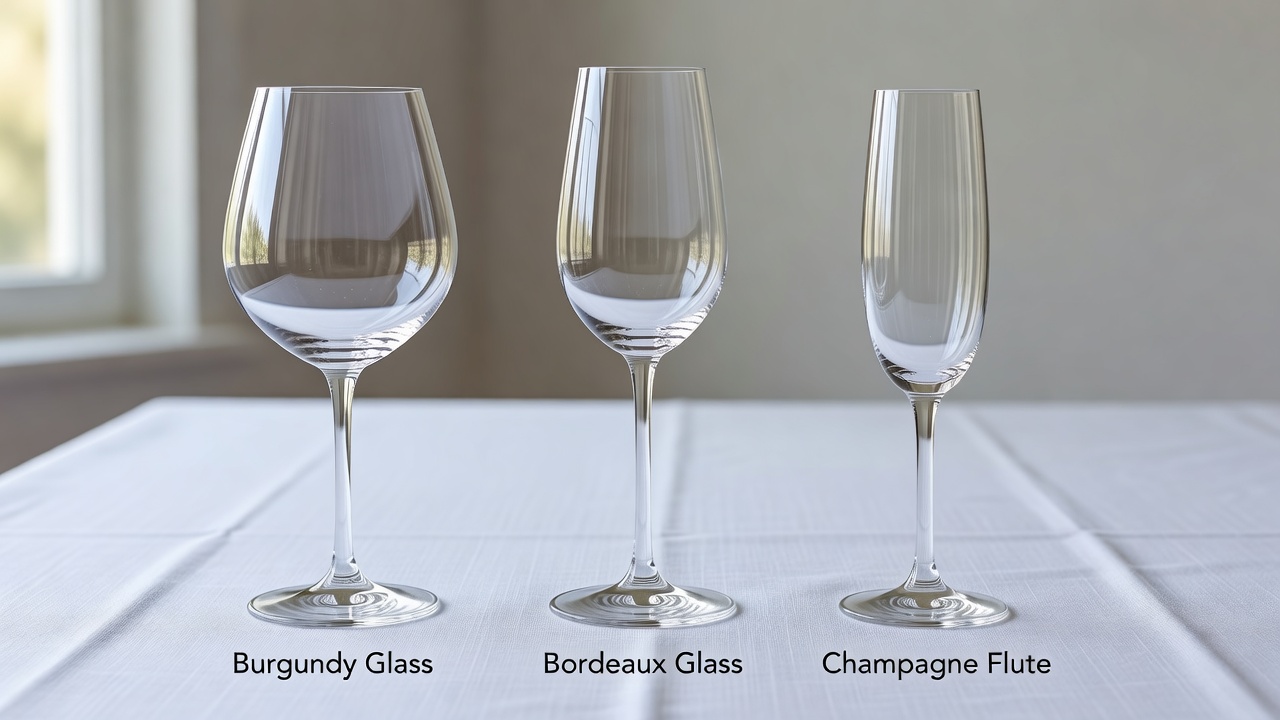
Step 2: Consider varietal-specific glasses only after building a collection. These are shaped for particular grapes, such as Burgundy glasses with extra-wide bowls for Pinot Noir or tall, narrow glasses for Champagne that preserve carbonation.
Step 3: Test in real scenarios. Pour the same wine into different glasses and note differences in aroma intensity and mouthfeel. Many beginners find that one or two versatile shapes cover 80 percent of their needs.
Practical advice: Beginners benefit most from versatile sets before investing in specialized pieces that may sit unused.
Budget-Friendly Starter Sets
Look for durable, lead-free crystal or high-quality glass options that balance clarity and strength. Sets of four to six glasses provide enough for small gatherings while remaining affordable and practical for daily use. Focus on brands known for consistency and break resistance rather than chasing trendy designs that may sacrifice functionality.
Real-world tip: Many starter kits include both red and white options in one purchase, making them ideal entry points for new enthusiasts exploring different wines at home.
Everyday Tumblers vs. Proper Wine Glasses
Tumblers are convenient for casual use but lack the focused aroma delivery of stemmed glasses. For example, drinking a full-bodied red from a tumbler can mute its bouquet compared to a proper Bordeaux-style glass that directs scents toward the nose. Comparisons show that proper glasses improve oxygen exposure and prevent hand-warming, leading to a more accurate representation of the wine's character.
In everyday scenarios like picnics or relaxed movie nights, tumblers work fine and are less fragile. But for intentional tastings or when sharing a special bottle, dedicated wine glasses deliver superior results by enhancing every sensory element. Real-world examples include using a simple water glass for a casual weekday Merlot versus switching to a proper red wine glass for weekend dinners with guests.
Common Mistakes Beginners Make
One frequent error is overfilling glasses, which reduces the space available for aromas to develop. Another is storing glasses in dusty cabinets or hanging them by the rim, risking chips. Beginners also sometimes choose purely decorative glasses that look nice but perform poorly for actual tasting.
Storage and Maintenance Tips
Store glasses upright in a dust-free cabinet to avoid chipping stems. For cleaning, hand-washing with mild detergent preserves clarity better than harsh cycles, though many modern glasses are dishwasher-safe on the top rack. Dry them immediately with a lint-free cloth to prevent water spots.
Frequently Asked Questions
- Are all wine glasses dishwasher safe? Many contemporary options are, but always check manufacturer guidelines to maintain longevity and clarity over time.
- How should I store my glasses? Keep them upright in a cool, dry place away from direct sunlight and high-traffic areas where they might get knocked over.
- Do I need different glasses for every wine type? No, versatile options suffice for most beginners and cover a wide range of varietals effectively.
- What is the best glass for sparkling wine? Tall, narrow flutes help preserve bubbles, though some prefer wider coupe styles for aroma.
- Can I use the same glass for red and white wine? Yes, a well-chosen all-purpose glass works for both in casual settings.
Conclusion
Investing time in understanding wine glassware pays off through richer aromas and balanced flavors. Start simple, experiment with what you have, and expand as your palate develops. For more expert insights, explore resources from Wine Enthusiast or official guides at Wine Spectator.
No comments yet. Be the first!