 Uncorked Conversations
Introduction to Blind Wine Tasting for Beginners
Blind wine tasting stands out as one of the most powerful methods for wine beginners to advance past the foundational five S's method of see, swirl, sniff, sip, and savor. In 2026, many enthusiasts are embracing hands-on, repeatable exercises that deliver genuine skill development instead of depending on bottle labels or marketing. This structured approach allows you to uncover personal flavor preferences, expand your descriptive vocabulary, and build lasting confidence in your own palate judgments without any visual or branding influences interfering.
Removing labels and visual cues forces your senses to concentrate solely on aroma profiles, taste components, mouthfeel, and finish length. The result is a more objective and reliable understanding of what you truly enjoy in wine. Whether you are reinforcing wine 101 basics or preparing for future social tastings and events, these at-home blind exercises create clear, trackable improvement over time.
Why Practice Blind Tasting Exercises?
Regular blind tasting sharpens your ability to distinguish between grape varieties, growing regions, and even vintage characteristics. Beginners frequently discover they appreciate styles they had previously dismissed because of preconceptions formed by labels or recommendations. Consistent practice also lays the groundwork for advanced wine education, such as certification courses or leading group tastings yourself. Wine education resources consistently highlight how sensory training through repetition leads to noticeably higher recognition accuracy after just a few weeks.
Wine Magazine notes that objective blind tasting develops evaluation skills that benefit every level of wine enthusiast. The mental discipline required translates directly into better everyday wine choices and greater enjoyment at the table.
Setting Up Simple Blind Tastings at Home
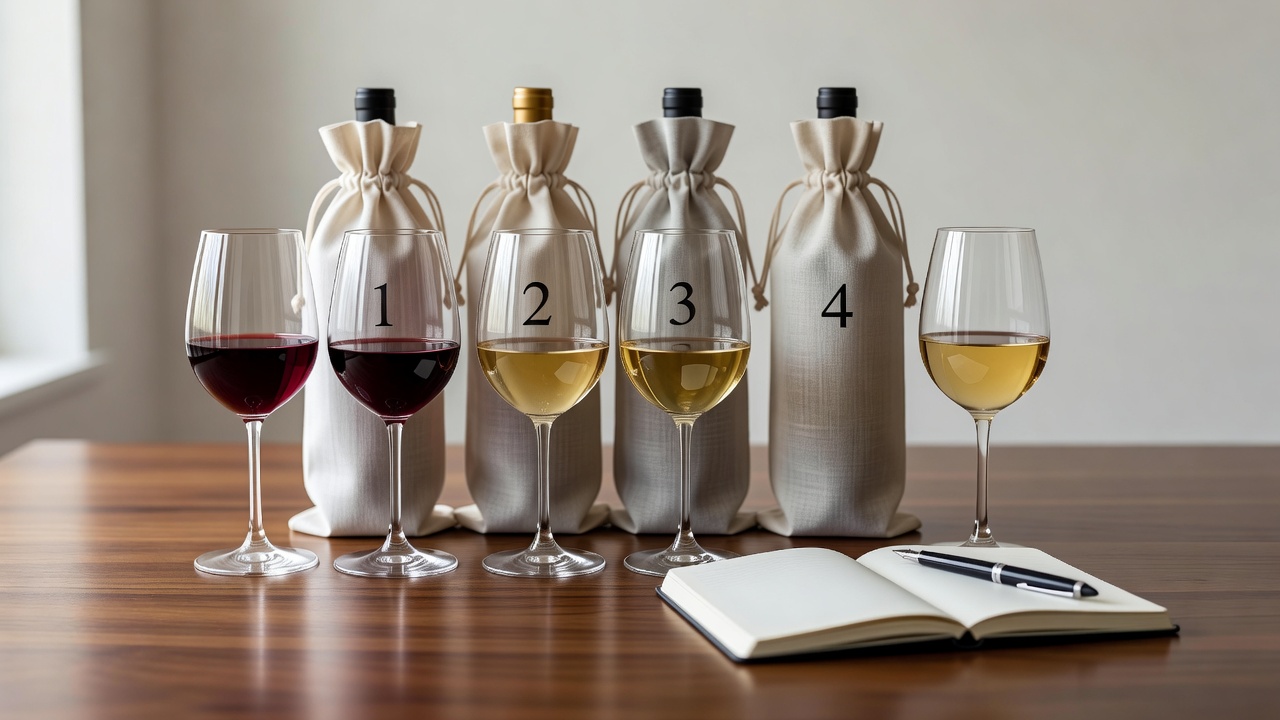
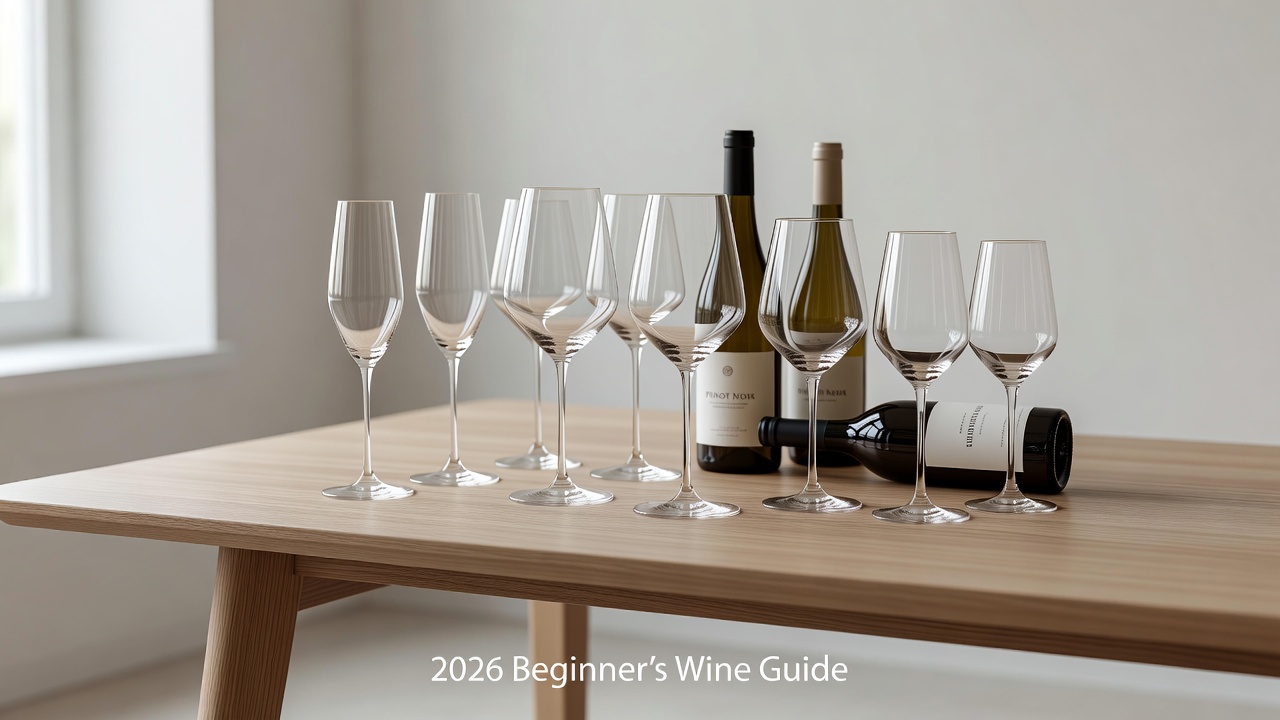
Establishing an effective home tasting station needs only basic items. Select a quiet room with good lighting and a clean table surface. Prepare three or four wine glasses per person, a water pitcher for rinsing, plain unsalted crackers or bread to reset the palate, and opaque paper bags or sleeves to conceal each bottle completely. Number the glasses and bags in advance so you can match notes to specific samples later. Keep serving temperatures consistent across sessions: chill whites to approximately 10-12°C and serve reds around 16-18°C to optimize aroma expression.
Additional helpful supplies include a timer to pace the session, a small notebook or printed template for each participant, and a waste bucket for spitting if desired. Arrange everything before covering the bottles so the focus stays on the wines rather than logistics.
- Neutral table and lighting
- 3-4 glasses per taster
- Water and palate cleansers
- Opaque covers for bottles
- Numbered tags and note sheets
Selecting 3-4 Affordable Wines for Practice
Choose a balanced flight that highlights clear differences. A typical beginner set might include one crisp white such as Sauvignon Blanc, one light red like Pinot Noir, one fuller-bodied red such as Cabernet Sauvignon or Merlot, and an optional rosé or sparkling wine for variety. Rotate regions and producers each week to expose yourself to new flavor combinations. The goal is contrast rather than similarity, which helps train your palate to notice acidity levels, tannin structure, fruit ripeness, and oak influence more distinctly.
Step-by-Step Tasting Protocol with Note-Taking Templates
Follow this repeatable sequence for every flight to ensure reliable data:
- Observe appearance without swirling: record color depth, hue, and clarity.
- Swirl gently and assess the nose in stages: first impression, then deeper inhalation for primary fruit, floral, or herbal notes, followed by any secondary oak, spice, or earth elements.
- Take a small sip and evaluate sweetness, acidity, tannin grip, body weight, and finish duration on a scale of short, medium, or long.
- Write impressions immediately before any reveal occurs.
- Repeat for each wine, cleansing the palate between samples.
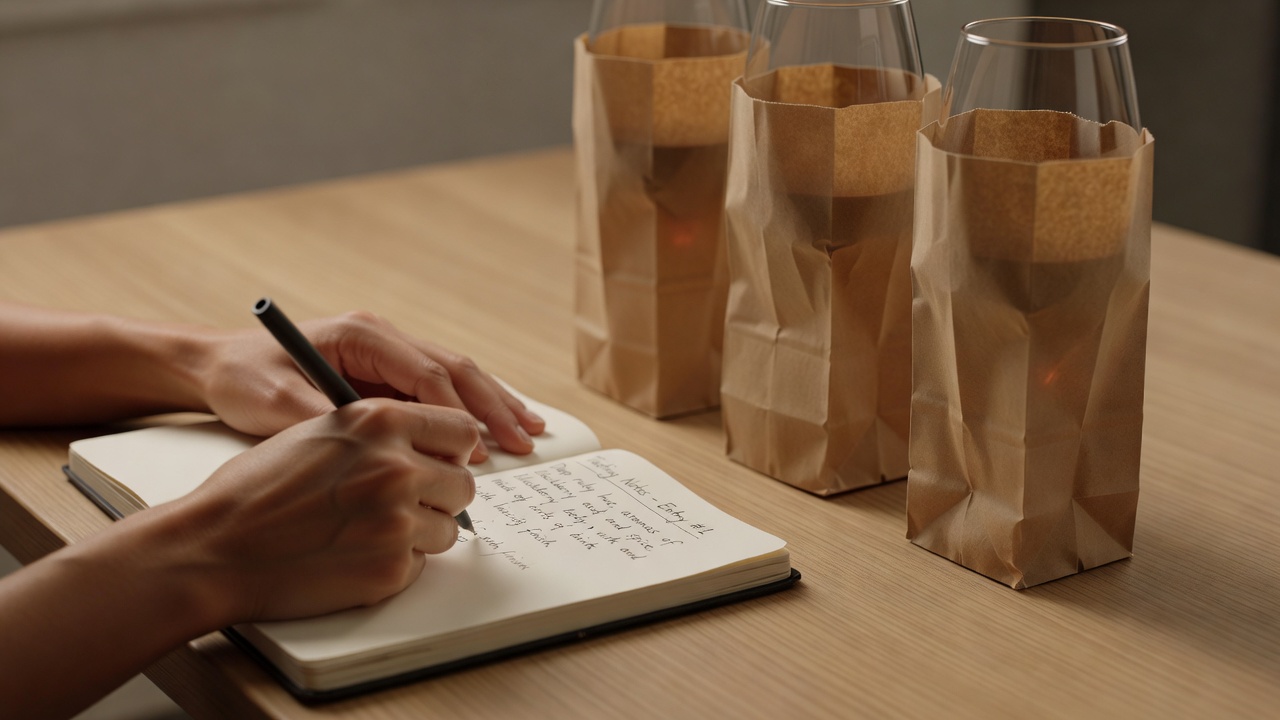
A practical note template includes these columns: Wine Number | Appearance | Aroma Descriptors (3-5 words) | Palate (Sweet/Acid/Tannin/Body) | Finish Length | Personal Rating (1-10) | Initial Guess. Fill every section before moving to the next glass. This disciplined format prevents memory bias and creates comparable data across multiple sessions.
Comparing Results Across Multiple Sessions
Maintain a dedicated journal or simple spreadsheet to log every tasting. After each session, uncover the wines and cross-reference your notes against the actual characteristics. Over four to six weeks, you will observe measurable improvement in descriptor accuracy and consistency of preference scores. Many beginners report clearer detection of acidity and tannin balance within the first month when they review previous entries regularly.
Identifying Personal Flavor Preferences
Blind exercises quickly expose hidden biases and authentic likes. You might realize you consistently rate high-acidity whites higher than oaky reds, even if you thought you preferred the opposite. Use these insights to guide future purchases and deepen exploration of similar styles. Over time, patterns in your ratings help you articulate exactly why certain wines appeal more than others.
Real Beginner Examples and Progress Stories
One first-time participant consistently overlooked oak notes until the fourth session, when they accurately described vanilla and toast in a Chardonnay they had previously guessed as unoaked. Another beginner tracked preferences across five flights and discovered a strong lean toward fruit-forward New World styles, prompting them to explore similar bottles from California and Australia with greater confidence. These small victories accumulate and reinforce the value of the practice.
Common Pitfalls to Avoid
- Starting with too many wines in early sessions, which leads to palate fatigue.
- Skipping water or crackers between samples and allowing residual flavors to interfere.
- Rushing written notes instead of taking deliberate time for each observation.
- Allowing prior knowledge of the wine list to influence guesses or ratings.
- Failing to maintain consistent glassware, temperatures, and lighting from week to week.
- Neglecting to review past notes, which prevents recognition of genuine progress.
Building Your Wine Vocabulary Through Practice
Expand descriptive language by maintaining a running list of aroma and flavor terms you encounter. Group words into categories such as fruit, floral, spice, earth, and oak. Referencing established flavor wheels during review sessions helps connect your impressions to standard terminology used by professionals.
Tracking Progress Over Time
Set simple milestones, such as correctly identifying at least two wines per flight after six sessions or expanding your average number of aroma descriptors from three to five. Celebrate incremental gains rather than perfection, and adjust difficulty gradually by adding more similar varietals once basic distinctions become reliable.
Scaling Up to Group Tastings: Short FAQ
How many people work best for a group blind tasting? Four to six participants allow lively discussion without overwhelming the setup or requiring excessive bottles.
What if someone has allergies or preferences? Always provide a non-alcoholic alternative and confirm dietary needs ahead of time to keep everyone comfortable.
How often should groups meet? Monthly sessions give enough time for reflection while keeping skills sharp and momentum high.
Should groups use scoring sheets? Simple shared templates encourage consistent note-taking and make post-reveal comparisons more productive.
Decanter provides helpful guidance on organizing educational wine events that scale smoothly from solo practice to group formats.
Conclusion
Blind wine tasting exercises convert casual sipping into purposeful skill development. By following clear protocols, selecting varied affordable wines, maintaining detailed notes, and reviewing results consistently, beginners develop genuine confidence and a personalized map of their own preferences. Start with small flights, remain consistent, and enjoy watching your palate evolve throughout 2026 and beyond.
No comments yet. Be the first!