 Uncorked Conversations

Introduction to Wine Scores
Wine scores serve as essential navigation tools for beginners exploring the enormous variety of bottles on the market. These numerical ratings from respected critics offer quick indicators of quality and style, helping new enthusiasts make confident choices without years of tasting experience. In 2026, wine scores continue to influence purchasing decisions worldwide, yet they deliver maximum value when combined with personal taste exploration and an understanding of their inherent boundaries. This guide breaks down the major systems, explains what the numbers truly signify, and provides actionable strategies for using ratings effectively while avoiding common pitfalls.
Major Scoring Systems Explained
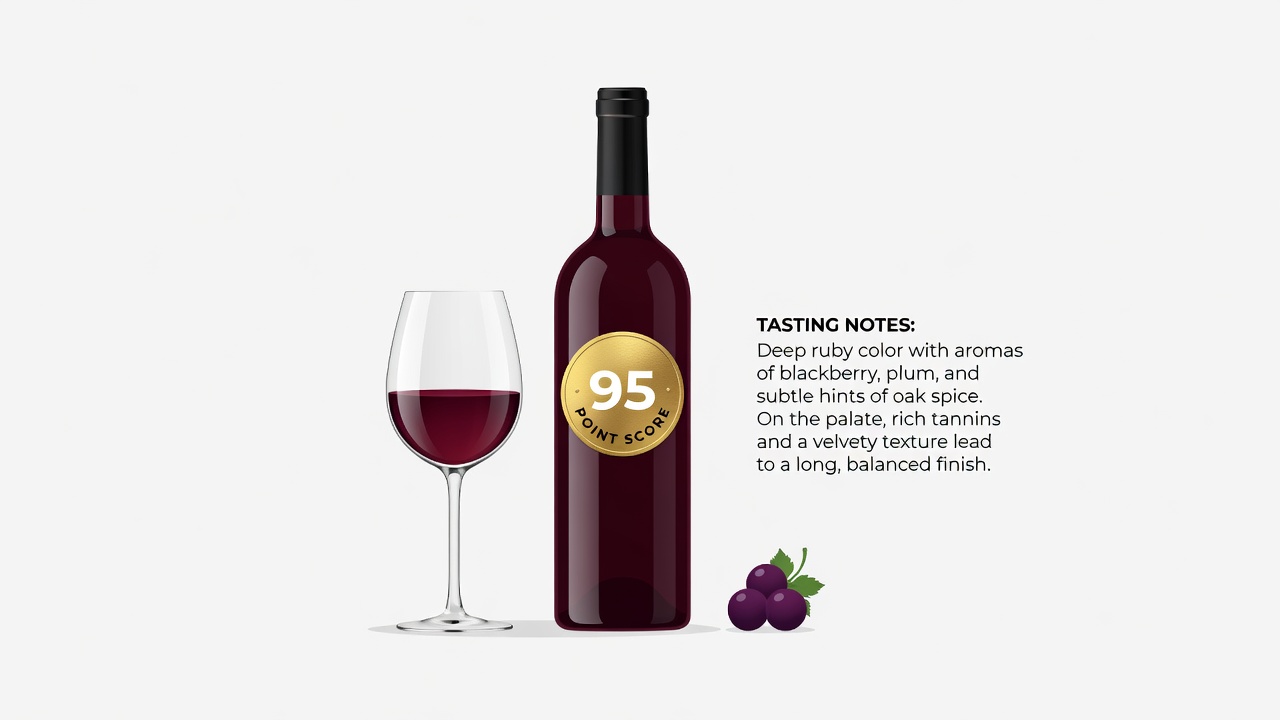
The 100-point scale remains the most widely recognized framework in the wine industry. Pioneered by critics such as Robert Parker and refined by publications including Wine Spectator, this system evaluates wines across categories like appearance, aroma, flavor complexity, balance, finish, and aging potential. Scores in the 95–100 range denote wines of extraordinary quality with remarkable depth and aging capacity. The 90–94 bracket captures excellent wines that consistently impress and often represent strong value. Lower tiers still offer enjoyable options for casual consumption.
Alternative systems include the 20-point scale favored in parts of Europe and star-based ratings from outlets like Decanter. Each approach weighs different attributes, making it beneficial to consult multiple sources when possible. Understanding these frameworks allows beginners to interpret ratings across international publications with greater accuracy.
What Do Score Ranges Really Mean?
Score ranges provide context that prevents blind reliance on high numbers alone. Wines rated 85–89 typically deliver very good quality suitable for regular enjoyment and often present excellent everyday value. The 80–84 category includes sound, well-made wines that may lack standout complexity but remain pleasant. Below 80, bottles can still satisfy specific preferences yet rarely receive critical acclaim. Vintage variation, producer track record, and regional characteristics all influence how a score translates to the glass. Beginners benefit from focusing first on the 88–93 range, where quality meets approachability for most palates.
How Critics Assign Scores
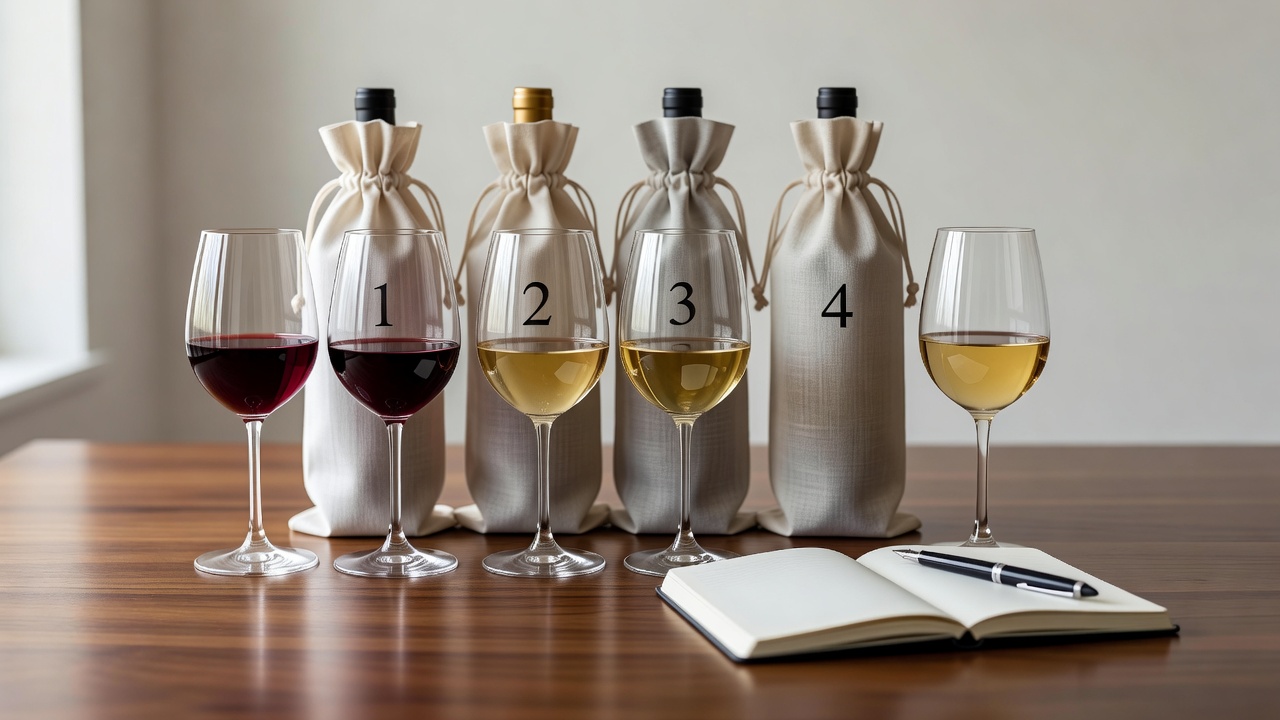
Professional critics follow structured protocols when assigning points. They assess visual clarity, intensity and purity of aromas, flavor layers on the palate, structural balance between acidity, tannin, alcohol, and sweetness, plus the length and memorability of the finish. Blind tasting formats help reduce bias, while multiple reviews of the same wine across critics can reveal consensus. Environmental factors such as serving temperature and glassware also play roles in final evaluations. This rigorous process explains why scores carry weight yet remain subjective opinions rather than objective facts.
Limitations of Wine Scores
Every score reflects a single critic’s assessment on one particular day under specific conditions. Storage history, bottle variation, and individual palate differences mean the same wine may score differently for another reviewer or even the same reviewer at another time. Score inflation has been widely discussed, with average ratings gradually rising across many publications and thereby compressing distinctions between good and outstanding wines. Reading the complete tasting note alongside the number supplies essential context about style, food pairing potential, and aging recommendations that the score alone cannot convey.
Scores, Price, and Personal Taste
While higher scores frequently align with elevated prices, numerous exceptions demonstrate that points and cost are not perfectly correlated. A well-reviewed 91-point wine from an emerging region can outperform a higher-scoring bottle from a famous appellation at a fraction of the cost. Personal taste remains the ultimate arbiter—some drinkers consistently prefer vibrant fruit-forward styles while others favor earthy or mineral-driven profiles regardless of critical acclaim. Tracking your own reactions to scored wines builds an internal reference that grows more reliable than any external rating over time.
Practical Shopping Examples
Consider a supermarket wine aisle where two Cabernet Sauvignons sit side by side. One carries a 93-point rating from Wine Spectator with notes of blackcurrant and cedar, ideal for grilled meats. The neighboring bottle lacks a score but originates from a winery you enjoyed previously at a lower price. In another scenario, a 90-point Chardonnay from a cool-climate region might suit a creamy pasta dish, while an unrated sparkling wine from the same store could excel at a celebration. Cross-checking scores from multiple critics and matching them to your intended meal and budget refines these decisions effectively.
Step-by-Step Tips for Using Scores
- Document wines you have already enjoyed to identify patterns in styles and regions you prefer.
- Compare ratings from at least two different critics for any bottle under consideration to identify areas of agreement.
- Read the full tasting note carefully to understand specific flavors, acidity levels, and suggested food pairings.
- Factor in your budget, the occasion, and how long you plan to cellar the wine before purchase.
- Maintain a simple tasting journal noting both the score and your personal enjoyment level after each bottle.
- Experiment deliberately by trying wines just below or above your usual score comfort zone to expand your palate.
Mistakes Beginners Make with Scores
Common errors include treating scores as absolute guarantees of enjoyment, ignoring vintage differences, or dismissing lower-scoring wines without tasting them. Another frequent misstep involves chasing only the highest numbers while overlooking excellent value in the mid-80s range. Beginners sometimes overlook that scores do not account for personal dietary preferences or serving contexts such as outdoor picnics versus formal dinners. Avoiding these traps leads to more satisfying and cost-effective selections.
Score-Driven vs Non-Score Selections
Relying primarily on scores tends to deliver consistent quality and reduces risk for new buyers, yet it can limit exposure to small-production or lesser-known regions that receive less critical attention. Non-score-driven exploration encourages discovery and often uncovers hidden gems at attractive prices. A balanced strategy uses scores as an initial filter while reserving a portion of your wine budget for unrated or lower-scored bottles from interesting producers. This hybrid method accelerates learning and keeps the experience engaging.
FAQ
Does a high score guarantee I will enjoy the wine?
No. Scores represent one expert’s opinion and cannot predict every individual’s response. Your palate may favor different characteristics than those emphasized by the critic.
Are wine scores becoming inflated?
Observers have noted gradual upward movement in average ratings over recent years, which can reduce the meaningful separation between quality tiers and requires readers to examine tasting notes more closely.
How should beginners start with scores?
Begin by focusing on wines rated 88–92 from established critics while actively tasting and recording your own impressions to develop personal benchmarks.
Can the same wine receive very different scores?
Yes. Variations in tasting conditions, bottle age, and individual sensitivity produce different results, which is why consulting multiple sources proves valuable.
Conclusion
Wine scores function best as helpful signposts rather than final judgments. By combining them with deliberate personal tasting, attention to context, and a willingness to explore beyond the numbers, beginners develop the confidence to select bottles that consistently deliver pleasure. Continue learning through regular tastings and note-taking, allowing scores to guide rather than dictate your journey through the world of wine.

No comments yet. Be the first!