 Uncorked Conversations
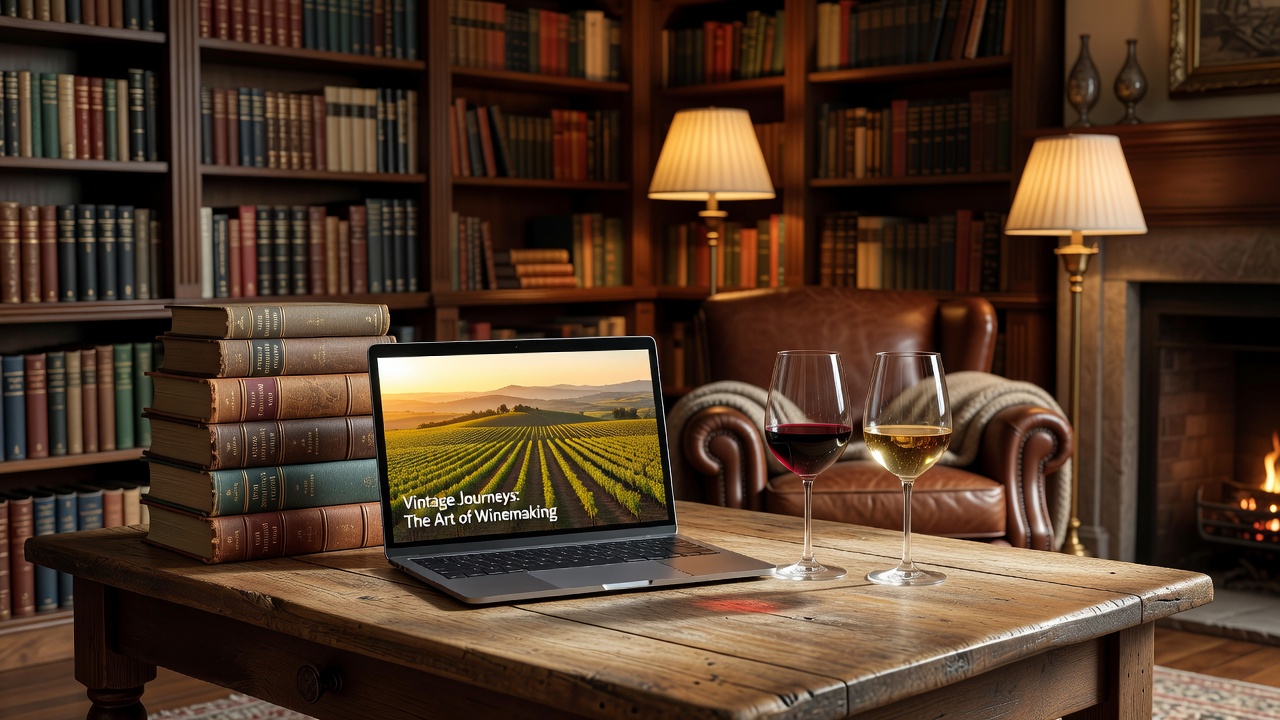
Introduction to Wine Education Without the Glass
Many aspiring wine enthusiasts want to build a strong foundation before investing in bottles or classes. Structured learning through books and films offers an accessible entry point, covering wine 101 essentials like tasting techniques, major grape varieties, and key regions. This approach complements hands-on experiences and fits busy schedules in 2026. Search intent for this topic often focuses on reliable resources that explain concepts clearly without requiring prior knowledge. Books provide depth on history and science, while films bring regions and personalities to life through storytelling. By starting with these formats, beginners can develop vocabulary for describing flavors, understand how climate shapes wine character, and recognize labels from major growing areas such as Bordeaux, Tuscany, and California’s Central Coast.
Real progress comes from consistent exposure rather than sporadic tastings. Learners who follow a media-based plan often report faster improvement in identifying aromas like blackcurrant or wet stone compared to those who rely solely on trial and error at restaurants.
Why Choose Books and Films for Beginner Wine Learning
Traditional tasting sessions can be intimidating or costly for novices. Books and documentaries allow self-paced study, repeatable review of complex topics, and exposure to expert insights from sommeliers and historians. They cover the fundamentals of aroma identification, acidity levels, and terroir influences effectively. For example, a chapter on soil composition can explain why certain Chardonnays taste minerally while others lean toward tropical fruit. Films demonstrate blind tasting protocols used by professionals, showing how to isolate variables like vintage and producer without visual cues from the bottle.
Additional benefits include portability and cost efficiency. A single well-chosen book can serve as a reference for years, while streaming documentaries fits into evening routines. Many beginners also appreciate the absence of social pressure that sometimes accompanies group tastings.
Top Book Recommendations for Wine Beginners
Here are five standout titles that deliver wine 101 value. Each includes overviews and key takeaways on tasting techniques, grape varieties, and regions.
- The Wine Bible by Karen MacNeil: This extensive volume explores dozens of regions with maps, producer profiles, and tasting grids. Readers learn to distinguish Old World restraint from New World ripeness through side-by-side comparisons of the same grape grown in different climates.
- Wine Folly: The Essential Guide by Madeline Puckette: Visual charts simplify the tasting process into color, aroma, and structure categories. The book excels at demystifying grape families, showing how Cabernet Sauvignon shares tannin profiles with Nebbiolo yet differs in aromatic intensity.
- The World Atlas of Wine by Hugh Johnson and Jancis Robinson: Detailed cartography illustrates how elevation and proximity to water affect ripening. Beginners gain practical skills for reading appellation labels and predicting style based on geography. Decanter frequently references similar mapping techniques in its regional guides.
- Reading Between the Vines by Terry Theise: Focuses on small-producer wines and teaches sensory evaluation through personal anecdotes. The text highlights how biodynamic practices influence acidity and texture in Riesling and Pinot Noir.
- Wine Simple by Aldo Sohm: Straightforward lessons break down service temperatures, glassware choices, and food-pairing logic. Sohm emphasizes that understanding grape ripeness levels helps predict whether a wine will pair better with roasted vegetables or grilled meats.
Key takeaways across these works include recognizing how soil types affect flavor profiles and mastering the five-step tasting process: sight, swirl, sniff, sip, and savor. Repeated practice with these steps builds muscle memory for describing wines accurately.
Recommended Films and Documentaries
Two powerful films round out the list of seven resources, providing visual context that books alone cannot deliver.
- Somm (2012): Follows four candidates preparing for the Master Sommelier exam. Viewers witness rigorous blind tasting drills and the pressure of identifying obscure regions under time constraints. The film reinforces why systematic note-taking matters when distinguishing between similar varieties such as Syrah and Mourvèdre.
- Sideways (2004): While fictional, the movie accurately portrays Santa Barbara County’s Pinot Noir and Cabernet Sauvignon landscapes. It introduces the concept of terroir through characters who debate the merits of specific vineyards, making abstract geography feel tangible.
These works illustrate real-world application of book knowledge, such as navigating restaurant wine lists or understanding vintage variations. Watching them after reading relevant chapters creates stronger retention of both facts and sensory language.
Creating a Practical Learning Plan
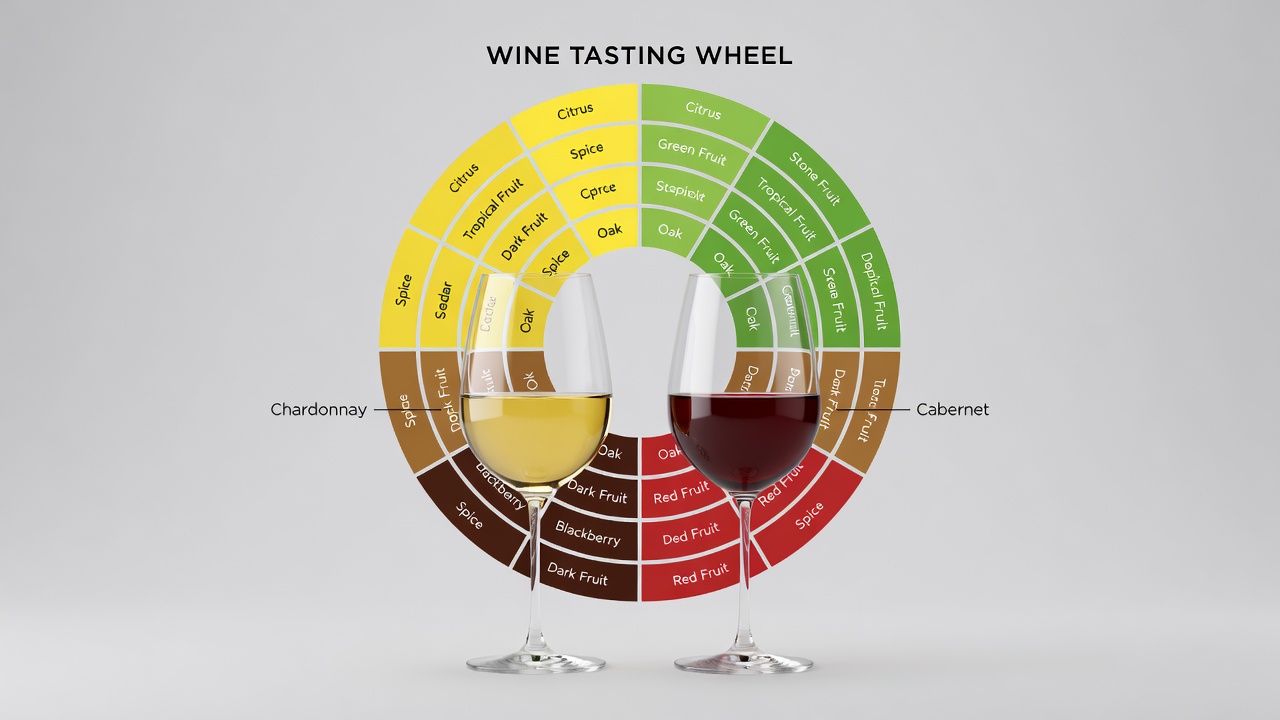
Start with one book per month paired with a related film. Dedicate 30 minutes daily to notes on grape varieties like Chardonnay and Cabernet Sauvignon. Track progress by revisiting tasting descriptors weekly. After three months, compare notes from different regions such as Bordeaux and Napa Valley to spot patterns in acidity and tannins. Incorporate short writing exercises: after each chapter or documentary, list three new descriptors you observed and one question for further research. Schedule a monthly review where you revisit earlier notes to measure improvement. This structured repetition turns passive viewing into active skill building.
Comparing Books Versus Films
Books excel at detailed data on grape chemistry and historical context. Films provide emotional connection and visual context for vineyard landscapes. Combining both formats yields the best results, as seen in learners who reference book maps while watching regional documentaries. Books allow quick lookup of specific facts, whereas films convey the pace and culture of harvest season more vividly. Beginners who alternate between the two often develop both analytical precision and intuitive appreciation faster than those using only one medium.
Applying Insights in Everyday Situations
Use film-inspired knowledge when selecting wines for dinner parties. For instance, recall Somm techniques to evaluate a new bottle by checking color and aroma first. Readers of Wine Folly often report better grocery choices after studying label terminology. In practice, someone who learned about cool-climate acidity from The World Atlas of Wine might choose a Loire Valley Sauvignon Blanc over a warmer-climate version when pairing with goat cheese. Another example involves recognizing that high-tannin wines need decanting time, a tip reinforced visually in Somm during restaurant service scenes.
Common Mistakes Beginners Make When Learning from Media
One frequent error is trying to memorize every grape variety at once instead of focusing on five core types first. Another is skipping the note-taking step, which reduces long-term retention. Some learners also overlook vintage charts, leading to confusion when a film discusses an exceptional year that differs from average conditions. Avoiding these pitfalls requires deliberate review sessions and cross-referencing multiple sources.
Frequently Asked Questions
How long does it take to learn wine basics?
Consistent study of two resources per month builds solid foundations within three to six months, depending on how much time is devoted to active note review.
Do I need prior tasting experience?
No, these books and films start at the absolute beginner level and teach core techniques step by step, using everyday language rather than technical jargon.
Which grape varieties should I focus on first?
Begin with widely available options like Sauvignon Blanc, Merlot, and Syrah before exploring niche varieties. This approach mirrors the progression used in most introductory texts.
Can films replace books entirely?
Films complement but do not replace books; the visual medium excels at atmosphere while books supply the data needed for accurate identification and decision-making.
Conclusion
Books and films form an effective, low-pressure pathway into wine education. By following the recommendations and plan above, beginners can develop meaningful knowledge of tasting, grapes, and regions that enhances future experiences. Continued engagement with authoritative sources such as Jancis Robinson’s website ensures the learning journey remains current and rewarding.
No comments yet. Be the first!