 Uncorked Conversations
Introduction to Oak Influence on Wine
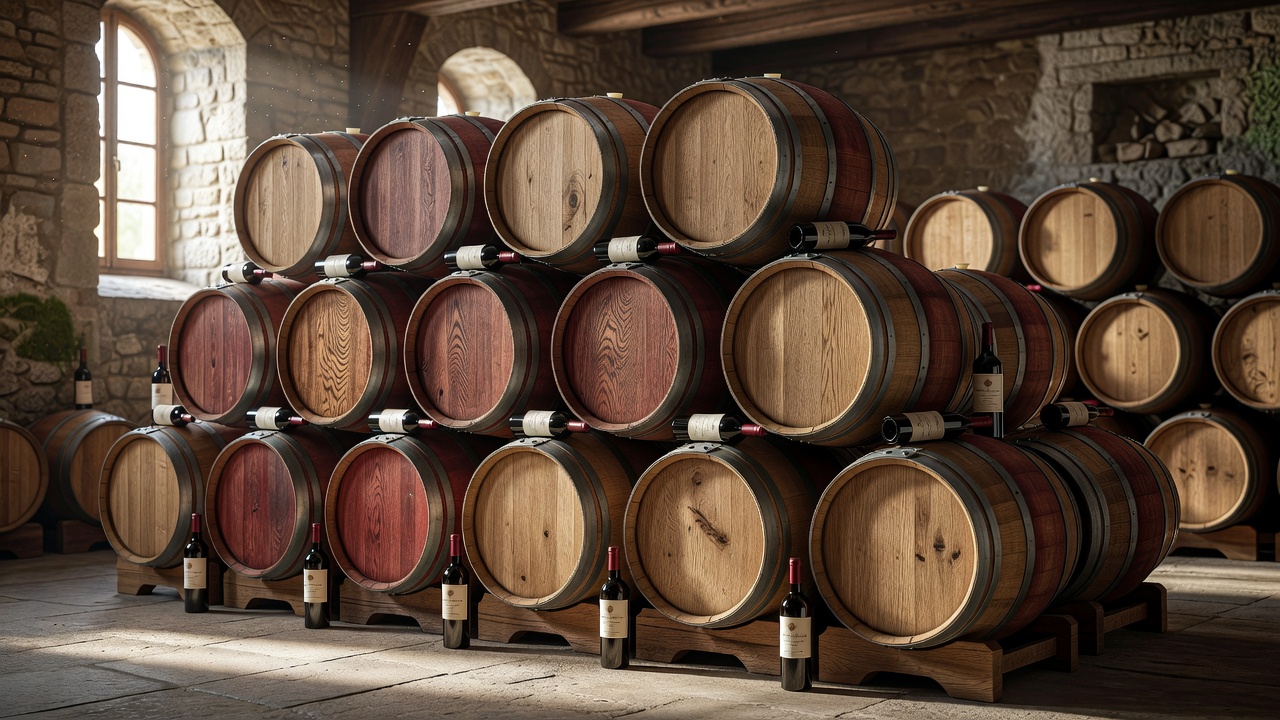
Oak aging is one of the most significant factors that shapes the character of many wines. For beginners exploring wine 101, understanding oak helps decode why certain bottles taste vanilla-forward or exhibit spice notes while others remain fresh and fruity. This guide covers the essentials of oak barrels versus alternatives, regional oak differences, practical tasting techniques, and advice on when oak enhances or overwhelms a wine. By the end you will feel confident selecting bottles that match your palate preferences and recognizing oak signatures in blind tastings or restaurant lists.
What Is Oak Aging in Winemaking?
Winemakers age wine in oak barrels to impart flavor compounds, allow controlled oxygen exposure, and add texture through tannin integration. The process can last from a few months to several years depending on the style. Oak contributes vanilla, coconut, toast, and spice aromas while softening harsh tannins in reds and adding body to whites. Oxygen slowly passes through the wood pores, helping harsh tannins polymerize into smoother forms that feel velvety rather than astringent on the palate. This micro-oxygenation also stabilizes color in reds and can round out sharp acidity in certain whites.
The Science Behind Oak Influence
Oak wood contains compounds such as lignin, which breaks down during toasting to release vanillin, and ellagitannins that contribute structure and antioxidant properties. Hemicellulose sugars caramelize during barrel toasting, creating toasty and caramel notes. These chemical changes vary with the forest origin, grain tightness, and toasting intensity. Beginners do not need deep chemistry knowledge, but recognizing that toast level and barrel age dramatically change outcomes helps explain why two Chardonnays from the same vineyard can taste completely different.
Oak Barrels Versus Alternatives
Traditional oak barrels remain the gold standard because they allow micro-oxygenation that smooths tannins naturally. New French oak barrels can cost thousands of dollars each, so many producers reserve them for flagship wines. Alternatives such as oak chips, staves, or powder added to stainless steel tanks provide flavor at lower cost but lack the same oxygenation effect. Many producers combine both methods for balanced results. Beginners can identify barrel-aged wines by checking labels for phrases like “barrel fermented” or “aged in oak.” Stainless steel or concrete aging preserves primary fruit and vibrant acidity, which suits aromatic varieties like Riesling or Sauvignon Blanc.
French Oak Versus American Oak
French oak, sourced mainly from forests in Allier, Vosges, and Tronçais, tends to be tighter-grained and imparts subtler flavors such as delicate spice, tea, and gentle vanilla. It is often used for premium Chardonnay and Cabernet Sauvignon. American oak, primarily from Missouri and Minnesota, features wider grain and delivers bolder notes of coconut, dill, and sweet vanilla. It shines in bolder Zinfandel and some Australian Shiraz styles. Winemakers choose based on desired intensity and regional tradition. Eastern European oak from Hungary or Romania offers a middle ground with moderate spice and lower price points, gaining popularity among value producers.
Common Flavor Impacts from Oak
Oak aging introduces a range of aromas and textures. Expect vanilla and caramel from toasted barrels, clove and nutmeg from certain toast levels, and smoky or coffee notes from heavy char. Whites may gain hazelnut or butterscotch while reds develop cedar or leather undertones. The duration and toast level of the barrel determine intensity—light toast preserves fruit while heavy toast emphasizes spice. Extended aging in older barrels contributes more texture than flavor, allowing primary fruit to remain prominent while adding silkiness. New barrels contribute the strongest oak character in the first two to three uses before the impact fades.
Toast Levels Explained
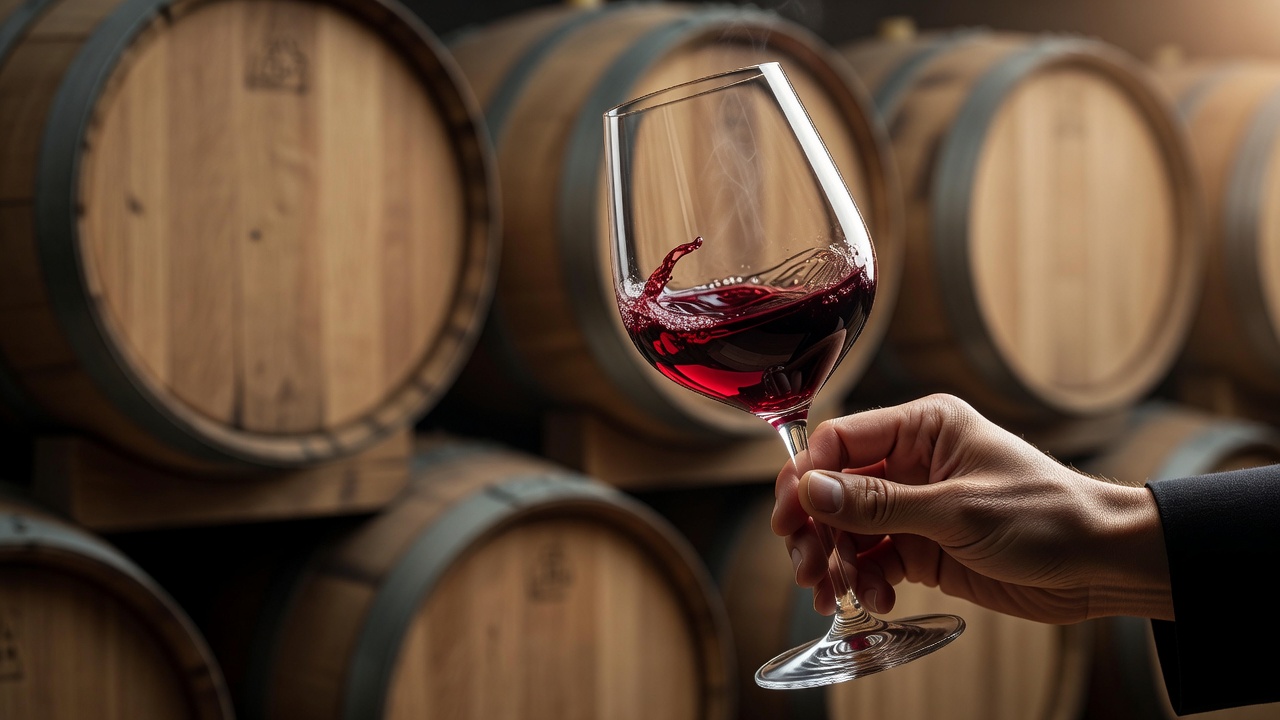
Barrel toasting ranges from light to heavy. Light toast yields subtle vanilla and almond notes ideal for elegant Pinot Noir. Medium toast brings balanced spice and toast that complements Merlot and Syrah. Heavy toast produces espresso, dark chocolate, and char flavors suited to powerful Cabernet or aged Tempranillo. Winemakers sometimes use a mix of toast levels within the same blend to create layered complexity.
Step-by-Step Tips for Identifying Oaked Wines During Tasting
- Observe color: Oaked whites often appear deeper gold; oaked reds may show brick edges sooner.
- Swirl and sniff: Look for vanilla, toast, or coconut alongside primary fruit.
- Taste for texture: Oak adds creamy mouthfeel or drying tannins that linger.
- Check finish: Spice or wood notes that persist after swallowing indicate oak influence.
- Compare with unoaked counterparts to isolate the oak signature.
- Note barrel age clues: Very new oak shows prominent coconut or dill while older barrels offer softer cedar.
Oaked Versus Unoaked Styles with Examples
Unoaked wines emphasize pure fruit and acidity. Examples include many New Zealand Sauvignon Blancs, Beaujolais Nouveau, and stainless-steel fermented Pinot Grigio from Italy. Oaked versions layer complexity: consider a barrel-aged California Chardonnay versus an unoaked Chablis, or a Napa Cabernet versus a fresh Loire Valley Cabernet Franc. A classic oaked white is Meursault from Burgundy, while an unoaked counterpart might be a simple Muscadet. For reds, try an oaked Rioja Reserva against a young unoaked Côtes du Rhône. The choice depends on whether you prefer fruit-forward vibrancy or layered depth.
When Oak Enhances or Overwhelms Wines
Oak enhances wines with ripe fruit and firm structure, such as full-bodied reds or rich whites. It can overwhelm delicate varieties like Pinot Grigio or light rosé, masking their natural freshness. High-quality oak used judiciously supports balance; excessive new barrels or long aging can dominate, leaving wines tasting woody rather than fruity. Always taste before committing to a case. Over-oaked wines often show a disconnect between aroma and flavor, with wood dominating the mid-palate and finish.
Practical Advice on Selecting Bottles
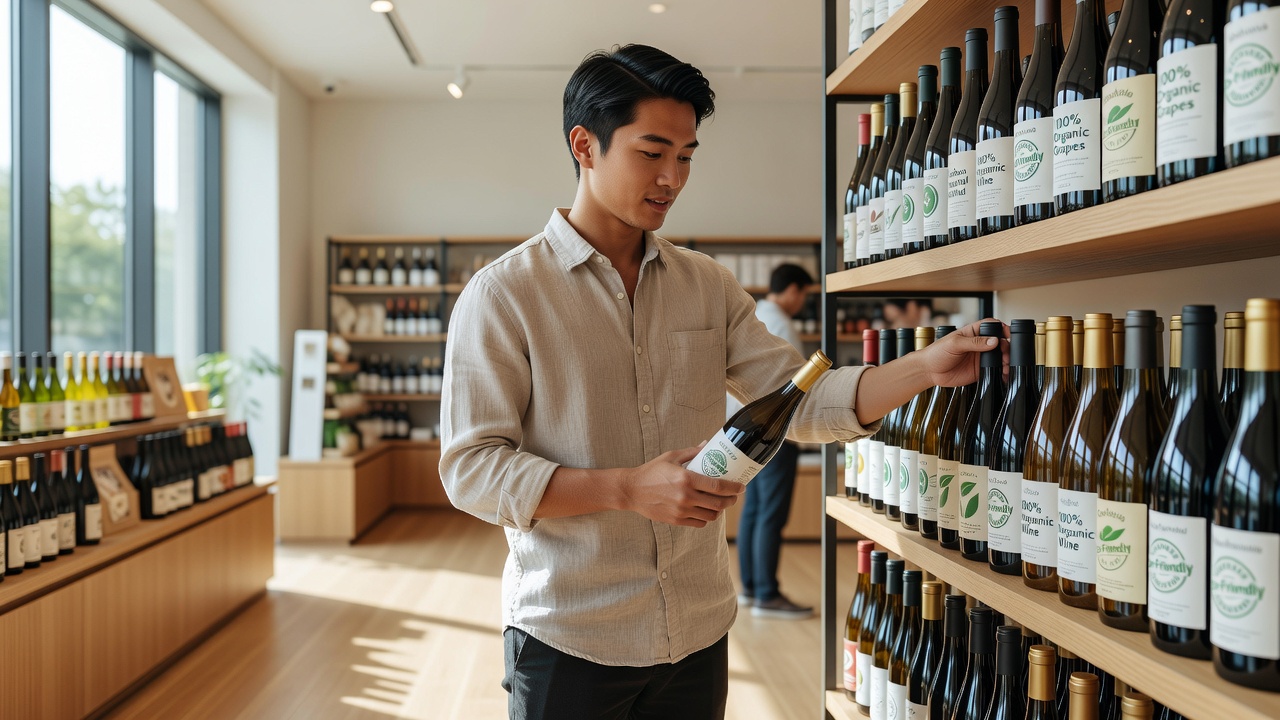
Start with well-known regions: Burgundy for subtle French oak influence or California for bolder American oak expressions. Read technical sheets or producer websites for barrel details. Visit Decanter for tasting notes and Wine Institute for educational resources. Experiment with mixed cases and keep notes on your preferences. Look for vintages where the fruit was ripe enough to stand up to oak, and consider screw-cap or synthetic closures on oaked wines as they can still benefit from barrel aging before bottling. Pay attention to alcohol levels—higher alcohol wines often pair better with oak because they carry the weight of the wood.
Short FAQ on Oak in Winemaking
Does all wine age in oak?
No. Many fresh, fruit-driven wines are aged in stainless steel or concrete to preserve primary aromas.
How long does oak aging typically last?
Three to eighteen months is common, though some premium wines spend longer periods in barrel.
Can I taste oak in young wines?
Yes, especially if new barrels were used; the vanilla and spice notes appear early.
Is French oak always better than American?
Neither is universally superior; each suits different grape varieties and styles.
Do screw-cap wines use oak?
Many do—oak influence can come from barrels before bottling under screw cap.
No comments yet. Be the first!