 Uncorked Conversations

Introduction to Sustainable Wine for Beginners
Choosing wine responsibly has become a priority for new drinkers in 2026. Sustainable practices in winemaking focus on protecting the environment while delivering quality bottles that beginners can enjoy without complexity. This guide covers the fundamentals of sustainable, organic, and biodynamic methods, helping you make informed selections that align with eco-conscious values. As more consumers seek ways to reduce their environmental footprint, understanding these options becomes essential for anyone starting their wine journey.
Whether you are shopping at a local store or exploring online selections, understanding these practices empowers you to support vineyards that prioritize soil health, water conservation, and biodiversity. Beginners often start with simple questions about what makes a wine sustainable, and this article provides clear answers through practical comparisons and steps. The growing availability of certified options means that responsible choices are no longer limited to premium segments but are accessible for everyday enjoyment.
Understanding Sustainable, Organic, and Biodynamic Practices
Sustainable winemaking integrates environmental stewardship with economic viability and social responsibility. Vineyards reduce chemical use, conserve resources, and often engage in community initiatives that support local ecosystems. This approach balances productivity with long-term land preservation, ensuring that future generations can continue producing quality grapes. Organic practices go further by prohibiting synthetic pesticides and fertilizers, relying instead on natural alternatives like compost, cover crops, and beneficial insects to maintain vineyard health.
Biodynamic methods build on organic principles with a holistic approach, treating the vineyard as a self-sustaining ecosystem. This includes following lunar cycles for planting and using specific preparations to enhance soil vitality. These approaches differ from conventional methods that may rely more heavily on chemical inputs for higher yields. Beginners benefit from recognizing that each level adds layers of environmental care, from basic resource management in sustainable farming to the intricate balance required in biodynamics.
Key Certifications to Look For
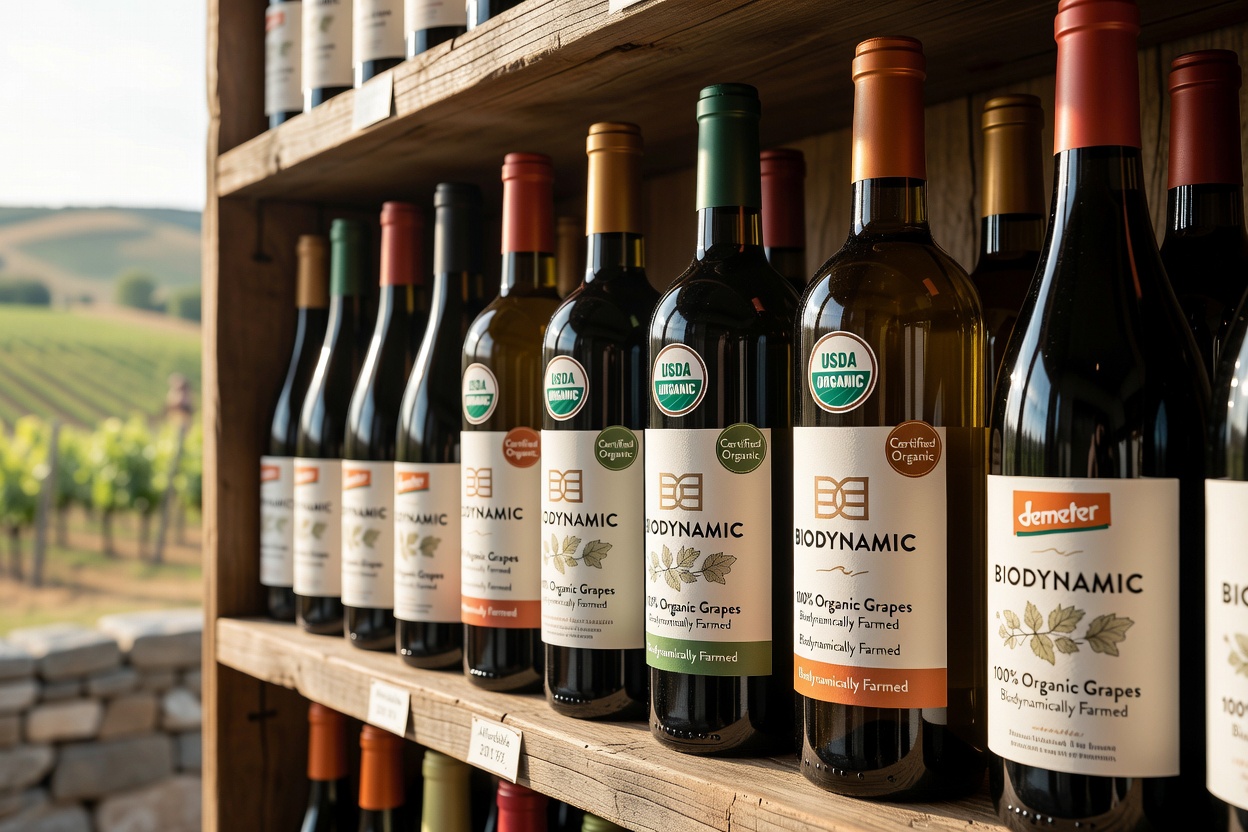
Certifications provide reliable verification of sustainable claims. Look for USDA Organic on labels for assurance that no synthetic chemicals were used throughout production. Demeter certification signals biodynamic adherence, while other seals like SIP Certified indicate sustainable practices in California vineyards. Additional reputable marks include EU Organic for European imports and LIVE for Pacific Northwest producers who emphasize both environmental and social standards.
These labels help beginners avoid greenwashing by providing third-party verification rather than vague marketing terms. Always check for official seals near the producer name or back label. Official bodies such as the USDA maintain strict standards that ensure authenticity, giving new drinkers confidence in their selections.
Environmental Impacts of Wine Production
Conventional wine production can contribute to soil degradation, water pollution, and high carbon emissions from pesticides and transportation. Runoff from chemical fertilizers affects nearby waterways, while heavy machinery use increases energy consumption. Sustainable alternatives mitigate these issues by promoting regenerative agriculture that improves soil health and reduces runoff through practices like mulching and hedgerow planting.
Water usage is another critical factor, as vineyards in arid regions face increasing scrutiny amid climate challenges. Sustainable producers implement drip irrigation and recycling systems to minimize waste. The EPA highlights how agricultural runoff affects waterways, underscoring the value of eco-friendly choices that protect both local and global environments.
How to Read Wine Labels Like a Pro
Start by scanning for certification logos near the producer name or back label. Terms like "made with organic grapes" indicate partial compliance, while full "organic" means the entire process meets standards from vineyard to bottling. Pay attention to harvest dates and regional information, as these can hint at climate-adapted growing methods that require fewer interventions.
Check the vintage and region for clues about climate-friendly practices. Vintage charts from reputable sources can reveal years with lower intervention needs due to favorable weather. Avoid assuming sustainability from words like "natural" alone, as they lack standardized meaning. Cross-reference any claims with known certification databases to confirm legitimacy before purchasing.
Conventional vs. Sustainable Wines: A Clear Comparison
Understanding the differences helps beginners make deliberate decisions. Conventional wines often prioritize volume through synthetic inputs that can mask subtle flavors, while sustainable wines emphasize vine health for more expressive results. Environmental footprint varies significantly, with sustainable options typically lowering emissions through reduced chemical transport and on-site energy solutions.
- Production Methods: Conventional often uses synthetic inputs; sustainable emphasizes natural processes and biodiversity.
- Environmental Footprint: Sustainable options typically lower emissions and preserve soil and water resources.
- Taste Profile: Many beginners notice brighter fruit notes in sustainable wines due to healthier vines and minimal manipulation.
- Availability: Entry-level sustainable bottles are increasingly common in standard retail sections alongside conventional choices.
The differences become evident when comparing bottles side by side. Sustainable wines often reflect terroir more distinctly because of reduced manipulation during fermentation and aging.
Practical Steps for Spotting Affordable Sustainable Bottles
- Visit stores with dedicated organic sections and ask staff for recommendations that fit everyday budgets.
- Use apps that scan labels for certification details before purchasing to verify claims quickly.
- Start with well-known entry-level producers who offer certified lines that maintain consistent quality.
- Compare multiple bottles in person to evaluate label clarity and seal presence for authenticity.
- Explore online retailers that filter by certification to discover new options from smaller estates.
Real examples include certified organic options from established regions like California or Chile, which provide reliable entry points for new drinkers seeking approachable flavors without complexity.
Real-World Examples of Entry-Level Sustainable Picks
Beginners can start with bottles from producers who have built reputations for accessible sustainable lines. Look for California wines carrying SIP Certified seals or Chilean options with organic certification that deliver straightforward red and white varieties. These examples demonstrate how sustainable practices translate into balanced, fruit-forward profiles suitable for casual sipping or pairing with simple meals.
Expanding your exploration might include trying vintages from Pacific Northwest vineyards using LIVE certification, which often feature crisp whites ideal for beginners. Such choices illustrate the practical side of sustainability without requiring advanced tasting skills.
Short FAQ on Sustainable Wine
Do sustainable wines taste different?
Many drinkers report fresher, more vibrant flavors, though individual preferences vary. The focus on vine health often enhances natural fruit expression compared to heavily treated conventional grapes.
Are sustainable wines worth the value?
They frequently deliver comparable quality to conventional options while supporting long-term environmental health, making them a responsible choice for beginners building their collection.
How do I start if I'm on a tight budget?
Focus on certified entry-level bottles from larger sustainable producers that appear in regular store sections, gradually expanding as you identify favorites.
Conclusion
Embracing sustainable wine choices in 2026 allows beginners to enjoy their selections with greater awareness. By focusing on certifications, label details, and environmental considerations, you can build a collection that feels both enjoyable and responsible. Start small, explore options, and let these principles guide your future purchases for a more informed approach to wine drinking.

No comments yet. Be the first!