 Uncorked Conversations
Introduction: Building Confidence for Your First Winery Adventure
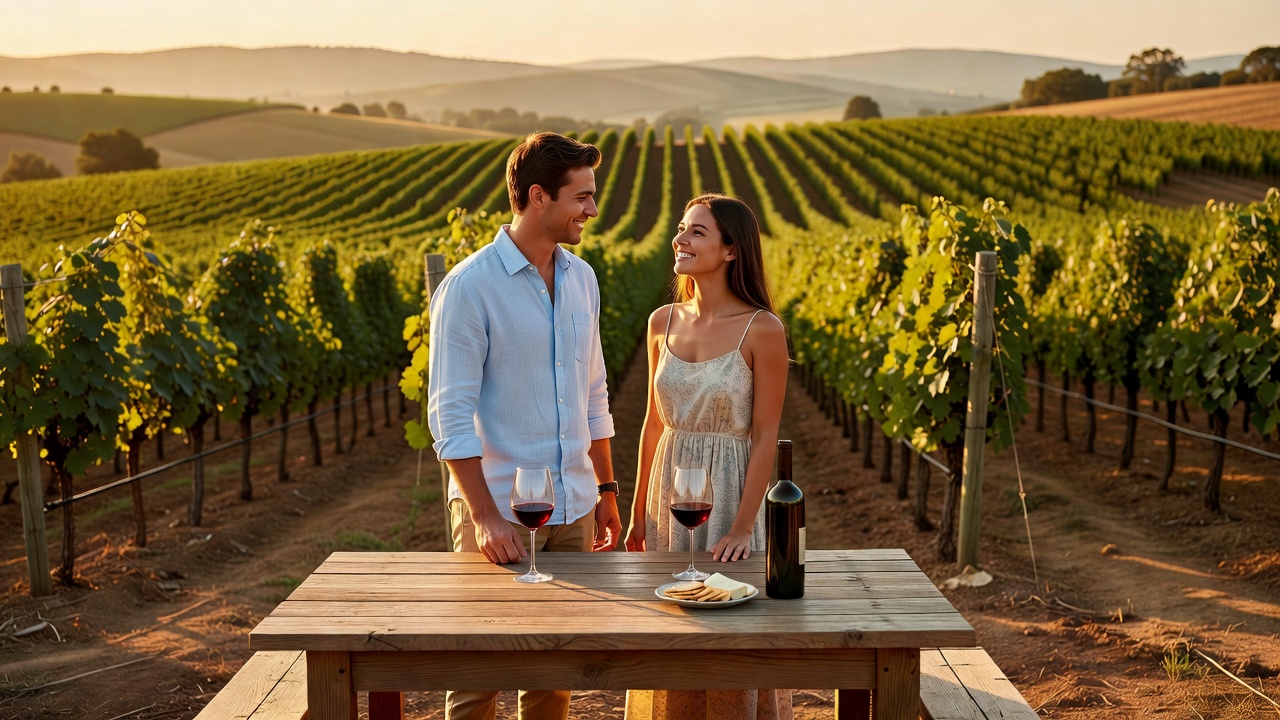
Embarking on your first winery visit can feel exciting yet intimidating if you are new to wine. This comprehensive guide helps beginners prepare thoroughly so the day becomes an enjoyable educational experience rather than an overwhelming one. Understanding the basics transforms the outing into a rewarding journey through flavors, history, and craftsmanship. Many newcomers worry about etiquette or appearing inexperienced, but wineries are generally welcoming places that appreciate genuine curiosity. By planning ahead, you can focus on discovery instead of nerves. This article walks through every stage from choosing a destination to reflecting on your tastings afterward, ensuring you leave with both great memories and new knowledge about wine.
Selecting the Right Winery for Beginners
Start by choosing wineries that welcome novices. Look for properties offering introductory tastings, shorter tours, and relaxed atmospheres instead of advanced technical sessions. Many small family-owned estates provide personalized attention and simpler explanations of the winemaking process. Research online reviews and websites to confirm they cater to first-timers. Popular beginner-friendly regions include California's Napa and Sonoma valleys, where numerous tasting rooms emphasize education alongside enjoyment. Pay attention to tasting room descriptions that mention "casual," "educational," or "all levels welcome." Avoid locations that only host private events or focus exclusively on high-end collectors. Checking recent visitor photos and reviews can reveal whether the setting feels approachable or overly formal. Consider proximity to other attractions if you want to combine your visit with lunch or sightseeing.
Understanding Tour Formats and Making Reservations
Winery visits typically come in several formats: seated tastings, guided vineyard walks, or behind-the-scenes production tours. Reservations are essential at most reputable locations, especially on weekends. Book in advance through the winery's website or platforms like Tock. Confirm details such as group size limits and any required deposits. This preparation ensures you secure a spot that matches your experience level and schedule. When booking, ask about the number of wines included, whether food pairings are offered, and if the tour involves walking on uneven terrain. Some wineries now offer virtual options or hybrid experiences, but in-person visits remain the most immersive. Weekday mornings often provide quieter, more intimate sessions ideal for asking questions without pressure.
What to Expect During a Wine Tasting
A standard tasting involves sampling several wines while learning about aromas, flavors, and pairings. Staff pour small amounts and often provide tasting notes. You will discuss acidity, tannins, and body in approachable language. Many sessions last 45 to 90 minutes. Focus on enjoying the process rather than memorizing every detail on your first visit. The ritual usually starts with visual inspection of color and clarity, followed by swirling to release aromas, then nosing and sipping. Take your time with each step. If you are unsure how to describe a wine, simply note whether you like it and why. Staff are accustomed to beginners and will happily rephrase technical terms into everyday language.
Packing Essentials for a Smooth Visit
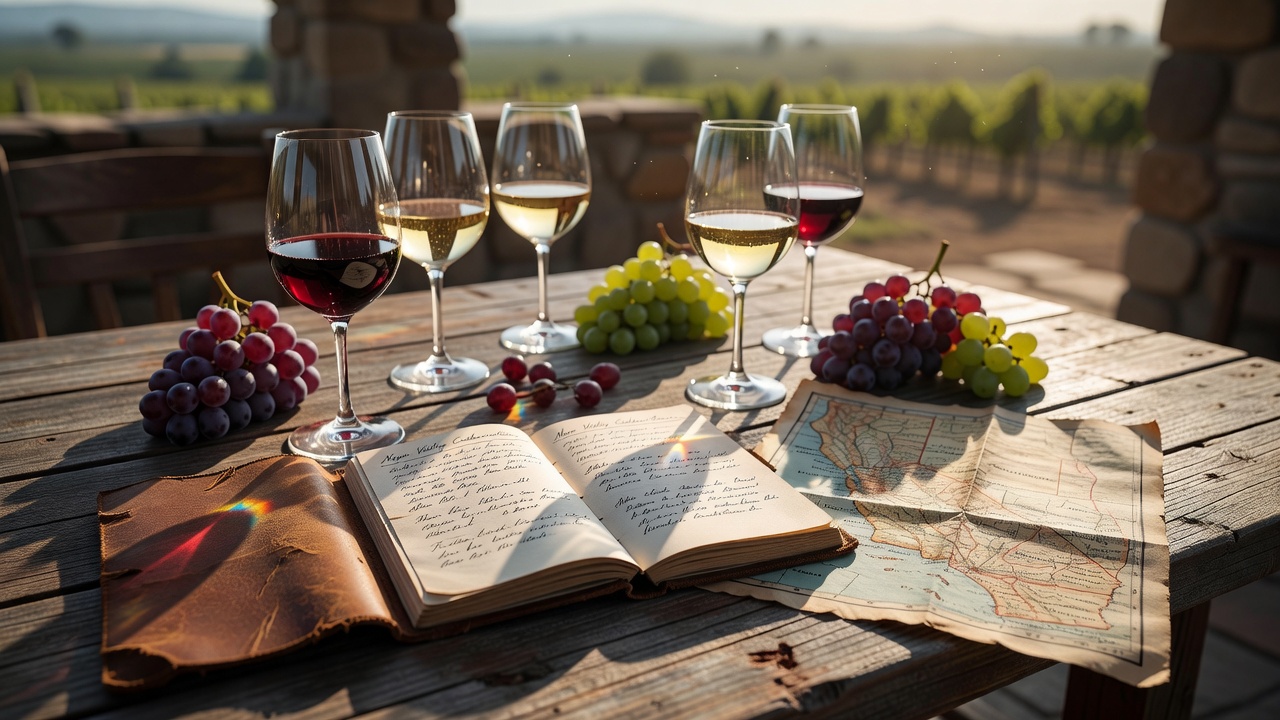
Bring a small notebook and pen to jot down tasting impressions, grape varieties, and favorite bottles. A reusable water bottle keeps you hydrated between sips. Wear comfortable shoes for walking through vineyards and layers for changing weather. Sunglasses and sunscreen protect against sun exposure outdoors. Avoid strong perfumes that can interfere with wine aromas. Additional useful items include a reusable tote for any purchases, cash for tipping if customary, and a portable phone charger since photos and navigation drain batteries quickly. If you have dietary restrictions, mention them when booking so staff can accommodate or suggest alternatives.
Questions to Ask Winemakers and Staff
Prepare thoughtful questions to deepen your understanding. Ask about the grape-growing climate, fermentation methods, or food pairing suggestions. Inquire how weather affected the current vintage or why they chose specific oak barrels. These conversations often reveal fascinating stories behind each bottle and help you connect personally with the wine. Sample questions include: "What makes this vineyard's soil unique?" "How do you decide when to harvest?" and "Which wine would pair best with a simple pasta dish?" Listening actively shows respect and encourages staff to share insider tips that are not printed on the tasting sheet.
Transportation Tips and Logistics
Designate a driver or use rideshare services if you plan to taste multiple wines. Some regions offer shuttle options or bike tours for scenic travel between estates. Check parking availability ahead of time and consider arriving early to avoid crowds. Always prioritize safety when consuming alcohol. Public transit or designated driver apps can simplify logistics in busy areas like Napa. If traveling with a group, coordinate pickup times in advance. Many wineries now partner with local transportation providers to offer package deals that include safe rides home.
Group Visits Versus Solo Experiences
Visiting with friends creates a social atmosphere perfect for sharing impressions. Groups can split costs on shared bottles or private tastings. Solo visits allow deeper focus on individual wines and direct conversations with staff. Both formats work well; choose based on your comfort level and learning goals. In a group, assign one person to take notes so everyone can participate fully. Solo visitors often receive more one-on-one attention and can linger longer at each station. If you feel shy about asking questions alone, remember that winemakers enjoy teaching newcomers regardless of group size.
Beginner-Friendly Wine Regions with Real-World Examples
California's Sonoma County offers approachable tasting rooms with stunning views. Oregon's Willamette Valley provides intimate settings ideal for learning about Pinot Noir. New York's Finger Lakes region features cool-climate wines and friendly producers eager to explain their craft. These areas consistently rank high for first-time visitors seeking educational yet relaxed environments. For more on U.S. wine regions, explore resources from the Wine Institute. Another excellent starting point is Washington state's Columbia Valley, known for its wide range of grape varieties and welcoming producers who often host informal educational sessions.
Simple Checklist for the Day of Your Visit
- Confirm reservation details the day before
- Pack notebook, water, comfortable attire, and ID
- Review winery website for tasting fees and policies
- Plan transportation and backup routes
- Prepare 3-5 questions about the wines
- Set a budget for purchases if you find favorites
- Allow extra time for photos and exploration
- Research basic tasting etiquette such as proper glass handling
- Download offline maps in case of poor cell service
- Decide in advance whether you prefer to spit or swallow samples
Common Mistakes Beginners Should Avoid
One frequent error is rushing through pours without pausing to observe aromas. Another is skipping water between wines, which dulls the palate. Avoid wearing heavy cologne or eating strongly flavored foods beforehand. Do not feel pressured to purchase every bottle you taste. Finally, remember that wineries appreciate honest feedback more than forced compliments.
FAQ: Common Concerns for First-Time Visitors
How much does a typical tasting cost?
Fees vary by location and format but often range from complimentary to moderate per person depending on the number of wines sampled. Always verify current pricing directly with the winery.
Should I spit or swallow the wine?
Spitting is perfectly acceptable and common during professional tastings to stay clear-headed. Many provide spittoons for this purpose. Swallowing small amounts is also fine if you prefer and feel comfortable doing so.
What if I do not like a wine?
Politely move to the next pour without finishing. Staff appreciate honest feedback and often suggest alternatives based on your preferences.
Can I bring children or pets?
Policies differ by winery. Call ahead to confirm rules, as many locations welcome families while others focus on adult tastings only.
Conclusion: Turning Your Visit into an Ongoing Wine Journey
With thoughtful preparation, your first winery visit becomes the foundation for a lifelong appreciation of wine. Use this guide to approach each tasting with curiosity and confidence. Over time, you will develop personal tastes and favorite regions while building meaningful connections to the people who craft these beverages. Start planning today and enjoy the discovery ahead. Additional insights on wine education are available from Wine Folly and Decanter.
No comments yet. Be the first!