 Uncorked Conversations
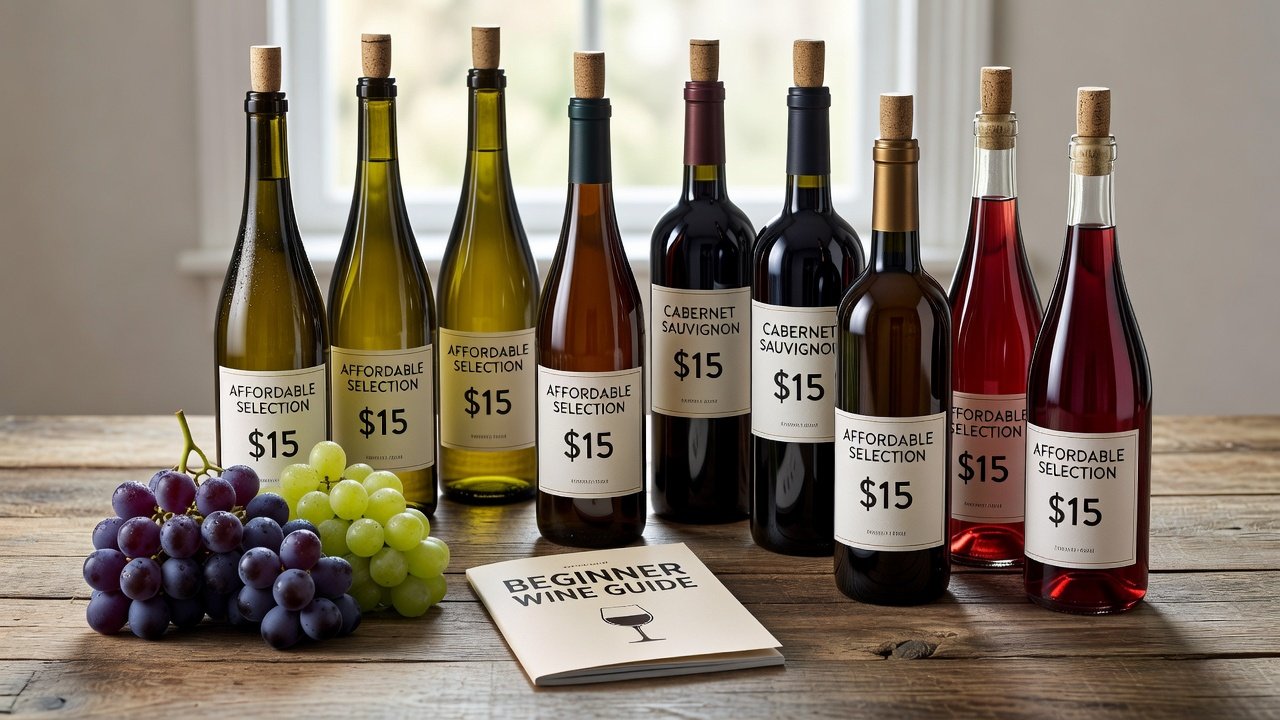
Introduction to Affordable Wine Discovery
Finding enjoyable wines without spending much is possible when you know what to look for. In 2026, many supermarkets and wine shops stock solid options that deliver flavor and complexity well beyond their price point. This guide helps beginners navigate the shelves confidently, focusing on practical skills rather than hype. The world of wine can feel overwhelming with thousands of bottles available, yet value-driven choices exist across every major category. Beginners often start by exploring supermarket aisles or local shops where entry-level bottles from well-known producers sit alongside lesser-known gems from smaller importers.
Understanding value starts with ignoring fancy marketing and focusing on origin, grape, and vintage clues. Quality does not require high cost when you target regions known for over-delivery. Many consumers assume that lower prices mean lower quality, but climate, production scale, and efficient distribution allow certain areas to produce excellent wines at accessible levels. This approach turns every shopping trip into an opportunity for discovery while keeping costs manageable for regular enjoyment.
How to Read Wine Labels Like a Pro
Start at the front label for the producer name, grape variety, and region. The back label often lists alcohol percentage, importer details, and tasting notes. Look for alcohol levels between 12% and 14% for balanced everyday drinking. Vintage year matters less for budget bottles but avoid anything older than three years for lighter styles. Additional clues include the presence of a vintage date, which indicates the harvest year, and any certifications such as organic or sustainable practices that sometimes appear on the label.
Check for protected designations like DOC or AOC, which signal regulated production standards. Avoid bottles with overly colorful or cartoonish labels unless you recognize the producer from trusted reviews. Learning to spot the difference between a varietal wine and a blend helps narrow choices quickly. For instance, a bottle labeled simply as "Chardonnay" usually contains at least 75 percent of that grape in most regions. Practice by comparing two labels side by side in the store to build familiarity with common terms.
Best Grape Varieties and Regions for Value
Certain grapes shine at lower prices. Sauvignon Blanc from Chile or South Africa offers crisp citrus notes. Malbec from Argentina delivers soft tannins and dark fruit. Spanish Tempranillo and Portuguese Vinho Verde provide refreshing options that pair easily with meals. These varieties adapt well to varied climates, resulting in consistent quality even from large-scale producers who keep prices competitive.
Regions such as Mendoza in Argentina, Maipo Valley in Chile, and the Loire Valley in France consistently produce affordable bottles with character. These areas benefit from favorable growing conditions that keep costs down while maintaining quality. Additional value hotspots include parts of Australia like the Riverland and South African regions around Stellenbosch, where abundant sunshine and modern winemaking techniques produce approachable reds and whites. Experimenting across these zones reveals patterns in flavor profiles that match personal preferences over time.
Decanter regularly highlights emerging value regions worth exploring.
Step-by-Step In-Store Buying Checklist
- Scan the shelf for vintages from the last two years.
- Compare three bottles of the same grape from different producers.
- Read the importer name—smaller importers often select better value wines.
- Feel the bottle temperature; store conditions affect quality.
- Choose screw caps for fresher whites and lighter reds.
- Examine the fill level to ensure the cork or cap shows no leakage signs.
- Note any shelf talkers or staff recommendations and cross-check with your own label research.
Simple Evaluation Methods at Home
Pour a small amount and observe color against a white background. Swirl to release aromas, then note primary fruit, earth, or spice notes. Taste and assess acidity, tannin, and finish length. A good budget wine should taste clean with at least two distinct flavors. Repeat the process after letting the wine breathe for ten minutes to see how it evolves. This simple ritual builds sensory memory and helps identify what you enjoy most.
Keep a simple notebook to track what you enjoy. Over time patterns emerge that speed up future purchases. Consider using a basic rating scale from one to five for aroma, taste, and overall balance. Many beginners find that pairing the tasting session with food reveals new dimensions in the wine that might not appear when sipped alone.
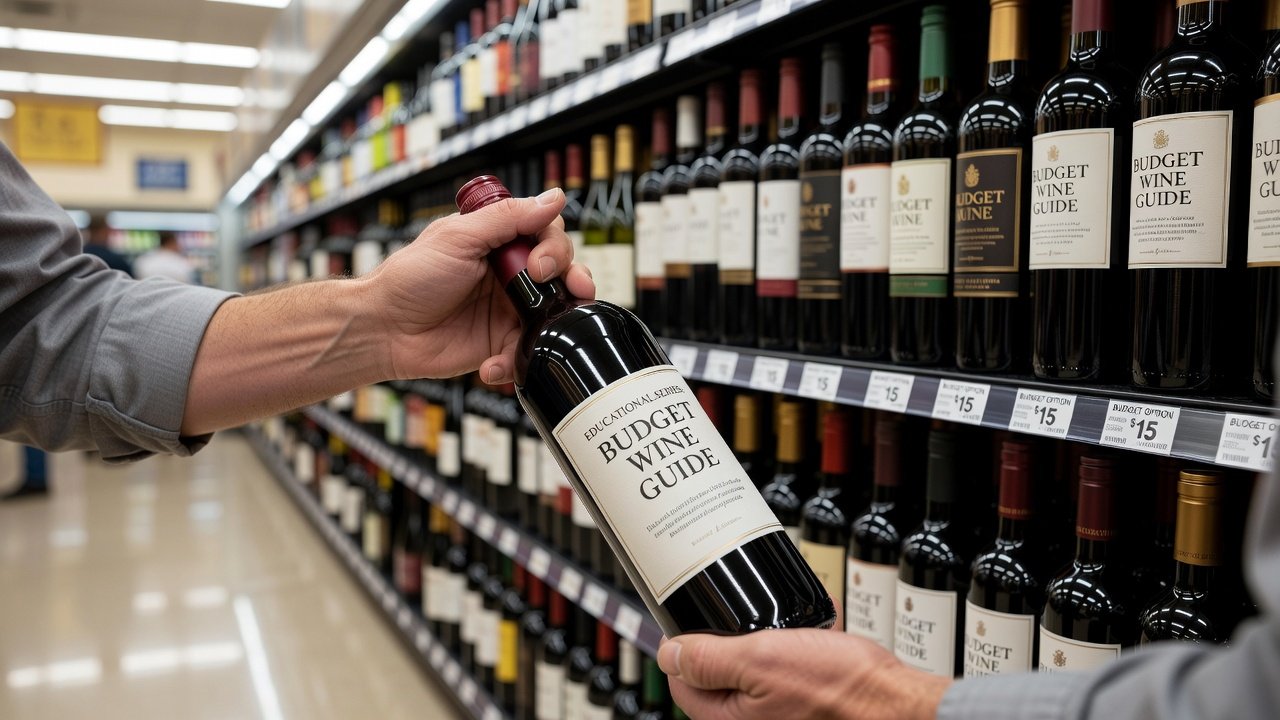
Comparisons Between Popular Budget Options
When deciding between similar bottles, consider grape ripeness and winemaking style. A Chilean Cabernet Sauvignon often shows riper fruit and softer tannins compared to a Spanish Tempranillo, which may lean toward earthier notes. Argentine Malbec tends to offer more plush texture than a basic Australian Shiraz at the same level. Testing these differences side by side clarifies which style suits your palate without extra expense. Over several weeks, rotating through one red and one white from different countries builds a broader reference point for future decisions.
Everyday Meal Pairing Ideas
- Chardonnay with roast chicken or creamy pasta.
- Merlot with grilled burgers or mushroom dishes.
- Rosé with salads, seafood, or spicy takeout.
- Sparkling options with brunch eggs or appetizers.
- Sauvignon Blanc with goat cheese salads or herb-roasted vegetables.
- Tempranillo with tomato-based pasta sauces or grilled sausages.
These combinations work because acidity cuts through fat while fruit complements savory elements. Adjusting pairings based on preparation method, such as choosing lighter whites for steamed fish versus bolder reds for barbecued meats, refines the experience further. Simple weeknight meals become more enjoyable when the wine enhances rather than overwhelms the flavors on the plate.
Real-World Examples of Wines to Try
Look for recognizable producers such as Concha y Toro from Chile for Cabernet Sauvignon or Casillero del Diablo for approachable reds. In whites, try Santa Margherita Pinot Grigio or similar entry-level bottles from established importers. Rotate through three different countries each month to build tasting experience. Other reliable starting points include Casillero del Diablo Carmenère from Chile, which offers herbal and berry notes, or a basic Vinho Verde from Portugal for its light spritz and citrus character. These examples appear consistently across many retail locations and provide dependable quality for new enthusiasts.
Common Pitfalls to Avoid
Do not buy based solely on medals or shelf talkers. Skip bottles stored near windows or heaters. Avoid assuming higher alcohol equals better quality. Never store opened bottles upright for more than a day. Additional mistakes include overlooking the closure type—screw caps often preserve freshness better than low-quality corks—and ignoring the recommended serving temperature, which can mute flavors if the wine is too cold or too warm. Taking a moment to research one or two producers online before purchase prevents repeated disappointments.
FAQ: Freshness and Storage for Low-Cost Bottles
How long do budget wines stay fresh after opening?
Most last two to three days when recorked and refrigerated. Whites and rosés often improve slightly on day two.
Should I age inexpensive wines?
No. Drink them within 12 to 18 months of purchase for best results.
What is the ideal storage spot at home?
A cool, dark closet away from appliances works fine. Consistent temperature matters more than perfect humidity for short-term storage.
Can I freeze leftover wine for later use?
Freezing works for cooking purposes but changes texture for drinking. Use ice cube trays for portion control in recipes.
Wine Spectator offers additional beginner storage advice on their site. For broader community insights, Wine Enthusiast publishes regular guides on value selections.
Conclusion
Quality wines under $15 exist in abundance when you apply label knowledge, focus on proven regions, and follow simple evaluation steps. Start with one new bottle each week and refine your preferences over time. The journey into wine becomes both affordable and rewarding with these fundamentals. Consistent practice transforms initial uncertainty into confident selections that enhance meals and social occasions alike.
No comments yet. Be the first!