 Uncorked Conversations
Introduction to Affordable Wine Exploration
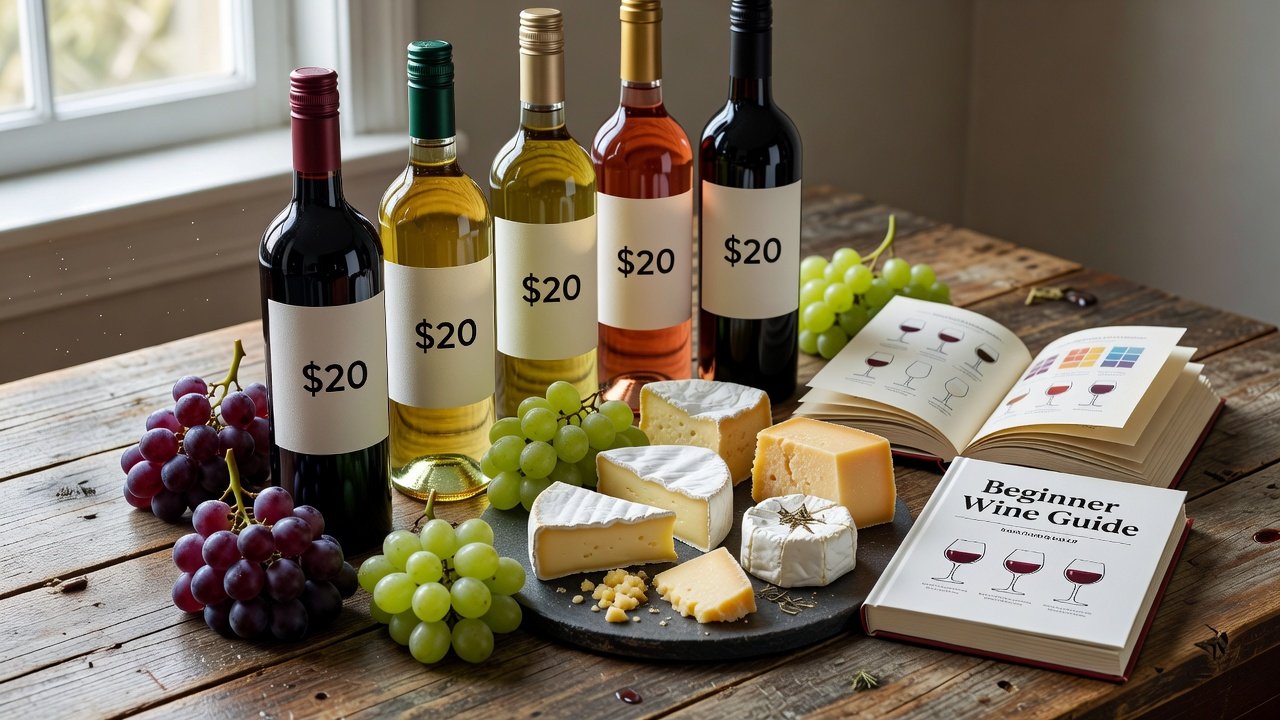
Embarking on your wine journey in 2026 does not require a large budget. Many excellent bottles deliver impressive flavor and complexity for under $20, allowing beginners to experiment freely while building foundational knowledge from core Wine 101 principles. This comprehensive guide focuses on practical strategies to identify value-driven options that deliver quality without high costs. By understanding how to read labels, recognize strong value indicators, and apply systematic evaluation methods, you can navigate store shelves confidently and discover wines that suit everyday drinking.
Affordable wines often originate from high-volume regions that prioritize consistent quality over prestige. These selections provide opportunities to explore diverse flavor profiles while reinforcing essential concepts like acidity balance, tannin structure, and aroma identification. Experimentation at this price level builds confidence because the financial risk remains low, encouraging repeated tastings that sharpen your palate over time.
Spotting Value Indicators on Wine Labels
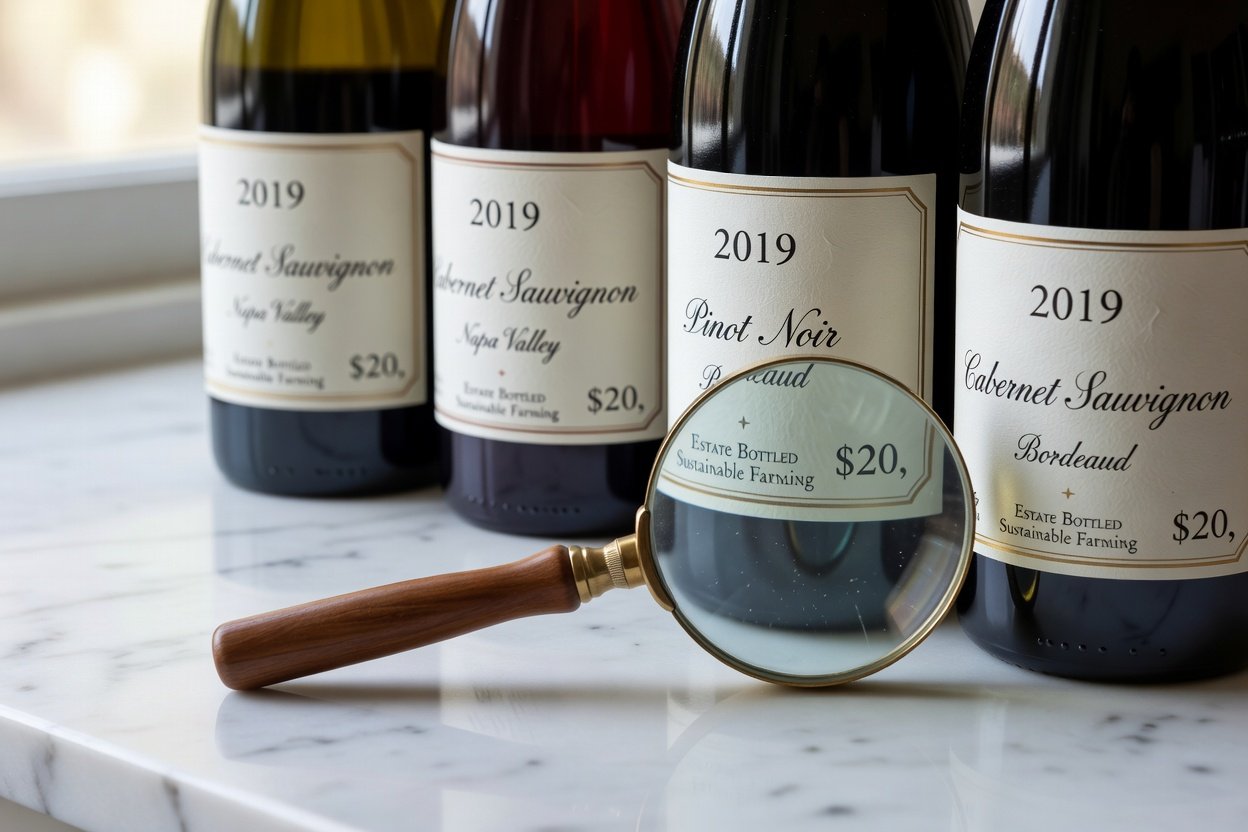
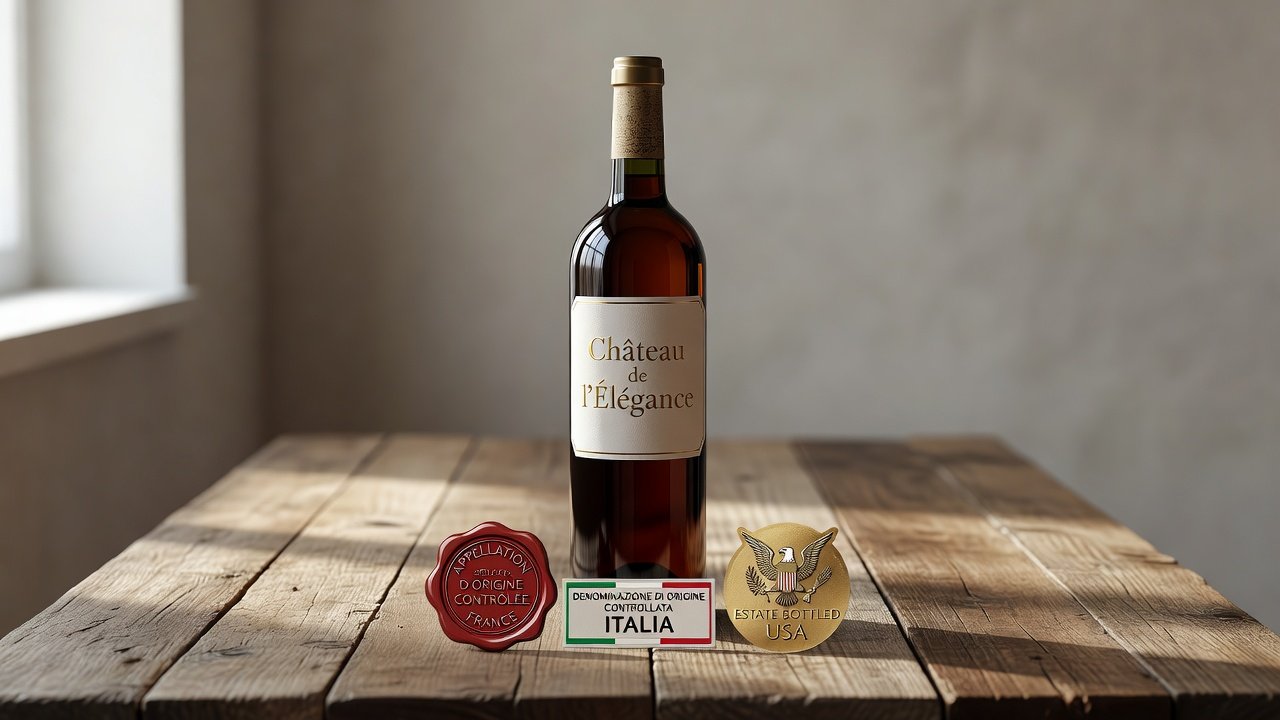
Labels serve as the primary source of information for assessing potential quality. Key elements include the vintage year, which indicates the harvest season and can influence flavor development, grape variety or blend details, and the specific region or appellation of origin. Wines from lesser-known areas frequently provide stronger value than those bearing famous names, as production costs stay lower while climate conditions support excellent fruit expression.
Look for certifications such as organic, biodynamic, or sustainable farming practices, which sometimes appear on budget bottles from conscientious producers. Producer reputation offers another reliable clue; family-owned estates and smaller importers often maintain quality standards across multiple vintages. Avoid labels featuring vague marketing terms like "reserve" or "special selection" without supporting details, as these can sometimes indicate mass-produced wines rather than standout value. Checking alcohol by volume helps gauge style, with most balanced everyday wines falling between 12 and 14 percent ABV.
Recommended Grape Varieties and Regions for Value
Several grape varieties consistently deliver appealing profiles at accessible prices. Sauvignon Blanc from Chile or South Africa offers bright citrus, green apple, and herbal notes with refreshing acidity. Malbec from Argentina presents dark fruit, plum, and soft tannins that appeal to new drinkers. For reds, Garnacha from Spain provides juicy strawberry and spice characteristics, while Pinot Noir from Eastern Europe or lesser-known California areas yields elegant red fruit without premium pricing.
Strong value regions include Portugal's Douro Valley for crisp whites and structured reds, South Africa's Western Cape for versatile blends, and California's Central Valley for approachable everyday bottles. These locations benefit from favorable growing conditions that reduce costs while preserving flavor intensity and balance. Additional options come from Italy's Puglia region for bold reds and Australia's Hunter Valley for aromatic whites that pair well with casual meals.
Step-by-Step Evaluation Methods
Start your evaluation by noting the ABV on the label to understand body and potential alcohol warmth. Next, research the producer through reliable online resources or mobile applications to review past vintages and typical tasting notes. At the physical store, examine the closure type: screw caps often maintain freshness better in lower-priced wines by preventing cork taint.
Consider the retail environment as well. Specialty shops frequently stock more thoughtfully curated selections from smaller importers, while supermarkets emphasize widely available brands with consistent but sometimes less distinctive character. Compare a few bottles side by side when possible to observe differences in color, aroma intensity, and finish length. This methodical approach turns each purchase into a learning opportunity aligned with fundamental Wine 101 education.
Real-World Examples and Comparisons
Supermarket selections often feature large-scale producers offering reliable consistency across batches, making them convenient for beginners seeking familiar styles. In contrast, specialty shop options may highlight unique regional expressions from smaller estates, providing more distinctive aromas and textures. Trying both sources helps illustrate how distribution channels influence availability and character.
Practical examples include exploring Sauvignon Blanc from multiple countries to compare herbal versus tropical fruit expressions, or sampling Malbec alongside Garnacha to understand tannin differences. Such comparisons train the palate to recognize primary fruit notes, secondary spice or oak influences, and overall balance without requiring expensive bottles.
Common Pitfalls to Avoid When Hunting Bargains
- Selecting based solely on deep discounts without verifying the vintage date, as older stock may have lost vibrancy.
- Ignoring storage conditions at the retailer, since prolonged heat or light exposure can damage even well-made wines quickly.
- Overlooking how food pairings affect perception, which may make an otherwise good wine taste unbalanced during a meal.
- Assuming every low-priced bottle lacks quality; many regions produce outstanding everyday wines that reward careful selection.
- Skipping label details such as importer information or alcohol level, which provide clues about authenticity and style.
Pairing Budget Wines with Everyday Meals
Versatile whites such as Sauvignon Blanc complement salads, grilled seafood, chicken dishes, or vegetable-based pastas by cutting through richness with bright acidity. Reds like Malbec or Garnacha pair effectively with grilled meats, tomato-based sauces, pizza, or hearty sandwiches, where their fruit-forward profiles match bold flavors without overpowering them.
Match the wine's body and acidity level to the meal's intensity for harmonious results. Lighter styles suit delicate proteins, while fuller expressions handle richer sauces. This practical pairing strategy enhances both the food and the drinking experience, turning routine dinners into opportunities for deeper appreciation.
FAQ on Storage and Aging for Budget Selections
How should beginners store wines under $20?
Store bottles in a cool, dark location away from direct sunlight and temperature fluctuations. Screw-cap bottles may stand upright, while cork-closed wines benefit from horizontal positioning to keep the cork moist and maintain an airtight seal.
Can budget wines improve with aging?
Most selections at this price point are crafted for immediate consumption within one to three years of release. Their aging potential remains limited compared to higher-end wines, so enjoying them young preserves optimal freshness and fruit character.
What steps help if a bottle tastes off?
Return the bottle to the retailer if purchased recently. Note the producer and vintage for future reference, as common issues often stem from oxidation due to improper storage rather than inherent quality flaws.
Building Confidence Through Affordable Experimentation
Regular tasting of varied affordable options reinforces Wine 101 fundamentals such as identifying acidity, sweetness, tannins, and body. Keep simple tasting notes after each bottle to track preferences and patterns over time. Resources from established organizations support ongoing learning and help refine selection skills.
Conclusion
Developing wine confidence begins with accessible experimentation that emphasizes value and learning. Apply the label-reading techniques, regional recommendations, and evaluation steps outlined here to uncover reliable favorites suited to your palate. Further insights are available through Decanter, Wine Folly, and Wine Magazine. Begin exploring today and enjoy the rewarding process of discovery.
No comments yet. Be the first!