 Uncorked Conversations
Introduction to Wine Certifications
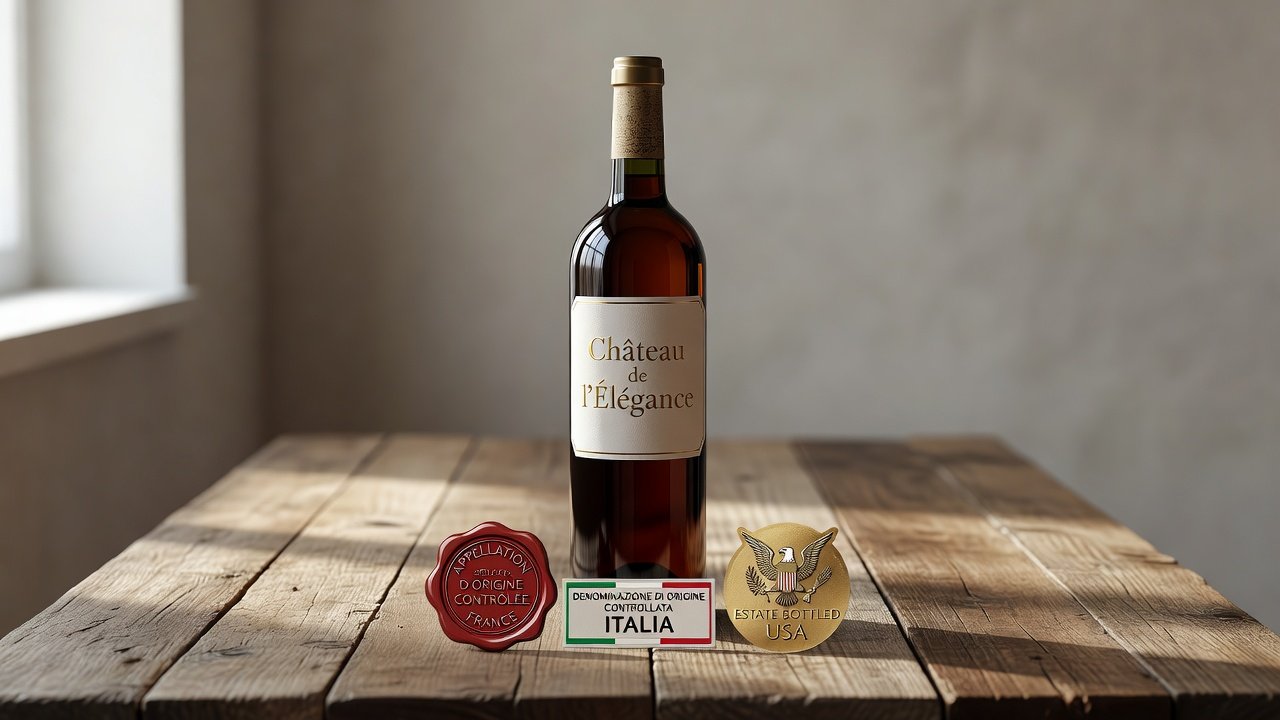
Wine certifications and designations serve as essential quality indicators that help consumers understand what to expect from a bottle before opening it. For beginners in 2026, mastering these labels transforms shopping from guesswork into informed decisions that save time and disappointment. Systems like France's AOC, Italy's DOCG, and organic seals communicate strict standards for production, geography, grape varieties, and sustainability practices that frequently influence both flavor consistency and overall value. These designations go far beyond simple marketing claims; they reflect regulations enforced by official government and industry bodies that monitor compliance through inspections, lab testing, and sensory evaluations. Understanding them empowers new enthusiasts to select wines matching their taste preferences without depending solely on brand recognition or attractive shelf displays.
Many newcomers feel overwhelmed by the array of acronyms on labels, yet these systems exist precisely to provide clarity and protection for buyers. By learning the hierarchy and meaning behind each certification, you gain a practical framework for evaluating quality at every price point, from casual weeknight pours to special occasion bottles.
Major Global Certification Systems
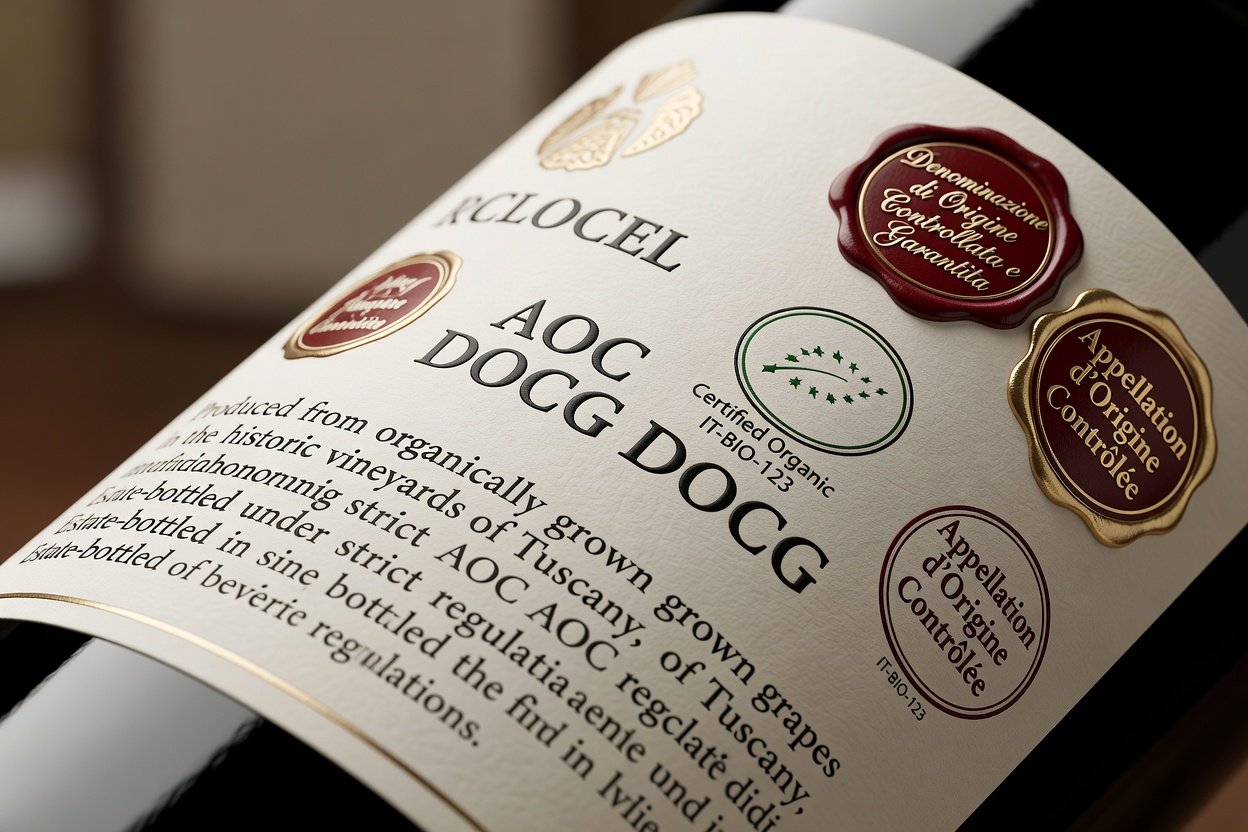
France established the foundational model with Appellation d'Origine Contrôlée (AOC), now integrated into the European Union's Appellation d'Origine Protégée (AOP) framework. This system tightly controls everything from permitted grape varieties and maximum yields per hectare to minimum aging periods and alcohol content. Italy mirrors this structure with its Denominazione di Origine Controllata e Garantita (DOCG) as the pinnacle tier, requiring mandatory tasting panels and chemical analysis before release, followed by the more flexible DOC and IGT levels. In the United States, the Alcohol and Tobacco Tax and Trade Bureau manages American Viticultural Areas (AVAs), which primarily define geographic boundaries rather than dictating winemaking techniques, allowing greater producer freedom compared to European rules.
Organic and biodynamic certifications add an important sustainability dimension. Programs such as USDA Organic or the EU Organic logo demand adherence to farming standards that prohibit synthetic pesticides, herbicides, and fertilizers while emphasizing soil health and biodiversity. These seals appeal strongly to environmentally aware consumers and often signal wines with brighter, more transparent fruit character due to reduced chemical intervention. The official INAO website provides extensive resources on French appellations, while TTB resources detail American labeling requirements.
Impact on Flavor Consistency and Pricing
Certifications promote remarkable consistency by enforcing rules on grape selection, vineyard yields, and production methods that reduce vintage-to-vintage variation. A DOCG wine, for instance, must undergo rigorous sensory and laboratory scrutiny, resulting in reliable aromatic profiles and structural balance that enthusiasts can trust across multiple years. This regulatory oversight directly affects flavor by preserving regional typicity, such as the mineral-driven notes expected from certain French appellations or the structured tannins required in classic Italian reds.
While higher-tier designations generally correspond to elevated pricing because of restricted yields and intensive oversight, the relationship is not absolute. Beginners quickly learn that certifications provide useful guardrails rather than guarantees of personal enjoyment. Many outstanding everyday wines succeed without top certifications because talented producers prioritize quality through careful vineyard management instead of chasing official status.
Real-World Examples from France, Italy, and the US
Consider a classic French example: a Puligny-Montrachet AOC from Burgundy must use only Chardonnay grown within strictly delimited village boundaries, with rules governing harvest dates and maximum alcohol levels that preserve its signature elegance and citrus-mineral balance. In Italy, Barolo DOCG demands 100 percent Nebbiolo grapes aged at least 38 months, yielding powerful, age-worthy wines with tar, rose, and cherry notes that improve dramatically over decades. Chianti Classico DOCG adds geographic protections that ensure Sangiovese dominance and distinctive savory character.
Across the Atlantic, California's Napa Valley AVA signals premium terroir with Cabernet Sauvignon and other varieties, yet permits winemakers wide latitude in oak usage and blending. Many producers voluntarily pursue organic certification to differentiate their offerings and meet growing consumer demand for cleaner farming practices. These concrete examples illustrate how certifications translate abstract rules into distinctive sensory experiences that guide purchasing decisions.
Comparison of Certification Levels
| Country/Region | Highest Tier | Key Requirements | Typical Flavor Impact |
|---|---|---|---|
| France | AOC/AOP | Geographic limits, grape rules, yield caps, aging standards | Consistent regional character and typicity |
| Italy | DOCG | Tasting approval, chemical tests, minimum aging, grape purity | Guaranteed typicity and structural reliability |
| USA | AVA | Defined geographic boundaries, minimal winemaking restrictions | Terroir emphasis with creative flexibility |
| Global | Organic | No synthetic inputs, soil health practices, certification audits | Purer fruit expression and transparency |
Simple 4-Step Identification Process
- Scan the front label for prominent designation text such as AOC, DOCG, AVA, or an organic logo, noting its placement and font size as indicators of emphasis.
- Cross-check the stated region against reputable maps or mobile apps to confirm it aligns with recognized quality zones known for the stated grape variety.
- Examine vintage year and producer name to evaluate potential aging requirements or reputation for consistency in that specific appellation.
- Review the back label for supplementary seals including sulfite declarations, sustainability marks, or importer details that provide additional context about production philosophy.
Common Mistakes Beginners Make
One frequent error involves assuming the highest certification tier always delivers the best value for casual consumption. Another pitfall is overlooking smaller designations that offer excellent quality at lower prices because they receive less marketing attention. Beginners also sometimes ignore vintage variation within certified regions, which can dramatically affect flavor even when the designation remains constant.
Certifications and Everyday Drinking (FAQ)
Are certified wines always better than non-certified options?
Certifications establish minimum standards and regional identity, yet many outstanding wines exist outside these frameworks due to experimental techniques or limited production volumes that do not fit rigid rules.
How do certifications influence food pairing choices?
Structured DOCG wines with firm tannins pair naturally with rich meats, while lighter AOC whites complement seafood. Organic seals often indicate brighter acidity that enhances vegetable-forward dishes.
Should new drinkers prioritize certifications when building a cellar?
Use them as a starting map for exploration, then branch out based on tasted preferences. They offer reliable signposts without replacing personal discovery.
Do organic certifications affect aging potential?
Organic wines can age well when produced with balanced acidity and tannins, though the absence of certain additives sometimes leads to earlier drinking windows compared to conventional counterparts.
Where can I verify certification authenticity on imported bottles?
Check for official logos and cross-reference with government databases such as those maintained by national wine authorities for importer transparency.
Conclusion
Mastering wine certifications equips beginners with confidence when navigating store shelves and restaurant lists throughout 2026. By understanding major systems from France, Italy, and the United States, along with their effects on flavor and a straightforward identification process, enthusiasts can choose bottles that deliver reliable quality while aligning with values such as sustainability. Experiment regularly with certified examples alongside uncertified discoveries to refine your palate and develop lasting preferences that make every glass more rewarding.

No comments yet. Be the first!