 Uncorked Conversations
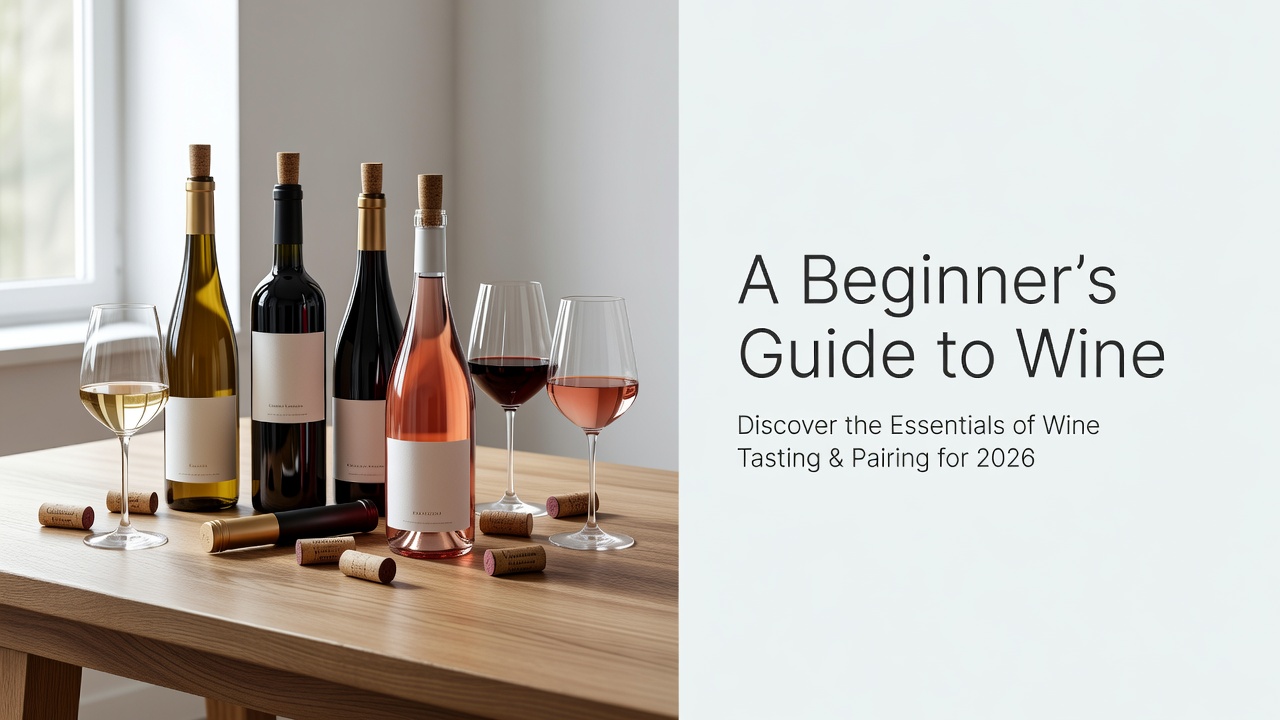
Welcome to your complete Wine 101 guide designed specifically for beginners in 2026. If you have ever felt overwhelmed by wine lists, confusing rules, or expensive bottles, you are not alone. This article tackles widespread myths that trip up new enthusiasts and replaces them with clear, actionable advice. Whether you are shopping for your first bottle or hosting your initial tasting party, understanding the truth behind these misconceptions will help you make informed choices and enjoy the process more fully.
Why Wine Myths Persist for Beginners
Many newcomers encounter conflicting advice from friends, social media, and old traditions. These myths create unnecessary barriers and can make wine seem more complicated than it truly is. By examining each one with real-world examples and simple comparisons, you will gain the confidence to explore wine on your own terms. Over time, separating fact from fiction allows beginners to focus on what matters most: discovering flavors that bring personal enjoyment rather than following outdated expectations.
Myth 1: Expensive Wines Always Taste Superior
Reality: Price often reflects rarity, marketing, or aging potential rather than guaranteed enjoyment. A thoughtfully made bottle from an emerging region can deliver complex notes of fruit and earth that rival far costlier options in blind tastings. Beginners should start with mid-range selections and focus on personal preference instead of price tags. For instance, compare a well-reviewed everyday red from California with a premium import during a relaxed evening at home to see how your own palate responds without preconceptions.
Myth 2: Red Wine Only Pairs with Red Meat
Reality: Modern pairings emphasize balance over rigid color rules. A light Pinot Noir can beautifully complement roasted salmon, mushroom risotto, or even spicy vegetable curries. Try experimenting at home by serving the same red wine alongside both a classic steak dinner and a vegetarian pasta dish to discover what you enjoy most. This flexible approach opens up countless combinations that enhance meals without unnecessary stress.
Myth 3: Screw Caps Indicate Low-Quality Wine
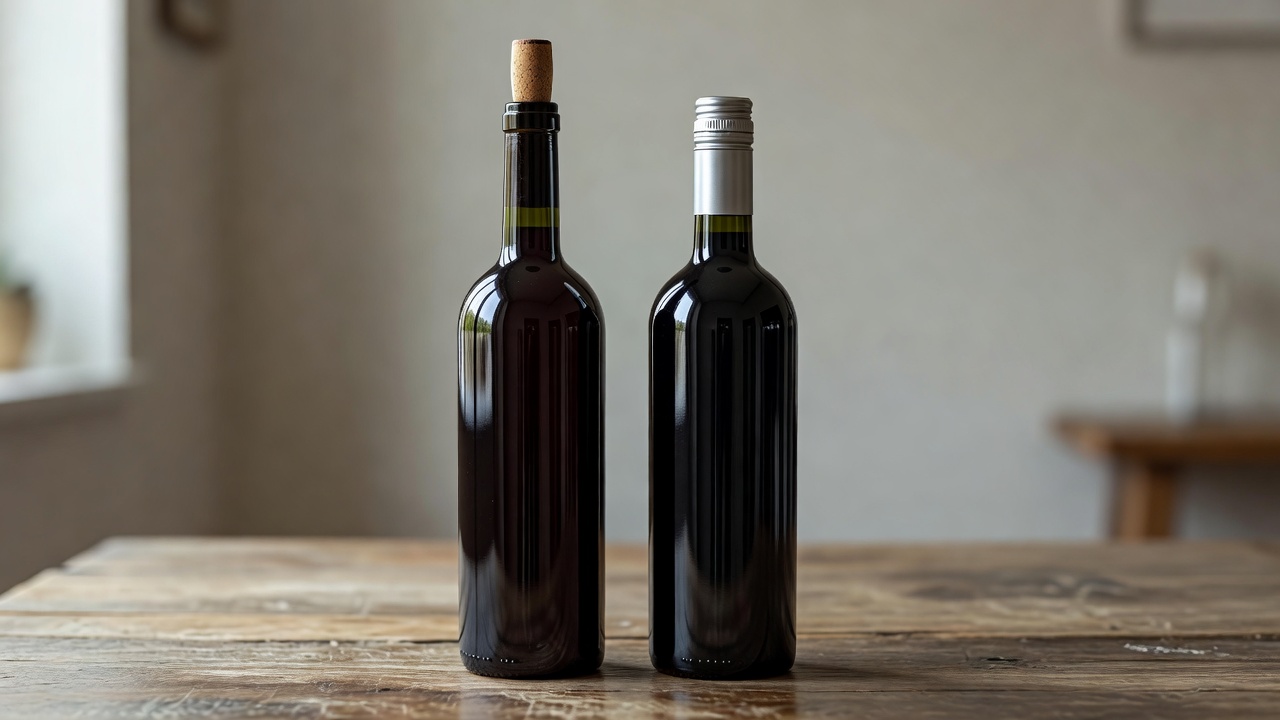
Reality: Screw caps preserve freshness and prevent cork taint effectively. Many premium producers in New Zealand and Australia use them for high-quality wines that age gracefully. Next time you shop, compare a screw-cap Sauvignon Blanc with a traditional cork version side by side during a weekend tasting session. You may find the screw-cap option delivers brighter acidity and cleaner fruit notes.
Myth 4: Older Wines Are Always Better
Reality: Most wines are meant to be enjoyed young and fresh. Only specific bottles with strong structure improve with age. For beginners, focus on current-release wines and store a few special bottles to test aging yourself over the next year. Track changes in aroma and texture by opening one bottle every six months from the same case.
Myth 5: You Must Drink Wine at Exact Temperatures
Reality: Slight variations in serving temperature affect aroma and taste, but strict rules are unnecessary for everyday enjoyment. Serve whites slightly chilled and reds at cool room temperature. Adjust based on your palate during casual tastings at home. Experiment by trying the same Chardonnay at three different temperatures to notice how fruit and acidity shift subtly.
Myth 6: Sweet Wines Are Only for Dessert
Reality: Off-dry and sweet wines pair well with spicy foods and cheese boards. A Riesling can cut through heat in Thai cuisine or balance creamy blue cheese. Host a small tasting with friends to compare sweet and dry wines with the same meal and observe how each style transforms the dining experience.
Myth 7: You Need Special Glasses for Every Wine Type
Reality: A single set of all-purpose glasses works for most occasions. Invest in quality stemware only after you know your preferences. Beginners can start with everyday glasses and notice how shape influences aroma during home experiments. Many enthusiasts find that universal glasses suffice for years of enjoyable drinking.
Myth 8: White Wine Cannot Be Aged
Reality: Certain whites like Chardonnay and Riesling develop complexity over time. Buy a few bottles of the same vintage and open one each year to track changes in color and flavor profile. This simple exercise demonstrates how some whites gain nutty and honeyed notes with proper storage.
Myth 9: Wine Must Breathe for Hours Before Drinking
Reality: Most wines benefit from just 15–30 minutes of air exposure. Use a simple decanter or even swirl in your glass. Test this by comparing a freshly opened bottle with one that has sat for half an hour. The shorter approach often reveals vibrant aromas without over-oxidizing delicate flavors.
Myth 10: You Should Only Drink Wine from Famous Regions
Reality: Emerging regions often offer excellent value and unique flavors. Explore bottles from lesser-known areas alongside classics to broaden your palate. Reading regional guides from sources like Decanter can introduce you to exciting new producers worth trying.
Practical Steps to Test These Myths at Home
- Choose three wines under a modest budget and conduct a blind tasting with friends, noting impressions before revealing labels.
- Pair one versatile red wine with both meat and vegetarian dishes in the same meal to observe pairing flexibility.
- Compare a screw-cap and cork wine from the same grape variety over two consecutive evenings.
- Track how your preferences change over several months of casual exploration by keeping a simple tasting journal.
- Visit a local wine shop and ask staff for recommendations from lesser-known regions to expand your horizons.
These simple experiments turn theory into personal knowledge and make learning enjoyable rather than intimidating.
Real Beginner Scenarios
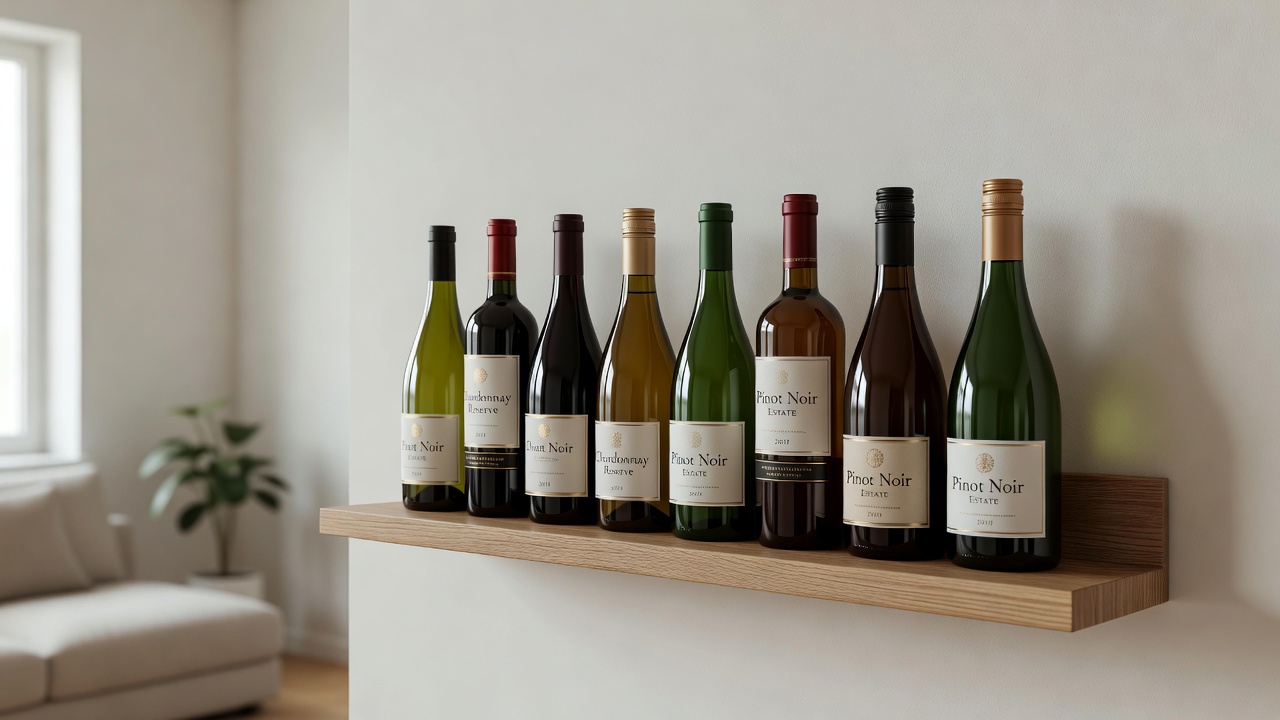
Imagine attending your first dinner party. Instead of stressing over pairings, ask the host what they enjoy and bring a versatile bottle that works across courses. Or picture browsing a store shelf: ignore the highest price and read tasting notes for grapes you recognize from previous positive experiences. Another common situation arises when traveling abroad; focus on local everyday wines rather than chasing famous names to discover hidden gems that fit your budget and taste.

Building Your Palate: Additional Tips and Comparisons
Developing a reliable sense of taste takes consistent but low-pressure practice. Start by tasting the same wine in different settings, such as with and without food, to understand how context changes perception. Compare two similar varietals side by side, like a California Chardonnay versus one from Burgundy, noting differences in oak influence and acidity. Over several weeks these comparisons build intuition that no myth can override. Resources from Wine Enthusiast provide further structured exercises for new enthusiasts looking to refine their skills.
Short FAQ
How do I start building a small wine collection?
Begin with six bottles of different styles and revisit them after a few weeks to note how your tastes evolve. Rotate in new varieties regularly to avoid repetition.
Is it okay to mix wine with food from different cultures?
Absolutely. Wine is versatile, and cross-cultural pairings often create exciting new favorites that surprise even experienced drinkers.
What should I do if I dislike a recommended wine?
Use it as data. Note the grape, region, and style so you can avoid similar bottles in the future while still exploring related options.
Should beginners invest in wine storage equipment right away?
No need for elaborate systems initially. A cool, dark closet works well for short-term storage while you determine which wines you enjoy enough to age.
Conclusion
Wine enjoyment grows through curiosity rather than perfection. By questioning common myths, you open the door to more relaxed and rewarding experiences. Keep exploring, tasting, and sharing what you discover with others. Over time the confidence gained from these insights will transform every glass into an opportunity for genuine pleasure and learning.
No comments yet. Be the first!