 Uncorked Conversations
Introduction: Starting Your Wine Journey on a Budget
Building a wine collection does not require a cellar or thousands of dollars. In 2026, beginners can create a practical, enjoyable selection of 6-8 bottles that span red, white, and sparkling styles while staying budget-conscious. The goal is experimentation and confidence rather than perfection, allowing you to discover what you truly enjoy through tasting and note-taking. Many new collectors feel intimidated by the vast options available, but focusing on versatile styles and value-driven choices removes much of that pressure. This approach turns wine exploration into an accessible hobby rather than an expensive pursuit.
This guide walks through selecting versatile bottles, choosing affordable regions and grapes, simple storage methods for apartments, and a straightforward system for recording impressions. You will also find checklists, real-world buying examples, comparisons between styles, common mistakes to avoid, and answers to frequently asked questions that new collectors face. By the end, you will have a clear roadmap to begin your collection with purpose and enjoyment.
Choosing 6-8 Versatile Bottles for Variety
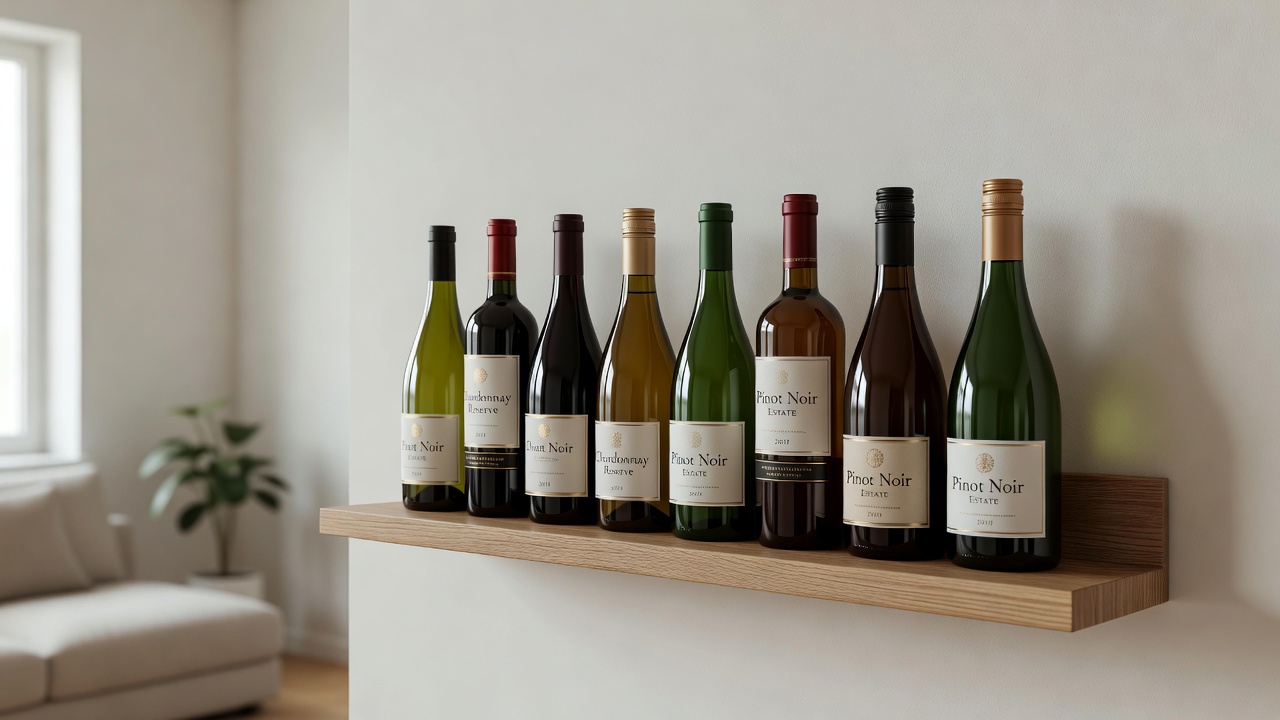
A small collection shines when it offers contrast in flavor, acidity, tannin, and occasion. Aim for balance across categories rather than multiples of the same style. Consider these profiles as a starting framework: two everyday reds for meals and casual sipping, two crisp whites for lighter dishes or warm weather, one sparkling wine for celebrations or aperitifs, and one or two additional bottles that explore a new grape or region. This mix ensures you always have something suitable whether hosting friends or enjoying a quiet evening.
For reds, select one medium-bodied option like a Merlot and one bolder choice such as a Malbec to cover different food pairings. Whites might include a zesty Sauvignon Blanc alongside a richer Chardonnay. The sparkling selection could be a dry Prosecco or Cava that works for both toasts and mixing into cocktails. Adding variety prevents repetition and helps identify personal preferences faster.
Budget-Friendly Regions and Grape Varieties
Focus on areas known for value rather than prestige. Regions such as Chile’s Central Valley, South Africa’s Western Cape, and Portugal’s Douro Valley regularly deliver quality at accessible prices. Popular grapes to explore include Cabernet Sauvignon and Malbec for reds, Sauvignon Blanc and Chardonnay for whites, and Cava or Prosecco for sparkling options. These choices provide recognizable flavors while keeping costs manageable. Wine Magazine frequently highlights emerging value producers from these regions that deliver consistent quality year after year.
Experiment by alternating between Old World and New World styles to understand differences in body and acidity. Reliable retailers and wine apps often highlight current value picks from these areas. Comparing a Chilean Cabernet with a Portuguese red from the same grape reveals how climate and winemaking traditions shape the final result, giving you deeper appreciation without extra expense.
Storage Hacks for Small Spaces
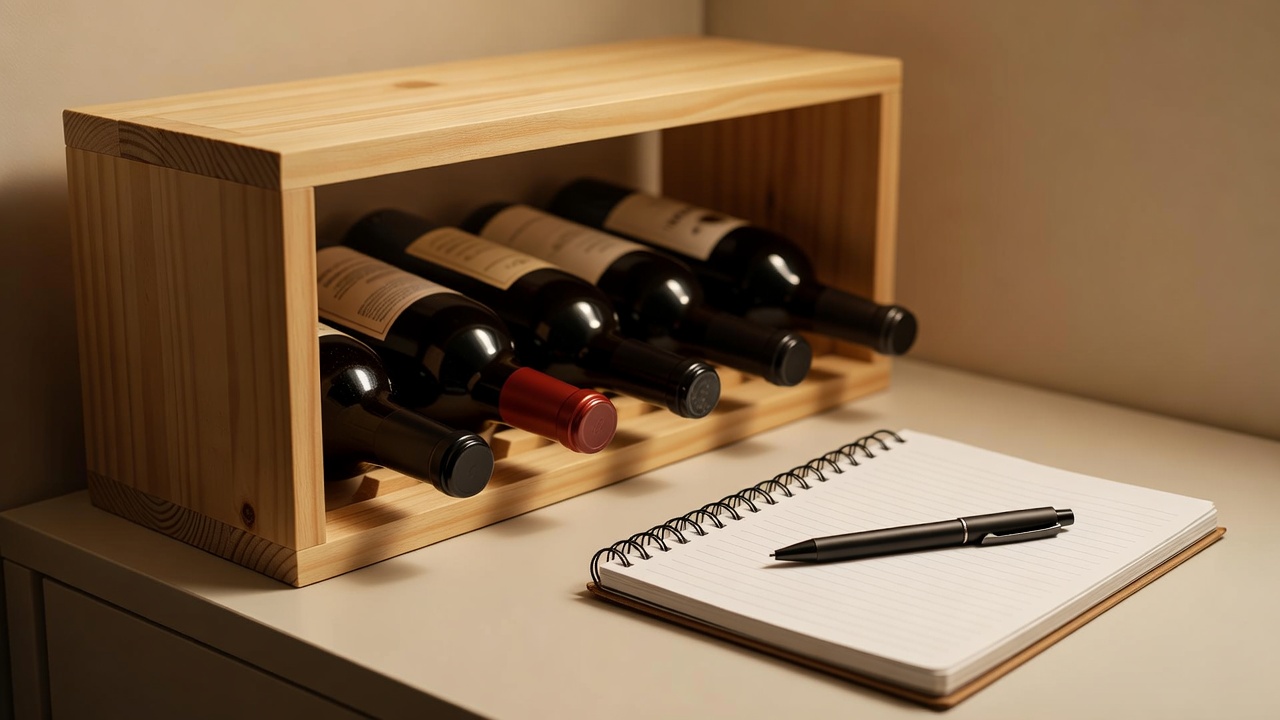
Most beginners do not have dedicated cellars. Keep bottles away from direct sunlight, heat sources, and vibration. A consistent temperature around 55°F (13°C) and moderate humidity work well for short-term storage. Use a closet, under-bed rack, or kitchen cabinet that stays cool. Horizontal storage helps maintain cork moisture for any bottles you plan to keep longer than a few months. Avoid placing bottles near ovens, radiators, or windows where temperature swings occur daily.
Additional practical tips include using a simple thermometer to monitor conditions, grouping bottles by style for easy access, and rotating stock every few weeks. These steps protect quality without expensive equipment. For those in very small apartments, consider stackable cardboard cases designed for wine that fit neatly on shelves.
Creating a Simple Tasting Notes System
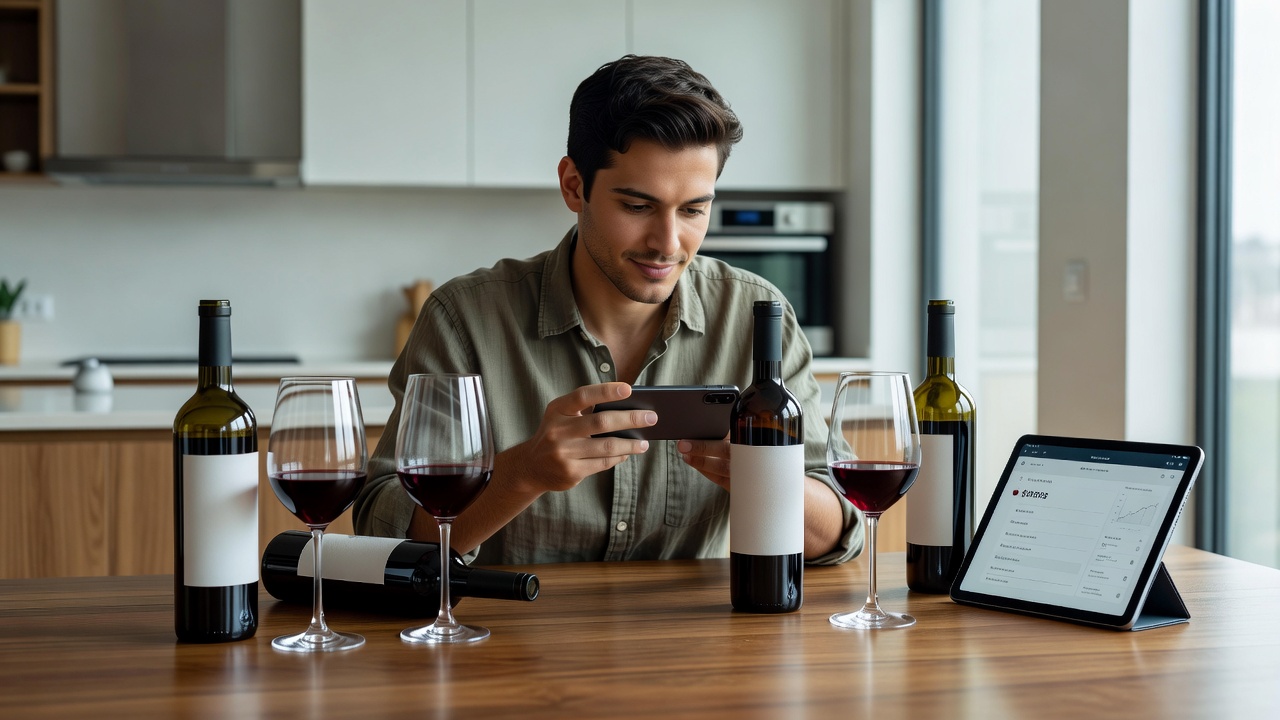
Tracking your impressions builds knowledge quickly. Use a notebook or free app to record the producer, vintage, grape, price paid, and your personal notes on aroma, taste, and food pairing. Rate each wine on a 1-10 scale for enjoyment rather than professional scoring. Over time, patterns emerge that guide future purchases. For example, you might notice you prefer wines with bright acidity over heavy tannins, which then influences the next shopping trip.
Include space for date tasted and any memorable details such as the meal served alongside. This habit turns casual drinking into meaningful learning and helps avoid repeating purchases of wines that did not suit your palate.
Step-by-Step Buying Checklist
- Decide your total budget before shopping to prevent impulse buys.
- Review store or online filters for wines that fit your price range and style goals.
- Check recent vintages and producer reputation via trusted sources.
- Read a few customer or critic notes for balance and typical flavor descriptions.
- Buy one bottle of each planned style first, then repurchase favorites once you confirm preferences.
- Keep receipts and add details to your tracking system immediately after purchase.
Price Comparison Examples and Style Comparisons
Qualitative comparisons under typical budget thresholds show noticeable differences. A Chilean Sauvignon Blanc often delivers more tropical fruit notes compared to a South African version that leans toward grassy and mineral characteristics. Trying both side by side during one tasting session highlights how origin affects flavor, helping refine your collection over time. Focus on value-oriented retailers that rotate selections frequently to discover new producers without exceeding your planned spend.
Mistakes to Avoid When Starting Out
New collectors sometimes overbuy the same style or ignore storage conditions, leading to disappointing bottles later. Another common error is chasing scores instead of personal taste. Always taste before committing to multiples, and remember that even inexpensive wines can vary widely between vintages. Taking notes prevents these repeated missteps and accelerates your learning curve.
FAQ: Common First-Time Collector Questions
How many bottles should I buy at once?
Start with six to eight to avoid overwhelming your palate or storage space. Add more only after you finish and evaluate the first round.
Should I age any of these wines?
Most budget wines are best enjoyed within one to two years. Reserve longer aging for special bottles you plan to track carefully.
What if I dislike a bottle?
Use it for cooking or share it with friends. Every tasting, even less enjoyable ones, teaches you something useful.
Can I mix different price points in my collection?
Yes. Allocating a small portion of your budget for one slightly higher-priced bottle can provide contrast and education while keeping the majority of the collection affordable.
How often should I update my tasting notes?
Record impressions right after tasting while details remain fresh. Reviewing notes monthly helps identify trends and plan the next purchases effectively.
Conclusion
Creating your first budget wine collection in 2026 is an accessible, rewarding project. By focusing on variety, smart regional choices, practical storage, and consistent note-taking, you will develop confidence and a personalized cellar that grows with your tastes. Begin with a modest selection, taste mindfully, and enjoy the process of discovery. Over time, your collection becomes a reflection of your evolving preferences rather than a random assortment of bottles.
No comments yet. Be the first!